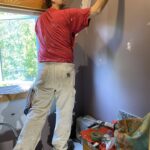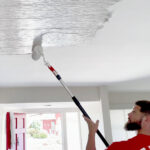
For new drywall, applying two coats of primer is generally recommended to ensure even coverage, proper adhesion, and uniform paint color. The first coat seals the porous surface and absorbs into the drywall, while the second coat creates a smooth, consistent base for the topcoat. If the drywall is lightly sanded and of high quality, one coat may suffice, but two coats provide the best results, especially when using lighter paint colors or glossy finishes.
The Best Primers for New Drywall
Using the right product is more important than the number of coats. A dedicated drywall sealer is chemically designed to stop the “soaking” effect that regular paint can’t handle.
Product Why It’s Best for New Drywall Key Feature KILZ PVA Drywall Primer The Industry Standard. Designed specifically for new, porous surfaces. Fast drying (30 mins) & high-hide. Zinsser Bulls Eye 1-2-3 Best All-In-One. Great if you have patches and old paint on the same wall. Mold & mildew resistant; sticks to anything. Wooster Pro 9-Inch Roller Kit Essential for Uniformity. A high-quality nap ensures even primer coverage. Includes frame, tray, and 2 covers.
Use one coat for most new drywall; add a second for problem areas.
If you are weighing 1 or 2 coats of primer on new drywall, you are asking the right question. I have prepped hundreds of rooms, from tight condos to busy clinics. I will show you when one coat is enough, when two coats save your finish, and how to prime the right way the first time. Expect clear steps, real job notes, and pro tips that pay off on day one.
Zinsser BIN Shellac Base Primer Review (2026) – Best Primer for Stains & Odors?
What Primer Does On New Drywall
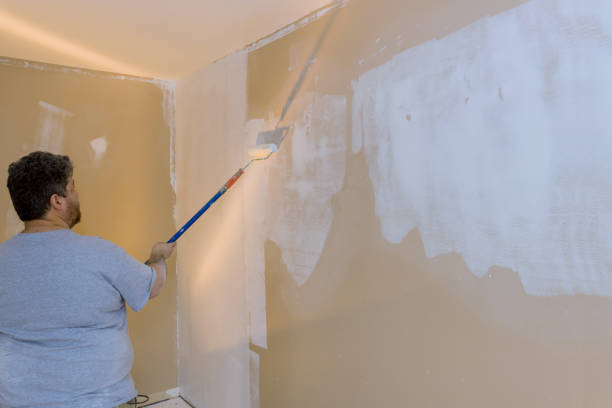
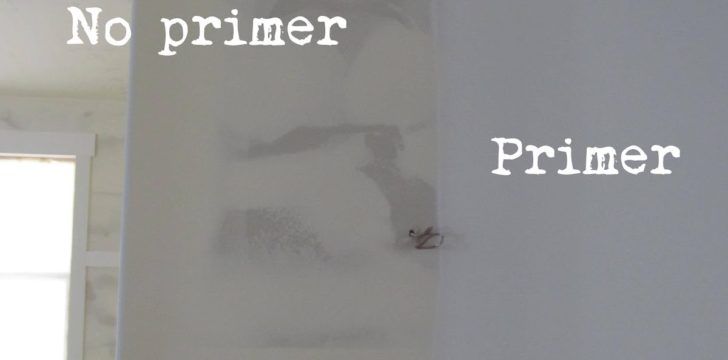
Primer seals porous paper and joint compound so paint lays even. It gives the surface a uniform sheen. It also helps paint bond, reduces flashing, and improves color hold.
New drywall has two faces. Paper is smoother and less thirsty. Joints and patches act like dry sponges. Primer evens that out. With the right prep, one coat can do the job. With tough boards, stains, or deep colors, two coats can be a smart move.
Pros follow data sheets from paint makers and trade groups. They suggest a drywall primer first, then paint. That is the base rule. Many jobs fit it well.
1 or 2 Coats of Primer on New Drywall: How To Decide
Here is the short rule I use on site. Start with one uniform coat of quality drywall primer. Inspect under strong light from the side. If you see flashing, dark joints, or patch outlines, add a second coat.
When I judge 1 or 2 coats of primer on new drywall, I look at risk. A living room in soft white with good drywall work often needs one coat. A kitchen with steam, bold color, or heavy repairs often needs two. If the paint will be a deep base or a tricky low-sheen matte, two primer coats protect the look.
I have seen crews rush with one thin coat. The first roll of finish paint looked fine. After it dried, every joint line showed. We had to sand, re-prime, and repaint. Two primer coats would have cost less than that redo.

Should Primer Be Thick or Thin– What Works Best for Walls, Wood & Cabinets
Factors That Push You To Two Coats
Use these checks to call for that second coat.
- Level of drywall finish. If the finish is below Level 4, expect uneven texture. Two coats help hide that.
- Number of patches. More mud means more suction. Two coats reduce telegraphing.
- Sheen and color of topcoat. Matte and eggshell show joints. Deep colors need a stronger base.
- Lighting. Strong side light shows flaws fast. Think hallways and rooms with big windows.
- Stains or markers. Water marks, smoke, or ink need sealing. Often that means two coats with a stain blocker.
- Substrate dryness. Very dry new homes can suck in primer. A second coat brings back even porosity.
These checks help you set a clear plan for 1 or 2 coats of primer on new drywall before you open a can.
Step-By-Step: Priming New Drywall Like A Pro
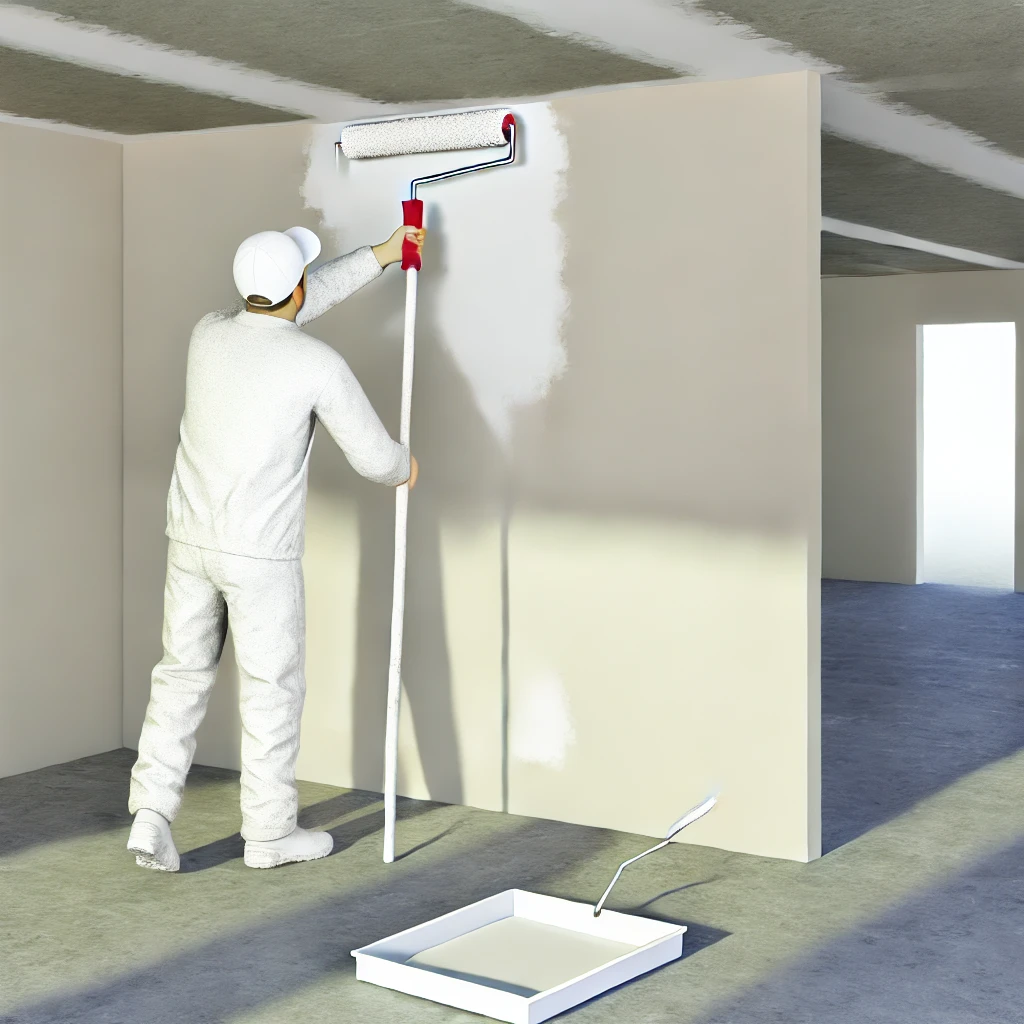
Follow this simple path. It works for most homes and light commercial jobs.
- Vacuum and dust. Use a brush and a shop vac. Wipe with a damp microfiber.
- Fix flaws. Skim, fill pinholes, and caulk small gaps where needed.
- Sand smooth. Use 120 to 150 grit on joints. Feather edges. Then dust again.
- Mask and protect. Cover floors and trim. Remove switch plates.
- Choose the right primer. Use a quality PVA or acrylic drywall primer first.
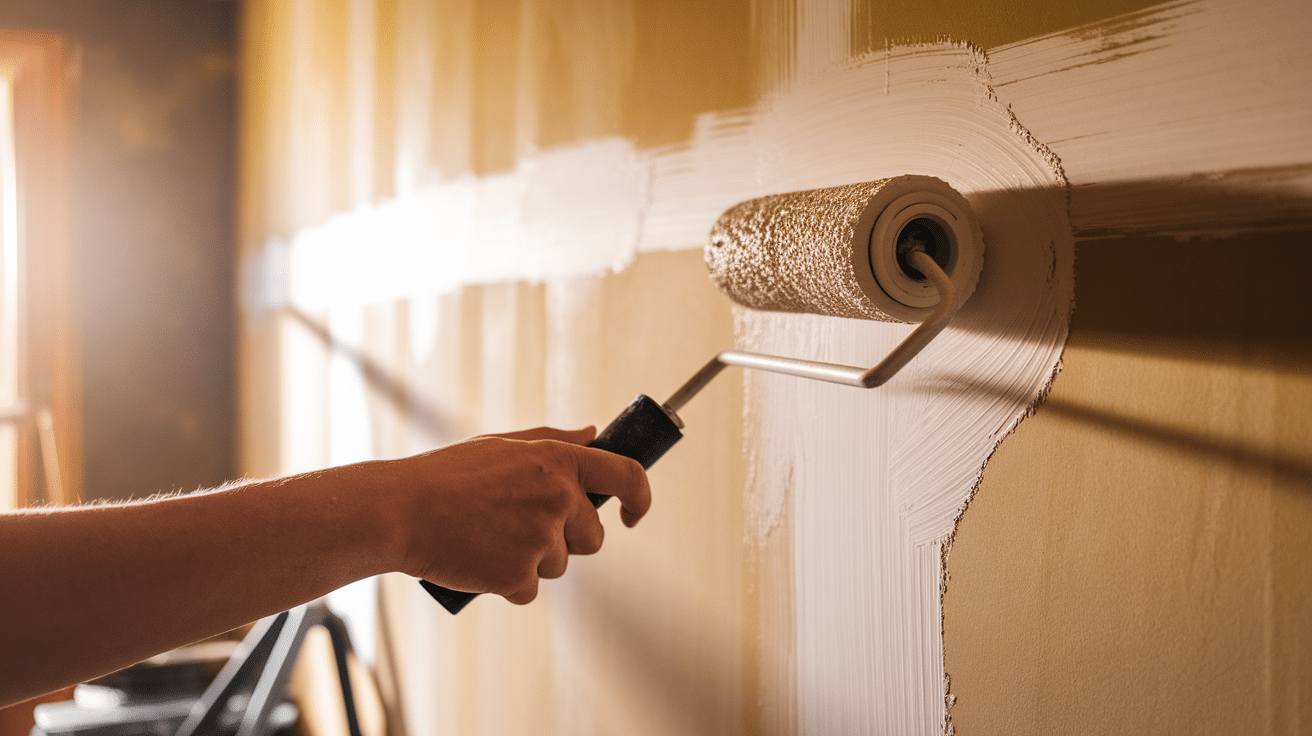
- Cut and roll. Brush edges. Roll with a 3/8 inch nap. Keep a wet edge.
- Back-roll ceilings. It levels texture and evens the film.
- Dry and inspect. Use raking light. Mark spots that flash or look dull.
- Light sand. Use 220 grit to knock down nibs. Wipe dust.
- Decide on 1 or 2 coats. If the surface looks patchy, apply a second primer coat.
If you plan 1 or 2 coats of primer on new drywall, this path gives you a clean, even base with no guesswork.

Primer Types For New Drywall
Picking the right product matters as much as coat count.
- PVA drywall primer. Best for fresh drywall. It seals paper and mud well. It is cost-effective and fast.
- 100% acrylic primer. Stronger bond and better stain resistance. Good for kitchens, baths, and high traffic.
- Stain-blocking primer. Shellac or specialized acrylic for water, smoke, or marker. Use when you see trouble spots.
- Tinted primer. Tint toward your finish color for deep hues. This helps hide faster and cuts total paint coats.
When I face 1 or 2 coats of primer on new drywall with a navy or charcoal topcoat, I tint the second coat. That step often saves a full paint coat.
Coverage, Dry Times, And Sanding Between Coats
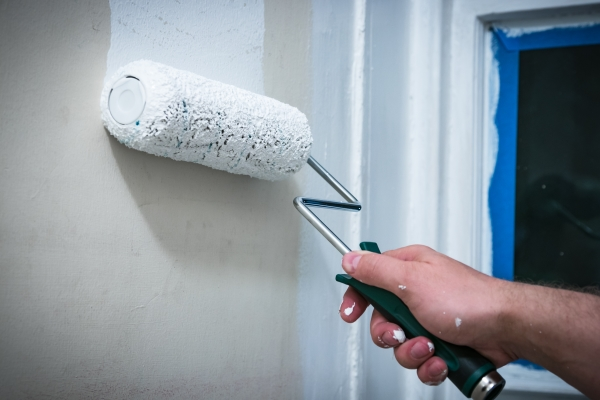
Typical drywall primer covers about 250 to 400 square feet per gallon. Porous mud lines pull more. Aim for full, even coverage. Do not stretch it thin.
Most primers are dry to the touch in 30 to 60 minutes. Recoat in 2 to 4 hours at 70°F and 50% RH. Cooler rooms need more time. Always check the label.
A light sand between coats with 220 grit makes walls feel like glass. Wipe dust before the next coat. This step is quick and gives a clear boost in the final look.
If you choose 1 or 2 coats of primer on new drywall, follow these times so you do not trap moisture or raise the nap.

Cost, Time, And ROI Of Adding A Second Coat
A second primer coat adds one pass of labor and material. On an average bedroom, that might be one extra gallon and one to two more hours. Yet it can save a full repaint if flashing shows.
Think of cost per risk. If the drywall finish is great and the color is light, one coat has low risk. If you see side light, lots of mud, or plan a bold shade, two coats reduce callbacks. On client jobs, my second coat rate on risk rooms cut touch-ups by half.
If you must choose between cheap paint or an extra primer coat, put money into the base. For 1 or 2 coats of primer on new drywall, a solid base beats a shaky finish every time.
Common Mistakes And Simple Fixes
- Skipping dust removal. Dust blocks adhesion. Vacuum and wipe before you start.
- Using paint-and-primer-in-one as primer. These are finish paints. They do not seal like true drywall primer.
- Rolling too thin. Starved coats cause flashing. Load the roller and keep a wet edge.
- Ignoring dry times. Recoating too soon can lift or peel.
- Not inspecting with side light. Always check from an angle to spot telegraphing.
Fix light flashing with a second primer coat. Fix heavy flashing by sanding, spot priming joints, then adding a full second coat. For ink or water marks, switch to a stain blocker before you move on.
These cures work whether you go with 1 or 2 coats of primer on new drywall.

Quick Answers To Common Questions
Do I need two coats if I will use matte paint?
Matte shows flaws more than satin or semi-gloss. Two primer coats lower flashing and help the sheen look even.
Will two primer coats help deep colors cover?
Yes. A second, tinted primer coat builds a base that helps rich colors cover in fewer paint coats.
Can I skip primer with self-priming paint?
No. On new drywall, a real drywall primer is best. Self-priming paint is not a sealer for paper and mud.
These points help you plan 1 or 2 coats of primer on new drywall with fewer surprises.
Real-World Lessons From The Field
- Apartment refresh. One PVA coat on clean new drywall, then two coats of light gray. The look was smooth and fast. No need for a second primer coat.
- Sunlit stairwell. Side light showed every joint after one coat. We added a second primer coat, sanded light, and the finish paint looked perfect.
- Kids’ room with markers. We spot-primed stains with a blocker, then full PVA coat. A few patches still flashed. A second coat fixed it and saved a repaint.
Each job reminded me to let the wall decide. When I weigh 1 or 2 coats of primer on new drywall, I trust light, touch, and the first coat’s look.
When One Coat Is Enough vs When Two Are Wise
One coat is enough when:
- Drywall finish is Level 4 or better.
- Color is light to mid-tone.
- Lighting is even, with little side glare.
- Repairs are few and feathered smooth.
Two coats are wise when:
- There are many joints and patches.
- You see flashing after the first coat.
- You plan deep or vivid topcoats.
- Humidity, kitchen grease, or bath steam are factors.
I use this checklist on every project that calls for 1 or 2 coats of primer on new drywall.
How To Inspect Your First Coat Like A Pro
- Use a bright work light. Hold it at a shallow angle across the wall.
- Look for sheen changes. Dull spots are dry areas that need more sealer.
- Feel with your hand. Rough nibs need a quick sand.
- Mark issues with blue tape. Fix them before you recoat.
A five-minute check can save five hours of fixes later. It sharpens your call on 1 or 2 coats of primer on new drywall.
Frequently Asked Questions of 1 or 2 coats of primer on new drywall
Is one coat of primer enough on fresh drywall?
Often yes. If coverage is even and no flashing shows under side light, one coat works.
How long should I wait between primer coats?
Most primers need 2 to 4 hours before recoating. Read the label and adjust for temperature and humidity.
Should I sand between primer coats?
A light sand with 220 grit improves smoothness and adhesion. Wipe off dust before the next coat.
Can I tint drywall primer for dark colors?
Yes. Tint toward the finish color for better hide. This can reduce the number of finish coats.
What roller nap should I use for primer on drywall?
Use 3/8 inch nap for most walls. Use 1/2 inch if the surface is very dry or textured.
Do two primer coats replace a finish coat?
No. Primer builds a base. You still need two finish coats for best color and durability.
Will primer block water stains on new drywall?
Standard drywall primer will not. Use a stain-blocking primer on water marks before your full coat.
Is self-priming paint good enough on new drywall?
Not as a first coat. Use a true drywall primer first for sealing and even porosity.
How do I prevent flashing through flat paint?
Seal the wall well with primer, sand light, and use even pressure while rolling. Add a second primer coat if flashing remains.
Can I mix brands of primer and paint?
Yes, but follow each product’s data sheet. Stick with quality lines to avoid compatibility issues.
Conclusion
One strong coat of drywall primer is enough for many rooms. Two coats shine when you face heavy patches, strong light, or bold colors. Let the wall guide you. Inspect, sand, and add a second coat if anything looks uneven.
If you are planning 1 or 2 coats of primer on new drywall, use the steps here and trust your eyes. Take a few minutes to test a wall. That small check protects your time, your budget, and your finish. Want more practical paint tips? Subscribe for new guides, or drop your questions in the comments.