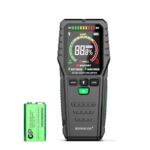
Pin Vs Pinless Moisture Meters Key Takeaway: The choice depends on depth and damage. Pin meters are the “Gold Standard” for identifying the exact location and depth of moisture by penetrating the material. Pinless meters (non-destructive) are superior for rapid scanning of large areas without leaving holes in expensive flooring or drywall. For professional results, most inspectors use a dual-mode meter to find the moisture first, then verify the depth.
Prevent costly water damage with professional-grade moisture meters. Detect hidden moisture in walls, floors, and more with advanced
When it comes to checking moisture levels in wood, drywall, or concrete, choosing the right moisture meter can make all the difference. You might be wondering: should you go for a pin or a pinless moisture meter?
Each type has its strengths and limitations, and picking the best one depends on your specific needs. You’ll discover how pin and pinless moisture meters work, which one offers more accuracy, and how to decide the best fit for your projects.
By the end, you’ll feel confident knowing exactly which tool will save you time, protect your materials, and deliver the results you need. Keep reading to unlock the key differences and make the smartest choice for your next moisture check.
Types Of Moisture Meters
Moisture meters help measure water content in materials like wood, drywall, and concrete. Different types of moisture meters serve different purposes. Knowing their features helps pick the right tool for your needs. Two main types exist: pin and pinless moisture meters. Each has unique advantages and uses.
Pin Moisture Meters
Pin moisture meters use two or more metal probes. These pins penetrate the material’s surface to measure electrical resistance. The resistance level shows how much moisture is inside. Pin meters provide accurate readings from deep within the material. They work well for wood, drywall, and concrete. The pins leave small holes, which may not suit delicate surfaces. Pin meters require contact with the material, so they may slow down testing large areas.
Pinless Moisture Meters
Pinless moisture meters use electromagnetic signals to scan the material. They do not pierce the surface, making them non-destructive. These meters quickly measure moisture over a wide area. They work best on flat surfaces like wood and drywall. Pinless meters provide an average moisture level near the surface. They cannot measure deep moisture or inside thick materials. These meters are easy to use and fast for screening purposes.
How Pin Meters Work
Pin moisture meters measure moisture by using metal probes that pierce the material. These pins create an electrical path inside the wood or drywall. This method provides direct information about moisture levels. The process is simple but effective for many applications. Pin meters are common tools for professionals who need precise readings.
Electrical Resistance Measurement
Pin meters work by measuring electrical resistance between two pins. Moisture reduces resistance, so wet materials have lower resistance. The pins send a small electric current through the material. The meter then calculates moisture content based on how easily electricity flows. This method gives a reliable reading of moisture inside the material.
Depth-specific Readings
The length of the pins controls how deep the meter reads moisture. Longer pins reach deeper layers, showing moisture levels inside thick materials. Shorter pins check surface moisture only. This feature helps users detect hidden moisture or drying progress at different depths. It makes pin meters useful for detailed moisture analysis.
How Pinless Meters Work
Pinless moisture meters work by measuring moisture without piercing the material. They provide quick, non-destructive readings. These meters use advanced technology to detect moisture levels just beneath the surface. Understanding how they work helps users choose the right tool for their needs.
Electromagnetic Wave Technology
Pinless meters send electromagnetic waves into the material. These waves interact with the water molecules inside. Moisture changes the wave’s behavior, affecting its speed and strength. The meter detects these changes and calculates the moisture level. This method is fast and does not damage the surface.
Surface Scanning Method
The meter scans the surface area without penetrating it. It measures a wide zone, giving an average moisture reading. Users can quickly check large surfaces like walls or floors. The scanning helps find wet spots or moisture problems early. This method is ideal for delicate materials or finished surfaces.
Pin Vs Pinless Moisture Meters Accuracy Comparison
Comparing the accuracy of pin and pinless moisture meters reveals key differences. Accuracy plays a vital role in choosing the right moisture meter for your needs. Both types measure moisture but use distinct methods. Understanding their precision helps decide which meter suits your project best.
Comparative Analysis: Performance and Accuracy
| Feature | Pin-Type Meters | Pinless (Electromagnetic) |
| Best For | Exact depth & hidden leaks | Rapid surface scanning |
| Material Impact | Leaves small holes (Invasive) | Non-destructive (Safe) |
| Material Depth | Limited to pin length | Scans up to 0.75″ – 1.0″ |
| Accuracy Factor | Affected by wood temperature | Affected by surface texture/gaps |
Pin Meter Precision
Pin meters use metal probes to penetrate the material’s surface. These probes directly measure electrical resistance, which relates to moisture content. This method provides very precise readings at specific depths. Pin meters work well for materials like wood or drywall. They can detect moisture inside the material, not just on the surface. Proper insertion of pins ensures reliable and accurate results. Calibration to the material type improves their precision even more. Pin meters are often the choice for detailed moisture analysis.
Limitations Of Pinless Meters
Pinless meters use electromagnetic signals to scan moisture levels. They measure moisture near the surface without breaking the material. This method is faster and non-invasive, but less precise at deeper levels. Pinless meters give an average moisture reading over a larger area. They may miss moisture pockets hidden deep inside. Surface conditions like roughness or coatings can affect their accuracy. Also, they need calibration for different materials to improve results. Pinless meters are best for quick checks but may lack detailed precision.
Advantages Of Pin Meters
Pin moisture meters offer clear benefits that make them a preferred choice for many users. Their design allows for precise moisture readings by physically penetrating the material. This direct contact leads to more accurate and reliable data. Pin meters excel in situations where knowing the exact moisture level inside the material is crucial.
These meters provide advantages that pinless models cannot always match. They deliver valuable insights for professionals working with wood, drywall, concrete, and other materials. Understanding the advantages of pin meters can help you choose the right tool for your needs.
Deep Material Penetration
Pin meters use sharp probes that penetrate deep into the material. This allows them to measure moisture levels below the surface. Surface moisture alone can be misleading. Deep readings help detect hidden moisture that may cause damage over time. This feature is essential for assessing wood, drywall, or concrete thoroughly.
Versatility Across Materials
Pin meters work on many types of materials, including wood, concrete, and drywall. Their probes adapt well to different textures and densities. This versatility makes pin meters useful in various industries like construction, restoration, and woodworking. They provide accurate readings even on rough or uneven surfaces where pinless meters might struggle.
Advantages Of Pinless Meters
Pinless moisture meters offer several clear benefits that make them popular for many users. These meters use advanced technology to measure moisture without damaging the material. They are easy to use and provide quick results. This section explains key advantages of pinless meters.
Non-invasive Testing
Pinless meters do not puncture or damage surfaces. They scan the material using electromagnetic signals. This method keeps wood, drywall, or other materials intact. It is ideal for finished surfaces or delicate items. Users avoid holes and marks that pins would leave behind. Non-invasive testing preserves the material’s appearance and value.
Speed And Convenience
Pinless meters deliver fast readings in seconds. There is no need to insert pins or prepare the surface. The device simply touches the material’s surface. This makes the process quicker and easier, especially for large areas. Users can check moisture levels frequently without wasting time. The simplicity and speed boost productivity in inspections and repairs.
Disadvantages Of Pin Meters
Pin moisture meters have been a standard tool for measuring moisture levels in materials like wood and drywall. Despite their accuracy, these devices come with some drawbacks. Understanding the disadvantages helps in deciding if a pin meter suits your needs or if a pinless option would be better.
Material Damage
Pin meters use sharp probes that penetrate the material’s surface. This causes small holes or punctures. For delicate or finished surfaces, this damage can be a problem. It may affect the appearance or integrity of the material. In some cases, it can also increase the chance of mold or decay. This damage is permanent and cannot be repaired.
Slower Process
Using a pin meter takes more time than a pinless one. Each reading requires carefully inserting the pins into the material. This must be done at multiple spots for accuracy. Removing and repositioning the pins slows down the process further. For large areas, this can make moisture testing tedious and time-consuming. It also requires more effort and attention from the user.
Disadvantages Of Pinless Meters
Pinless moisture meters offer quick and non-invasive moisture readings. Yet, they come with some notable drawbacks. Understanding these disadvantages helps in choosing the right tool for your needs. Below are key limitations of pinless meters to consider.
Limited Depth
Pinless meters measure moisture only near the surface. They cannot detect deep moisture inside thick materials. This shallow reading may miss hidden wet spots. For deep moisture checks, pinless meters fall short. Users might get inaccurate moisture levels for thick wood or concrete.
Material Density Impact
Material density affects pinless meter accuracy. Denser materials change how signals pass through them. This can cause false or varied moisture readings. Different wood types or composites may confuse the meter. Pinless meters need calibration for each material. Without it, results may not reflect true moisture content.
Material Suitability
Choosing the right moisture meter depends on the material you test. Different meters work better on certain materials. Understanding which meter suits your material helps get accurate results. This section explains how pin and pinless meters fit various materials.
Wood Types
Pin moisture meters work well on most wood types. They measure moisture by inserting metal pins into the wood. This method gives precise moisture levels inside the wood. It works for softwoods and hardwoods alike.
Pinless meters use radio waves to scan wood surfaces. They do not damage the wood. These meters work best on smooth, flat wood surfaces. They may struggle with rough or uneven wood.
Both meters can detect moisture in firewood, lumber, and finished wood. Pin meters show moisture at specific depths. Pinless meters provide an average moisture reading over an area.
Concrete And Drywall
Pin meters can test concrete and drywall by pushing pins into the surface. This method detects moisture inside these materials. It works well but leaves small holes.
Pinless meters scan concrete and drywall surfaces without damage. They use radio frequency signals to detect moisture levels. This makes them ideal for quick, non-invasive checks.
Pinless meters may not reach deep moisture spots in concrete. Pin meters can measure deeper but require careful use to avoid damage.
Calibration And Accuracy Factors
Calibration and accuracy are key to reliable readings with any moisture meter. Both pin and pinless meters depend on proper calibration to measure moisture levels correctly. Accuracy affects decision-making in construction, woodworking, and other fields. Understanding how calibration works helps choose the right meter and maintain its performance over time.
Industry Standards
Moisture meters follow industry standards for calibration. These standards often use gravimetric testing, a precise lab method. This method compares meter readings to actual moisture content in samples. Standards ensure meters provide consistent and accurate results across different brands and models. Certified meters meet these benchmarks for quality and reliability.
On-demand Calibration
Some meters offer on-demand calibration features. Users can recalibrate the device anytime using a calibration block or reference material. This option keeps meters accurate during long-term use or changing environments. On-demand calibration helps adjust for sensor drift and wear. Regular calibration checks improve trust in moisture readings and reduce errors.
The Inspector’s Protocol: How to Test Like a Pro
To get an accurate reading and avoid “false positives,” follow this professional protocol:
- For Pin Meters: Always align the pins parallel to the wood grain to ensure the current flows accurately between the fibers.
- For Pinless Meters: Ensure the sensor plate is 100% flush against the surface. Air gaps between the meter and the material will cause an artificially low reading.
- Account for Species: Different wood species have different electrical densities. Use your meter’s “Species Correction” setting to ensure the percentage $(\%)$ reading is calibrated correctly.
Choosing Based On Application
Choosing the right moisture meter depends on the specific task. Different materials and conditions need different tools. Understanding the applications helps pick the best meter for accurate readings. Both pin and pinless meters have strengths in various situations.
Firewood And Rough Lumber
Pin moisture meters work well with firewood and rough lumber. They measure moisture by inserting pins into the wood. This method checks moisture at specific depths. It helps see how wet the wood is inside. These meters leave small holes but give detailed results. Pinless meters scan the surface without damage. They provide an average moisture reading quickly. However, they may not reach deep areas in thick wood. For firewood stacked outside, pin meters often give more precise information.
Finished Floors And Surfaces
Pinless moisture meters suit finished floors and delicate surfaces best. They measure moisture without piercing the material. This prevents damage to expensive wood floors or finished woodwork. Pin meters could leave visible holes and marks. Pinless meters use electromagnetic signals to detect moisture levels. They deliver fast and non-invasive readings. For smooth, finished surfaces, pinless meters maintain the look and integrity. They work well for wood, laminate, and vinyl floors. This makes them ideal for home inspections or flooring maintenance.
Combining Both Meter Types
Combining pin and pinless moisture meters provides a fuller view of moisture levels. Each meter type has strengths that complement the other. Using both tools together helps achieve accurate and thorough moisture readings in different situations. This approach ensures you get the best results for your moisture assessment needs.
Thorough Moisture Assessment
Pin meters measure moisture by inserting probes into the material. They detect moisture deep inside surfaces. Pinless meters use radio frequency to scan moisture near the surface without damage.
Using both meters covers all moisture levels. Pin meters find hidden damp spots inside wood or drywall. Pinless meters scan larger areas quickly for surface moisture. Together, they provide a complete moisture profile.
When To Use Each Meter
Use pin meters when you need precise, deep moisture data. They work well for thick wood and concrete. Their probes can find moisture under the surface layers.
Use pinless meters for fast, non-invasive checks. They work best on finished surfaces and delicate materials. Pinless meters help avoid holes or marks on the surface.
Switch between meters depending on the material and testing goal. Combining both tools saves time and improves accuracy. This method helps catch moisture problems early and avoid costly damage.
Popular Moisture Meter Models
Choosing the right moisture meter depends on your specific needs. Popular models vary in features, accuracy, and usability. Both pin and pinless meters have trusted brands and models. These devices help professionals and hobbyists measure moisture quickly and accurately. Let’s explore some of the popular moisture meter models available today.
Top Pin Meters
Pin moisture meters use metal probes to penetrate the material. This method measures moisture by electrical resistance between the pins. Many users prefer pin meters for their accuracy in wood and concrete. The Delmhorst J-2000 is a popular choice. It offers reliable readings and easy calibration. Another trusted model is the Wagner MMC220. It provides fast results and has a large display. The General Tools MMD4E is budget-friendly and works well for wood and drywall. These meters are durable and suitable for many projects.
Top Pinless Meters
Pinless moisture meters scan the surface without damage. They use electromagnetic signals to detect moisture levels. The Wagner MMC220i is a leading pinless meter. It features deep scanning and species correction for wood. The Delmhorst ProScan uses radio frequency technology for fast, non-invasive tests. General Tools MMD7NP offers good accuracy at a lower price point. Pinless meters work well for finished wood and delicate surfaces. They provide quick averages of moisture content without leaving holes.
Frequently Asked Questions
Is A Pin Or Pinless Moisture Meter More Accurate?
Pin moisture meters provide more accurate, deeper readings by inserting pins into materials. Pinless meters offer quick, non-invasive surface scans but with less depth precision. Choose pin meters for accuracy and pinless for speed and no damage.
What Type Of Moisture Meter Is Most Accurate?
Pin-type moisture meters provide the most accurate readings by measuring moisture through inserted pins. They penetrate deeper, ideal for precise moisture content assessment.
Is A Pin Or Pinless Moisture Meter Better For Firewood?
Pin moisture meters provide accurate, deep readings but leave small holes in firewood. Pinless meters offer quick, non-invasive surface moisture estimates but lack depth accuracy. For firewood, use pin meters for precise moisture content and pinless meters for fast, average readings without damaging the wood.
What Is A Pin-type Moisture Meter?
A pin-type moisture meter measures moisture by inserting metal pins into materials. It detects electrical resistance, indicating moisture levels. This method provides accurate, deep readings but leaves small holes in the tested surface. Ideal for wood and construction materials needing precise moisture content assessment.
Conclusion
Choosing between pin and pinless moisture meters depends on your needs. Pin meters offer precise, deep readings but leave small holes. Pinless meters scan quickly without damage but may miss deeper moisture. Both types serve well for wood and other materials if used correctly.
Consider the material, accuracy, and whether surface damage matters. This way, you can pick the best tool for your project. Understanding their strengths helps you measure moisture confidently every time.