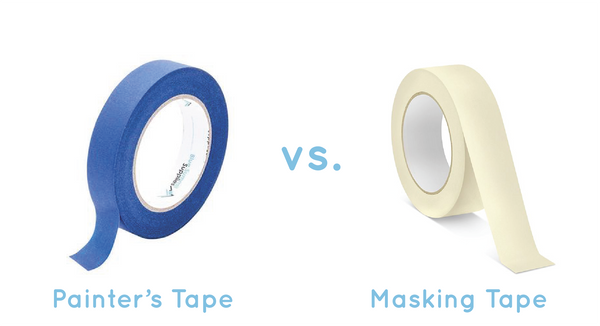
Painter’s tape resists bleed and removes cleanly; masking tape is cheaper but riskier. While comparing Masking Tape Vs Painters Tape, Masking tape has a stronger adhesive and is best for general purpose tasks or rougher surfaces, but it can leave residue or damage delicate surfaces when removed. Painters tape is designed specifically for painting — it has a gentler adhesive that prevents paint bleed and removes cleanly without damaging walls, trim, or finishes, making it the better choice for crisp paint lines and detailed work.
- Use Painter’s Tape (like ScotchBlue) for home improvement projects where you need crisp lines and 14+ day removal without surface damage.
- Use Masking Tape (like Scotch General Purpose) for labeling, bundling, or temporary hold-down tasks where precision and residue aren’t concerns.
If you’ve ever pulled tape and lifted paint with it, this guide is for you. I’ve tested both across rentals, trim jobs, and furniture flips. Below, I break down masking tape vs painters tape in plain English. You’ll learn when each shines, where each fails, and how to get pro-level edges without stress.
Masking tape vs painters tape: the key differences
The short version of masking tape vs painters tape is simple. Masking tape is general-purpose. Painter’s tape is made for painting. That design gap shows up in edge sharpness, residue, UV resistance, and clean removal windows.
Key takeaways for masking tape vs painters tape:
- Painter’s tape uses low-tack, paint-safe adhesive for clean removal.
- Masking tape uses stronger rubber adhesive that can leave residue.
- Painter’s tape resists paint bleed and sunlight better.
- Masking tape is cheaper and fine for quick, non-paint tasks.
In my work, masking tape vs painters tape is not a luxury choice. It’s insurance. When I’ve tried to “save a few bucks,” I paid in touch-ups and time.
Materials and adhesives explained
Most masking tape uses crepe paper and rubber-based adhesive. It sticks fast but ages poorly. It can dry out or bond too hard to paint.
Painter’s tape often uses a treated paper backing with acrylic or modified adhesives. It’s designed to release cleanly for a set window. Many boast 14, 21, or even 60 days of clean removal indoors.
What that means in practice:
- Masking tape: economical, good tack, limited UV resistance.
- Painter’s tape: stable tack, UV resistant, clean removal window.
Manufacturer data backs this. Typical painter’s tape has lower peel adhesion than masking tape, yet it holds long enough for a paint job. That lower peel is why it releases cleaner.
Can you paint over expanding foam? Check our guideline to reach a decision.
Surface compatibility and clean removal
When choosing masking tape vs painters tape, match the surface first. Fresh paint needs care. So do delicate finishes like lacquer, stained trim, or wallpaper.
Where painter’s tape excels:
- Recently painted walls after proper cure time.
- Trim, baseboards, and doors that need crisp lines.
- Delicate surfaces with specialty low-tack versions.
Where masking tape may be fine:
- Short, non-paint tasks like labeling or bundling.
- Quick clamps for glue-ups on wood (remove fast).
- Masking off during sanding, not painting.
I once used masking tape on a satin wall to save time. It left gummy residue and pulled a chunk of paint near a corner. Switched to a delicate-surface painter’s tape on the next room. Zero damage.
Edge quality and paint bleed
Bleed is the enemy of sharp lines. In masking tape vs painters tape tests, painter’s tape wins. It has tighter edges and, in some lines, gel barriers that react with latex paint to lock the edge.
Simple ways to avoid bleed:
- Press the edge down with a plastic card or putty knife.
- Use thin coats and brush away from the tape edge.
- Remove tape at a 45-degree angle while paint is slightly tacky.
Masking tape can work on rough surfaces, but expect more bleed. Painter’s tape gives cleaner, pro-looking edges with less effort.
Temperature, UV, and moisture resistance
This is where masking tape vs painters tape shows a big gap outdoors. Masking tape often fails in sunlight. It bakes on, tears, and leaves residue.
Painter’s tape advantages:
- UV resistance for days or weeks, depending on grade.
- Better humidity tolerance during long projects.
- Cleaner removal in warm rooms and sunny windows.
Numbers vary by product, but many painter’s tapes claim clean removal for 14 to 60 days indoors, and up to 7 to 21 days outdoors. General masking tapes are often rated for short indoor use and minimal sun.
Sizes, grades, and cost
Masking tape vs painters tape also differs in price. Painter’s tape costs more. The premium pays for clean removal, UV resistance, and line quality.
What to expect:
- Widths range from 0.7 to 2 inches for both.
- Painter’s tape comes in surface-specific grades, like delicate or multi-surface.
- Masking tape is cheaper per roll and easy to find in bulk.
For a whole room, the tape cost is small compared to paint, time, and fixes. I budget painter’s tape for walls and trim, and keep masking tape for shop tasks.
When to choose which: real-world use cases
Here’s how I decide on masking tape vs painters tape on jobs.
Choose painter’s tape when:
- You want sharp lines on walls, trim, or ceilings.
- You’re working on fresh paint that needs protection.
- You need long open times before removing tape.
Choose masking tape when:
- You’re labeling, bundling, or doing quick, dry tasks.
- You need a disposable shop helper for sanding or drilling.
- The tape will be on for minutes, not days.
If you’re painting a rental or a client’s home, painter’s tape is usually the right call. Less risk, cleaner results.
Application tips and mistakes to avoid
Great results come from simple habits. With masking tape vs painters tape, technique matters.
Do this:
- Clean the surface. Dust kills adhesion and edge quality.
- Apply slow and straight. Overlap edges slightly.
- Seal the edge with a light press.
- Remove at a 45-degree angle, slow and steady.
Avoid this:
- Leaving masking tape in the sun or for days on walls.
- Rushing and stretching tape, which causes lift and bleed.
- Painting thick, wet coats that flood the edge.
Pro tip: For ultra-sharp lines, brush a tiny amount of the base wall color along the tape edge, let it dry, then apply your finish color. This seals the edge.
How to test before a project
I always test tape before big jobs. It takes five minutes and can save hours.
Do a quick patch test:
- Pick a hidden spot on the same surface.
- Apply a 6-inch strip. Press lightly.
- Wait 30 to 60 minutes. Remove at a 45-degree angle.
- Check for lift, residue, or sheen change.
If you see risk, switch to a delicate-surface painter’s tape. This small test answers the masking tape vs painters tape question for your exact wall and paint.
Eco and safety considerations
With masking tape vs painters tape, think beyond the paint day. Adhesive residue means more cleaners and more work.
Simple steps:
- Choose low-VOC paints and work with good airflow.
- Remove tape within the recommended window to cut waste.
- Keep rolls sealed in a bag to extend life and reduce dry-out.
- Dispose of used tape with regular trash; keep it out of drains.
Cleaner removal and fewer touch-ups also means fewer materials used. That’s better for your budget and the planet.
Frequently Asked Questions of masking tape vs painters tape
Is painter’s tape worth the extra cost?
Yes. It saves time on touch-ups and prevents damage. For edges and clean removal, painter’s tape pays for itself.
Can I use masking tape for painting walls?
You can, but expect more bleed and residue. Painter’s tape gives cleaner lines and safer removal.
How long can I leave painter’s tape on the wall?
It depends on the grade. Many are safe for 14 to 60 days indoors; check the label.
Why did my tape pull off fresh paint?
The paint likely wasn’t fully cured, or the tape had high tack. Wait for cure times and use delicate-surface painter’s tape.
What’s the best tape for crisp lines on textured walls?
Use painter’s tape with edge-seal tech and burnish the edge. Apply light coats and remove at a 45-degree angle.
Conclusion
Masking tape vs painters tape comes down to risk and results. Masking tape is cheap and handy, but it can bleed and leave residue. Painter’s tape costs more, but it protects your paint job and your time. Choose based on surface, timeline, and finish quality.
Try a quick patch test before your next project. Use the right tape, press edges well, and pull at a 45-degree angle. Ready for sharper lines and less cleanup? Subscribe for more step-by-step paint tips or drop your questions in the comments.