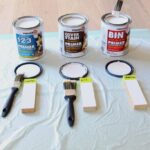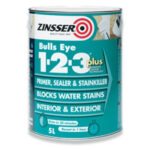
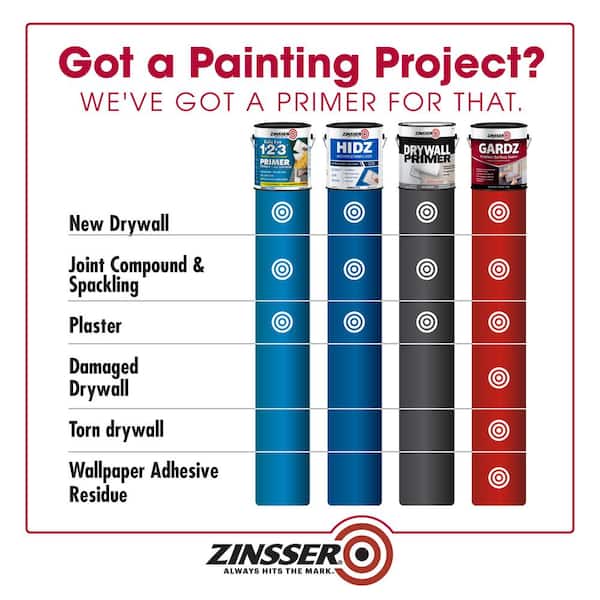
Zinsser 123 for regular priming jobs. Use Gardz first when the surface is soft, chalky, or porous to stabilise and seal it before applying a primer like 123 and topcoat paint.
Zinsser Gardz seals damaged, porous walls; Zinsser 123 primes, blocks stains, and bonds.
If you have torn drywall, dusting walls, or sticky paste, the choice between zinsser gardz vs 123 can save a job. I have used both for years on repairs, rentals, and new builds. Here, I break down zinsser gardz vs 123 with clear use cases, pro tips, and tested steps so you can pick the right one the first time.
Understanding zinsser gardz vs 123
Zinsser Gardz: What it is and when it shines
Gardz is a water-based problem surface sealer. It soaks into porous, chalky, or damaged surfaces and locks them down. Think torn drywall paper, ripped face paper after wallpaper removal, calcimine paint, or powdery joint compound. It dries clear and hard, turning a weak surface into a sound base for skim coat and paint.
Gardz is not a stain blocker. It does not bond well to glossy tile or hard plastics. Its job is to consolidate weak stuff and stop suction.
Can I use masking tape as painters tape?
Zinsser Bulls Eye 1-2-3: What it is and where it leads
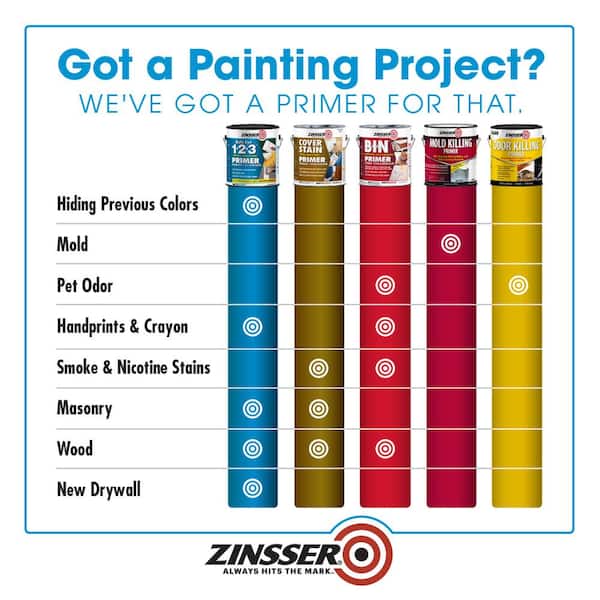
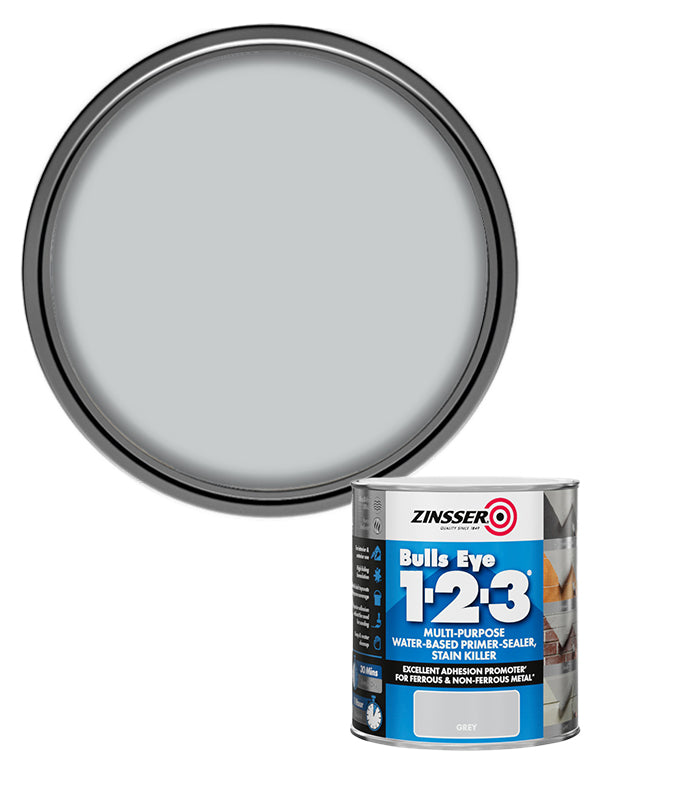
Bulls Eye 1-2-3 is a water-based bonding primer. It sticks to many surfaces, even lightly glossy ones, with little to no sanding. It blocks many light to medium stains and gives a uniform white base. It is great for painted trim, walls, masonry, and even hard-to-paint spots like vinyl shutters and PVC, when prepped right.
1-2-3 is not a deep-penetrating sealer for soft, chalky drywall. It sits on top and primes. For severe stains or tannin bleed, you may need a stronger blocker like shellac or an advanced stain primer.
In short, zinsser gardz vs 123 is a sealer vs primer choice. Gardz fixes the surface. 1-2-3 primes for paint.
When to use zinsser gardz vs 123
Use Gardz when:
- You removed wallpaper and have torn drywall paper or leftover paste. It locks the surface and glue, so they do not bubble.
- The wall is chalky or dusty, like old calcimine or powdery joint compound. It binds the dust and stops paint from peeling.
- You plan to skim coat. It keeps the drywall paper from blistering and makes the skim glide and bond.
Use 1-2-3 when:
- You need a general purpose primer before paint on sound walls or trim. It gives a tight, even base.
- You face light water stains, light smoke, or minor tannin. It helps block and hide.
- You need better adhesion on slick or glossy surfaces. It grips where standard paint may fail.
For many jobs, I use both. Gardz first to fix the wall, skim if needed, sand, then 1-2-3 to prime for topcoat. That combo is steady and safe.
Head-to-head performance comparison
Adhesion and bond:
- Gardz penetrates and hardens weak drywall paper and dusty mud. It is like turning a sponge into firm wood.
- 1-2-3 sticks to many surfaces, even scuffed glossy paint, PVC, and some metals. It is the better bonding primer.
Stain blocking:
- Gardz does not block stains. It is clear and not meant to hide.
- 1-2-3 blocks many light to medium stains. For heavy water marks, crayon, or smoke, step up to a stronger blocker.
Sealing and porosity control:
- Gardz is best for high suction or porous areas. It evens out the wall so paint dries uniform.
- 1-2-3 seals well for general use but does not fix crumbly or chalky walls like Gardz.
Dry time and recoat:
- Both dry fast and clean up with water. 1-2-3 often recoats sooner.
- Follow label for temp and humidity. Do not rush, or you will trap issues.
Finish and color:
- Gardz dries clear and cannot be tinted.
- 1-2-3 dries white and can be tinted toward off-whites or pastels.
Odor and VOC:
- Both are low odor and low VOC for most areas. Vent the room well.
Coverage:
- Both cover well per gallon. Rough, porous walls drink more. Gardz may soak in heavy on the first coat.
Interior and exterior:
- 1-2-3 works inside and outside.
- Gardz is mainly for interior problem walls and ceilings.
From real jobs, zinsser gardz vs 123 comes down to what the wall needs. Fix weak surfaces with Gardz. Prime for paint and block light stains with 1-2-3.
Does Zinsser Mold Killing Primer Block Stains?

Surface prep and application steps
Steps for Gardz on damaged drywall and paste residue
- Remove loose paper, paste chunks, and dust with a scraper and a damp sponge.
- Let the wall dry. Do not seal wet paste or you may get bubbles.
- Roll or brush Gardz liberally. Work it in. Thin areas get a second pass while still wet.
- Let it dry. The wall should feel hard and not chalky.
- Skim coat if needed. Sand, spot prime those skim areas with Gardz again if they fuzz.
- Once smooth, you can prime with 1-2-3 before paint for the best finish.
Steps for 1-2-3 on sound or slick surfaces
- Clean the surface with a degreaser. Rinse and dry.
- Scuff glossy paint or PVC with a fine abrasive. Wipe dust.
- Spot fix holes and cracks. Sand smooth.
- Apply 1-2-3 with a quality roller and brush. Aim for even coverage.
- Let it dry as directed. Check for bleed-through. Spot prime again if needed.
- Topcoat with your paint of choice.
Tool tips:
- Use a 3/8-inch roller for walls and 1/4-inch for doors and trim.
- For rough or thirsty walls with Gardz, a microfiber roller lays it down well.
Done right, this sequence makes zinsser gardz vs 123 a one-two punch that lasts.
Real-world examples, mistakes to avoid, and pro tips
Wallpaper removal rescue:
- I once stripped a 1990s vinyl paper. The drywall paper tore in sheets. One coat of Gardz stopped the fuzz. I skimmed two passes, hit it with Gardz on rough spots, then 1-2-3. The eggshell topcoat looked new.
Ceiling stains after a leak:
- If the drywall is sound, I clean, prime with 1-2-3, then check the stain. If it shows, I use a stronger blocker on that spot, then a full coat of 1-2-3. Paint blends clean.
Peeling in rentals:
- Chalky walls lead to peeling paint. Gardz first, then 1-2-3, stops callbacks. Tenants can clean the walls without lifting paint.
Mistakes to avoid:
- Do not use 1-2-3 to “glue down” torn drywall paper. It can bubble and fail.
- Do not skip cleaning. Primer is not a cleaner.
- Do not trap wet paste under primer. Let it dry.
Pro tips:
- When in doubt on zinsser gardz vs 123, test a small patch. Try tape pull after dry.
- For deep color topcoats, tint 1-2-3 toward the finish color.
- Seal before you skim. Prime for paint after you skim.
These small habits make zinsser gardz vs 123 work smarter, not harder.
Cost, compatibility, and availability
Price and coverage:
- Both are mid-range and easy to find at paint stores and big box shops. Coverage varies with surface. Plan extra for rough walls.
Topcoat compatibility:
- Both accept most latex and acrylic paints. 1-2-3 also sits well under many alkyd and waterborne enamels. Check labels for special cases.
Project planning:
- For a full room with wallpaper removal, I plan one gallon of Gardz for the walls and one gallon of 1-2-3 for the prime coat. Skim coat adds time but cuts paint use later.
In terms of value, zinsser gardz vs 123 is not either/or on many jobs. Use each where it wins and your finish will last longer.
Quick decision guide: zinsser gardz vs 123
Choose Gardz if:
- The wall is torn, chalky, or dusty.
- You removed wallpaper or have paste residue.
- You plan to skim coat.
Choose 1-2-3 if:
- You need a solid primer before paint on sound walls or trim.
- You need better adhesion on slick or glossy surfaces.
- You need light to medium stain blocking.
Smart combo:
- Gardz to fix the surface, then skim as needed, then 1-2-3 before paint. This flow is my go-to in repairs and rentals.
Keep this zinsser gardz vs 123 guide handy. A fast test spot often seals the deal.
Frequently Asked Questions of zinsser gardz vs 123
Can I use Zinsser 123 over Gardz?
Yes. Let Gardz dry fully, then apply 1-2-3 as your primer for paint. This gives you a sealed, stable base and an even white prime.
Does Gardz block water stains or nicotine?
No. Gardz is a sealer, not a stain blocker. Use 1-2-3 for light stains or a stronger stain blocker for heavy marks.
Can I paint directly over Gardz without another primer?
You can, but a coat of 1-2-3 improves color holdout and sheen uniformity. I still add 1-2-3 before finish paint for best results.
Is Zinsser 123 good on glossy surfaces without sanding?
It bonds well, but a quick scuff always helps. Clean, scuff, then 1-2-3 for a safer grip.
Is Gardz only for drywall?
It is made for porous and damaged surfaces, especially drywall and calcimine. It can also help on chalky plaster and old joint compound.
Can I tint Zinsser 123?
Yes, to light or pastel shades. Do not tint Gardz since it dries clear.
Is zinsser gardz vs 123 okay for bathrooms?
1-2-3 is fine and has a mildew-resistant film. Use Gardz first only if the wall is damaged or chalky.
Conclusion
Pick the product that solves the real problem, not just the symptom. For weak or torn walls, Gardz is your fix. For bonding and light stain blocking, 1-2-3 is your base. On many jobs, the best answer to zinsser gardz vs 123 is to use both in the right order.
Try the simple plan on your next wall: Gardz to stabilize, skim if needed, 1-2-3 to prime, then paint. Your finish will look better, last longer, and clean easier. Have a question or a tricky surface? Drop a comment, subscribe for more pro guides, and take the guesswork out of your next job.