
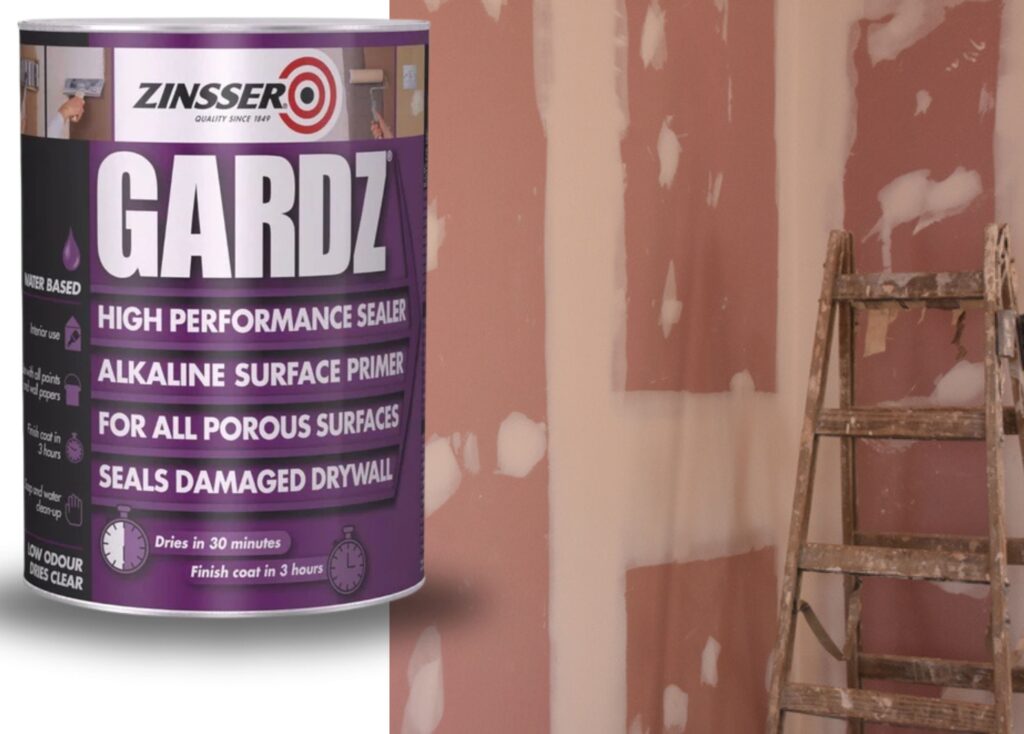
Zinsser Gardz is a clear sealer that stabilizes damaged drywall and porous walls.
Zinsser Gardz is used to seal and stabilize damaged or porous interior surfaces before painting. It penetrates and binds chalky drywall, torn drywall paper, skim coats, joint compound, and old wallpaper adhesive, creating a solid, paint-ready surface. Gardz prevents bubbling, peeling, and uneven paint absorption caused by weak or powdery substrates. It’s commonly applied before priming or painting to ensure proper adhesion and a smooth, long-lasting finish.
If you’ve ever peeled wallpaper and torn the paper face, or battled chalky walls that swallow paint, you’ve met the exact problem this product solves. In this guide, I’ll answer what is zinsser gardz used for in plain language, backed by hands-on tips and expert know‑how. You’ll learn where it shines, where it doesn’t, and how to apply it for pro results.
What Zinsser Gardz Is and How It Works
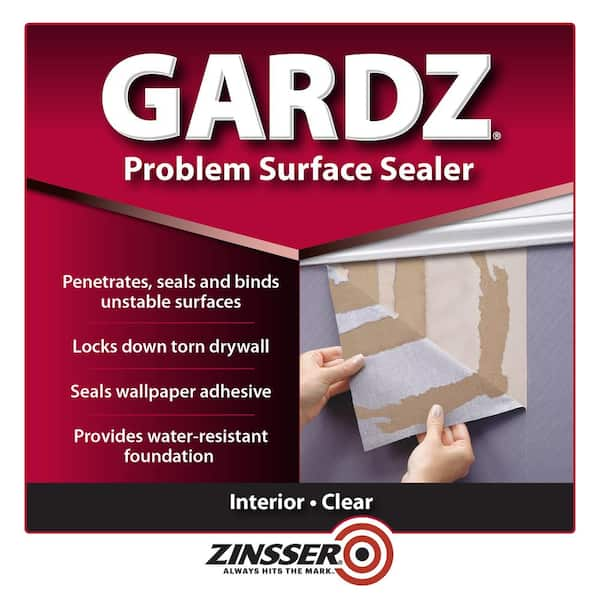
Zinsser Gardz is a water-based, clear, penetrating sealer for problem surfaces. It soaks in, hardens soft paper and porous areas, and locks down chalky dust. Once dry, it forms a tough, moisture-resistant film that stays breathable.
If you’re asking what is zinsser gardz used for, think of it as a surface fixer, not a stain blocker. It prepares weak substrates so paint, joint compound, or wallpaper paste can bond well. It also helps prevent bubbles when you skim coat over torn drywall paper.
Zinsser Gardz vs 123 – Surface Prep, Stain Blocking & Best Uses Compared
I’ve used it after wallpaper removal, on water-damaged drywall (after drying), and over calcimine paint. It saved hours by stopping fuzzing and sealing pores in one step. When readers ask what is zinsser gardz used for, I say it is the step between damage and a flawless topcoat.
Stop struggling with stubborn tannins or smoke stains bleeding through your topcoat; find the best Zinsser primer for wood to seal the surface permanently. One coat of the right formula ensures your finish stays pristine without those frustrating yellow spots showing up weeks later.
Core Uses and When to Choose It
Use Gardz when the surface is porous, chalky, or fragile. Here is where it excels.
- Torn drywall paper after wallpaper removal It hardens the paper so skim coat glides on.
- Chalky or powdery walls Locks down dust so paint and joint compound stick.
- Builder’s flat or poor-quality flat paint Reduces porosity and improves paint sheen uniformity.
- Calcimine or old glue-based paints Binds the surface after as much washing as you can manage.
- Residual wallpaper paste Helps stabilize and seal after clean-up and drying.
- Skim coat prep Prevents compound from re-wetting paper and causing blisters.
- Patches and joint compound Seals varying porosity so finish coats flash less.
- Water-damaged drywall (dry and sound only) Re-bonds paper fibers and limits future peeling.
People often search what is zinsser gardz used for when a wall acts like a sponge or sheds dust. That is your cue to reach for Gardz. If your surface is glossy, oily, or stained, Gardz is not the right first step.
A quick rule I use when deciding what is zinsser gardz used for is simple: if it’s soft, dusty, or thirsty, Gardz it.
Step-by-Step: How to Apply Zinsser Gardz Like a Pro
Good prep makes Gardz shine. Keep the steps simple.
- Tools Soft brush, 3/8-inch roller cover, cut-in brush, or airless sprayer with fine tip.
- Clean Remove dust, loose paper, and any flaking material. Wash off wallpaper paste as much as possible. Let walls dry fully.
- Repair Cut away blisters. Feather edges with light sanding. Vacuum dust.
- Apply Gardz Roll a uniform, wet coat. Back-brush into edges and repairs. Do not let it puddle. It will look shiny when wet and dry clear.
- Dry time Usually touch-dry in 30–60 minutes. Recoat or skim in about 3 hours. Full cure takes longer.
- Coverage Plan for about 300–500 sq ft per gallon, less on very porous areas.
- Next steps Skim, sand lightly, then you can apply another thin coat of Gardz to lock down the dust. Finish with your chosen primer or paint system as needed.
Tip from the field If torn paper lifts while you roll, stop and spot-prime those areas first. Let them harden, then continue. This avoids chasing bubbles.
Real-World Scenarios and Lessons Learned
Here are common cases where Gardz has saved a project for me.
- After wallpaper removal I wash, let dry overnight, then apply Gardz. Skim coat sticks like a dream. No fuzzing. No bubbles.
- Chalky rentals A quick wash, dry time, then Gardz. Tenants stop calling about paint dusting off when they clean.
- Patchwork walls New compound patches can flash through paint. Gardz evens the porosity so the finish coat looks uniform.
Mistakes to avoid
- Skipping dry time Damp walls trap issues. Let them dry fully.
- Treating it as a stain blocker Water or nicotine stains can bleed through later. Use a proper stain-blocking primer over Gardz if needed.
- Over-rolling Keep a wet edge. Do not scrub the surface; you can disturb soft paper.
When clients ask what is zinsser gardz used for, I show them a torn-paper test spot. One coat, and the paper feels like it grew armor.

Gardz vs Other Primers: What to Use When
Choosing the right product matters. Here is a simple map.
- Gardz For porous, chalky, or torn drywall paper. Clear, penetrating, hardening action.
- Peel-bonding primers For marginally sound peeling paint on wood or masonry. These aim to glue edges down.
- General-purpose primers For clean, sound drywall or previously painted walls that need tooth.
- Shellac or heavy-duty stain blockers For severe stains, tannins, smoke, or odors.
If your main question is what is zinsser gardz used for, the answer is not “everything.” It is a specialist for weak, porous, paper-faced surfaces. Pair it with the right finishing primer or paint for best results.

Compatibility, Safety, and Limitations
Compatibility
- Topcoats Most water-based or oil-based paints adhere well over Gardz.
- Compounds Skim coats, joint compound, and spackle bond firmly.
- Wallcoverings Wallpaper paste adheres well once Gardz is dry.
Safety and limits
- Interior use It is designed mainly for interior surfaces.
- Not a mold treatment Clean, disinfect, and dry first. Then seal.
- Not for glossy or oily surfaces Clean and degloss first.
- Not a rust or tannin blocker Use a dedicated primer for those.
When clients ask what is zinsser gardz used for, I stress that it is about surface stability and porosity control. It is not a cure-all for stains or active moisture problems.

Cost, Coverage, and Planning Your Project
A little planning improves results and budget.
- Estimating coverage Expect 300–500 sq ft per gallon depending on porosity.
- Number of coats One coat is common. Spot a second coat on very thirsty areas.
- Workflow Plan for dry time before skim coating and before primer or paint.
- Cleanup Water and soap clean tools fast. Ventilate and protect floors.
If you’re mapping out what is zinsser gardz used for in your project plan, target the weakest areas first. Seal them, then blend everything with your finish system.
Frequently Asked Questions About What Is Zinsser Gardz Used For
Is Gardz a primer or a sealer?
It is a clear penetrating sealer designed for problem surfaces. You can treat it like a specialized primer step before skim coating, wallpapering, or painting.
Will Gardz stop stains from bleeding through paint?
No. It is not a stain blocker. If you have water, smoke, or marker stains, apply a stain-blocking primer over Gardz before painting.
Can I use Gardz on exterior surfaces?
It is mainly for interior use. For exterior peeling or chalky paint, use an exterior-rated bonding or masonry primer.
Do I need Gardz after removing wallpaper?
Often yes, especially if the drywall paper tore or the wall feels chalky. It helps lock down residual paste and hardens the paper before skim coating or painting.
How long should I wait before skim coating over Gardz?
Allow roughly 3 hours under normal conditions. Cool, humid rooms may need more time; verify that it feels hard and dry to the touch.
Is Gardz safe over mold-treated areas?
Do not seal active mold. Clean and treat the area, dry it fully, then use Gardz to stabilize the surface if it is sound.
Can I paint directly over Gardz without another primer?
You can, but results vary by paint and surface. For best sheen and coverage, many pros skim or apply a dedicated primer over Gardz first.
What roller nap should I use with Gardz?
A 3/8-inch nap works for most walls. Use a brush to work it into edges, torn paper, and repairs.
Will Gardz change the color of my wall?
It dries clear. It can deepen the look of paper or chalk slightly when wet, but it cures to a transparent film.
Does Gardz help with hairline cracks?
It will not bridge structural cracks. It can stabilize the surface, but you still need proper crack repair before sealing.
Conclusion
Zinsser Gardz is the go-to fix when walls are weak, dusty, or torn. It hardens soft drywall paper, tames chalk, and sets the stage for smooth skim coats and even paint. If you’ve ever wondered what is zinsser gardz used for, the answer is simple: it stabilizes problem surfaces so everything you do next looks better and lasts longer.
Ready to try it on your own project? Start with a small test area, follow the steps above, and build from there. Have questions or tips to share? Drop a comment, subscribe for more practical guides, and keep learning smarter ways to prep and paint.
Related posts:
 Best Zinsser Primer for Wood (2026) – Top Picks for Sealing & Stain Blocking
 Can You Paint Over Zinsser Gardz? (2026) – Yes, Here’s How to Do It,Mistakes to Avoid
 Zinsser Gardz vs 123 – Surface Prep, Stain Blocking & Best Uses Compared
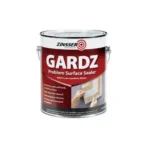 Is Zinsser Gardz a Primer? – Sealer, Primer, or Special Treatment, Pro Advice?