How to Paint Varnished Wood Successfully?
To paint varnished wood successfully, you must properly prepare the surface so the paint can adhere. Start by cleaning the wood to remove grease and dirt, then lightly sand the varnish to dull the glossy finish. Apply a high-quality bonding primer before painting with your chosen topcoat. Proper preparation and drying time between steps ensure a smooth, long-lasting paint finish.
The best paint for varnished wood is a waterborne alkyd or urethane-fortified acrylic enamel over a quality bonding primer.
Which Zinsser Primer to Use on Varnished Wood (2026) – Pro Tips for Smooth, Long‑Lasting Paint
If you want a smooth, durable finish that sticks to glossy varnish without peeling, you’re in the right place. I’ve refinished dozens of trims, cabinets, and vintage furniture, and I’ll show you how to choose the best paint for varnished wood, why primer matters, and the exact prep that makes a pro finish last.
How Paint Bonds to Varnish: The Adhesion Basics
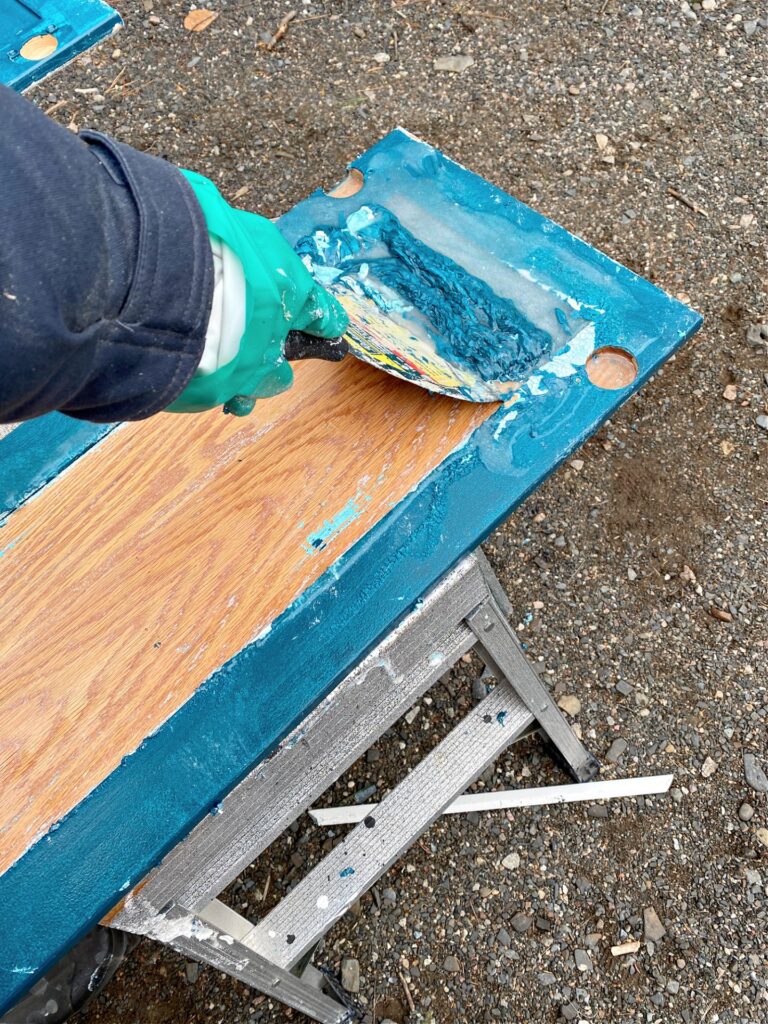
Varnish is slick and hard. That’s great for protection, but tough for paint to grip. Paint needs a surface it can bite into and a primer that locks on.
Here’s what matters most:
- Mechanical bond. Light sanding breaks the gloss. It gives paint micro-tooth.
- Chemical bond. A bonding primer fuses to varnish. This prevents early peeling.
- Film strength. The topcoat must be flexible and hard. Trim and cabinet enamels shine here.
When I skip primer and rely on “paint and primer in one,” failures show in weeks. A scratch test often lifts paint at the edges. With bonding primer, adhesion passes cross-hatch tape tests with no flaking. That is how you protect your time and money when picking the best paint for varnished wood.

The Best Paint for Varnished Wood: Types and Where They Shine
You have several excellent options. The best paint for varnished wood depends on use, sheen, and traffic.
Top choices I use on real jobs:
- Waterborne alkyd enamel. Levels like oil, cures hard, cleans with water. Ideal for doors, trim, cabinets.
- Urethane-fortified acrylic enamel. Great block resistance and durability. Good for furniture and kids’ rooms.
- 100% acrylic exterior paint. Use on doors, fascia, and exterior trim. Flexible in weather.
- Porch and floor enamel. For stair treads or floors. Tough film and scuff resistance.
- Two-part coatings (advanced). For commercial wear. Overkill at home unless on heavy-use tops.
Sheen tips:
- Satin or semi-gloss. Best balance of cleanability and flaw masking.
- High gloss. Shows every dent. Only if your prep is perfect.
The best paint for varnished wood almost always falls into waterborne alkyd or urethane acrylic enamel. They cure faster than oil and yellow less. They also pass real-world wipe tests with common cleaners.
Primer Is the Secret Weapon
You can pick the best paint for varnished wood and still fail without primer. Bonding primer is non-negotiable on varnish.
Primer picks that work:
- Shellac-based bonding primer. Sticks to glossy finishes, blocks tannin and odors, sands like chalk.
- Water-based bonding primer. Low odor, strong grip, good for most interiors. Great under enamels.
- Specialty adhesion primer. For dense, slick, or exotic wood surfaces.
When to choose shellac primer:
- Heavy tannin woods like mahogany or cedar.
- Smoke or musty odors.
- Unknown old finishes that bleed through.
When to choose water-based bonding primer:
- Most trim and cabinets.
- Low odor needs and quick recoat windows.
- You want easy cleanup and less fumes.
Pro tip: Do a tape test after primer cures overnight. If primer peels, sand more and switch to shellac-based. This step saves the finish.

Step-by-Step Prep That Makes Paint Stick
Follow this flow every time. It is simple and fast once you know it.
- Clean
- Wash with a degreaser or TSP substitute. Rinse well. Let dry.
- Scuff sand
- Sand with 180–220 grit. You are dulling the gloss, not removing all varnish.
- Dust control
- Vacuum with a brush head. Wipe with a damp microfiber. Allow to dry.
- Degloss (optional but helpful)
- Wipe on a liquid deglosser. Follow label time. This improves bonding.
- Prime
- Roll or brush bonding primer. Aim for thin, even coats. Let it cure as directed.
- Fix and smooth
- Fill dents with wood filler. Caulk joints. Spot-prime repairs. Light sand at 320 grit.
- Paint
- Apply two thin coats of your chosen enamel. Allow proper dry times.
- Cure and care
- Avoid heavy use for 5–7 days as the paint hardens.
I used this system on a varnished oak vanity that saw steam and splashes. Two years later, the finish still looks fresh. That is the power of pairing prep with the best paint for varnished wood.
Application Methods and Pro Tips
Getting a glassy finish is a mix of tools, timing, and patience.
Tools that help:
- High-end synthetic brush for enamel. Tapered bristles lay paint smooth.
- Mini foam or microfiber rollers. They reduce orange peel.
- HVLP sprayer for doors and cabinets. Mask well, and thin per the label.
Technique:
- Work in thin coats. Heavy coats sag and dry slow.
- Keep a wet edge. Paint into the last stroke before it dries.
- Tip off. Light brush strokes at the end level the film.
- Sand between coats at 320–400 grit. Wipe dust. The final coat will look factory-made.
If you want the best paint for varnished wood to look seamless, control dust and light. I set a bright side light to catch sags and misses as I work.
Product Picks I Trust
I do not believe in one “magic” can. The best paint for varnished wood is a system. Still, here are reliable categories and what they solve.
For primer:
- Shellac-based bonding primer. Maximum grip and stain block.
- Water-based bonding primer. Great all-rounder with low odor.
For topcoats:
- Waterborne alkyd cabinet and trim enamel. Hard, smooth, minimal yellowing.
- Urethane-fortified acrylic enamel. Strong block resistance for windows and doors.
- 100% acrylic exterior trim paint. Flexible and colorfast outside.
- Floor enamel for treads. Handles scrapes and sneakers.
Budget and timelines:
- If time is tight, use fast-dry primers and enamels. Recoat in one to two hours.
- If smell is an issue, water-based options are better. Ventilate anyway.
I’ve repainted rental trim with waterborne alkyd over shellac primer. It cut callbacks and cleaning time. Classic case where the best paint for varnished wood saved labor later.
Troubleshooting: Fixes for Common Problems
Even good jobs hit snags. Here is how to respond fast.
Peeling or poor adhesion:
- Stop and scrape loose areas. Sand to feather edges.
- Spot-prime with shellac-based primer. Recoat with enamel.
Tannin or yellow bleed:
- Switch to shellac primer. Two coats if needed.
- Use lighter colors with stain blockers built in.
Brush marks or orange peel:
- Add a paint conditioner approved by the brand.
- Use a finer roller sleeve or tip off with a brush.
- Sand lightly and recoat thin.
Blocking (surfaces stick together):
- Allow longer cure time. Many enamels need days to harden.
- Urethane-fortified or alkyd hybrids block better than basic acrylics.
When you choose the best paint for varnished wood and respect dry times, these issues drop a lot.
Durability, Cleaning, and Maintenance
The finish should survive life: shoes, toys, and weekly cleaning.
Expectations:
- Touch-dry in hours. Handle in a day. Full cure in 7–30 days.
- Harder films resist scuffs. Flexibility prevents cracking at joints.
Care:
- Clean with mild soap and water. Avoid harsh scrub pads.
- Use felt pads under decor or lamps on painted tops.
- For touch-ups, keep some well-sealed paint from the same batch.
I test durability by cleaning a hidden patch with a magic eraser. If color holds and no burnish marks show, the system qualifies as the best paint for varnished wood in that space.
Cost, Time, and Safety
Good prep costs time, not much money.
What to budget:
- Primer and enamel. Expect higher price for cabinet-grade enamel.
- Sandpaper, filler, caulk, and quality brushes or rollers.
Time plan for a door and trim set:
- Day 1: Clean, sand, prime.
- Day 2: Sand, first coat.
- Day 3: Sand, final coat. Rehang hardware.
Safety and health:
- Ventilate well. Use a respirator when sanding or spraying.
- If the home is older, test for lead in old layers. Use safe work methods.
- Keep rags flat to dry. Oil products can self-heat. Follow disposal rules.
Smart choices make your project smooth. The best paint for varnished wood delivers value when paired with safe prep and enough cure time.
Frequently Asked Questions of best paint for varnished wood
Do I need to sand varnished wood before painting?
Yes, at least a light scuff sand is vital. It dulls the gloss and helps primer grip the surface.
Can I paint over varnish without primer?
You can, but it often peels. A bonding primer is the key to long-term adhesion and fewer touch-ups.
What is the best paint for varnished wood in kitchens?
Use a waterborne alkyd or urethane-fortified acrylic enamel. Both resist stains, clean well, and cure to a hard film.
How many coats of paint should I apply?
Two thin coats over one solid primer coat is the norm. More thin coats beat one thick coat every time.
How long should I wait between coats?
Follow the label, but two to four hours is common for water-based products. Allow longer if humidity is high or it feels tacky.
Conclusion
You can get a durable, high-end finish over varnish with the right system. Clean, sand, bond with the right primer, and finish with a quality enamel. That is how you make the best paint for varnished wood perform its best.
Pick one project this week. Gather tools, plan your steps, and start small. If this guide helped, subscribe for more paint tips or drop your questions in the comments.