Can You Paint Over Painted Wood?
Yes, you can paint over painted wood as long as the surface is properly prepared. The existing paint should be clean, dry, and firmly attached, with any peeling or flaking areas removed. Light sanding helps the new paint adhere better, and applying a primer is recommended if the surface is glossy or stained. Proper preparation ensures a smooth, long-lasting finish.
Don’t risk gouging or damaging vintage grain with heavy sanding; the best paint stripper for wood gently lifts decades of paint while preserving the wood’s integrity.
Yes, you can paint over painted wood if the surface is sound and prepped.
If you have a dresser, trim, or cabinets with an old finish, you can get a smooth, lasting update without stripping to bare wood. I’ve repainted countless pieces in both homes and shops. In this guide, I’ll show you how can you paint over painted wood the right way, with steps, tools, and pro tips that work in real life. Read on to avoid peeling, stains, and wasted weekends.
Stop struggling with messy chemicals and endless sanding; finding the best heat gun for removing paint from wood can turn an all-day chore into a satisfying, minutes-long project.
What to check before you start
Before you ask can you paint over painted wood, check the current finish. If it peels, flakes, or chips, fix that first. If it is glossy, plan to degloss or scuff sand. If it is sticky or soft, it may not be cured. Wait or strip it.
Do a quick adhesion test. Clean a small spot, scuff it, prime it, and paint it. Let it dry a day. Try to scratch with a coin. Good paint should resist light pressure.
Be alert for stain bleed and odors. Dark woods like mahogany can bleed through light paint. Water rings and smoke smells can also bleed. Use a stain-blocking primer if needed.
If the home is older than 1978, lead paint may be present. Do not dry sand unknown layers. Use a test kit or call a pro.
Tired of paint peeling off your old furniture? Using the best paint for varnished wood creates a permanent bond that stands up to daily wear and tear.
Tools and materials you’ll need
- Cleaner Use a degreaser like TSP substitute or mild soap.
- Sanding gear Use 120–220 grit, sanding block, or a random orbit sander.
- Deglosser Use a liquid deglosser if you want a low-dust option.
- Filler and caulk Use wood filler for dents and paintable caulk for gaps.
- Tack cloths and rags Use lint-free cloths to control dust.
- Primer Use bonding primer for glossy paint and stain-blocking primer for bleed.
- Paint Use quality acrylic latex, alkyd enamel, or cabinet-grade paint.
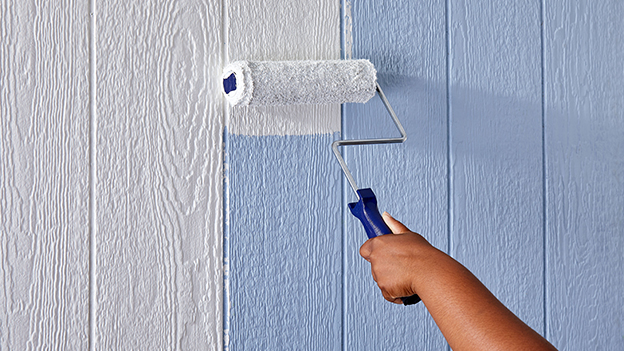
- Brushes and rollers Use a high-quality synthetic brush and a foam or microfiber roller.
- Safety gear Use gloves, mask, and eye protection.
Best Budget Moisture Meter (2026) – Accurate & Affordable for Home, Wood, and Construction
Step-by-step: How to paint over painted wood
Can you paint over painted wood and get pro results? Yes, with clean prep and the right primer. Follow this simple flow.
- Clean
Remove grease, wax, and dust. Rinse well and let it dry. - Scuff sand or degloss
Use 120–180 grit for a light scuff. Aim for a dull, even surface. Or use liquid deglosser for trim and cabinets. - Repair
Fill dents and holes. Sand smooth. Caulk gaps at joints and trim edges. - Dust off
Vacuum and wipe with a damp cloth or tack cloth. Any dust left will cause bumps. - Prime
Use bonding primer on glossy paint. Use stain-blocking primer if you see knots, water marks, or tan bleed. Spot prime fixes or prime the whole piece for best hold. - Paint
Apply thin coats. Use a brush for edges and a foam or microfiber roller for flats. Keep a wet edge. Let each coat dry fully. - Sand between coats
Lightly scuff with 220–320 grit for a smooth feel. Wipe clean. - Add a second or third coat
Thin coats last longer than one thick coat. - Cure
Dry-to-touch is not cured. Many paints need 7–30 days to fully cure. Be gentle during this time.
Pro note from my bench: I once tried to skip primer on a glossy vanity. The paint looked fine for a week, then peeled in sheets. Bonding primer fixed it on the redo.
Choosing the right primer and paint
Can you paint over painted wood without primer? You can, but you may regret it. Primer grips the old finish and stops stains.
- Bonding primer Best for glossy or slick paint, like semi-gloss trim or old oil-based.
- Stain-blocking primer Best for knots, smoke, water marks, and old odors.
- Shellac-based primer Best for severe bleed or odors; dries fast but has strong fumes.
- Water-based bonding primer Low odor and easy to clean; great for most jobs.
Paint choices:
- 100% acrylic latex Good for trim, furniture, and doors. Low odor and durable.
- Waterborne alkyd enamel Levels smooth like oil but cleans with water.
- Oil-based Durable and hard, but higher odor and longer dry time.
- Chalk or mineral paint Easy to work and touch up. Needs a sealer in high-wear areas.
Rule of thumb: If you do not know the old paint type, prime with a bonding primer. Then you can use acrylic latex or waterborne alkyd over it. That is the safest path when you ask can you paint over painted wood.
Common problems and how to fix them
- Peeling or chipping Cause Poor adhesion on glossy or dirty paint. Fix Clean well, scuff sand, and use bonding primer.
- Tannin bleed or yellowing Cause Wood extractives or water stains. Fix Use stain-blocking primer or shellac-based primer.
- Brush marks Cause Thick paint or poor brush. Fix Add a tiny bit of water or conditioner as allowed by the label, and use a quality brush.
- Orange peel or roller texture Cause Thick coats or wrong roller nap. Fix Use thinner coats and the right roller.
- Fisheyes or craters Cause Contamination like silicone or oil. Fix Clean with a strong degreaser and prime with shellac-based primer.
- Blocking or sticking doors Cause Paint not cured. Fix Give it time, use wax on edges, or switch to a harder enamel next time.
I once painted kitchen doors in a humid week. They felt dry, but they stuck when closed. A small fan, low humidity, and time to cure solved it. Now I always plan for cure time.
Finish, sheen, and durability
Sheen matters as much as color. Ask can you paint over painted wood and make it tougher? Yes. Pick the right finish.
- Flat or matte Hides flaws but scuffs fast. Good for low-touch pieces.
- Eggshell or satin Easy to clean and still hides some flaws. Great for furniture.
- Semi-gloss Durable and scrubbable. Best for trim, doors, and cabinets.
- Gloss Very durable but shows surface defects.
Topcoats can help on high-wear pieces. A water-based polyurethane over cured paint adds a harder shell. Test in a small spot first to check clarity and bond.
Time, cost, and planning
Can you paint over painted wood in a weekend? Many small jobs can be done in two days. Large projects need more time.
- Time Prep 1–3 hours. Priming and first coat 2–4 hours with dry time. Second coat 1–2 hours. Cure 7–30 days.
- Cost Tools and supplies for a dresser can be $40–$120. Cabinets cost more.
- Space Work in a clean, dry, well-lit area. Keep dust down.
- Weather Aim for 50–85°F and low humidity to speed dry and cure.
Plan your steps around dry times. Thin coats save time in the long run. That is a key lesson when you ask can you paint over painted wood and still keep your weekend.
Safety, cleanup, and eco tips
- Ventilation Keep windows open and use a fan to move fresh air.
- PPE Wear a mask, gloves, and eye protection when sanding or using primer.
- Lead safety Test old paint before sanding. Use wet sanding or a deglosser to reduce dust.
- Low-VOC Choose low-odor, low-VOC primers and paints when you can.
- Cleanup Clean brushes right away. Let rags dry flat to prevent fires. Dispose of waste by local rules.
These steps protect your home and your lungs. They also help your finish last longer.

Real-world examples and lessons learned
- Trim refresh I repainted semi-gloss trim without sanding once. It peeled near door handles. Now I always scuff and use a bonding primer on high-touch trim.
- Vintage dresser I sealed a mahogany dresser with shellac primer first. No bleed came through a white satin finish, even a year later.
- Tabletop fix A kitchen table had rings after a week. The paint was not cured. I switched to a waterborne alkyd and gave it a week. It held up great.
Small choices stack up. When people ask can you paint over painted wood and get pro results, the answer is yes, if you respect prep, primer, and cure.
Frequently Asked Questions of can you paint over painted wood
Can you paint over painted wood without sanding?
Yes, if you clean well and use a strong bonding primer. Still, a light scuff improves adhesion and smoothness.
How do I tell if the old paint is oil or latex?
Rub a spot with alcohol on a rag. If color comes off, it is likely latex; if not, it may be oil. When unsure, use a bonding primer to be safe.
What primer should I use to paint over painted wood?
Use a bonding primer on glossy or unknown finishes. Use a stain-blocking or shellac primer if you have knots, water marks, or bleed.
Can I use latex paint over oil-based paint?
Yes, but only after cleaning, scuff sanding, and using a bonding primer. Without primer, latex over oil can peel.
How many coats do I need when I paint over painted wood?
Plan on one coat of primer and two coats of paint. Dark colors or heavy wear items may need a third coat.
How long should I wait between coats?
Most primers and paints need 2–4 hours, but check the label. Cooler or humid rooms need more time.
Do I need a topcoat over painted wood?
Not always. For tables, cabinets, or kids’ furniture, a clear water-based topcoat can add durability.
Conclusion
You asked can you paint over painted wood, and the answer is a clear yes. Clean well, scuff or degloss, prime with the right product, and use thin, even coats. Give the paint time to cure, and your finish will last.
Pick one piece this week and follow the steps. You will learn fast and see a big upgrade. Want more tips and tool guides? Subscribe, share your project in the comments, and tell me what you plan to paint next.