
How To Remove Lead Paint Safely From Wood?
To remove lead paint safely from wood, use lead-safe methods that minimize dust and exposure, such as chemical paint strippers or wet scraping rather than sanding or dry scraping. Always wear proper protective gear, including gloves, goggles, and a respirator rated for lead dust, and seal off the work area with plastic sheeting to prevent contamination. Avoid heat guns above recommended temperatures, as they can release toxic lead fumes. Proper cleanup, disposal according to local regulations, and thorough handwashing are essential to protect your health and prevent lead exposure.
If you’re dealing with five layers of old lead paint or stubborn lacquer, the best paint stripper for wood will penetrate deep to peel them all back in one go.
Wear proper PPE, contain dust, use wet or chemical methods, and HEPA-clean.
If you want to know how to remove lead paint safely from wood, you are in the right place. I’ve guided homeowners and crews through this work for years. This guide explains how to remove lead paint safely from wood step by step, with simple methods you can use, backed by best practices and real-world lessons.
Why lead paint on wood is dangerous
Lead dust is the real hazard. It is tiny, invisible, and easy to spread. It can harm kids, adults, and pets even in small amounts. Knowing how to remove lead paint safely from wood keeps your family and home protected.
House dust can carry lead for months if cleanup is poor. Airflow from an open window can spread dust across rooms. Plan for control, not speed, and you will reduce risk.
Know the rules and when to hire a pro
Laws may require certified pros for certain jobs, units, or square footage. In the US, homes built before 1978 fall under strict rules. Some methods and tools need special licenses. Check your local code before you start.
Consider hiring a certified contractor if the area is large or complex. Stairs, windows, and ornate trim are slow and dusty to handle. If you are not sure how to remove lead paint safely from wood at scale, bring in help.
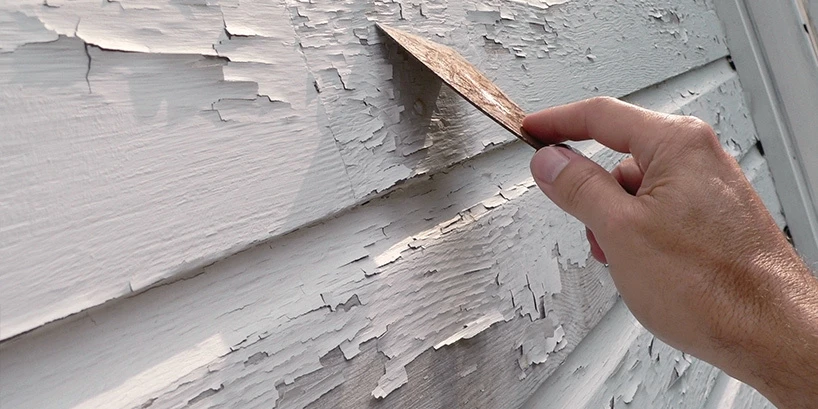
Tools and materials you need
Good gear makes the job safer and faster. Set up a clean, contained work zone. Keep kids and pets away until you pass final cleanup.
Essentials:
- PPE: Use a P100 respirator, safety glasses, and disposable coveralls.
- Containment: Use plastic sheeting, painter’s tape, and zip door barriers.
- Dust control: Use a HEPA shop vacuum with brush and crevice tools.
- Wet work: Use spray bottles, clean water, and disposable rags.
- Strippers: Use a DCM-free chemical stripper rated for lead and wood.
- Tools: Use scrapers, pull scrapers, and plastic putty knives.
- Waste: Use heavy-duty bags, ties, and a marker for labeling.
I keep a second set of cheap shoes for the work zone. It prevents tracking dust through the home. Small habits help when you learn how to remove lead paint safely from wood.

Test first and plan the job
Start with testing so you know what you are dealing with. Use a recognized test kit on each surface. For large projects, consider a professional XRF scan.
Plan your workflow from clean areas to dirty areas. Map your entry and exit path. Write down how you will contain dust and where you will bag waste. If you respect this step, how to remove lead paint safely from wood becomes much easier.
Safe removal methods: wet scraping and controlled sanding
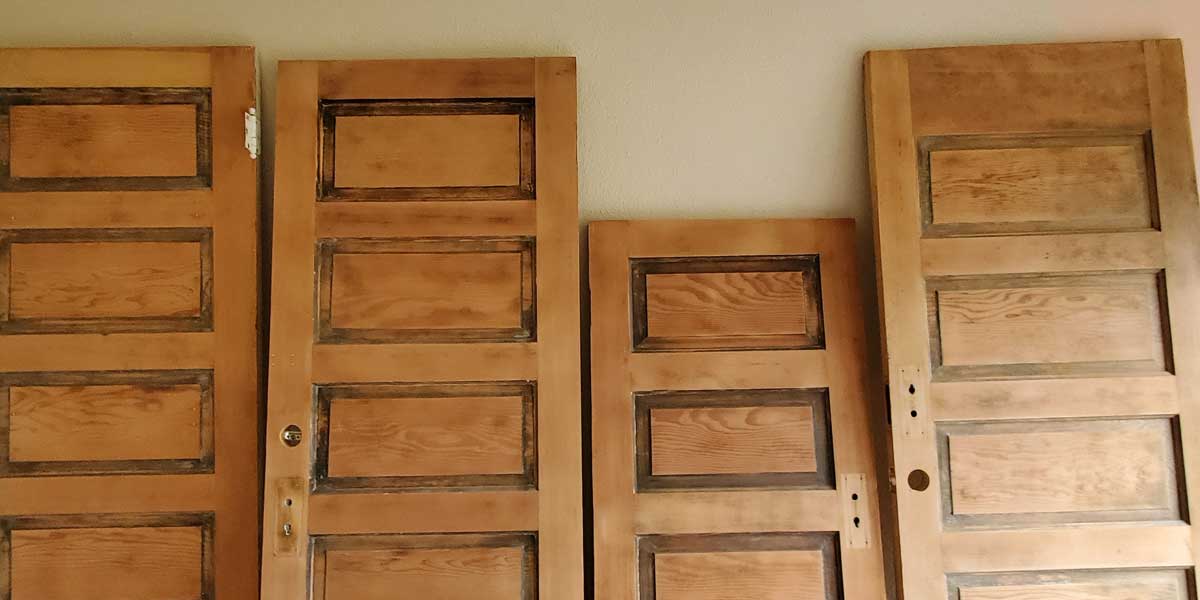
Wet methods reduce dust a lot. Keep paint damp, not soaked. Work in small sections. Expect steady progress, not speed.
Try this sequence:
- Mist the surface with water to keep dust down.
- Use a sharp pull scraper to lift loose paint along the grain.
- Vacuum often with a HEPA unit as you go.
- Lightly feather edges only with a HEPA-attached sander if your rules allow.
- Wipe with damp rags and re-vacuum.
Do not dry sand. Limit power sanding to tools with HEPA vacs. Keep pressure light to protect the wood. Follow this path if you want to know how to remove lead paint safely from wood while keeping dust under control.
Safe removal methods: chemical strippers for wood
Chemical strippers can be very effective on detailed wood. Choose a DCM-free product. Look for low-odor, NMP-free gels that cling to vertical surfaces.
Steps that work well:
- Pre-clean with a HEPA vac and a damp wipe.
- Apply a thick layer of stripper per the label.
- Cover with plastic to slow drying if the product allows.
- Wait the recommended dwell time. Test a small spot.
- Lift softened paint with plastic or wood scrapers.
- Repeat as needed for thick layers.
- Neutralize or rinse as directed by the product.
- Dry the surface fully before repairs or primer.
I learned to keep extra rags and small dental picks for carvings and grooves. Patience here saves the wood. If you ask me how to remove lead paint safely from wood with detail trim, I will almost always suggest a good gel stripper.

What not to do
Avoid shortcuts that cause big risks. These moves can spike dust or fumes and damage wood.
Skip these:
- Dry sanding: This creates high dust quickly.
- Open flame or torches: This releases lead fumes and is a fire risk.
- High-heat guns: Heat above moderate settings can vaporize lead.
- Grinding or power brushing without HEPA: Dust spreads fast and far.
- Leaf blowers or shop vacs without HEPA: They push dust into the air.
These rules are core to how to remove lead paint safely from wood. The goal is low dust and no fumes.
Cleanup, disposal, and clearance
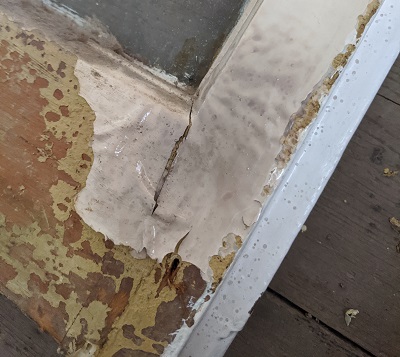
Cleanup is half the job. Do not rush it. Most failures come from poor cleanup, not removal method.
Do this at the end of each day:
- HEPA vacuum top to bottom, including window troughs.
- Wet wipe with a detergent solution, then clean water.
- Bag debris and used rags. Seal and label the bags.
- Remove disposable PPE before leaving the work zone.
After final cleanup, HEPA vacuum again the next day. Dust can settle overnight. If you want proof that you learned how to remove lead paint safely from wood, consider dust wipe sampling by a qualified tester.

Repair and refinish the wood
Once paint is off and the area is clean, repair the wood. Fill small dents, sand lightly with HEPA, and prime. Pick products that bond well and seal pores.
Good options:
- Shellac or alcohol-based primers to seal tannins and lock in residue.
- Acrylic bonding primers for topcoat grip.
- High-quality paint or clear finishes for the look you want.
Encapsulation is another path if full removal is not needed. You can use approved encapsulant coatings to lock down intact paint. That option still follows many steps of how to remove lead paint safely from wood, especially cleanup.
Hard-earned tips and common mistakes
I have made my share of mistakes. These are the fixes I trust now.
What works:
- Break the project into small zones: It limits mess and stress.
- Keep a mist bottle on your belt: A quick spray keeps dust down.
- Use two vacs if you can: One inside the zone, one outside to finish.
- Change gloves often: Clean hands stop cross-contamination.
What to avoid:
- Skipping a second HEPA pass: Dust hides in cracks and corners.
- Rushing dwell times: Strippers need time; forcing it mars wood.
- Ignoring weather: Wind and heat dry products and spread dust.
If a friend asks how to remove lead paint safely from wood, I tell them this: Go slow, measure your dust control, and clean more than you think you need.
Frequently Asked Questions of how to remove lead paint safely from wood
How do I know if my paint has lead?
Use a recognized test kit on each surface, or hire a pro with an XRF device. Test before you decide how to remove lead paint safely from wood.
Is it safe to do this myself?
Yes, on small, simple areas, with proper PPE, containment, and cleanup. Large or complex jobs should use certified pros who follow strict rules.
What is the best method for trim and detailed wood?
DCM-free gel strippers work well because they cling and lift layers. Wet scraping helps for loose spots, but the gel is kinder to curves and carvings.
Can I sand after I strip the paint?
Only use HEPA-attached sanders and very light pressure. Keep the surface damp and vacuum often to reduce dust.
How do I handle waste and debris?
Bag all chips, rags, and plastic sheeting, seal, and label them. Follow your local disposal rules for lead-contaminated waste.
What PPE should I wear?
Use a P100 respirator, eye protection, and disposable coveralls with gloves. Change PPE often and wash hands and face after work.
Will a heat gun work on lead paint?
Low heat can soften paint, but heat can also vaporize lead. Most guidance advises chemical or wet methods instead.
Conclusion
Lead paint removal is more about control than force. Plan the work, set up tight containment, use wet or chemical methods, and clean like a pro. When you follow these steps, you will know how to remove lead paint safely from wood and protect your home.
Take action now. Test your surfaces, gather the right gear, and start with a small section to build skill. Want more guides like this? Subscribe for updates or leave a question so I can help with your next step.