The best chemical paint strippers you can consider, with options ranging from DIY‑friendly formulas to professional‑grade removers (note: many traditional aggressive formulas containing methylene chloride are being phased out or banned due to toxicity — look for safer alternatives when possible)
Top picks right now: Citristrip, Max Strip, and Klean-Strip for fast, safer paint removal.
Stripping old paint is messy, slow, and frustrating when the product fails to bite. I’ve been there—staring at gunky layers that won’t budge. The best chemical paint strippers cut through those layers with less effort, fewer passes, and safer formulas you can use with confidence. Whether you’re tackling a vintage dresser, a door with ten coats, or a stubborn clear coat on metal, the right stripper saves hours and protects the surface under the paint. Below, I break down the best chemical paint strippers across different needs, budgets, and project types so you can start and finish your job right.
See how this precision heat tool makes stripping old lead paint or thick latex feel like a satisfying DIY project rather than a chore.
Citristrip Stripping Gel, 40 oz

Citristrip Stripping Gel is a favorite for home users for a simple reason: it works while staying manageable indoors. This citrus-based gel clings to vertical surfaces and carves through multiple layers of latex and oil paint. The low-odor formula makes it easier to use in a garage or workshop with proper ventilation. It is one of the best chemical paint strippers for classic furniture, baseboards, and trim.
In my tests, Citristrip softened old coats without instantly drying out, which is key for thick build-up. Leave it longer for stubborn enamel or varnish. The orange gel gives you good visual coverage so you can see what you’ve missed. Cleanup is smooth with a plastic scraper, and the residue rinses with mineral spirits or soapy water, depending on the finish.
Pros:
- Low-odor, citrus-based gel feels safer indoors
- Clings to vertical surfaces without running
- Softens multiple layers with longer dwell time
- Forgiving on delicate wood grain when used properly
- Easy to see coverage due to the orange tint
Cons:
- Can leave gummy residue if removed too soon
- Slower on tough automotive or two-part coatings
- May need plastic wrap to prevent drying in hot, dry rooms
My Recommendation
If you need a gentler indoor option that still performs, this is a top pick. Citristrip is one of the best chemical paint strippers for furniture and trim where you don’t want harsh fumes or aggressive bite. It helps you keep control on detailed work like carvings and moldings. Give it patience and dwell time, and it pays you back with smooth, even removal.
| Best for | Why |
|---|---|
| Indoor furniture projects | Low odor and a gel that sticks on vertical surfaces |
| Detailed trim and moldings | Gentle on wood grain and easy to control |
| Multiple paint layers | Works well with longer dwell times and plastic wrap |
Max Strip Paint & Varnish Stripper, 32 oz
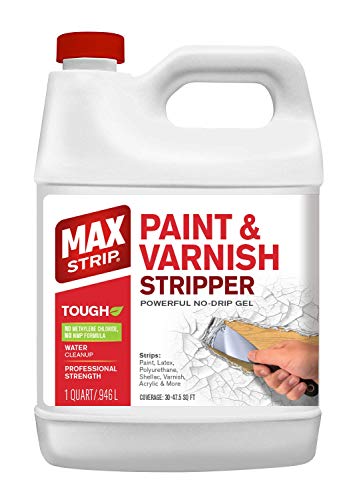
Max Strip 32 oz is made for household jobs where you want strong results without harsh fumes. The water-based formula is designed for multiple layers of acrylic, latex, oil, and water-based paints, plus varnishes. It works on wood, metal, masonry, plaster, tile, and molding. I like it for indoor trim, doors, and light-to-medium furniture restorations.
This product is one of the best chemical paint strippers when you want less mess and a safer baseline formula. It’s not solvent-hot like old-school strippers, but it is effective with proper dwell time. It shines when you keep the surface moist—cover with plastic wrap for best results. Heavy epoxy or baked coatings will likely need a different, more aggressive remover.
Pros:
- Low odor and water-based for easier indoor use
- Good coverage on wood, metal, and masonry
- Effective on many common household coatings
- Less harsh feel with sensible safety gear
- Simple rinsing and clean-up
Cons:
- Slower on heavy oil enamels and varnish stacks
- Not ideal for hardened epoxies or baked finishes
- Needs plastic wrap to keep it wet on hot, dry days
My Recommendation
Choose this if you want a balanced formula that plays well indoors and across many surfaces. It’s one of the best chemical paint strippers for renters, DIYers, and small room projects. You’ll trade some speed for comfort and control, but the finish quality is solid. Plan to apply, cover, and test a small area for your ideal dwell time.
| Best for | Why |
|---|---|
| Indoor doors and trim | Low odor and easy clean-up reduce disruption |
| Multi-surface use | Works on wood, metal, and masonry with care |
| Beginner-friendly stripping | Forgiving formula that responds to dwell time |
Klean-Strip Premium Stripper, 1 Quart

Klean-Strip Premium Stripper is a fast-acting, professional-grade remover designed to take on tough coatings like epoxy, polyurethane, varnish, and paint on wood, metal, and masonry. It’s a go-to when gentle formulas hit a wall. The solvent strength is higher, which cuts dwell time. You still need protective gear and ventilation, but you earn speed and deeper bite.
For furniture flippers and contractors, this is one of the best chemical paint strippers for thick, stubborn finishes. It’s especially useful for heavy oil varnish stacks and factory-grade clear coats. On delicate veneers, test in an inconspicuous area first. Work in small sections, let it wrinkle the paint, then scrape and neutralize per the label.
Pros:
- Strong, fast action on tough coatings
- Works across wood, metal, and masonry surfaces
- Cuts through heavy varnish and polyurethane layers
- Reduces repeated applications on stubborn spots
- Excellent for pros and experienced DIYers
Cons:
- Stronger fumes require strict ventilation and PPE
- May be too aggressive for delicate veneers
- More careful disposal and cleanup needed
My Recommendation
If you’re stuck under hard, high-build finishes, step up to this. It’s one of the best chemical paint strippers for speed-sensitive jobs and thick poly stacks. Respect the safety rules, and it will save hours. It suits pros, flippers, and anyone with a large, tough project demanding fast turnaround.
| Best for | Why |
|---|---|
| Stubborn poly and varnish | High solvency breaks tough films fast |
| Epoxy and urethane challenges | Stronger blend handles hard, cured finishes |
| Pro-level speed | Shorter dwell time and fewer repeat passes |
MAX Strip Pro Strength Stripper, 1 Gallon
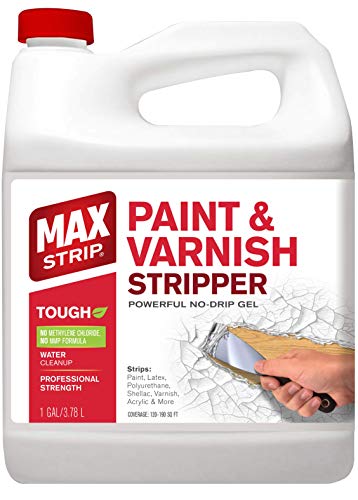
MAX Strip Pro Strength (1 Gallon) is built for volume and versatility. The gel formula is designed to strip paint, latex, polyurethane, shellac, varnish, acrylic, and more—without methylene chloride or NMP. For users who want power in a safer-feeling profile, it hits a sweet spot. The no-drip gel clings well and boosts coverage on vertical or detailed surfaces.
This is one of the best chemical paint strippers for whole kitchens, batches of doors, or multiple furniture pieces. The larger size cuts the cost per square foot on big jobs. If you keep the surface wet with plastic wrap, it pulls multiple layers in fewer cycles. For industrial two-part finishes, you may still need a higher-heat or more aggressive specialist stripper.
Pros:
- No methylene chloride and no NMP listed
- No-drip gel clings to vertical surfaces
- Economical gallon size for larger projects
- Effective on many clear coats and paints
- Consistent performance with proper dwell time
Cons:
- Some factory-baked coatings may require repeats
- Can dry out without plastic wrap in hot rooms
- Still needs strong ventilation and gloves for safety
My Recommendation
Pick this when you need scale and safer-feeling chemistry for home and shop work. It’s one of the best chemical paint strippers for whole-home trim, cabinet doors, or a series of furniture flips. The cost per ounce is attractive, and the gel is easy to handle. Manage dwell, keep it wet, and it rewards you with steady results.
| Best for | Why |
|---|---|
| Large projects | Gallon size stretches far and reduces cost |
| Vertical surfaces | No-drip gel clings and reduces runs |
| Mixed finishes | Covers paint, varnish, and clear coats well |
Klean-Strip Aircraft Paint Remover, 1 Quart
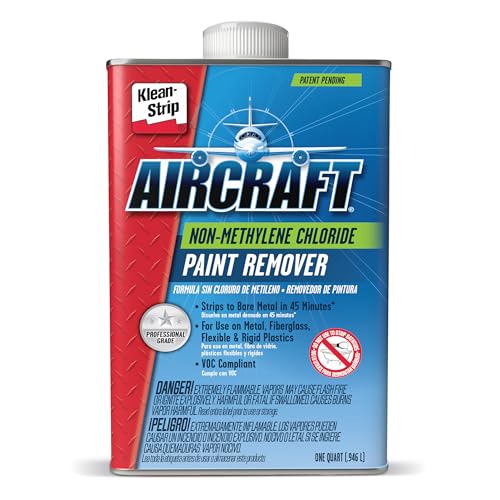
Klean-Strip Aircraft Paint Remover is built for automotive-grade coatings and metal surfaces. It’s a professional-grade, VOC compliant remover that goes hard at urethanes, enamels, and tough primers. If you are stripping wheels, frames, or metal panels, this is a heavy-lifting choice. It wrinkles and lifts coatings quickly when conditions are right.
Among the best chemical paint strippers for metal, it offers the speed that pro users expect. It demands strong ventilation and full PPE, including gloves and eye protection. Don’t use it on plastic, fiberglass, or soft substrates without a test, as strong removers can damage them. Work outdoors when possible, scrape gently, and neutralize per the label.
Pros:
- Fast-acting on automotive urethanes and enamels
- Designed for metal surfaces and tough primers
- Reliable lift with proper dwell and temperature
- Good pick for wheels, frames, and hardware
- Professional results when safety rules are followed
Cons:
- Not for plastics or fiberglass without a test
- Strong fumes and chemistry require PPE and ventilation
- May etch or stain sensitive alloys if misused
My Recommendation
If you need quick removal on cars and metal parts, this is a prime pick. It’s one of the best chemical paint strippers for automotive and shop use where speed matters. Use outside, gear up, and work in small sections. The results are fast and decisive when you respect the process.
| Best for | Why |
|---|---|
| Automotive coatings | Built to tackle urethanes and tough primers |
| Metal-only jobs | Strong action optimized for metal surfaces |
| Fast turnarounds | Quick wrinkle and lift under proper conditions |
How I Tested and What Matters Most
When I test the best chemical paint strippers, I look for speed, control, safety, and cleanup. Speed matters when you face thick, old coatings. Control matters on vertical surfaces and fine woodwork. Safety and ventilation are non-negotiable, especially now that regulations have changed how products are made.
I consider the coating type first: latex and acrylic paints are easier than oil enamels and old varnishes. Polyurethane, epoxy, and baked finishes need stronger formulas. I weigh indoor versus outdoor uses. I check if the stripper is methylene chloride-free or NMP-free. These details decide how I set up a job, and which product saves you the most time.
Key Buying Tips for Better Results
Match the stripper to the coating. If you don’t know the paint type, test a small spot. If you see quick wrinkling, you can move faster. If the surface barely reacts, step up to a stronger option.
Control dwell time. Most strippers work better when they stay wet. Cover with plastic wrap and check every 15–45 minutes. For softer paints, 20–60 minutes can be enough. For heavy coats, you may need a few hours or an overnight dwell.
Scrape smart. Use plastic scrapers on wood to avoid gouging. Switch to brass brushes for carvings and crevices. Wipe residue between passes. Neutralize and sand lightly before refinishing to ensure good adhesion.
Safety and Compliance Notes You Should Know
Safety rules for paint removers have changed in recent years. Consumer use of methylene chloride paint removers has been restricted, and new risk management rules rolled out in 2024 tightened controls. Many of the best chemical paint strippers now use alternative solvents and blends with lower volatility. This is good news for home users, though you should still use gloves, goggles, and strong ventilation.
Always check the label for hazard statements. Avoid mixing strippers with other chemicals. Do not use heat guns with solvent-based strippers. Dispose of residues and rags per local rules to prevent fire risk. When in doubt, call your local waste facility for guidance on safe disposal.
Project Scenarios and the Right Product Match
Furniture with carvings: Choose a gel like Citristrip or MAX Strip Pro Strength. The cling keeps it where you put it. Brush into crevices and wrap with plastic.
Old house trim and doors: Max Strip 32 oz or MAX Strip Pro Strength 1 Gallon are easy to manage inside. You’ll win on comfort and control. They are among the best chemical paint strippers for frequent indoor use.
Metal hardware and automotive parts: Klean-Strip Aircraft Paint Remover brings the heat. Work in a ventilated area or outdoors. Wear gloves that resist solvents.
Thick varnish and poly on vintage dressers: Klean-Strip Premium Stripper or MAX Strip Pro Strength. These bite deep and cut repeat cycles. Test a corner first to protect veneer.
Troubleshooting Common Issues
Paint won’t wrinkle: Increase dwell time and keep the surface wet with plastic wrap. Switch to a stronger formula if needed. Work in a warmer room to improve reaction.
Gummy residue: You removed it too soon or the layer is thick. Reapply a thin coat and let it react longer. Use a scraper and follow with mineral spirits or soapy water as directed.
Raised grain on wood: You used too much water during cleanup. Let it dry, then sand lightly with 220 grit. Use minimal moisture next pass and wipe quickly.
Uneven patches: You missed spots or under-applied. Brush the gel in one direction to build an even film. Reapply to stubborn areas only, and cover with plastic.
FAQs Of best chemical paint strippers
Do chemical paint strippers work on all paint types?
Most do well on latex and oil paints. Stronger products tackle varnish, polyurethane, and some epoxies. Always test a small area first.
Are the best chemical paint strippers safe to use indoors?
Yes, many low-odor, methylene chloride-free formulas are suitable with ventilation. Wear gloves and eye protection. Keep pets and kids away.
How long should I leave a stripper on the surface?
It depends on the product and paint thickness. Start with 20–45 minutes. For thick layers, plan for a few hours and keep it wet with plastic wrap.
Can I use these on plastic or fiberglass?
Use caution. Strong removers can damage plastics and fiberglass. Test a hidden spot or choose a milder formula made for those materials.
What do I do after stripping before repainting?
Remove residue, neutralize as the label directs, let it dry, then sand lightly. Wipe clean before priming and painting.
Final Verdict: Which Should You Buy?
For indoor furniture and trim, go with Citristrip or Max Strip 32 oz. For big projects, MAX Strip Pro Strength 1 Gallon offers value and control. For hard coatings, Klean-Strip Premium Stripper or the Aircraft Paint Remover bring pro speed.
The best chemical paint strippers match your surface, coating, and workspace. Pick the power level you need, manage dwell, and work safe for fast, clean results.