While comparing wood cleaner vs wood brightener- Wood cleaners remove dirt, grime, mildew, and old stains from wood, preparing it for refinishing or sealing. Wood brighteners, on the other hand, restore the wood’s natural color and neutralize any chemical residues, often after using cleaners or pressure washing. Using a cleaner first and a brightener afterward ensures the wood is both clean and visually refreshed, providing the best base for staining or sealing.
Stop wasting hours with a sander and let the best chemical paint strippers do the heavy lifting by liquefying stubborn layers in minutes. It’s the smartest way to reveal beautiful wood grain without damaging the delicate surface underneath.
Cleaner removes grime and coatings; brightener restores color and neutralizes pH for staining.
If you have ever scrubbed a gray, tired deck and wondered why it still looks dull, this guide is for you. I’ll break down What is the difference between wood cleaner and wood brightener? with clear steps, simple science, and field-tested tips. You will learn when to use each product, how they work together, and how to get pro-level results on decks, fences, and siding.
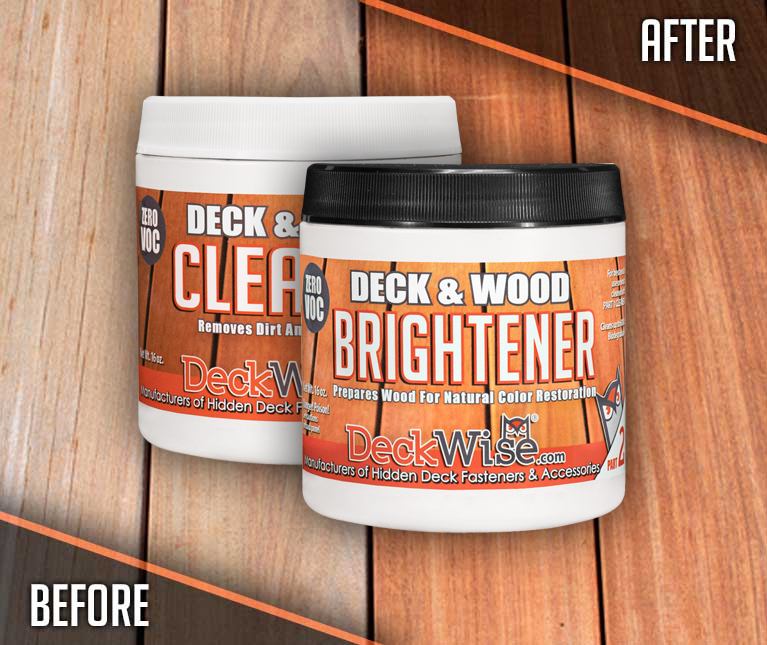
Wood cleaner vs. wood brightener: what they do and why both matter
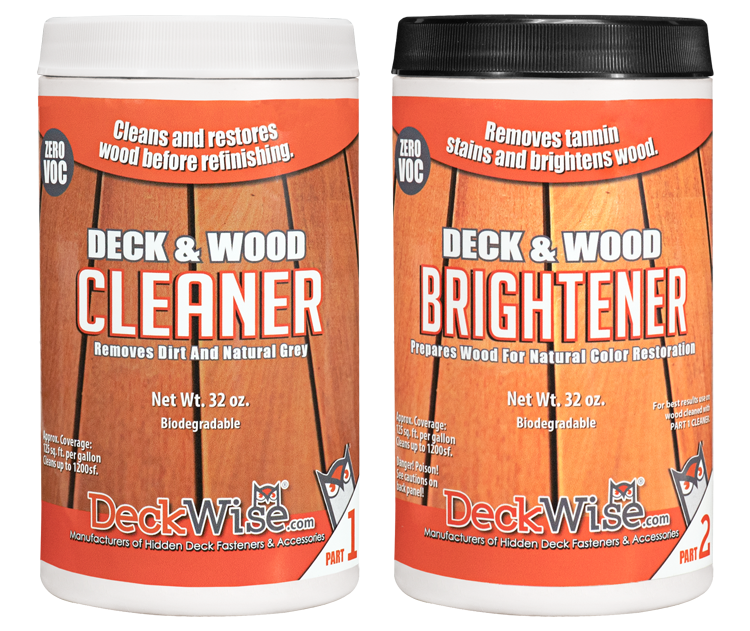
Wood cleaner and wood brightener do different jobs. A cleaner lifts dirt, mildew, gray fiber, and old stain. A brightener restores color, neutralizes pH, and opens the grain for a better finish. Using both is the key to an even, long-lasting stain.
Here is the short view:
- Wood cleaner and wood brightener are step one and step two, in that order.
- Cleaner is usually alkaline. It breaks down organic grime and old coatings.
- Brightener is mild acid. It cancels the cleaner, removes tannin and rust streaks, and resets the wood.
I have restored hundreds of decks. When people skip the brightener, their stain often looks blotchy and fades fast. When they skip the cleaner, the brightener cannot fix deep grime. Wood cleaner and wood brightener work best as a team.
Comparision Table Of Wood cleaner vs. wood brightener
| Feature | Wood Cleaner | Wood Brightener |
| Active Base | Alkaline (Soap/Bleach) | Acidic (Oxalic/Citric) |
| Primary Goal | Removes dirt & mold | Neutralizes pH & lightens wood |
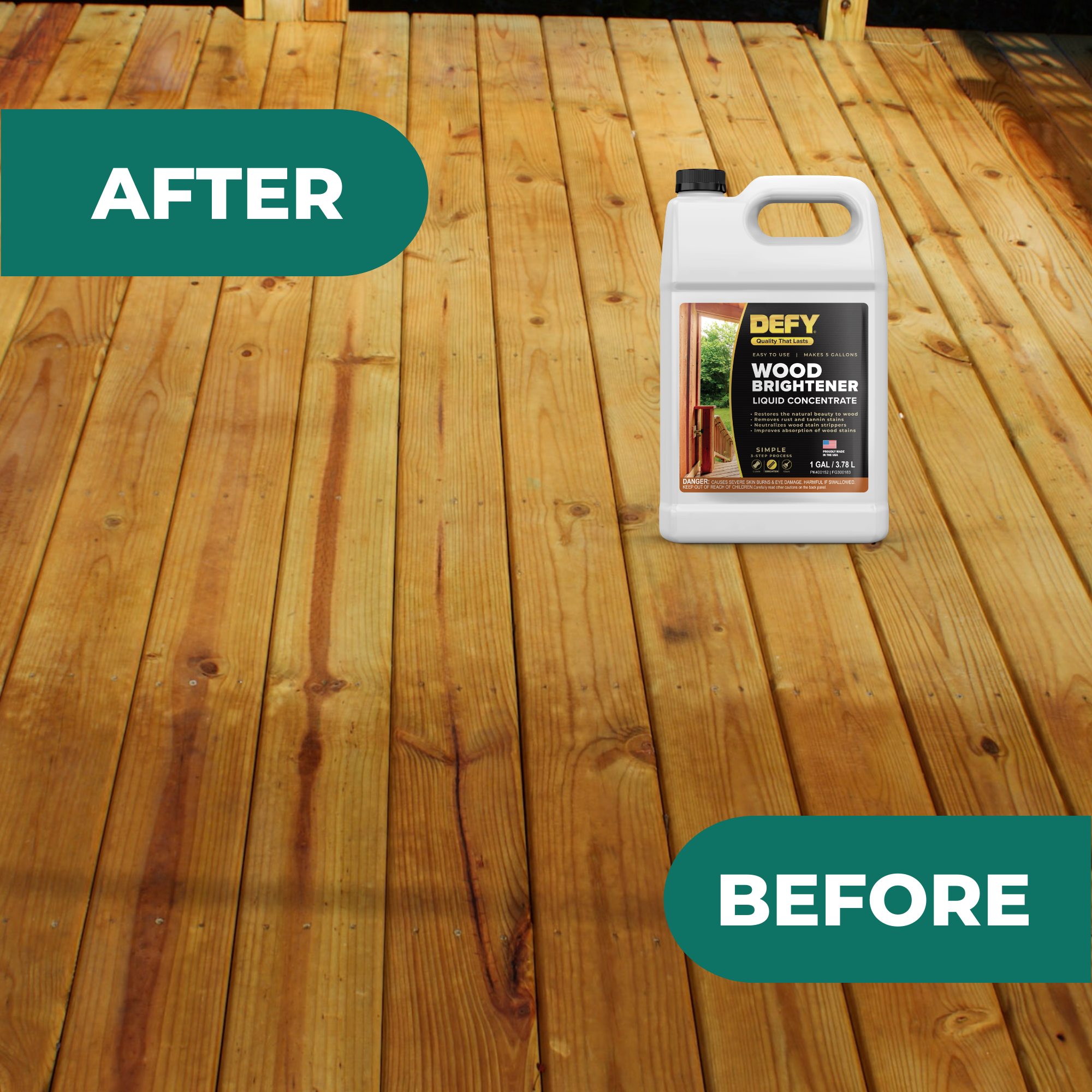
| Appearance | Leaves wood dark/dull | Restores “new wood” look |
| Preparation | Step 1: Deep Clean | Step 2: Final Prep |
The simple chemistry behind each product
Most wood cleaners use sodium percarbonate or sodium hydroxide. These are alkaline. They lift mold, algae, and old oil. They also raise the wood fibers, which you may see as light fuzz.
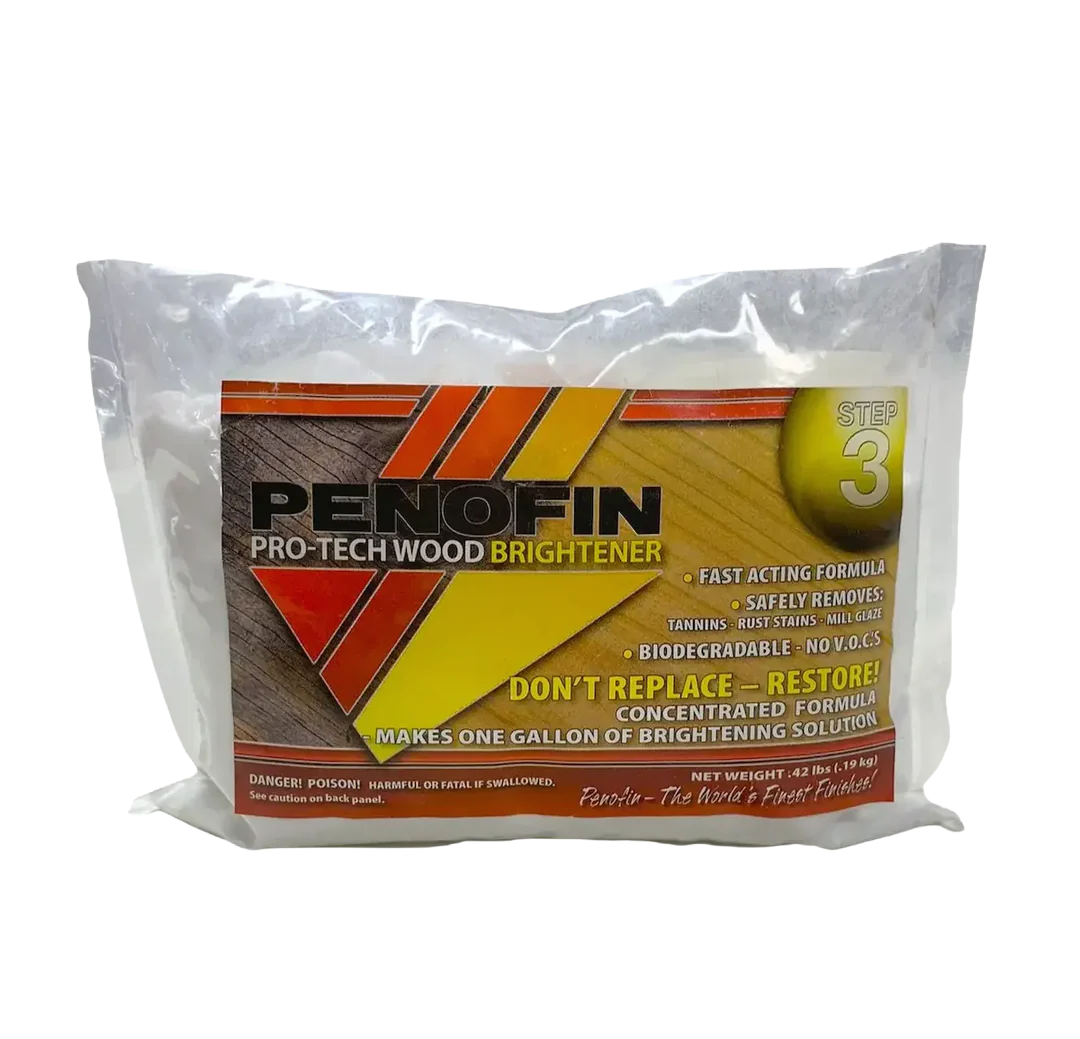
Most wood brighteners use oxalic acid or citric acid. These are mild and safe when used right. They neutralize the high pH left by cleaner. They also reduce iron and tannin stains, which cause dark spots.
Think of it like washing and then conditioning your hair. The wash (cleaner) removes buildup. The conditioner (brightener) resets balance and smooths things out. Wood cleaner and wood brightener act the same way.
When to use each and in what order
Use a cleaner when the wood is dirty, gray, or has a thin, worn coating. Use a brightener right after rinsing the cleaner. The wood should still be damp. This helps the acid work deep and even.
Use wood cleaner and wood brightener on:
- Weathered cedar, redwood, and pressure-treated pine
- Gray decks with foot traffic dirt
- Fences with mildew stains
- Siding with iron streaks near fasteners
Do not use brightener first. Do not stain right after a cleaner without brightener. The pH will be off, and the stain will not bond well. Wood cleaner and wood brightener should always run as a one-two punch.
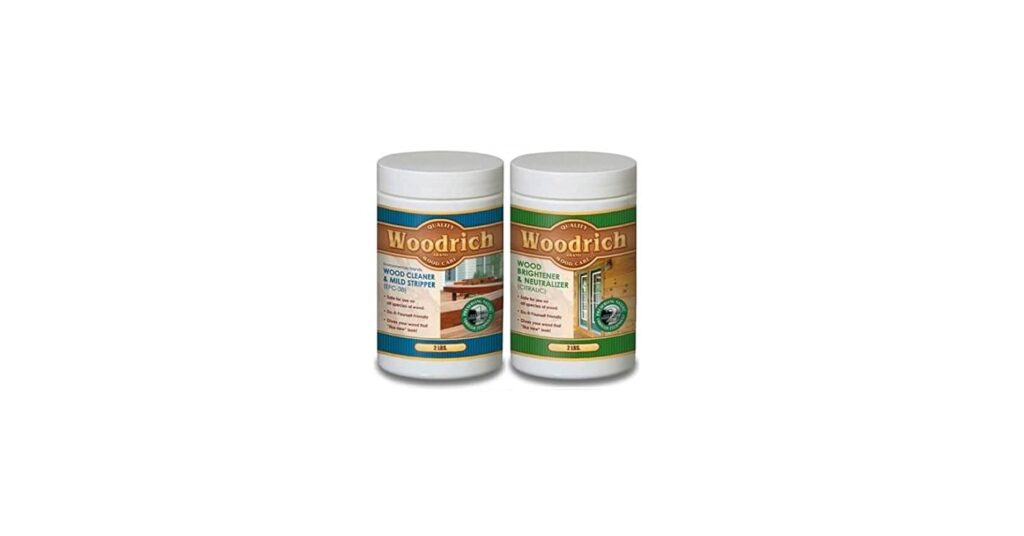
Step-by-step: a pro workflow you can copy
I use this simple sequence on most jobs. It is safe, fast, and repeatable.
- Test a small spot. Check that the cleaner lifts grime and that the wood reacts well.
- Protect nearby plants. Pre-wet them with clean water. Cover glass and metals you care about.
- Wet the wood. A damp surface helps even spread and slows drying.
- Mix the cleaner per label. Do not guess. Stronger is not always better.
- Apply the cleaner. Keep it wet for the dwell time. Usually 5 to 15 minutes.
- Agitate as needed. Use a soft brush on stubborn spots.
- Rinse well. Use a garden hose or a pressure washer on low.
- While the wood is still damp, apply the brightener. Soak the surface but avoid puddles.
- Let it dwell for 5 to 10 minutes. Watch the color pop back.
- Rinse again. Allow the wood to dry 24 to 48 hours, or per humidity.
- Lightly sand raised fuzz, if any. Vacuum or blow off dust.
- Stain or seal once moisture levels are right. The surface should feel dry and cool.
This process keeps wood cleaner and wood brightener doing their best work. It also reduces callbacks and fixes.
Common mistakes to avoid
I keep a short list from jobs I have been called to fix. Learn from them and save time.
- Skipping brightener after a strong cleaner. This leaves high pH, so stain fails early.
- Using bleach as a cleaner. It can damage wood and corrode metals. It also needs neutralizing.
- Over-concentration. Strong mixes can burn the fibers and leave marks.
- Not rinsing enough. Residue fights with your stain and hurts adhesion.
- Staining too soon. Wet wood traps solvents. Wait for safe moisture levels.
The fix is simple. Use wood cleaner and wood brightener in order, at the right mix, and with full rinse.

Choosing products, safety, and eco tips
Your wood type and the job’s condition guide the choice. Start mild, then step up only if needed.
Product selection:
- For light dirt: Sodium percarbonate cleaner is gentle and effective.
- For heavy oils or old film: A sodium hydroxide cleaner may be needed.
- For brightener: Oxalic acid works well on tannin and rust stains. Citric acid is gentle and plant friendly.
Safety basics:
- Wear gloves and eye protection.
- Do not mix chemicals. Never blend bleach with any cleaner.
- Pre-wet plants and rinse them after. Collect runoff where rules require.
Eco and finish notes:
- Keep pH in check. Most stains like near-neutral wood.
- Test a patch before full work.
- Follow label dwell times. Wood cleaner and wood brightener each have a sweet spot for action.
Real-world lessons from the field
A client had a 12-year-old cedar deck. It was gray with black lines under the chairs. We used an alkaline wood cleaner at a mild ratio. After a soft brush and rinse, it looked dull but clean. Then we applied a wood brightener. The cedar color came back within minutes. We let it dry for two days and applied a semi-transparent stain. Two years later, the color still looked rich.
Another case was a fence with nail bleed. The owner had cleaned it three times with soap. No luck. A quick pass with wood cleaner and wood brightener removed the iron streaks and leveled the tone. The stain took evenly and hid past sanding marks. Wood cleaner and wood brightener did the heavy lifting with less effort.
Frequently Asked Questions of What is the difference between wood cleaner and wood brightener?
What is the difference between wood cleaner and wood brightener, in one line?
A cleaner removes dirt and old finish; a brightener restores color and neutralizes pH for stain.
Can I use a brightener without cleaning first?
You can, but results will be weak. Brightener does not remove grime or oils, so clean first for best results.
Is wood brightener safe for plants and pets?
Most are safe when used as directed. Pre-wet plants, avoid puddles, and rinse the area after use.
How long should I wait to stain after using wood cleaner and wood brightener?
Wait until the wood is dry, usually 24 to 48 hours. Check weather and humidity, and verify with a moisture meter if you can.
Do I need to sand after cleaning and brightening?
Often only a light sand is needed to knock down raised fibers. Many jobs need no heavy sanding at all.
Will bleach replace wood cleaner and wood brightener?
No. Bleach can lighten stains but harms fibers and metals, and it still needs neutralizing. Use proper products designed for wood.
What products work best on cedar and redwood?
An oxygen-based cleaner with an oxalic acid brightener is a safe, strong combo. It preserves the warm tone and limits fiber damage.
Conclusion
You now know What is the difference between wood cleaner and wood brightener? Cleaner removes the bad stuff. Brightener balances the wood and brings the color back. Use both, in order, for a smooth, even stain that lasts.
Start with a small test spot this weekend. Follow the steps, keep dwell times short, and rinse well. Subscribe for more field-tested tips, or drop a comment with your project details and I’ll help you plan the best approach.