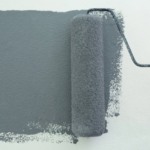
Roller nap lengths refers to the thickness of the fabric or foam on a paint roller, which affects how much paint it holds and the texture it creates. Short naps (¼”–⅜”) are ideal for smooth surfaces like doors and cabinets, providing a fine, even finish. Medium naps (½”–¾”) work well on lightly textured walls and ceilings, while long naps (1″–1½”) are suited for rough or porous surfaces such as brick, stucco, or concrete, allowing paint to reach into crevices. Choosing the correct nap length ensures optimal coverage and a professional-looking finish
Nothing ruins a fresh paint job faster than choosing the wrong pile height, which is why finding the best nap for painting walls is your most important first step.
What Is Nap On A Paint Roller?
Nap is the length of the fibers on a paint roller cover. It controls how much paint the roller holds and how it applies paint to surfaces. The nap length affects the texture of the paint finish.
Short naps create smooth finishes by holding less paint and laying it evenly. Longer naps hold more paint and reach into rough surfaces. The right nap length depends on the surface texture and paint type.
- Short nap: Thin, smooth surfaces
- Medium nap: Slightly textured surfaces
- Long nap: Rough, uneven surfaces
- Extra-long nap: Very rough or specialty surfaces
Standard Roller Nap Lengths Explained
The right roller nap length is crucial for a smooth and even paint finish. Standard roller nap lengths vary to suit different surface textures and paint types. These lengths helps in selecting the best roller for your project, saving time and effort. The roller nap affects paint coverage, absorption, and the final look.
The study suggests that improper roller nap selection can lead to uneven fiber impregnation, compromising the structural bond to the concrete substrate.
Short Nap Rollers
Short nap rollers have a nap length of about 1/4 inch to 3/8 inch. They work best on smooth surfaces like metal, wood, or drywall. These rollers hold less paint but give a fine finish.
- Best for smooth walls and ceilings
- Good for applying latex or oil-based paints
- Provides a smooth, even coat
- Less texture left on the surface
Short naps are easy to clean and reuse. They are ideal for projects requiring a neat, professional look. Use a short nap roller for furniture, cabinets, or doors. They help avoid paint splatter and uneven coverage.
| Nap Length | Best Surface | Paint Type | Finish |
|---|---|---|---|
| 1/4″ – 3/8″ | Smooth surfaces | Latex, Oil-based | Fine, smooth |
Medium Nap Rollers
Medium nap rollers usually have a nap length of 1/2 inch. They are versatile and work well on surfaces with slight texture, such as lightly textured walls or ceilings.
- Suitable for semi-smooth to slightly rough surfaces
- Great for general indoor painting
- Holds more paint than short naps
- Balances smoothness and coverage
Medium naps can handle minor surface imperfections and provide good paint coverage. They are often the first choice for most residential painting jobs. Medium nap rollers reduce the need for multiple coats on uneven surfaces.
| Nap Length | Best Surface | Paint Type | Finish |
|---|---|---|---|
| 1/2″ | Semi-smooth surfaces | Latex, Acrylic | Even, moderate texture |
Long Nap Rollers
Long nap rollers range from 3/4 inch to 1 inch or more. They are perfect for rough, uneven surfaces like stucco, brick, or textured walls. These rollers hold a lot of paint and reach into crevices.
- Ideal for rough or heavily textured surfaces
- Excellent paint coverage on masonry and stucco
- May leave a textured finish
- Requires more careful rolling to avoid splatter
Long nap rollers help cover large areas quickly. They absorb more paint but may need extra coats for a smooth finish. Use these rollers outdoors or on rough interior walls.
| Nap Length | Best Surface | Paint Type | Finish |
|---|---|---|---|
| 3/4″ – 1″ | Rough, textured surfaces | Exterior & Interior | Textured, thick coverage |
Extra‑long & Specialty Naps
Extra-long and specialty naps exceed 1 inch in length. They are designed for highly textured surfaces or unique materials. Examples include concrete block, rough stucco, or wood shakes.
- Used for extreme textures and uneven surfaces
- Often made from special fibers for durability
- Hold a large amount of paint
- Help reach deep grooves and gaps
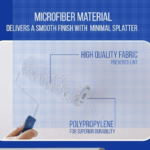
Specialty naps include foam rollers and microfiber options for smooth finishes or specialty paints. Choose these for commercial or heavy-duty applications. They are less common in everyday painting but essential for certain jobs.
| Nap Length | Best Surface | Paint Type | Finish |
|---|---|---|---|
| 1″+ | Highly textured, specialty surfaces | Concrete, Masonry, Specialty paints | Heavy texture, deep coverage |
This technical guide explains the “inverse relationship” between nap length and finish smoothness: shorter naps (1/4″) minimize “stipple” (roller marks) on smooth surfaces, while extra-long naps (1-1/2″) are required for highly porous surfaces like brick to ensure paint penetrates the “valleys” of the texture.
Materials Used In Roller Naps
Roller naps play a key role in painting and coating projects. The material of the roller nap affects how well paint spreads and how smooth the finish looks. Different materials serve different purposes, depending on the surface and type of paint.
Synthetic Fibers
Synthetic fibers are widely used for roller naps due to their durability and versatility. These fibers include polyester, nylon, and acrylic. They work well with water-based and oil-based paints. Synthetic naps resist shedding and dry quickly after use.
Advantages of synthetic fibers:
- Durability: Last longer under heavy use.
- Easy cleaning: Washable with water or solvent.
- Resistance: Handle rough surfaces without damage.
- Versatility: Suitable for various paints and coatings.
Synthetic fibers come in various nap lengths. Short naps (1/4 inch to 3/8 inch) suit smooth surfaces. Medium naps (1/2 inch) fit semi-smooth surfaces. Long naps (3/4 inch and above) are ideal for rough or textured surfaces.
| Fiber Type | Best Uses | Nap Length |
|---|---|---|
| Polyester | Water-based paints, smooth walls | 1/4″ to 1/2″ |
| Nylon | Oil-based paints, textured surfaces | 1/2″ to 3/4″ |
| Acrylic | General purpose, indoor/outdoor | 1/4″ to 3/4″ |
Natural Fibers
Natural fibers like wool and mohair offer excellent paint coverage and a smooth finish. These fibers absorb paint well and release it evenly on the surface. Natural naps are softer and provide a high-quality finish on fine surfaces.
Key features of natural fibers:
- Soft texture: Ideal for delicate or smooth surfaces.
- Excellent paint release: Reduces streaks and marks.
- Durability: Wool naps resist matting and flattening.
- Cost: Usually more expensive than synthetics.
Natural fiber naps come mostly in medium to long lengths, around 3/8 inch to 1 inch. They work best with oil-based paints, varnishes, and stains. These naps help achieve a fine, even coat on wood, metal, and drywall.
| Fiber Type | Best Uses | Nap Length |
|---|---|---|
| Wool | Oil-based paints, smooth wood | 3/8″ to 3/4″ |
| Mohair | Varnishes, fine finishes | 1/2″ to 1″ |
Blended Materials
Blended materials combine synthetic and natural fibers to gain benefits from both types. These naps balance durability with a smooth finish. They offer versatility for different paints and surfaces.
Benefits of blended roller naps:
- Improved paint pickup: Better absorption than synthetic alone.
- Enhanced durability: Last longer than pure natural naps.
- Balanced texture: Smooth finish with good coverage.
- Cost-effective: Less expensive than pure natural fibers.
Blended naps are available in a wide range of lengths, from short to long. They work well with both water-based and oil-based paints. These naps provide a reliable option for many painting jobs, combining smoothness and strength.
| Blend Ratio | Best Uses | Nap Length |
|---|---|---|
| 50% Wool / 50% Polyester | General interior painting | 3/8″ to 1/2″ |
| 30% Mohair / 70% Nylon | Fine finishing, varnishes | 1/2″ to 3/4″ |
| 40% Wool / 60% Acrylic | Exterior and interior paints | 1/4″ to 3/4″ |
Nap Length & Surface Matching Guide
Choosing the right roller nap length is key for a smooth, even paint finish. The nap length affects how much paint the roller holds and how well it covers different surfaces. This guide helps match nap lengths to surface types, ensuring professional results without extra effort. Use this guide to pick the perfect roller for your painting project.
Smooth Surfaces — Walls, Ceilings, Doors
Smooth surfaces need a short nap roller to apply paint evenly without texture marks. Surfaces like walls, ceilings, and doors have little to no texture, so a roller with a nap length of 1/4 inch to 3/8 inch works best.
- Short nap rollers hold less paint but spread it thinly and smoothly.
- They prevent bubbles and roller marks, giving a flat, clean finish.
- Best for latex or enamel paints on smooth drywall, plaster, or wood.
Using a longer nap on smooth surfaces can leave a rough texture. Keep these tips in mind:
- Choose a high-density roller for better paint distribution.
- Roll in even, overlapping strokes to avoid streaks.
- Use a roller tray to remove excess paint before rolling.
In summary, short nap rollers suit smooth, flat surfaces perfectly. They deliver a fine finish and save paint.
Semi‑smooth/light Texture — Paneling, Light Plaster
Semi-smooth or lightly textured surfaces like paneling and light plaster need a medium nap roller. A nap length of 3/8 inch to 1/2 inch works well here.
This nap length balances paint coverage and texture hiding ability:
- The medium nap reaches into slight grooves or patterns.
- It holds more paint than short naps, covering efficiently.
- It avoids overloading paint, reducing drips and uneven spots.
For surfaces with light texture, consider these points:
- Use a roller designed for semi-smooth surfaces to avoid excessive texture.
- Apply paint with gentle pressure to keep the texture natural.
- Roll in multiple directions to cover all grooves evenly.
Medium nap rollers work great with water-based and oil-based paints on semi-smooth surfaces. They offer good paint hold and a consistent finish without losing surface details.
Rough/highly Textured — Brick, Concrete, Stucco
Rough and highly textured surfaces need a long nap roller to cover all crevices and uneven areas. Use a roller nap of 3/4 inch to 1 1/4 inch for surfaces like brick, concrete, and stucco.
Long nap rollers hold much more paint and reach deep into textures:
- They ensure full coverage on rough surfaces without multiple coats.
- Help avoid missed spots hidden in grooves or cracks.
- Reduce the need for brushes on difficult angles or edges.
Tips for painting rough surfaces include:
- Use a thick, high-quality roller cover made of polyester or lambswool.
- Apply paint slowly to allow the roller to deposit evenly.
- Overlap strokes well to avoid patchy areas.
Long nap rollers are essential for textured surfaces. They save time and improve the final look by covering every nook and cranny.
Quick Surface‑to‑nap Table
Use this quick reference table to pick the right roller nap length for your surface:
| Surface Type | Recommended Nap Length | Common Surfaces | Best For |
|---|---|---|---|
| Smooth | 1/4″ – 3/8″ | Drywall, plaster, doors, ceilings | Flat, smooth finishes; water-based paints |
| Semi-Smooth/Light Texture | 3/8″ – 1/2″ | Paneling, light plaster, lightly textured walls | Balanced coverage and texture hiding |
| Rough/Highly Textured | 3/4″ – 1 1/4″ | Brick, concrete, stucco, rough siding | Deep texture coverage; thick paint hold |
This table helps avoid guesswork. Match your surface to the nap length for better paint results. Use the right roller and save time, paint, and effort.
Nap Length & Paint Type Compatibility
Roller nap length plays a crucial role in achieving a smooth paint finish. It affects how much paint the roller holds and how well it applies on different surfaces. Nap length depends on the type of paint used. Nap length & paint type compatibility ensures even coverage and reduces paint waste. Using the wrong nap can cause streaks, splatters, or uneven layers. This section explains how nap length matches with paint types for the best results.
Water‑based Vs Oil‑based
Water-based and oil-based paints have different textures and drying properties. This affects which roller nap length works best with each paint type.
- Water-based paints are thinner and dry faster. They work well with shorter naps (¼” to ⅜”).
- Oil-based paints are thicker and take longer to dry. They need medium naps (⅜” to ½”) for proper coverage.
Shorter naps hold less paint but apply it smoothly. Longer naps hold more paint but may leave texture marks. For water-based paints, a short nap prevents over-application and reduces drips.
Oil-based paints need a nap that holds enough paint to cover surfaces evenly. A medium nap helps spread the paint without excess buildup.
| Paint Type | Recommended Nap Length | Reason |
|---|---|---|
| Water-Based | ¼” to ⅜” | Thin texture, quick drying, smooth finish |
| Oil-Based | ⅜” to ½” | Thicker texture, slower drying, better coverage |
Using the right nap length for each paint type improves the finish and saves time.
Thick/high Viscosity Paints
Thick paints need rollers with longer naps to hold and apply enough paint. High viscosity paints include textured, masonry, and latex paints.
Rollers with naps from ¾” to 1″ work best for thick paints. They soak up more paint and spread it evenly over rough surfaces.
- Long naps reach deep into textured surfaces.
- They prevent roller marks by delivering consistent paint layers.
- Short naps cause patchy coverage with thick paints.
Choosing the wrong nap wastes paint and causes poor adhesion. Use a longer nap on:
- Concrete or stucco walls
- Rough wood surfaces
- Textured ceilings or walls
Table below shows nap length by paint thickness:
| Paint Thickness | Surface Type | Recommended Nap Length |
|---|---|---|
| Thin | Smooth walls | ¼” to ⅜” |
| Medium | Lightly textured surfaces | ⅜” to ½” |
| Thick | Rough or heavily textured | ¾” to 1″ |
Matching nap length with paint thickness ensures full coverage and a professional look.
Specialty Coatings
Specialty coatings include primers, anti-mold paints, and epoxy finishes. These coatings have unique textures and drying times.
Choosing the correct nap length for specialty coatings is key to proper application:
- Primers: Usually thin; use short naps (¼” to ⅜”) for smooth surfaces.
- Anti-mold or waterproof coatings: Often thicker; medium to long naps (⅜” to ¾”) help cover uneven areas.
- Epoxy and heavy-duty coatings: Very thick; use long naps (¾” to 1″) for full coverage.
Specialty coatings sometimes require specific roller materials:
- Foam rollers for smooth finishes and water-based primers.
- Mohair or woven rollers for oil-based or epoxy coatings.
Use this table to choose nap length for specialty coatings:
| Coating Type | Texture | Recommended Nap Length | Roller Material |
|---|---|---|---|
| Primer | Thin | ¼” to ⅜” | Foam or synthetic |
| Anti-mold/Waterproof | Medium | ⅜” to ¾” | Synthetic or woven |
| Epoxy/Heavy-duty | Thick | ¾” to 1″ | Mohair or woven |
Correct nap length and roller type improve the coating’s durability and appearance.
Choosing The Right Nap Length
Choosing the right roller nap length is crucial for a smooth and even paint finish. The nap length affects how much paint the roller holds and how well it applies on different surfaces. Using the correct nap length saves time and prevents paint waste. It also reduces the need for extra touch-ups. To get the best results, consider the texture of the surface, the type of paint, and the size and detail of your project.
Surface Texture Considerations
The surface texture is the main factor in choosing roller nap length. Smooth surfaces need a short nap, while rough surfaces need a longer nap. The right nap length helps paint spread evenly and avoids streaks or clumps.
- Short nap (1/4″ to 3/8″) works best on smooth surfaces like drywall, plaster, and metal.
- Medium nap (1/2″ to 3/4″) fits semi-smooth surfaces such as lightly textured walls and ceilings.
- Long nap (1″ to 1 1/4″) suits rough surfaces like stucco, brick, or textured wood.
Using the wrong nap length can lead to poor coverage. A nap too short for a rough surface misses crevices. A nap too long on a smooth surface leaves a bumpy finish.
| Surface Type | Recommended Nap Length | Reason |
|---|---|---|
| Smooth (drywall, plaster) | 1/4″ – 3/8″ | Minimal texture, smooth paint application |
| Semi-smooth (lightly textured walls) | 1/2″ – 3/4″ | Better paint hold, covers light textures |
| Rough (stucco, brick) | 1″ – 1 1/4″ | Reaches into deep crevices for full coverage |
Paint Type Compatibility
Paint types affect the choice of nap length. Different paints have varying thickness and coverage needs. The roller nap must hold enough paint and apply it smoothly.
Latex paints are thicker and need rollers with longer naps to hold enough paint. Oil-based paints are thinner and work well with shorter naps.
- Latex Paint: Use medium to long naps (3/8″ to 3/4″) for good coverage.
- Oil-Based Paint: Short naps (1/4″ to 3/8″) allow smooth application without excess paint.
- Glossy or Semi-Gloss Paint: Short naps prevent texture marks and create a smooth shine.
- Flat or Matte Paint: Medium naps help cover surface imperfections evenly.
Choosing the right nap length for paint type reduces drips and roller marks. It also controls drying time and finish quality.
| Paint Type | Recommended Nap Length | Reason |
|---|---|---|
| Latex | 3/8″ – 3/4″ | Holds thicker paint, covers well |
| Oil-Based | 1/4″ – 3/8″ | Smooth application, less paint waste |
| Glossy/Semi-Gloss | 1/4″ | Prevents texture marks, smooth finish |
| Flat/Matte | 3/8″ – 1/2″ | Even coverage, hides imperfections |
Project Size And Detail
Project size and detail influence the choice of roller nap length. Large, flat areas need different rollers than small, detailed spaces.
For big projects like walls or ceilings, use longer naps to cover more area quickly. For small projects or trim work, shorter naps provide control and a smooth finish.
- Large, flat surfaces: Use medium to long naps (3/8″ to 3/4″) for faster coverage.
- Small areas and trim: Short naps (1/4″ to 3/8″) offer precision and less mess.
- Textured areas with detail: Choose nap length based on texture but consider smaller rollers for control.
Using the right nap length saves paint and time. It also improves the look of both simple and complex projects.
| Project Type | Recommended Nap Length | Reason |
|---|---|---|
| Large walls/ceilings | 3/8″ – 3/4″ | Fast, even coverage |
| Trim, doors, cabinets | 1/4″ – 3/8″ | Precision, smooth finish |
| Detailed textured surfaces | Depends on texture; smaller roller size preferred | Better control in tight spaces |
Maintenance And Care Tips
Proper maintenance and care of roller nap lengths ensure consistent paint application and extend tool life. Understanding how to clean, store, and maintain your rollers can save money and improve painting results. Small daily steps make a big difference in preserving the roller’s texture and shape. This guide covers essential tips to keep your roller naps in top condition.
Cleaning Techniques
Cleaning roller naps thoroughly after each use removes paint residue and prevents damage. Start by scraping off excess paint with a putty knife or similar tool. Rinse the roller under warm water to loosen the paint fibers. For water-based paints, soap and water work well. Use a gentle brush or your hands to work the paint out of the nap.
- Use warm, soapy water for latex or acrylic paints.
- Use mineral spirits or paint thinner for oil-based paints, following safety instructions.
- Rinse until water runs clear to avoid paint buildup.
- Spin or shake off excess water to speed drying.
Allow the roller to air dry completely before storing it. Wet rollers develop mold and lose nap quality. Avoid using harsh chemicals or brushes that can pull fibers from the roller. Proper cleaning keeps the nap soft and ready for the next job.
Storage Recommendations
Storing roller naps correctly prevents deformation and dirt buildup. Always store rollers in a clean, dry place away from direct sunlight. Sunlight can damage synthetic fibers and cause fading. Use a roller cover or plastic wrap to protect the nap from dust and debris.
| Storage Method | Benefit | Tip |
|---|---|---|
| Plastic wrap or roller covers | Keeps nap clean and dust-free | Wrap tightly without crushing fibers |
| Hanging storage | Prevents flattening and deformation | Use hooks or a roller rack |
| Dry, ventilated area | Prevents mold and mildew growth | Avoid damp basements or garages |
Avoid storing rollers on their sides or under heavy objects. This flattens the nap and reduces paint coverage. Proper storage extends roller life and maintains performance.
Extending Roller Life
Taking simple steps helps extend the life of roller naps. Choose the right nap length for your project to reduce wear. Short naps work well on smooth surfaces, while longer naps suit rough textures. Using the correct roller reduces stress on the fibers.
- Clean rollers immediately after use to prevent paint hardening.
- Store rollers properly to avoid deformation and dirt.
- Rotate rollers during painting to distribute wear evenly.
- Replace rollers when naps become matted or shed excessively.
Inspect rollers regularly for damage or paint buildup. Well-maintained rollers give smoother finishes and save money over time. Proper care keeps the nap soft and effective for many painting projects.
Common Mistakes With Nap Lengths
Choosing the right roller nap length is crucial for any painting project. Many people make mistakes by picking a nap that does not fit the surface or paint type. These errors can cause poor coverage, uneven texture, and wasted materials. Understanding common mistakes with nap lengths helps avoid problems and achieve a smooth, professional finish.
Using Too Short A Nap
A nap that is too short is often chosen for rough or textured surfaces, but this choice can lead to several issues. Short naps are best for very smooth surfaces like metal or glass. When used on rough walls, they fail to hold enough paint and cannot reach into surface crevices.
- Poor coverage: Paint may not fill all cracks and holes.
- More strokes needed: Requires multiple passes, increasing time and effort.
- Uneven texture: Creates a patchy look with visible roller marks.
Below is a simple guide showing when short naps work best:
| Surface Type | Recommended Nap Length |
|---|---|
| Glass | 1/4 inch or less |
| Smooth drywall | 1/4 to 3/8 inch |
| Textured walls | Not recommended |
Using a short nap on rough walls wastes paint and causes frustration. It also leads to poor finish quality and more clean-up.
Using Too Long A Nap
Long naps are designed for rough or bumpy surfaces like stucco or brick. Using too long a nap on smooth surfaces causes problems too. The roller can hold too much paint and leave thick, uneven layers. This creates drips, bubbles, and a rough finish.
- Paint waste: Excess paint often drips or pools.
- Uneven coverage: Thick spots and roller marks appear.
- Long drying time: Thick paint takes longer to dry and can crack.
Use this quick chart to avoid using too long a nap on smooth surfaces:
| Surface Type | Too Long Nap Length | Effect |
|---|---|---|
| Smooth drywall | > 3/8 inch | Drips, uneven texture |
| Metal or glass | > 1/4 inch | Paint pooling, rough finish |
Choosing a nap that is too long can also cause excessive splatter. It slows down the job and increases clean-up time.
Effects On Finish Quality
The right nap length strongly affects the look and feel of the final paint job. Both too short and too long naps cause problems that reduce finish quality. Understanding these effects helps pick the best roller for smooth and even results.
- Short naps on rough surfaces: Lead to thin spots and poor coverage.
- Long naps on smooth surfaces: Create roller marks, drips, and uneven texture.
- Incorrect nap length: Can cause paint to dry unevenly or peel over time.
Here is a summary of how nap length influences finish quality:
| Nap Length | Surface Type | Finish Result |
|---|---|---|
| Too Short | Rough or textured | Patchy, thin paint, visible roller lines |
| Correct | Matching surface texture | Even, smooth, professional look |
| Too Long | Smooth surfaces | Drips, thick patches, rough texture |
Choosing the correct nap length ensures a smooth finish, saves paint, and reduces work. Avoiding common mistakes improves the overall quality and durability of the paint job.
Frequently Asked Questions
What Are The Common Roller Nap Lengths?
Common roller nap lengths range from 1/8 inch to 1 inch. Short naps suit smooth surfaces, while longer naps fit rougher textures.
How Does Roller Nap Length Affect Paint Finish?
Roller nap length impacts paint texture and coverage. Short naps create smooth finishes; longer naps hold more paint for uneven surfaces.
Which Nap Length Is Best For Walls?
A 3/8 inch nap is ideal for most interior walls. It balances smoothness and paint coverage effectively.
Can Nap Length Impact Drying Time?
Yes, longer naps apply thicker paint layers, potentially increasing drying time. Shorter naps lead to faster drying.
Conclusion
Choosing the right roller nap length affects your paint’s finish and ease. Short naps work well on smooth surfaces. Longer naps help cover rough or textured walls better. Match the nap length with your paint type for best results. Using the wrong nap can cause uneven paint or drips.
Take time to pick the right roller for your project. A good choice saves time and gives a neat look. Simple but smart decisions make your painting easier and cleaner.