
The best primer for concrete floor is a concrete‑specific primer that enhances paint adhesion and seals porous surfaces, such as acrylic or epoxy‑based concrete primers. Concrete primers help paint or coating bond evenly, prevent peeling, and increase durability under foot traffic and moisture. Choose a primer formulated for floors and compatible with your topcoat (e.g., epoxy or acrylic paint) to ensure the longest‑lasting finish.
We tested the top-rated brands for adhesion and scratch resistance to find the best paint for concrete floor currently on the market.
Choosing the best primer for concrete floor can make a big difference in how well your coating sticks and lasts. Concrete is porous and can be tricky to seal properly without the right primer. The right product helps prevent peeling, cracking, and uneven finishes. It also improves durability and protects the surface from moisture and stains. Whether you’re working on a garage, basement, or patio, using a good concrete primer sets a solid foundation for any paint or epoxy. Knowing what qualities to look for can save time and effort in the long run. Let’s explore some top options that stand out for their performance and reliability.
Rust-oleum Gray Concrete Floor Primer
If you’re looking for the Best Primer for Concrete Floor to prep previously painted or sealed surfaces, this Rust-Oleum product fits well for homeowners and DIYers tackling interior and exterior concrete floors.

What to Expect When Using This Primer
- Ready-to-use formula that skips sanding or grinding, saving prep time.
- Designed for concrete floors that have been previously painted or sealed.
- Semi-transparent gray finish allows flexible topcoating choices.
- Covers up to 400 sq. ft. per gallon on smooth surfaces.
- Works well over garage coatings, increasing surface adhesion.
Considerations Before You Buy
- Not intended for bare concrete; best on pre-treated floors.
- Requires at least 6 hours drying before topcoat application.
- Weight and size may be bulky for some users to handle easily.
Thoughts on Rust-Oleum Concrete Primer
This primer is a straightforward solution for those refreshing or recoating concrete floors. Its water-based, one-part formula eliminates the need for sanding, which can reduce prep work significantly. The semi-transparent gray tone is subtle but useful as a base that won’t interfere with your chosen topcoat color.
While it’s easy to apply and feels reliable in use, it’s most effective on previously sealed or painted floors, so it’s not a fit if you’re starting with bare concrete. The drying time is reasonable, allowing for a smooth workflow when planning your project in stages.
Choosing This Primer for Your Concrete Project
This primer is a good match if you want a hassle-free recoat primer for concrete floors that have been sealed or painted before. It suits DIYers and homeowners who want to avoid aggressive surface prep but still need solid adhesion for new coatings.
Those who need a primer for bare concrete or want a super-fast cure time might find this product limiting. Also, if you prefer lightweight containers for easier handling, keep the gallon’s size and weight in mind.
- Ideal for garage floors and sealed concrete surfaces.
- Not the best choice for untreated concrete.
- Good coverage helps reduce the number of coats needed.
Insights Before You Decide
If you’re repainting or recoating a sealed concrete floor, this Rust-Oleum primer offers a practical balance of ease and performance. It saves time by removing sanding steps and provides a consistent base for topcoats.
However, if your floor is raw concrete, look for a primer designed for that use. When applying, plan for the 6-hour wait before topcoating to ensure the best results. Overall, it’s a dependable choice that adds confidence to your concrete floor project.
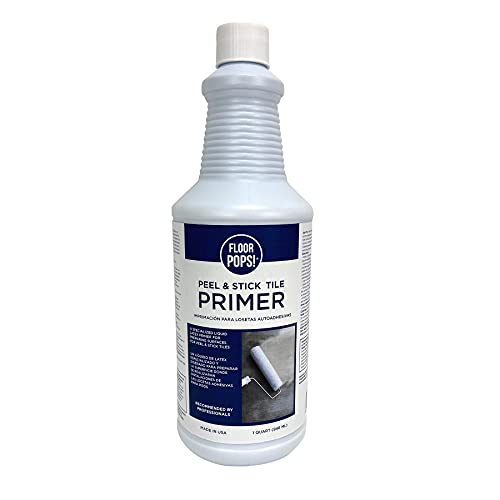
Floorpops White Peel Stick Primer
This primer is a solid choice for anyone seeking the Best Primer for Concrete Floor, especially those preparing surfaces for peel and stick tiles.
Everyday Use Highlights for Floor Preparation
- Latex-based formula designed specifically for peel and stick floor tiles.
- Requires clean, dry, and contaminant-free surfaces for best adhesion.
- Application with short nap roller or coarse brush ensures even coverage.
- Use full strength without dilution to maintain primer effectiveness.
- Absorbs into the floor surface without leaving excess residue.
Considerations Before Choosing This Primer
- Not suitable for diluted use; must be applied as is.
- Limited to indoor use on properly prepared concrete floors.
- Does not come with detailed coverage area instructions.
The FloorPops White Peel Stick Primer addresses the challenge of preparing concrete floors for peel and stick tile installation. It acts as a base layer that enhances adhesion by soaking into the surface and creating a sound foundation. The latex formula is specialized for this tile type, which helps avoid common issues like peeling or shifting after installation.
In practice, applying this primer is straightforward. Using a short nap roller or a coarse brush, the primer spreads evenly and dries without leaving a sticky or uneven surface. I found that the instruction to avoid excess primer made the process feel more controlled and less messy. Overall, it saves time by reducing the likelihood of tile lifting later on.
Who Will Appreciate This Product
This primer fits best for DIYers or professionals installing peel and stick tiles on concrete floors. It’s ideal if you want a reliable base coat that’s simple to apply and tailored to this specific flooring type. However, if you need a primer for other floor coverings or surfaces requiring dilution, this product might feel limiting.
People looking for multi-purpose primers or those who want a broader application range may want to look elsewhere. Also, if you prefer detailed coverage guidance or large-scale commercial use, this might not meet your needs.
- Best for peel and stick tile installations on concrete.
- Works well in clean, dry environments.
- Not suited for diluted or multi-surface use.
- Simple, focused formula without extra additives.
Practical Advice for Floor Preparers
Choose this primer if you are focused on peel and stick tile projects and have a properly prepared concrete surface. Avoid diluting it to ensure it performs correctly. This primer will help create a firm base without complicated steps. If you follow the instructions carefully, you can expect a smooth tile installation experience. For those who need different surface compatibility or higher volume coverage, consider other options.
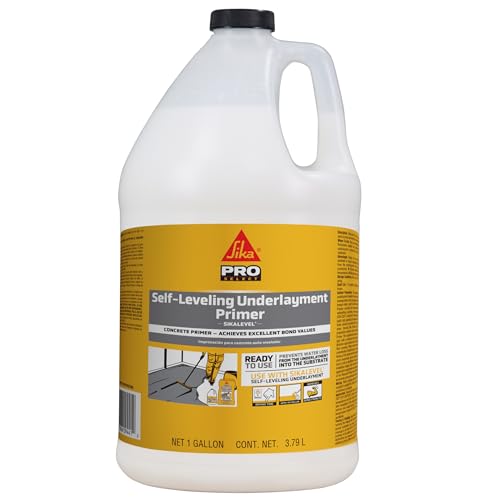
Sika Sikalevel Concrete Primer
For contractors and DIYers seeking the Best Primer for Concrete Floor, this primer suits those needing strong bonding and water loss prevention.
Practical Use Highlights for Concrete Priming
- Ready to apply without any dilution, saving prep time.
- Effectively prevents water loss from underlayment to substrate.
- Strong bonding enhances the durability of concrete and cement screeds.
- Fast drying speeds up project timelines.
- Designed to pair specifically with Sika Self-Leveling Underlayment.
Considerations Before Choosing This Primer
- Limited to use with Sika’s specific underlayment products.
- Only available in a 1-gallon size, which might not suit very small projects.
- White color may show through on lighter surfaces if not fully covered.
Who Benefits Most and Who Might Look Elsewhere
This primer is ideal for those working on larger concrete floor projects requiring a reliable bond and moisture control. Contractors or serious DIYers who use Sika’s self-leveling products will find it especially fitting.
Those needing a more universal primer or working on small touch-ups might find this product less flexible due to its size and brand-specific compatibility. If quick, one-off jobs or color matching are priorities, alternatives may be more convenient.
- Best for floor leveling and moisture-sensitive installations.
- Not suited for non-Sika underlayment systems.
- Good for users valuing time efficiency in drying.
Thoughtful Notes on Selecting a Concrete Floor Primer
Choosing the right primer often depends on your specific underlayment and project scale. This SIKA Sikalevel primer excels when paired with its matching self-leveling compound, ensuring a strong, moisture-resistant bond.
While it may not fit every scenario, it offers peace of mind with its fast drying and ready-to-use formula. Just keep in mind the brand compatibility to avoid surprises.
Clear Advice for Using This Primer Effectively
If you are working on a concrete floor that requires a self-leveling underlayment, this primer will support adhesion and moisture control effectively. Avoid using it outside the recommended system to prevent performance issues.
Plan your application to take advantage of the fast drying time, which can help keep your project on schedule. This primer is a straightforward choice for those who want consistency without extra mixing or dilution.
Rust-oleum Gray Concrete Floor Primer
For homeowners or professionals seeking the Best Primer for Concrete Floor, this Rust-Oleum product suits those needing a reliable recoat solution for interior and exterior concrete surfaces.

Practical Aspects of Using Rust-Oleum Primer
- Water-based formula requires no sanding or grinding before application.
- Covers up to 400 sq. ft. per gallon on sealed or smooth concrete.
- Semi-transparent gray finish allows easy topcoating with various paints.
- Dries sufficiently to topcoat in about 6 hours, saving time.
- Designed to work well over existing garage coatings or sealed floors.
Considerations to Keep in Mind
- Primarily for recoating, so it’s not ideal for bare concrete surfaces.
- Gray tint may influence final color tones depending on topcoat choice.
- Weight and size might require careful handling during application.
This primer is a water-based, ready-to-use product made for previously painted or sealed concrete floors. It solves the common challenge of recoating without needing extensive surface prep like sanding or grinding, which can be time-consuming and messy.
In use, it feels straightforward to apply and covers large areas efficiently. The semi-transparent gray allows you to see coverage clearly, and the quick drying time means I could plan topcoating without long delays. It’s a practical choice when working on garage or interior concrete floors that need a fresh base layer.
Who Finds This Primer Useful?
This product fits well for those updating or recoating existing concrete floors, especially in garages or similar spaces where a strong primer is needed over sealed or painted surfaces. It saves effort by eliminating sanding and speeds up project timelines with its 1-part water-based formula.
However, it’s less suited for raw concrete or outdoor surfaces that haven’t been treated before, as it’s designed for recoat purposes. Users expecting a universal primer for all concrete types might find this limiting.
- Ideal for sealed or painted concrete floor recoats
- Good for interior and garage floors
- Not recommended for bare concrete or heavy-duty outdoor use
- Best for those wanting a low-prep, water-based option
A Thoughtful Choice for Floor Prep
If you’re working on a project requiring the Best Primer for Concrete Floor that is easy to apply and effective over existing coatings, this Rust-Oleum primer is a solid option. It works best when you want to avoid sanding and grinding while still achieving reliable adhesion for your topcoat.
Those needing a primer for bare concrete or outdoor, unsealed floors should consider other options. For users in the right situation, applying it carefully and allowing full drying time ensures a smooth, dependable base. This approach can reduce worries about peeling or poor paint performance later on.
Hydro Prime Concrete Floor Primer
For homeowners and professionals looking for the best primer for concrete floor surfaces, Hydro Prime offers a reliable moisture barrier and sealer solution.

Practical Benefits for Concrete Priming
- Effectively blocks moisture vapor from concrete and masonry, reducing coating failures.
- Designed for both indoor and outdoor concrete floors, including high-traffic areas.
- Water-based and quick-drying, allowing same-day application of topcoats.
- Requires a low-pressure sprayer for even coverage, which can speed up the process.
Considerations for Use
- Must be applied with specific spray equipment, which may require additional tools.
- Clear finish might not mask surface imperfections before painting.
- While low-odor, some ventilation is still recommended during indoor application.
Insights on Hydro Prime’s Performance
This primer is a solid choice for anyone needing to seal concrete floors against moisture before applying paints or coatings. Its focus on moisture vapor control stands out because it directly addresses a common cause of coating failure on concrete surfaces.
Using it feels straightforward once you have the right sprayer. The water-based formula dries quickly, so you don’t have to wait long before proceeding with your topcoat. It offers peace of mind in maintaining adhesion and durability of your floor finish.
Choosing the Right Primer for Your Concrete Floor
Hydro Prime fits best for those handling concrete or masonry floors exposed to moisture or heavy use, such as sports courts or driveways. Its quick-dry and moisture-blocking properties help ensure coatings last longer and resist peeling or bubbling.
If you prefer brush or roller application or are not ready to use a sprayer, this product might feel limiting. Also, if you want a tinted primer to hide stains, this clear formula won’t provide that benefit.
- Ideal for outdoor or indoor concrete needing moisture control.
- Great for prepping surfaces before epoxy or paint coatings.
- Less suited for small projects without spray equipment.
- Not designed to alter surface color or texture.
Final Thoughts on Hydro Prime
If you need a primer that tackles moisture issues on concrete floors, Hydro Prime offers a practical and effective option. It suits projects where quick drying and strong adhesion are priorities, especially in high-traffic or outdoor settings.
Those without spray application tools or looking for a tinted primer might want to consider alternatives. When using Hydro Prime, ensure you have the recommended sprayer to get the best results. Overall, it provides a dependable base layer for long-lasting floor coatings.
How To Narrow Down The Best Primer For Concrete Floor
Choosing the right primer for a concrete floor can feel overwhelming. Start by considering the floor’s condition—sealed or bare concrete needs different primers. Think about the environment too: indoor or outdoor use affects your choice. Don’t overlook the topcoat compatibility; some primers only work well under specific coatings. Most people miss checking drying time, which impacts project scheduling. Lastly, consider ease of application—some primers require special tools or prep. This simple focus helps avoid confusion and speeds up your decision.
The 30-second Checklist For Concrete Floor Primers
- Does the primer match your floor’s current surface condition (sealed, painted, or bare)?
- Is it suitable for indoor or outdoor use where your floor is located?
- Can you apply it with your available tools (brush, roller, or sprayer)?
- Does it dry within your preferred project timeline?
- Will it bond well with your planned topcoat (paint, epoxy, or tile adhesive)?
- Is the primer low-odor and safe for your space’s ventilation?
Common Regrets When Choosing Concrete Floor Primers
Regret #1: Picking a primer not suited for previously sealed floors. This leads to poor adhesion and peeling later. Fix this by verifying the product supports recoating sealed surfaces.
Regret #2: Overlooking drying time which delays the entire project. Choose a primer with clear drying instructions that fits your schedule to avoid frustration.
Regret #3: Ignoring application method requirements. Some primers need special sprayers or rollers. Read application guidelines to ensure you have the right tools to apply it evenly.
Quick Pick Table For Best Primer For Concrete Floor
| If you want… | Look for this | Avoid this |
|---|---|---|
| To prime over previously sealed or painted concrete | Rust-Oleum Concrete & Garage Floor Recoat Primer | Primers designed only for bare concrete |
| Fast drying for quick project turnaround | Primers with explicit fast-dry claims and short recoat times | Primers requiring long curing periods |
| Use on indoor or outdoor concrete and masonry | Moisture barrier primers like Hydro Prime | Primers without moisture control features |
| Simple application with minimal prep | Water-based, ready-to-use primers needing no sanding | Primers requiring dilution or grinding |
| Compatibility with self-leveling underlayment | Specialized primers like SIKA Sikalevel | General-purpose primers without bonding claims |
Tips For Using Concrete Floor Primers Effectively
- Always clean and dry the floor thoroughly before applying primer.
- Use a roller or sprayer as recommended to ensure even coverage.
- Allow the primer to dry fully according to manufacturer instructions before adding topcoat.
- Test a small area first to check adhesion and drying time.
- If recoating, avoid sanding unless specified to prevent adhesion issues.
Faqs About Best Primer For Concrete Floor
Can I use the same primer on indoor and outdoor concrete floors?
Some primers are suitable for both indoor and outdoor use, but it’s important to check the product details. Moisture barrier primers are better for outdoor or high-moisture areas.
How much primer do I need for a typical garage floor?
Coverage varies by product, but many primers cover around 400 square feet per gallon. Check the label to calculate the amount based on your floor size.
Do I need to sand the concrete before applying primer?
Not always. Some modern primers like Rust-Oleum’s require no sanding or grinding on previously sealed surfaces. Always follow the specific primer’s instructions.
How long does it take for concrete primers to dry?
Drying times vary but usually range from 1 to 6 hours. Faster drying primers help speed up the project. Check the product label for exact times.
Is it safe to use these primers in enclosed spaces?
Many primers are low-VOC and water-based, making them safer for indoor use. Ensure good ventilation during application to reduce exposure to fumes.
Can I apply primer with a brush instead of a roller or sprayer?
Yes, but a roller or sprayer usually provides more even coverage. Some primers recommend specific tools for best results.
What should I do if the primer peels after application?
Peeling often means poor adhesion. Ensure the surface was clean and dry before application, and confirm the primer is compatible with your floor type and topcoat.
Final Thoughts On Choosing The Best Primer For Concrete Floor
Finding the best primer for concrete floor depends on your floor’s condition and your project needs. Focus on surface compatibility, drying time, and application ease to narrow your options. Most importantly, check if the primer matches your topcoat and environment to avoid surprises.
When in doubt, choose a primer designed for your specific floor type and application method. This simple tie-break rule helps ensure a smoother and longer-lasting finish every time.
Related posts:
 Best Paint for Concrete Floor (2025) – Top Picks for Garages & Basements
 What to Paint a Concrete Floor With (2026) – Durable Coatings That Last
 Best Zinsser Primer for Wood (2026) – Top Picks for Sealing & Stain Blocking
 Recommended Moisture Level for Paint – Ideal Percentages for Wood, Walls & Concrete