A roller nap is the fuzzy or textured surface on a paint roller that holds and distributes paint evenly over a surface. The nap’s thickness, measured in inches or millimeters, determines how much paint it can hold and which surfaces it’s best suited for. Short naps (¼”–⅜”) are ideal for smooth surfaces like walls or cabinets, while medium (½”) to long naps (¾”–1”) are better for textured or rough surfaces such as stucco or brick. Choosing the right nap ensures a smooth, even finish without streaks or uneven coverage.
Using a thick nap on smooth drywall is a recipe for “orange peel” texture, which is why picking the best nap for painting walls is crucial for success.
A roller nap is the fiber thickness on a paint roller cover.
If you have ever wondered what is a roller nap and why it changes your paint finish, you are in the right place. I have spent years choosing roller covers for real jobs, from glass-smooth doors to rough block walls. In this guide, I will explain what is a roller nap in plain language, share my field tips, and help you pick the right cover for a clean, even coat that looks pro.
What Is a Roller Nap?
A roller nap is the layer of fibers on a roller cover. Some people call it pile. It is measured by length, such as 1/4 inch, 3/8 inch, 1/2 inch, 3/4 inch, and more. The nap length affects how much paint the roller holds and how the paint lays on the surface.
When people ask what is a roller nap, I tell them it is like the tread on a tire. Short nap is like low tread for smooth tracks. Long nap is like deep tread for rough roads. Pick the right nap and your paint goes on fast, even, and clean.
How Roller Nap Works
Nap length controls paint load, coverage, and texture. Short nap holds less paint but leaves a smoother finish. Long nap holds more paint and reaches into grooves and pores.
There is no magic nap that fits all jobs. The best choice depends on the surface and the paint. When you learn what is a roller nap, you learn how to match tools to the job, save time, and avoid touch-ups.
Choosing the Right Nap Length by Surface
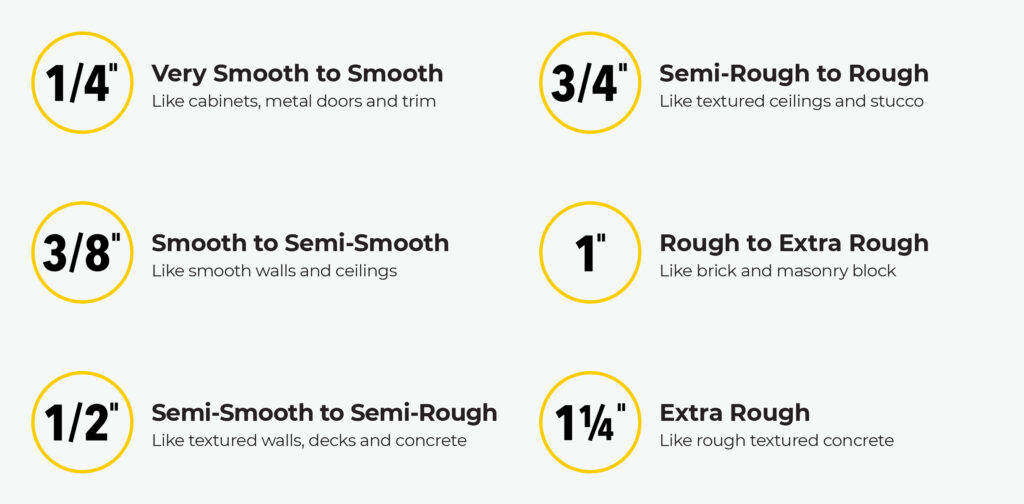
Use this simple map to select the nap. It will answer what is a roller nap in practice.
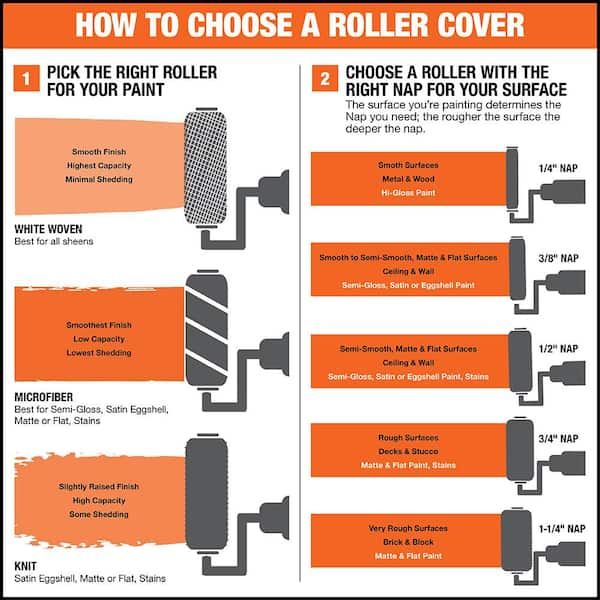
- 1/4 inch nap for ultra smooth surfaces. Use on metal doors, cabinets, and trim. Best for oil enamels and high-gloss finishes.
- 3/8 inch nap for smooth to light texture. Use on drywall, new plaster, and primed wood. Great all-around house roller for walls and ceilings.
- 1/2 inch nap for light to medium texture. Use on light orange peel, older walls, and ceilings with mild texture.
- 3/4 inch nap for rough surfaces. Use on brick, stucco, block, and siding with deep texture.
- 1 inch to 1 1/4 inch nap for very rough surfaces. Use on heavy stucco, split-face block, and stone.
Personal tip: On a 1950s plaster wall with hairline texture, 3/8 inch left faint stipple. I moved to 1/2 inch and the finish looked even without roller marks. That small change fixed the job.
Nap Materials and Build Quality
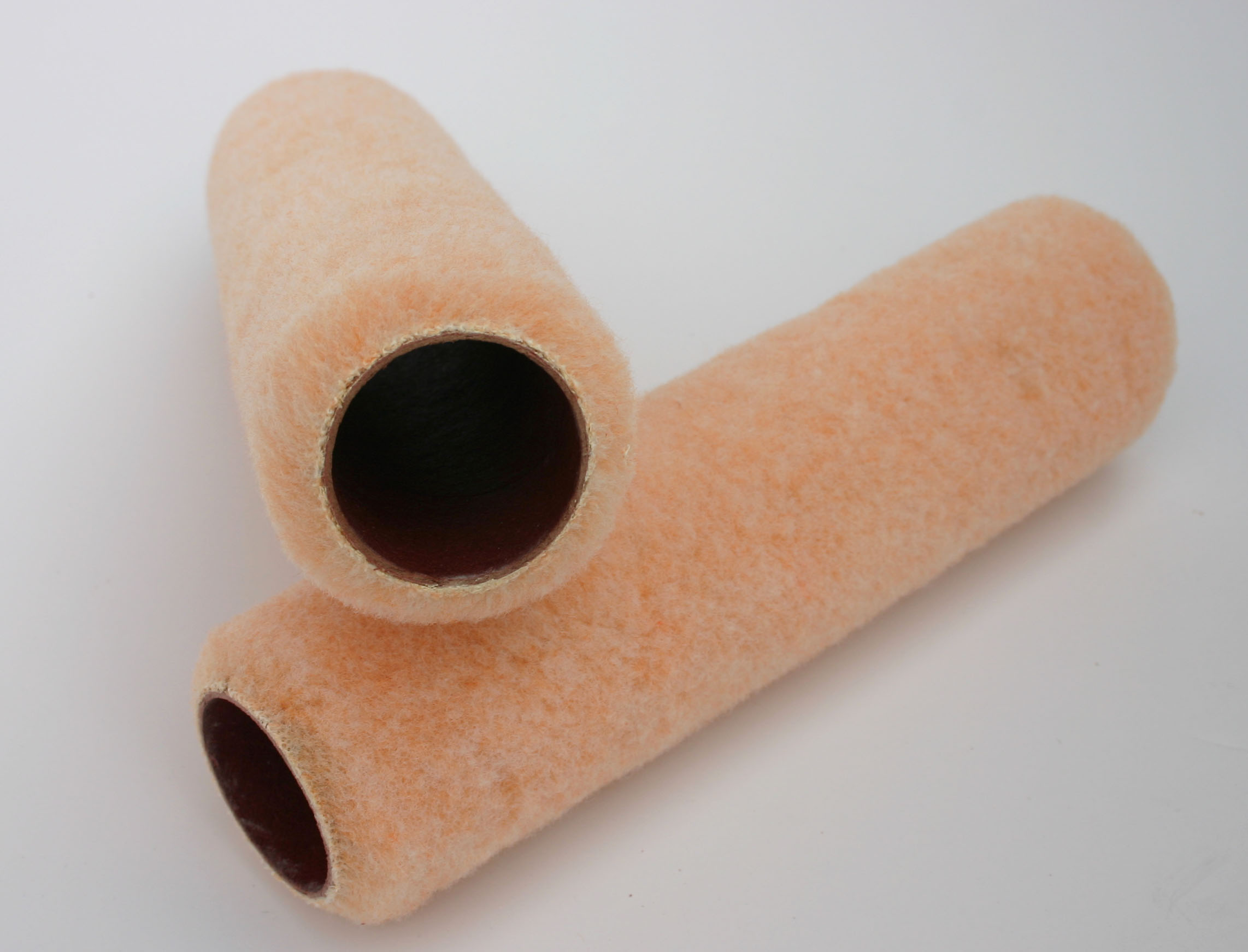
Nap material changes how the roller behaves. When you ask what is a roller nap, the fabric matters as much as length.
- Woven polyester for low lint and smooth walls. It sheds less and gives a clean finish.
- Knit polyester for higher paint load. It is faster on walls but may shed more.
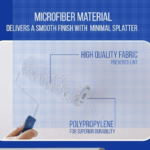
- Microfiber for fine finishes with latex. It lays off smooth on doors and cabinets with short naps.
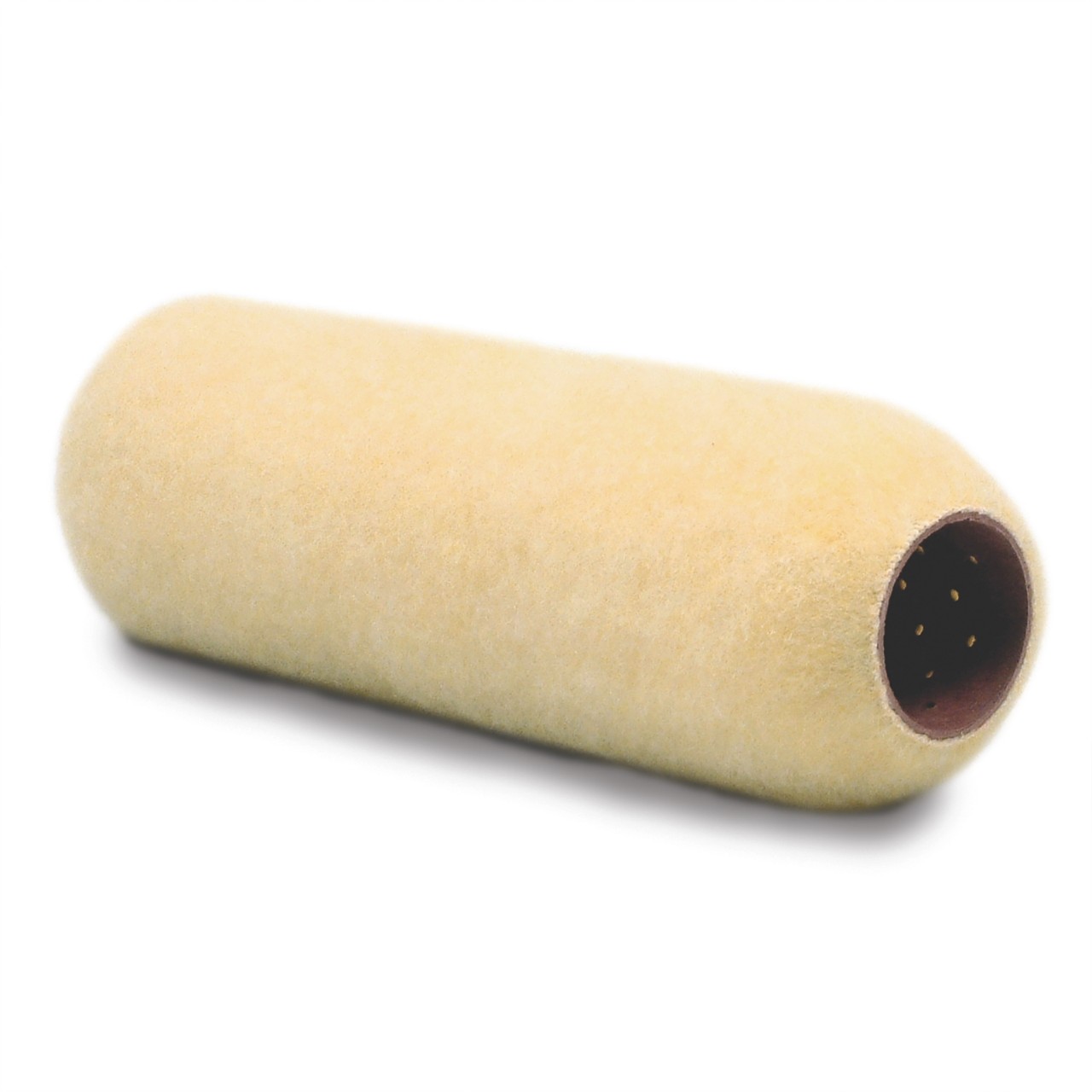
- Mohair for high gloss and varnish on smooth surfaces. It is very short and very smooth.
- Lambswool for high capacity with oil-based coatings. It loads heavy and rolls fast on rough surfaces.
Build details also matter.
- Core material can be phenolic or plastic. A strong core resists bending and helps the cover last longer.
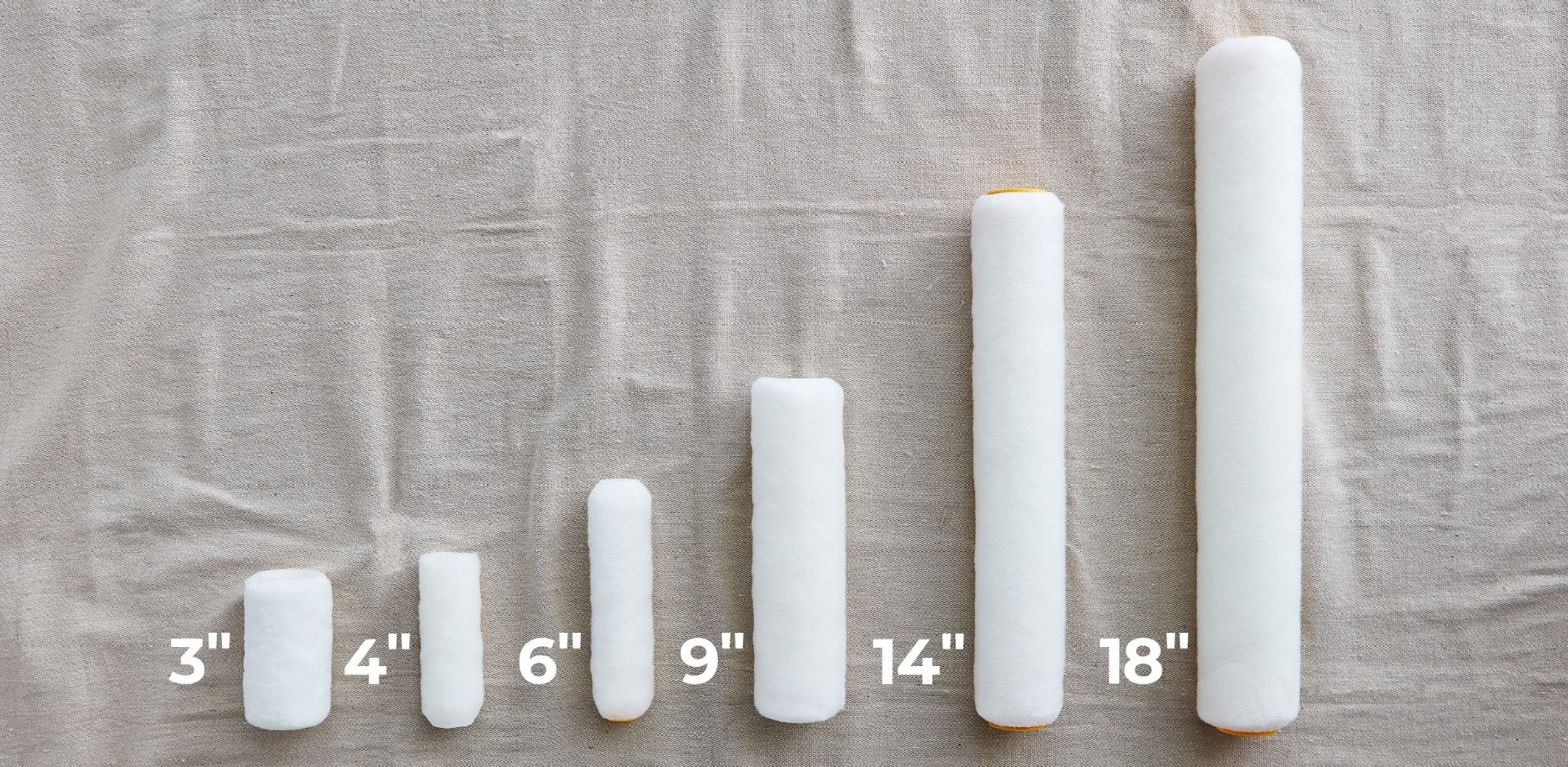
- Roller width affects speed. Common sizes are 4 inch and 6 inch mini rollers, 7 inch, 9 inch, and 18 inch. Wider rollers cover more but are heavier and harder to control.
- End caps should spin true on the frame. Poor fit leaves ridges at the roller edge.

Finish Quality and Common Mistakes
Short nap leaves a finer finish with less stipple. Long nap leaves more texture. This is the heart of what is a roller nap and why it matters.
Avoid these mistakes.
- Using a long nap on smooth walls. It can spray, shed, and leave orange peel.
- Using a short nap on rough stucco. You will push hard, miss low spots, and waste time.
- Cheap covers that shed lint. You will see fuzz in the finish and spend time picking it out.
- Dry rolling without loading enough paint. It leaves lap marks and streaks.
Quick test: If you see thin spots after one pass, your nap is likely too short. If you see heavy texture and splatter, your nap is likely too long.
Test, Prep, and Break-In
A few prep steps make any roller better. This is a simple way to put what is a roller nap to work.
- De-lint new covers. Wrap with painter’s tape and peel to remove loose fibers.
- Dampen the cover with water for latex or the right solvent for oil. Spin it out so it is slightly damp.
- Load the roller fully in the tray or bucket screen. Roll off excess so it does not drip.
Field note: I always do a small test panel in a corner. If the roller leaves too much texture, I switch to a shorter nap before I start full coverage.
Techniques for Smooth, Even Coats
Good technique can make a budget cover act like a premium one. It also shows why understanding what is a roller nap pays off.
- Work in a W or M pattern, then fill in. This spreads paint without lines.
- Keep a wet edge. Roll from the wet area into the dry area to avoid lap marks.
- Lay off in one direction with light pressure. This helps level the film.
- Reload often. A starved roller drags and leaves marks.
Pro tip: Use an extension pole, even on low walls. Your strokes will be more even, and you will move faster with less effort.
Cost, Sizes, and Compatibility
Covers come in many price tiers. Higher quality usually means tighter weave, less lint, and longer life. When you know what is a roller nap, you can spend where it counts and save where it does not.
- Mini rollers for tight spots and trim. Great with short nap for doors and cabinets.
- Standard 9 inch rollers for most walls and ceilings. A 3/8 inch nap is the go-to.
- Wide frames like 14 inch and 18 inch for large, open areas. A bucket and screen make sense here.
Check the frame fit, the cage type, and the end-cap style. Poor fit can cause chatter and edge ridges.
Maintenance and Cleanup
Care protects your investment and the finish. It also keeps your answer to what is a roller nap from being “the thing I throw away.”
- Between coats, wrap the cover in plastic and seal it. Store in a cool place.
- For latex, rinse with warm water until clear. Spin out and dry standing up.
- For oil-based, use the proper solvent. Comb fibers back in shape and store in a sleeve.
- Replace covers when they mat down, shed, or leave lines. A worn nap will not recover.
My habit is to label the core with marker. I note the paint type and room. It helps me reuse the right cover for the next job.
Frequently Asked Questions of what is a roller nap
What does nap length actually measure?
Nap length measures the height of the fibers on the roller cover. Longer fibers hold more paint and leave more texture.
Which nap gives the smoothest finish?
Short nap covers, like 1/4 inch or mohair, give the smoothest result. They work best on smooth doors, trim, and cabinets.
Can I use one nap for my whole house?
You can, but results will vary. A 3/8 inch nap is a safe all-around pick for most walls and ceilings.
Why is my roller leaving fuzz in the paint?
That is lint shedding from the cover. Use woven covers, de-lint before use, and avoid very cheap products.
How do I know if my nap is too long?
You will see splatter, heavy texture, and roller lines. Switch to a shorter nap to smooth the finish.
Does paint type matter when choosing nap?
Yes. Latex paints often pair well with microfiber or woven polyester. Oil-based paints work well with mohair or lambswool for smooth flow.
What is the difference between woven and knit covers?
Woven covers shed less and leave a finer finish. Knit covers hold more paint and are faster on walls but may shed more.
Is “pile” the same as nap?
Yes. Pile is another term for nap, meaning the fiber height on the cover.
Conclusion
Now you know what is a roller nap, why length matters, and how fabric and technique shape the final look. Choose nap by the surface, test a small area, and let the paint and the job guide you. Small changes, like moving from 3/8 inch to 1/2 inch, can save hours and lift the finish from good to great.
Put this guide to work on your next project. Pick the right roller nap, prep it well, and roll with confident, steady strokes. If you found this helpful, subscribe for more paint tips, or drop a question in the comments so we can tackle your next challenge together.