
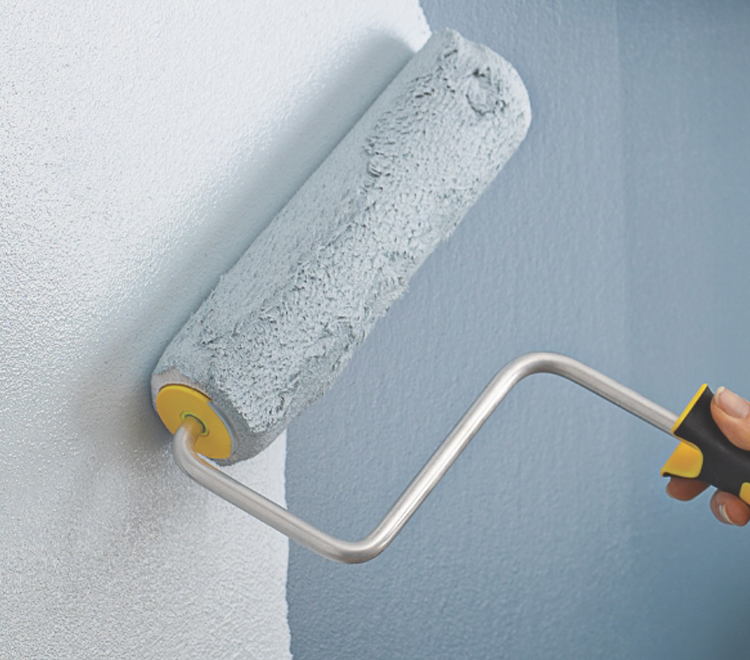
Types of roller naps (or “nap rollers”) refer to the thickness of the fabric on paint rollers, which affects how much paint is held and the texture of the finish. Short naps (¼–³⁄₈ inch) are ideal for smooth surfaces like drywall or wood, providing a fine, even coat. Medium naps (½–¾ inch) work well on lightly textured surfaces, such as plaster or stucco, for good coverage. Long naps (1 inch or more) are suited for rough or porous surfaces like brick, concrete, or textured walls, allowing the roller to reach into grooves and crevices for complete coverage. Choosing the right nap ensures an even paint finish and efficient application.
Whether you’re tackling rough plaster or brand-new drywall, selecting the best nap for painting walls is the secret to even distribution.
Common roller naps include foam, microfiber, mohair, polyester, and wool blends.
If you want crisp walls, fast coverage, or an ultra-smooth cabinet finish, you must choose the right tool. This guide breaks down the types of roller naps in plain English. I’ll share what works, what fails, and why. You’ll learn how nap length, material, and surface play together so you can pick the perfect roller every time.
What Is a Roller Nap and Why It Matters
A roller nap is the fabric cover on a paint roller. It holds paint and lays it on the surface. Nap length and material control coverage, texture, and finish quality.
From new drywall to rough brick, different surfaces need different nap sizes. The wrong choice wastes paint, slows you down, and leaves marks. Understanding the types of roller naps solves that.
The Main Types of Roller Naps by Material
Choosing material is step one. Each fabric behaves in its own way.
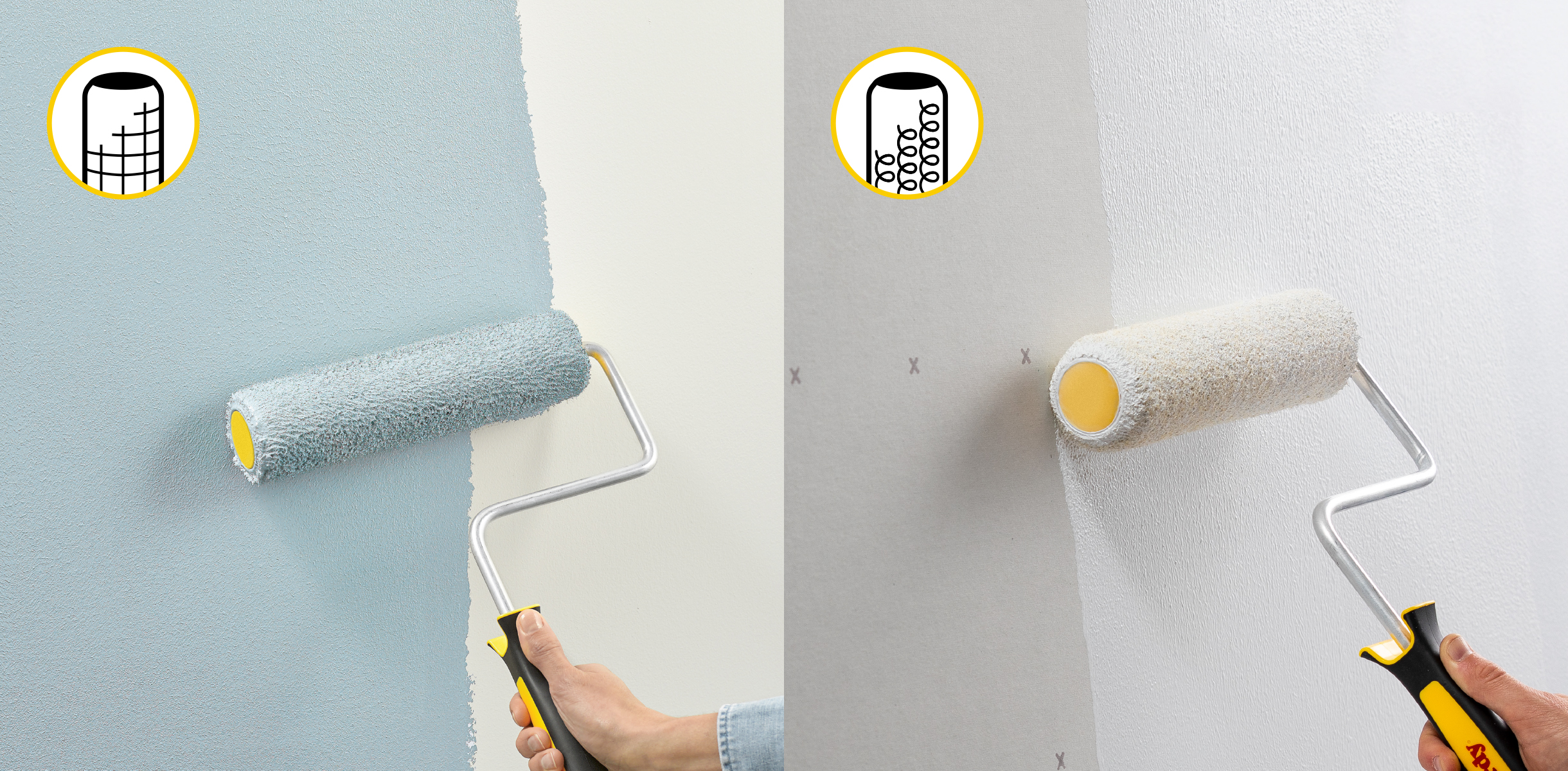
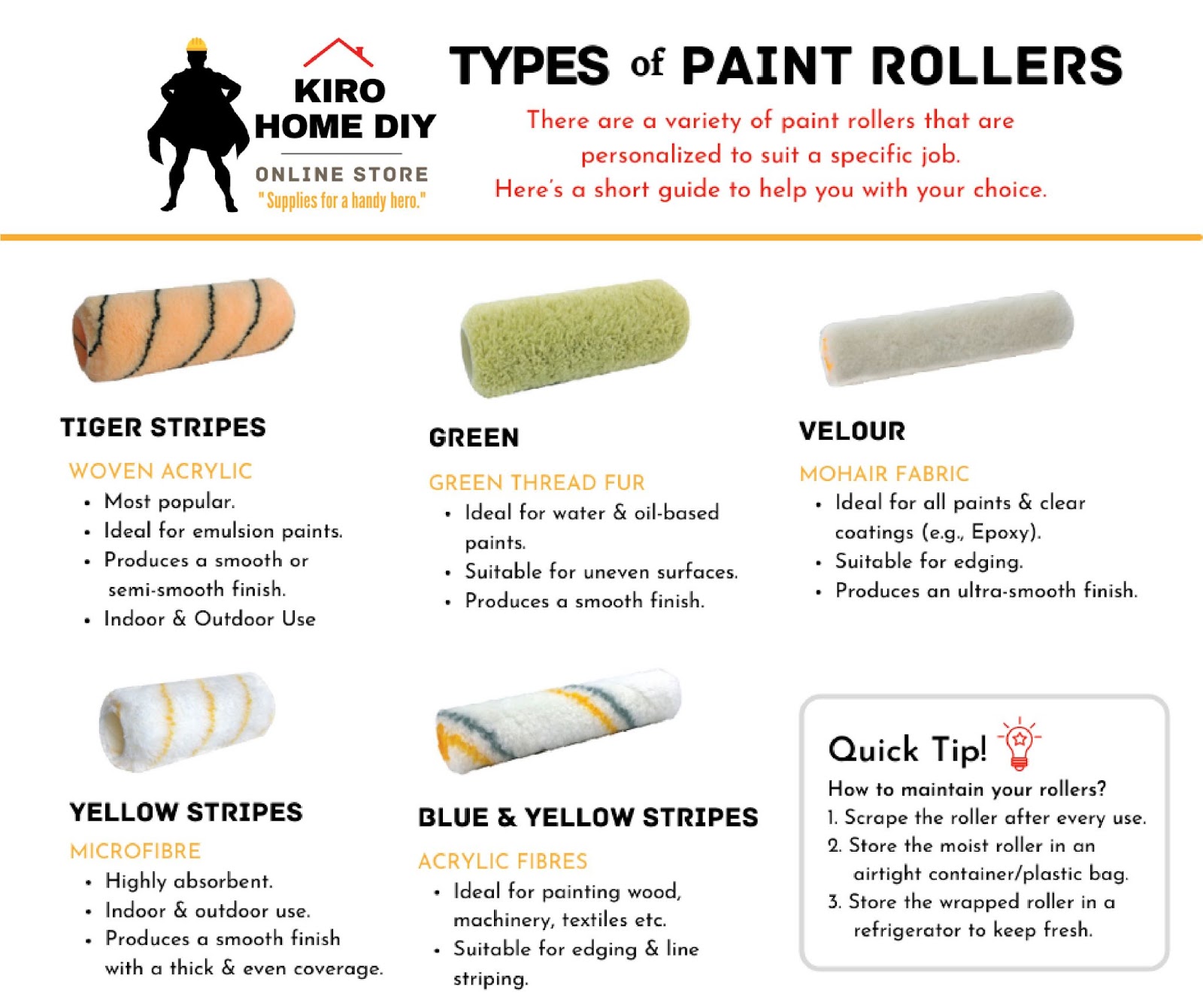
- Microfiber covers hold lots of paint and lay it down evenly. They’re great for walls and ceilings with fewer reloads. They also reduce splatter and can leave a fine finish on semi-smooth surfaces.
- Woven polyester (shed-resistant) gives a cleaner finish with fewer fibers shedding. It is my go-to for latex wall paints and primers on drywall. It balances speed and smoothness.
- Knit polyester holds more paint but may leave more texture. I grab it for rough siding or stucco when I want fast coverage.
- Lambswool and wool blends pick up heavy loads and release smoothly. Pros love them for broad walls and ceilings. They shine with flat or eggshell paints and rougher surfaces.
- Mohair (often a blend with nylon) creates a very smooth finish. It is ideal for doors, trim, cabinets, and metal when you want minimal texture.
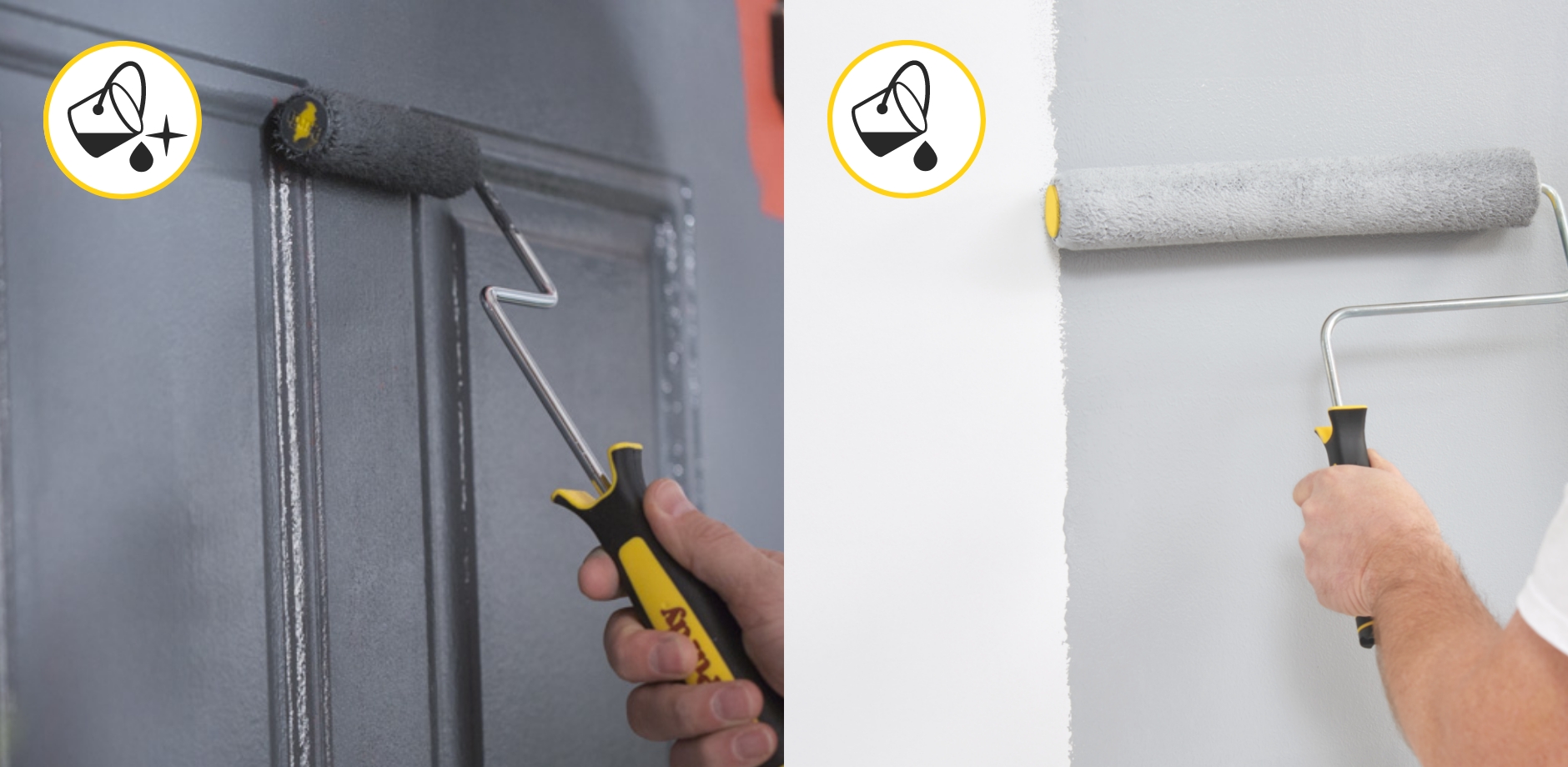
- Foam rollers work best on very smooth surfaces with enamels or varnishes. They can give a glass-like finish on cabinets but do not hold as much paint.
- Blended fabrics mix fibers to balance pickup, release, and finish. These covers help when you want one roller to do many tasks well.
When you compare the types of roller naps, think about paint load, shedding, and surface profile. A smart match keeps your finish clean and your pace steady.
Nap Length Guide by Surface Texture
Nap length affects texture. Short naps lay smoother coats. Long naps reach into pores and pits.
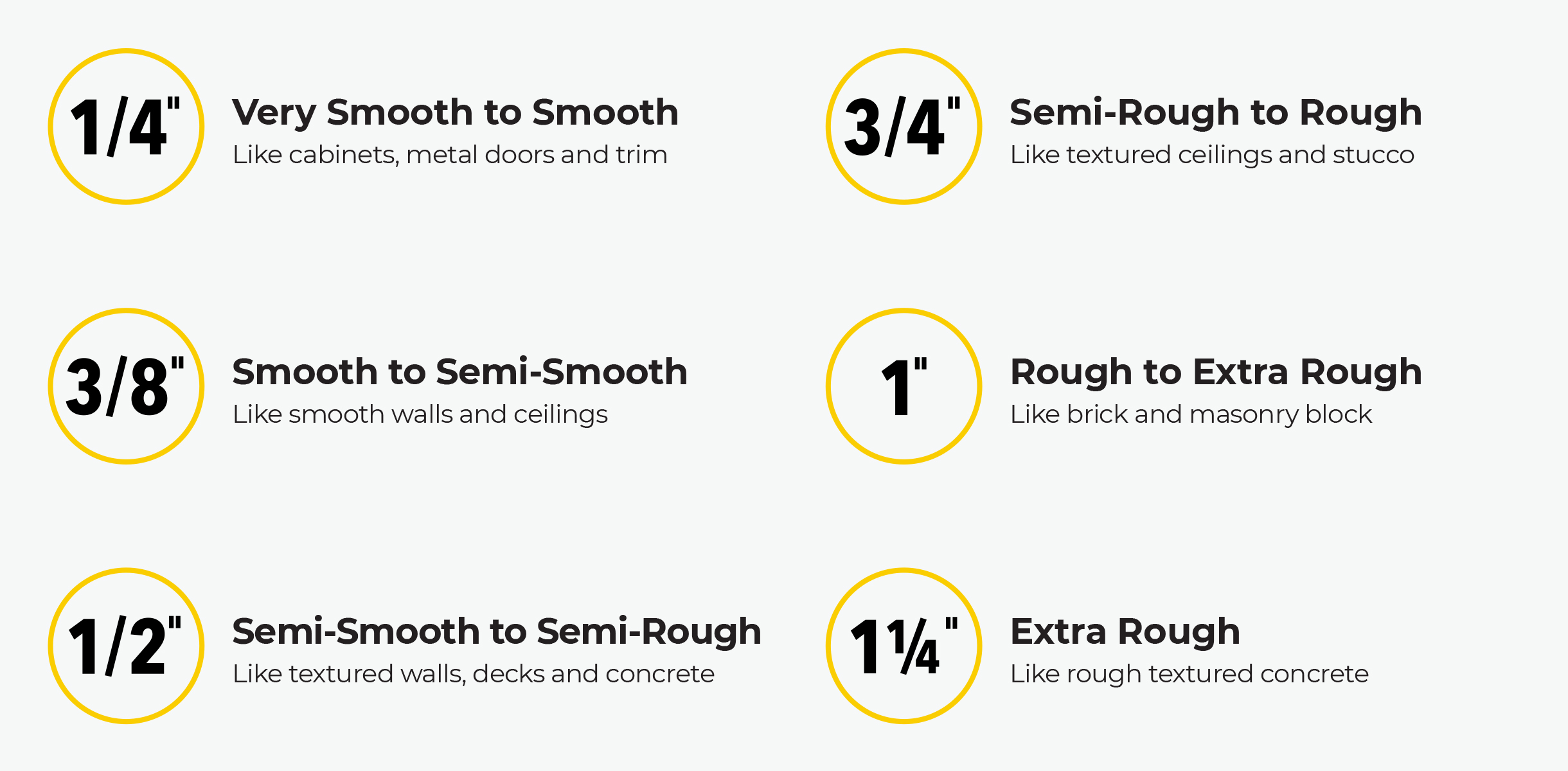
- 1/4 inch nap is for very smooth surfaces. Use it on metal, doors, cabinets, and smooth trim for a near-spray look.
- 3/8 inch nap is the most common size for interior walls. It works on smooth to semi-smooth drywall and leaves a fine, uniform finish.
- 1/2 inch nap fits semi-smooth to semi-rough surfaces. It helps cover light texture, orange peel, or light plaster and masonry.
- 3/4 inch nap is for rough surfaces. It loads lots of paint and reaches deep on stucco, brick, and rough wood siding.
- 1 inch to 1-1/4 inch nap is for very rough masonry or textured block. It is heavy-duty and not for fine finishes.
I follow this simple rule: the rougher the surface, the longer the nap. That one tip will save you time and do more for your finish than any “pro hack.”
Matching Paint Types to the Types of Roller Naps
Paint chemistry matters. The right nap helps the paint level and hide.
- Flat and eggshell latex paints pair well with 3/8 inch woven or microfiber for walls and ceilings. If you have minor texture, step up to 1/2 inch.
- Satin and semi-gloss on trim do better with 1/4 inch to 3/8 inch mohair, microfiber, or high-density foam. You’ll get a smoother finish with fewer roller marks.
- Primers and high-build coatings like a slightly longer nap. A 1/2 inch knit or wool blend helps fill pores and speeds coverage.
- Enamels and urethanes need smooth application. Use mohair or foam on cabinets and doors. For large panels, microfiber can balance smoothness and speed.
- Masonry paint and elastomerics need 3/4 inch or more. The longer nap forces paint deep into rough surfaces.
When in doubt, check the can and the cover packaging. Manufacturers often list the best nap sizes for their products. That guidance aligns with field results in my experience.

Finish Goals: Smooth, Subtle, or Textured
Know your target finish before you roll. The types of roller naps each create a feel.
- For a smooth finish, use short naps like 1/4 inch or fine microfiber. Roll lightly and keep a wet edge.
- For a subtle texture, use 3/8 inch or 1/2 inch. This hides minor drywall flaws without heavy stipple.
- For a textured, rustic look on brick or block, go 3/4 inch or longer. You’ll fill gaps and avoid holidays.
Common problems and fixes:
- Orange peel or heavy stipple: nap is too long or paint is too thick. Switch to a shorter nap and thin within spec.
- Lap marks: work in smaller sections, keep a wet edge, and use even pressure.
- Shedding: choose woven covers labeled shed-resistant and pre-wash or tape-roll the cover before use.
 Source: com.au
Pro Tips from the Field
These habits make more difference than brand names.
- Prep the cover before painting. Rinse and spin to remove loose fibers. This prevents specks in your finish.
- Load correctly. Dip and roll off on the tray, but do not press hard. A loaded cover should glide, not drag.
- Maintain a wet edge. Overlap each pass by a third. This blends lines and avoids flashing.
- Choose frame quality. A sturdy cage spins true. A cheap frame can wobble and cause streaks.
- Clean and reuse wisely. Warm water and soap for latex, mineral spirits for oil. Spin dry and store in a sleeve. If the nap mats down, retire it.
- Test first. When trying new types of roller naps, roll a small section on scrap or a closet wall. Adjust nap length before you commit.
Mistakes I learned from:
- I once tried a 1/2 inch nap on smooth doors with semi-gloss. It left texture. Switching to mohair fixed it fast.
- On old plaster, a 3/8 inch nap skipped pits. A 1/2 inch knit cover solved coverage with one extra pass.
 Source: porchlightrental.com
A Simple Selection Checklist and Quick Picks
Use this quick list to choose the right nap on any job.
- Surface texture: smooth, semi-smooth, semi-rough, rough
- Desired finish: ultra-smooth, standard wall finish, textured
- Paint type: flat, eggshell, satin, semi-gloss, enamel, primer, masonry
- Speed vs smoothness: higher load vs finer finish
- Shedding risk: woven for clean finishes, knit for rough work
Quick picks that rarely fail:
- New drywall with eggshell: 3/8 inch woven microfiber
- Slightly textured walls: 1/2 inch woven polyester
- Trim and doors with enamel: 1/4 inch mohair or high-density foam
- Brick, block, or stucco: 3/4 inch wool blend
- Cabinets with waterborne enamel: fine microfiber or mohair, 1/4 inch to 3/8 inch
Use this with the types of roller naps and you will match the right cover every time.
Frequently Asked Questions of types of roller naps
What does nap length mean on a paint roller?
Nap length is the thickness of the fabric on the roller. Short naps give smooth finishes, while long naps reach into rough surfaces.
Which nap is best for smooth walls?
A 3/8 inch woven or microfiber cover works best. It lays down even coats and leaves a light, clean texture.
Can I use the same nap for primer and paint?
Often yes, but match to the surface. For porous or patched walls, a 1/2 inch nap helps primer fill, then switch to 3/8 inch for the topcoat.
Are foam rollers good for walls?
Foam rollers are better for doors, trim, and cabinets. They can cause bubbles on large walls and do not hold enough paint.
How do I stop roller marks and lap lines?
Keep a wet edge and use steady pressure. Choose the right nap length and avoid over-rolling as the paint starts to set.
Do microfiber rollers shed?
Quality microfiber rollers are shed-resistant. Rinse and spin before use to remove any loose fibers.
What nap should I use on stucco?
Use 3/4 inch or even 1 inch for deep texture. The longer nap forces paint into pits and avoids holidays.
Conclusion
Now you know how the types of roller naps affect finish, speed, and coverage. Match nap length and material to your surface and paint, and your results will jump. Start with a small test, trust the checklist, and let the surface guide your choice.
Ready to roll your best project yet? Put these tips to work, share your results, and drop your questions or wins in the comments.
Related posts:
 Can You Paint Over Stucco: Expert Tips for a Flawless Finish
 What Is a Roller Nap? – Choosing the Perfect Roller for Walls and Ceilingswhat is a roller nap?
 Can You Paint Expanding Foam Tape? – Mistakes to Avoid for a Clean Finish
 Best Paint For Varnished Wood– Top Picks for Strong Adhesion & Finish