
A foam roller and a nap roller are both used for painting, but they serve different purposes based on the surface and finish you want. A foam roller has a smooth, dense surface that produces a fine, uniform finish with minimal texture, making it ideal for cabinetry, doors, and smooth walls. A nap roller (also called a fabric or fuzzy roller) comes in different nap lengths — short for smooth surfaces and longer for textured surfaces like stucco or rough walls — and holds more paint for faster coverage. Choose a foam roller for high-gloss or ultra-smooth finishes, and a nap roller for general wall painting and textured surfaces.
“Don’t ruin your drywall; pick the best paint roller nap size for a subtle, even stipple.”
Best for Large Decks: Pro-Grade Woven 3/8″ Nap Roller If you’re doing the floorboards, you need the durability of a woven nap. It holds enough stain to cover long boards in one pass without the “shredding” issues common with foam.
Best for Railings & Trim: High-Density Small Foam Roller For a drip-free finish on smooth handrails, a high-density foam roller provides a “sprayed-on” look that fiber rollers can’t match.
Foam rollers lay ultra-smooth coats; nap rollers cover faster with texture control.
If you are torn between foam roller vs nap roller, you are not alone. I have painted cabinets, doors, walls, and even rough stucco. I know where each tool shines and where it fails. This guide explains foam roller vs nap roller with clear choices, real tips, and pro steps you can trust.

Foam roller vs nap roller: what they are
A foam roller is a dense sponge sleeve. It lays paint by pressing and releasing paint with tiny air pockets. It is often used on trim, doors, and cabinets.
A nap roller is a fabric sleeve. The “nap” is the fiber length. It grabs and releases paint through the fibers. You pick nap length based on surface roughness and paint type.
Both tools roll paint. But foam roller vs nap roller gives you two very different results. One chases a glassy finish. The other balances speed and texture control.
Best Nap for Painting Walls– Choosing the Right Roller for Every Wall Type
Foam roller vs nap roller: key differences
- Material. Foam is a high-density sponge. Nap is knit or woven fabric like microfiber or mohair.
- Finish. Foam can look very smooth, even glass-like with enamels. Nap leaves a light stipple that hides flaws.
- Paint type match. Foam loves oil-based enamels, urethanes, and stains. Nap is best with water-based latex and acrylics.
- Surface match. Foam is for very smooth surfaces. Nap covers smooth to rough, depending on nap length.
- Speed and coverage. Nap rollers load more paint and work faster. Foam rollers are slower and better for detail work.
- Risk of defects. Foam can trap bubbles, especially with fast-rolling and latex. Nap can shed lint if cheap or not prepped.
If you ask foam roller vs nap roller for walls, the nap roller wins. For cabinets and doors, foam often wins, but not always.
When a foam roller wins
Use foam when you want a slick finish on small, smooth areas. Think doors, trim, cabinets, furniture, and touch-ups. It shines with enamel, oil-based, or waterborne trim paints that level well.
I use high-density foam for cabinet frames and flat doors. It lays a thin, even film. When I roll and tip with a fine brush right after, the finish levels like glass.
Tips for foam success:
- Pick high-density foam. Cheap foam tears and bubbles.
- Lightly dampen with solvent or water, as fit for the paint, then spin dry.
- Load less paint. Work in small zones to avoid bubbles.
- Roll slow. High speed whips air into the film.
- Use a light final pass in one direction to reduce lap marks.
Do not choose foam on rough walls or heavy textures. It will skip and leave holidays. In the foam roller vs nap roller debate, foam is for finesse, not speed.
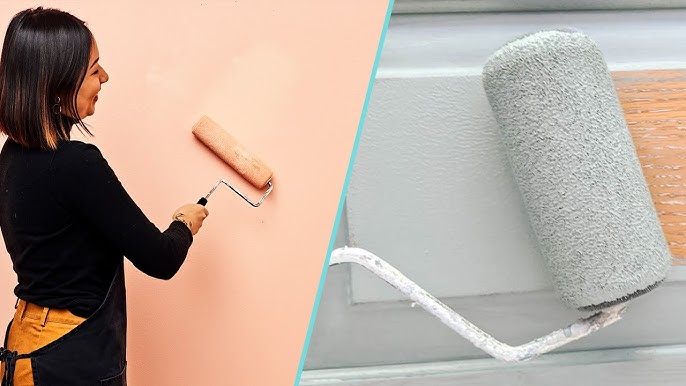
When a nap roller wins
Nap rollers are the daily driver for walls and ceilings. They hold more paint and move fast. The right nap length is the secret.
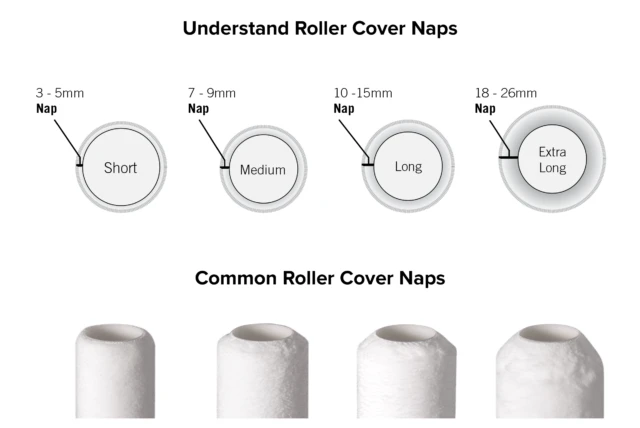
Nap length guide:
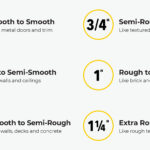
- 1/4 inch nap. Very smooth doors, metal, and fine trim. Minimal texture.
- 3/8 inch nap. Smooth drywall. Best for most interior walls with eggshell or satin.
- 1/2 inch nap. Slightly textured drywall and ceilings. Balanced coverage.
- 3/4 inch nap and up. Rough plaster, brick, block, and stucco. High build and reach.
Woven covers shed less, which is great for satin and semi-gloss. Knit covers lay down more paint and are fine for flats and primers. Microfiber covers carry a lot of paint with a tight finish.
For foam roller vs nap roller on large rooms, nap wins on time, coverage, and hiding power.
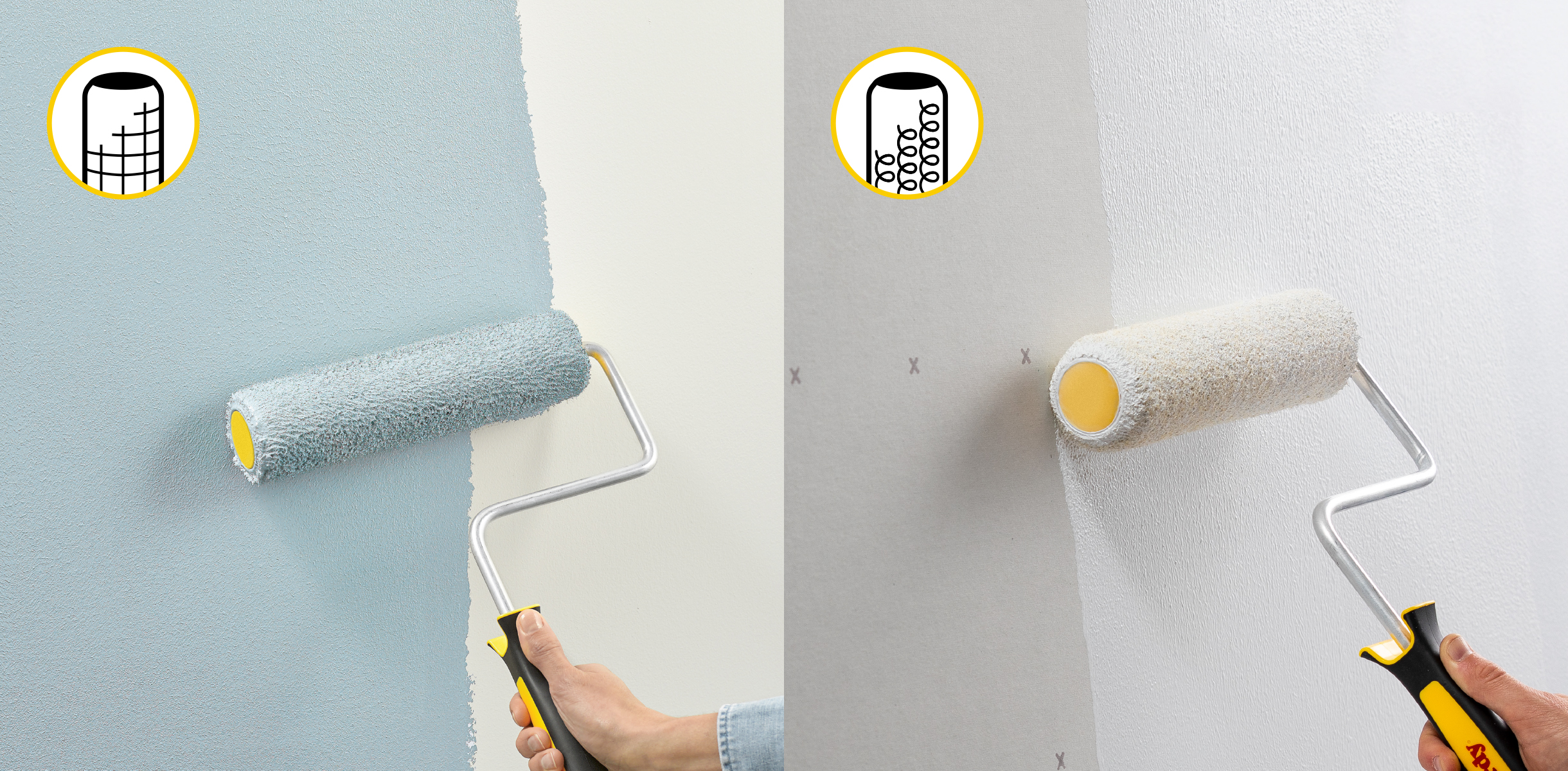
Finish and texture control
Finish is where foam roller vs nap roller feels most different. Foam can look like a sprayed finish on the right paint. Nap hides more but leaves a soft stipple.
How to reduce roller marks and bubbles:
- Watch paint viscosity. Thin thick enamels per label. Thick paint levels slow and holds texture.
- Use the right nap. Too long a nap makes heavy texture. Too short skips and drags.
- Keep a wet edge. Work in small sections. Overlap while paint is wet.
- Use a final light pass. Always in the same direction with even pressure.
- Control room conditions. Warm, dry air flashes paint fast and locks in texture.
Evidence from lab tests and maker guides is clear. Leveling improves with proper film thickness, right nap length, and steady speed. Foam roller vs nap roller both can look great if you control those factors.
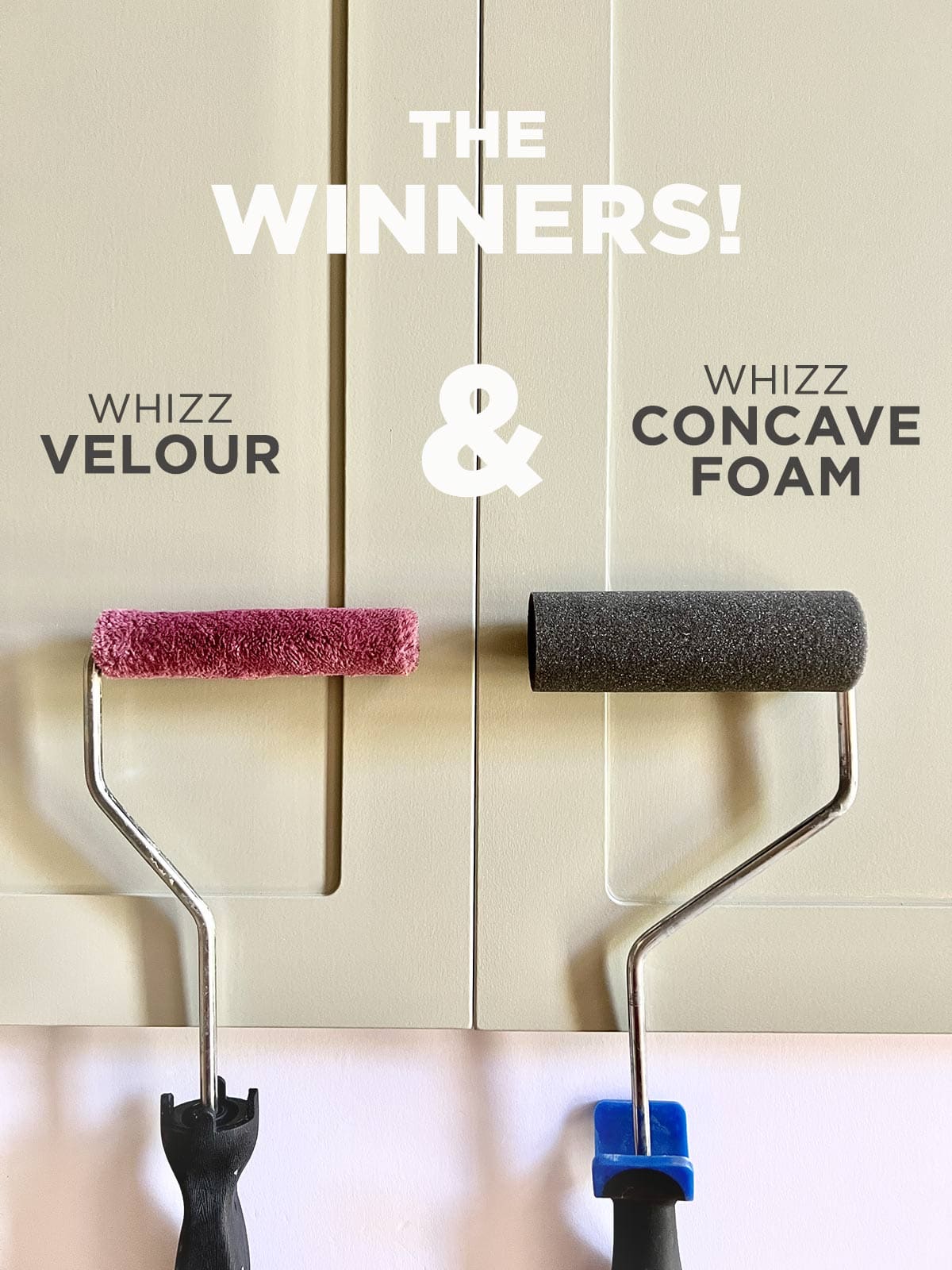
Speed, coverage, and cost
On speed, nap rollers win big. You can cover a room in an afternoon with a 3/8 inch nap. Foam takes more time, more reloads, and more care.
On coverage:
- Nap rollers carry more paint and deliver higher mil build per pass.
- Foam rollers lay thin coats. You will need more passes to hit the film build.
On cost:
- Foam sleeves are cheap but wear fast.
- Good nap sleeves cost more but can last many jobs with care.
For foam roller vs nap roller on budget projects, a mid-grade woven 3/8 inch nap is the best value. For fine finish work, buy high-density foam and expect more sleeves per job.
Techniques I trust on real jobs
These are field-tested moves that save time and improve results. They also settle the foam roller vs nap roller choice in the moment.
For cabinets and doors:
- Use high-density foam for the rails and stiles.
- Back-roll with a fine brush tip to erase micro-bubbles.
- Work in panels. Keep edges wet to prevent lap lines.
For walls:
- Prime with a knit 1/2 inch nap for fast build.
- Finish with a woven 3/8 inch nap for a tighter look.
- Load well, roll a W pattern, then level with light up-and-down passes.
For ceilings:
- Use a 1/2 to 3/4 inch nap to fight fatigue and sag.
- Roll toward light sources for a uniform look.
Prep tricks that always help:
- De-lint nap rollers with painter’s tape before use.
- Pre-dampen covers (water for latex, mineral spirits for oil), then spin dry.
- Strain paint to reduce debris that causes tracks.
Mistakes to avoid:
- Pressing too hard. It squeezes out paint and leaves dry edges.
- Rolling too fast with foam. It creates bubbles.
- Using the wrong nap length. Texture issues follow every time.
Choosing the right roller: quick checklist
Use this quick path when you face foam roller vs nap roller on your next job.
- What surface? Smooth doors or trim suggest foam or 1/4 inch nap. Walls suggest 3/8 to 1/2 inch nap. Rough surfaces need 3/4 inch and up.
- What paint? Water-based wall paint likes nap. Oil or waterborne enamel levels better with foam or fine-woven nap.
- What finish goal? Glass-smooth favors foam. Subtle hide with speed favors woven nap.
- What size area? Small areas favor foam. Large areas favor nap.
- What sheen? Higher sheens show flaws. Choose fine-woven nap or foam and tighten your technique.
If two options look close, test a small area. In foam roller vs nap roller choices, a 10-minute test can save hours.
Care, cleanup, and re-use
Taking care of your tools pays off. Clean right after you finish.
- For latex. Rinse rollers in warm water, then wash with mild soap. Spin dry and store upright.
- For oils. Use the right solvent. Wash until clean, then spin and wrap.
- Storage. Wrap sleeves in plastic to keep them from drying out between coats.
- Rotation. Keep one sleeve for primers and another for finish coats.
A good nap sleeve can last many projects. Foam sleeves wear out faster, but careful washing extends life a bit. This affects your foam roller vs nap roller cost over time.
Troubleshooting common issues
Orange peel texture
- Cause. Too thick paint, wrong nap, heat, or low film build.
- Fix. Adjust nap length, thin as directed, and use a lighter final pass.
Bubbles with foam
- Cause. Fast rolling or high water in latex.
- Fix. Roll slower, reduce pressure, and tip off with a brush.
Lap marks
- Cause. Lost wet edge or uneven loading.
- Fix. Work smaller zones and reload more often.
Lint in finish
- Cause. Cheap or un-prepped nap covers.
- Fix. Use quality covers and de-lint before use.
Sags and runs
- Cause. Too much paint or slow drying.
- Fix. Use lighter loads and cross-roll to level.
Frequently Asked Questions of Foam roller vs nap roller
Is a foam roller better for cabinets than a nap roller?
Yes, in many cases. Foam gives a smoother finish with enamels, while a fine-woven 1/4 inch nap can also work well for larger panels.
Which roller is best for latex wall paint?
A 3/8 inch woven or microfiber nap is best. It balances speed, coverage, and a clean finish on typical drywall.
Can I use a foam roller for ceilings?
You can, but it is slow and may bubble. A 1/2 to 3/4 inch nap is faster and hides better on ceilings.
How do I stop bubbles with a foam roller?
Roll slower and avoid heavy pressure. Use leveling paint or back-brush lightly to pop micro-bubbles.
What nap should I use for rough stucco?
Use 3/4 inch or 1 inch nap. It reaches into the crevices and builds a uniform coat.
Do microfiber rollers reduce lint?
Yes. Quality microfiber covers shed less and hold more paint. They also leave a fine, tight finish.
Will a nap roller leave texture on semi-gloss?
A woven 1/4 to 3/8 inch nap leaves minimal texture. Keep a wet edge and a light final pass to reduce stipple.
Conclusion
Foam roller vs nap roller is about matching the tool to the task. Foam excels on smooth, small areas and high-levelling paints. Nap wins for walls, ceilings, and rough surfaces where speed and hiding matter. Choose by surface, paint, sheen, and finish goals, then test a small area to confirm.
Give these tips a try on your next project. Build a small kit with one high-density foam sleeve and two quality nap covers. If this helped, share your results, subscribe for more painting guides, or ask a question in the comments.
Related posts:
 How to Choose Roller Nap for Painting – Common Mistakes That Ruin Walls
 Can You Paint Expanding Foam Tape? – Mistakes to Avoid for a Clean Finish
 What Is a Roller Nap? – Choosing the Perfect Roller for Walls and Ceilingswhat is a roller nap?
 Eggshell Paint Looks Patchy (2026)– Common Mistakes and Quick Fixes