
Nap rollers and microfiber rollers are both used for painting, but they perform differently depending on the surface and finish you want. Nap rollers (with a fuzzy fabric) are ideal for rough or textured surfaces like stucco or concrete because the longer fibers hold more paint and reach into crevices. Microfiber rollers have extremely fine synthetic fibers that produce a smoother finish with fewer lint particles, making them great for walls, ceilings, and cabinets with smooth surfaces. For best results, choose the roller nap length based on surface texture (shorter naps for smooth surfaces, longer naps for rough surfaces) and prefer microfiber when you want a very smooth, high-quality finish.
Cut your project time in half by choosing the best paint rollers that hold more paint and offer superior coverage in a single pass.
Use nap rollers for textured walls; choose microfiber for smooth finishes and trim.
If you want a clean, fast paint job, the tool matters as much as the paint. I have tested both on drywall, cabinets, and rough masonry. In this guide, I break down nap roller vs microfiber with clear use cases, pro tips, and honest results. You will learn when each shines, and how to avoid common mistakes. Read on to make nap roller vs microfiber an easy choice for your next room.
Best Nap for Painting Walls– Choosing the Right Roller for Every Wall Type
Nap roller vs microfiber: how each tool works
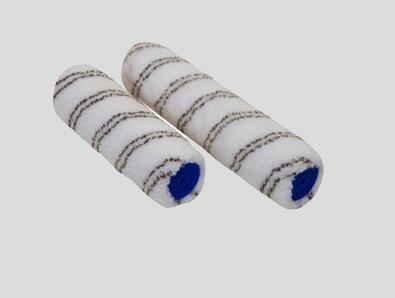
Nap rollers use a fabric cover with a pile. The pile is the nap. As it spins, it pushes paint into pores and low spots. It leaves a light texture called stipple. This is good for hiding flaws and filling rough areas.
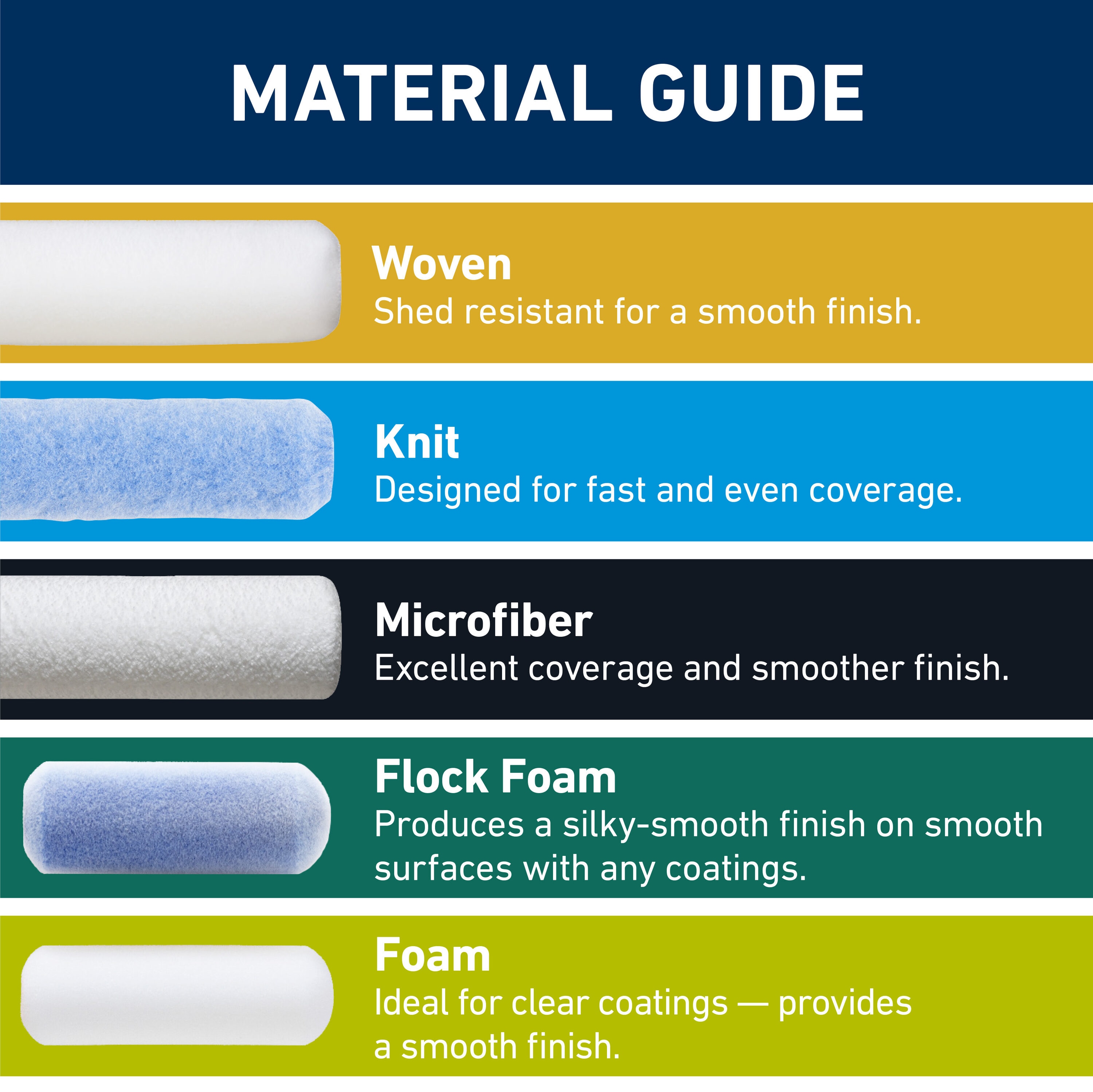
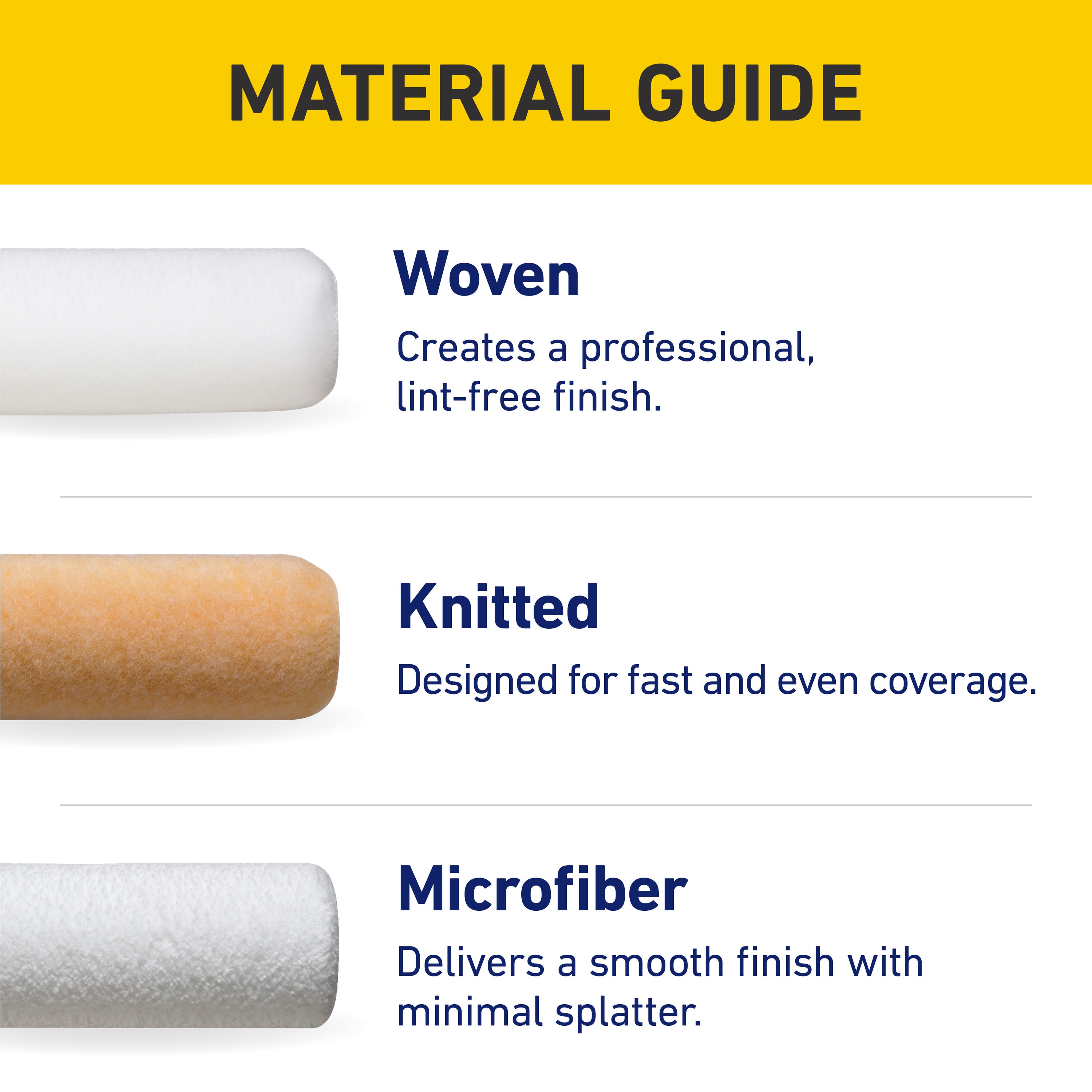
Microfiber rollers or pads use tiny fibers that hold a lot of paint. They release paint in a thin, even film. The finish looks smooth. It is great for doors, cabinets, and fine walls. It also helps reduce lint and splatter when used right.
Key types and what they do:
- Short nap rollers, 1/4 to 3/8 inch: Best on smooth walls and ceilings with latex. Tight finish. Less stipple.
- Medium nap rollers, 1/2 inch: Good for most walls with mild texture. Balanced coverage and speed.
- Long nap rollers, 3/4 inch and above: Great for brick, popcorn, and stucco. High paint load. More texture.
- Microfiber rollers, thin: Use on trim, cabinets, and smooth drywall. Very fine finish.
- Microfiber rollers, medium or thick: Use on semi-smooth walls for a smooth yet fast coat.
When you line up nap roller vs microfiber, think about your surface first. Then match nap height or fiber density to the job.
Nap roller vs microfiber by surface type
You want the right match between tool and surface. Here is how I choose for common jobs.
Smooth drywall and new plaster
Microfiber wins most of the time here. It lays down a light, even film. It helps you avoid orange peel. You get a crisp finish with eggshell, satin, or semi-gloss.
Semi-smooth drywall with minor patches
Use a 3/8 or 1/2 inch nap roller or a medium microfiber. Both work. If the wall has many small dings, the nap roller hides more.
Rough or textured walls and masonry
Choose a 3/4 inch nap roller or longer. It presses paint into voids. Microfiber struggles to reach deep grooves on brick or heavy texture.
Ceilings
On flat paint ceilings, a 1/2 inch nap roller is fast and forgiving. Microfiber also works on smooth ceilings if you want less splatter. For popcorn, go long nap.
Doors, trim, and cabinets
Microfiber is my pick with a fine foam or micro pad for edges. It gives a sleek finish with minimal stipple. Nap rollers can leave texture that shows in light.
If your question is nap roller vs microfiber for everyday walls, both can do well. The final call depends on how smooth you want the finish and how rough the wall is.
Finish quality, coverage, and speed
Finish is the look you see when the paint dries. Nap roller vs microfiber can change that look in a big way.
Finish quality:
- Nap rollers add a light stipple. This helps hide joints and small flaws. It can soften harsh light.
- Microfiber lays a flatter film. It looks sleek. It shows flaws more, so prep matters.
Coverage and film build:
- Nap rollers load lots of paint. Great for low sheen flats and matte on walls and ceilings.
- Microfiber gives even film build with fewer lap marks. It shines with satin and semi-gloss.
Speed and control:
- Nap rollers move fast on big areas. Think living rooms and hallways.
- Microfiber feels precise. It cuts spatter and keeps edges sharp. Great for tight spaces and trim.
Splatter:
- Longer nap means more splatter risk. Roll slow and keep a wet edge.
- Microfiber tends to splatter less when you do not overfill it.
This is the core of nap roller vs microfiber. Do you want speed and hide, or gloss control and finesse?
Cost, durability, and cleanup
A good cover saves you time and money. A cheap one can shed lint and ruin a wall.
Cost:
- Quality nap covers cost less than fine microfiber in most stores.
- Microfiber covers last longer if you clean them well. The cost per room can be the same.
Durability:
- A premium woven nap holds up for many rooms. Knit nap can shed more.
- Microfiber resists matting if you do not crush it during storage.
Cleanup:
- With latex paint, rinse warm, then cold, until water runs clear.
- Use a roller spinner or a brush comb on the cover. Do not twist the fibers hard.
- For oil-based paint, use the right solvent. Follow the can. Dry flat.
Storage:
- Wrap a damp cover in plastic for short breaks. Squeeze the air out.
- For next-day use, store in the fridge. Let it warm up before you roll.
In nap roller vs microfiber, both clean up well if you do not let paint dry in the fibers.
My field notes and tests
I have rolled more than 300 rooms, from budget rentals to custom homes. Here is what stood out.
Living room, light texture drywall:
I tested 1/2 inch nap vs medium microfiber with eggshell latex. The nap roller hid patches better in daylight. The microfiber looked a touch smoother but showed one bad seam. I chose nap for that job.
Kitchen cabinets, factory primer:
I tried thin microfiber vs foam. Microfiber won on speed and level finish. Foam left tiny bubbles near the hinges. The microfiber coat looked close to sprayed after a light sand and second coat.
Basement block wall:
Only a 3/4 inch nap roller could push paint into the pores. Microfiber skimmed the surface and left voids. Nap was the clear pick.
These tests echoed what pros say about nap roller vs microfiber. Choose based on surface, sheen, and how much texture you can accept.
A simple step-by-step chooser
Use this quick flow when you stand in the aisle and weigh nap roller vs microfiber.
- Check the surface.
- Smooth: Choose microfiber or 3/8 inch nap.
- Semi-smooth: Try 1/2 inch nap or medium microfiber.
- Rough: Use 3/4 inch nap or longer.
- Check the paint sheen.
- Flat or matte: Nap is forgiving.
- Eggshell or satin: Microfiber gives even film.
- Semi-gloss or gloss: Microfiber for a sleek look.
- Check your goal.
- Hide flaws: Nap roller.
- Showroom smooth: Microfiber.
- Check your speed needs.
- Large areas fast: Nap roller.
- Detail work: Microfiber.
- Buy quality.
- Look for heat-bonded cores and lint-free claims. Avoid bargain packs that shed.
Keep this flow handy. It makes nap roller vs microfiber a fast choice, not a guess.
Common mistakes with nap roller vs microfiber
Avoid these issues that I see all the time.
- Overloading the roller. It causes runs and heavy orange peel. Dip less. Roll more.
- Using long nap on smooth walls. It adds texture you did not want. Match nap to the wall.
- Using microfiber on rough block. It fails to reach low spots. Use long nap instead.
- Pressing too hard. It squeezes paint out and leaves tracks. Let the tool do the work.
- Skipping surface prep. Smooth tools show flaws. Sand, patch, and prime as needed.
- Rolling too fast. It makes splatter and misses edges. Slow and steady wins.
Small fixes like these make a huge difference in nap roller vs microfiber results.

Care, storage, and re-use tips
Good care makes your tools last longer and work better.
- Before first use, lint-roll or tape a new cover. This cuts fuzz in the paint.
- Pre-wet with water for latex, then spin out. This helps the roller load evenly.
- Load the tray halfway. Roll off extra on the tray ramp.
- Clean right after painting. Do not let paint dry in the fibers.
- Spin dry and hang. Do not crush nap or microfiber in a tight bag.
With the right care, both tools can serve for many rooms. This also narrows the cost gap in nap roller vs microfiber.

Frequently Asked Questions of nap roller vs microfiber
Which gives a smoother finish, nap roller or microfiber?
Microfiber gives a smoother film on doors, trim, and fine walls. Nap rollers leave light texture that helps hide flaws.
Is microfiber better for semi-gloss and gloss paints?
Yes, microfiber lays gloss more evenly and reduces lap marks. It also limits lint, which shows in shiny coats.
What nap length should I use for walls?
For most smooth walls, 3/8 or 1/2 inch nap works well. Go to 3/4 inch for heavy texture or masonry.
Does microfiber splatter less than a nap roller?
Often, yes. Microfiber holds paint tight, so it can splatter less when not overloaded. Good technique still matters.
Can I use microfiber on ceilings?
You can on smooth ceilings, especially with low splatter needs. For popcorn or heavy texture, use a long nap roller.
How do I avoid orange peel with a roller?
Use a finer tool like microfiber, thin your paint only if the can allows, and roll in small sections. Keep a wet edge and light pressure.
Will microfiber work with primers?
Yes, microfiber works with most water-based primers. For rough surfaces, a longer nap roller may bond and fill better.
Conclusion
The choice between nap roller vs microfiber comes down to surface, sheen, and your finish goal. Nap rollers hide flaws and power through texture. Microfiber lays paint smooth and clean on fine work. Both can be the right tool when matched to the job.
Pick one tool for each surface today and test a small area. Watch how the paint lays down and dries. Adjust, then commit to the full room. If this guide helped you sort out nap roller vs microfiber, subscribe for more hands-on paint tips or drop your questions in the comments.
Related posts:
 How to Choose Roller Nap for Painting – Common Mistakes That Ruin Walls
 Foam Roller Vs Nap Roller- Disastrous Mistakes That Ruin Your Paint
 What Is a Roller Nap? – Choosing the Perfect Roller for Walls and Ceilingswhat is a roller nap?
 Best Nap for Painting Walls– Choosing the Right Roller for Every Wall Type