Does Vinegar Remove Emulsion Paint?
Yes, vinegar can help remove emulsion paint, especially when the paint is fresh or water-based. The mild acidity of vinegar softens the paint, making it easier to wipe or scrape off from surfaces like glass, tiles, or metal. However, vinegar is less effective on fully cured or multiple paint layers and may not work well on delicate surfaces. For best results, apply warm vinegar, let it sit briefly, and test on a small area first.
Vinegar can soften fresh emulsion paint but rarely strips fully cured coats.
If you have a splash on a wall or trim, you are not alone. Many homeowners ask does vinegar remove emulsion paint and hope for a fast fix. I have tested vinegar on many jobs, from sticky drips to old wall coats. In this guide, I break down what works, what fails, and how to use vinegar the right way for safe, clean results.
How To Remove Dried Emulsion Paint From Fabric?– Safe for Clothes & Upholstery
Does vinegar remove emulsion paint? How it works on latex binders
Emulsion paint is water based. It uses acrylic or vinyl latex binders and pigments. White vinegar is a weak acid. It is about 5 percent acetic acid. That matters because acids can swell some latex films.
So, does vinegar remove emulsion paint? On fresh or thin splatters, vinegar helps. Warm vinegar can soften the paint. Then you wipe or scrape it off with a plastic tool. For thick or cured paint, vinegar does not dissolve the film. It only softens the surface at best.
Here is the simple science. Dilute acetic acid can disrupt surfactants in fresh latex paint. It may also react with chalky fillers in the paint. That swelling makes the paint easier to lift. But once the paint cures and crosslinks more, the film resists acids. That is why old coats stay put.
Is Emulsion Paint Right for You? Discover Pros And Cons of Emulsion Paint
When vinegar works vs. when it does not
You want to match the method to the mess. Ask yourself a few questions first.
Vinegar works best when:
- The paint is less than 24 to 48 hours old.
- The spill is thin, like a mist or drip edge.
- The surface is non porous, like glass or glazed tile.
- You can keep vinegar on the spot for 10 to 20 minutes.
Vinegar struggles when:
- The paint is more than 7 days old and fully cured.
- The coat is thick and layered.
- The surface is porous, like bare wood or unsealed cement.
- The area has a glossy clear coat that you do not want to dull.
People ask, does vinegar remove emulsion paint on walls that are years old? It will not strip a room. It may dull the top and make it chalk a bit. You still need scraping or a stronger solvent.
Is 70 Or 90 Isopropyl Alcohol Better For Paint Stripping?
Step by step: How to remove emulsion paint with vinegar
You can do this in a small and safe way. Follow the steps to get a clean result.
What you need:
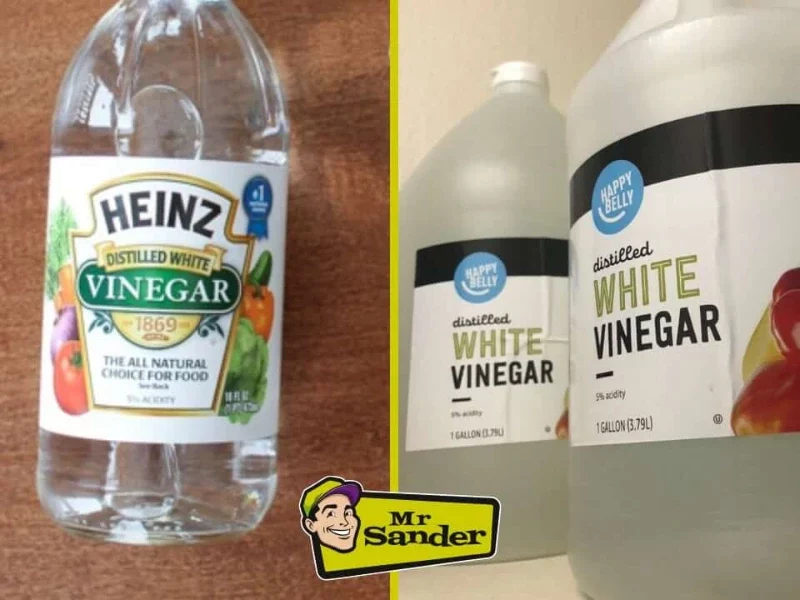
- White vinegar
- Water
- Spray bottle or bowl
- Clean cloths or paper towels
- Plastic scraper or old credit card
- Mild dish soap
- Sponge
- Gloves and eye protection
Steps:
- Test a small spot. Dab vinegar on a hidden area. Wait 10 minutes. Check for dulling or damage.
- Warm the vinegar. Do not boil it. Aim for hot but safe to touch with gloves.
- Soak a cloth in warm vinegar. Press it on the paint for 10 to 15 minutes. Keep it wet. Reapply as needed.
- Gently lift the paint with a plastic scraper. Work at a low angle. Do not gouge the surface.
- Wipe with a mix of warm water and a drop of dish soap. Rinse with clean water.
- Repeat if needed. Add time and patience rather than force.
Many readers ask, does vinegar remove emulsion paint faster if you mix it? A 1:1 mix of vinegar and water is a good start. Use full strength on stubborn spots if the surface is safe.
Matt Or Silk Emulsion– Which Paint Finish Is Best for Your Walls?
Surface by surface guide
Each surface reacts in its own way. Use the right plan for each one.
Walls painted with emulsion:
- Vinegar can fade scuffs or fresh drips on the same paint. But it may dull the sheen.
- Work small. Blot, do not scrub hard. Rinse and dry.
- If you cut through, keep touch up paint on hand.
Glass and tile:
- This is the easiest win. Vinegar softens fresh specks well.
- Lay a soaked cloth for 10 minutes. Scrape with a plastic blade. Wipe clean.
Wood trim and doors:
- Test first. Vinegar can dull varnish or shellac.
- Use a small swab on the paint only. Keep vinegar off the clear coat.
- Follow with mild soap and a quick dry.
Fabric and carpet:
- Blot wet paint first. Do not rub.
- Apply diluted vinegar. Blot and rinse. Repeat.
- If the stain set, use a laundry safe stain remover after testing.
Concrete and brick:
- Vinegar can fizz on cement due to lime. That may etch.
- Use care. Try a poultice with baking soda after to neutralize.
- For big jobs, use a pressure washer or a paint remover made for masonry.
People often ask, does vinegar remove emulsion paint on wood floors? It can soften small specks, but it may haze the finish. Work with a cotton swab and keep the area tiny.
Better options when vinegar is not enough
Sometimes you need more than kitchen acids. Choose the mildest tool that works.
Good alternatives:
- Warm soapy water for very fresh paint. Simple and safe.
- Denatured alcohol for latex paint. It removes many cured latex spots on hard surfaces. Always test first.
- Household ammonia solution for latex. Use in a well ventilated space. Never mix with bleach.
- Commercial latex paint remover. These target water based binders. Follow the label.
- Steam and a scraper for windows. Heat softens paint without harsh chemicals.
- Melamine foam pads for micro texture. Light pressure only to avoid dulling.
A common search is does vinegar remove emulsion paint better than alcohol. For fresh paint, both can work. For cured paint, alcohol or a latex remover often wins.
Safety notes:
- Wear gloves and eye protection.
- Ventilate the area.
- Keep acids away from natural stone. They can etch it fast.
- On metals, dry and oil the area after to prevent rust.
Troubleshooting and pro tips from experience
I have cleaned many spills in real homes. These simple habits save time and surfaces.
Tips that work:
- Start weak, then go strong. Begin with warm water. Then try diluted vinegar. Then full strength. Then alcohol if needed.
- Add time, not force. Let the liquid dwell. Do not grind the surface.
- Keep tools soft. Plastic scrapers and microfiber cloths prevent scratches.
- Neutralize and rinse. Wipe with water after acids. Dry well.
Frequent mistakes:
- Skipping the test spot. That is how finishes get ruined.
- Using steel tools on glass or tile. That leaves marks.
- Mixing chemicals. Never mix vinegar with bleach. It makes toxic gas.
One more note on the core question. Many readers test this themselves and ask, does vinegar remove emulsion paint on old wall coats? It softens at best. Plan to touch up or repaint if you overwork an old film.
Frequently Asked Questions of does vinegar remove emulsion paint
Does vinegar remove emulsion paint from walls without damage?
It can soften fresh marks, but it may dull the sheen. Test a small area, use light pressure, and rinse after.
Does vinegar remove emulsion paint from glass and mirrors?
Yes, it works well on fresh specks. Soak with warm vinegar, scrape with a plastic blade, then wipe clean.
Can I mix baking soda with vinegar to remove emulsion paint?
You can, but they neutralize each other and lose strength. Use vinegar alone first, then rinse and try a different cleaner if needed.
Does vinegar remove emulsion paint better when heated?
Warm vinegar speeds the softening on fresh paint. Keep it hot but not boiling, and reapply to keep it wet.
Will vinegar damage wood finishes while removing emulsion paint?
It can haze varnish or shellac. Use a cotton swab to target only the paint, then wipe and dry fast.
Does vinegar remove emulsion paint from fabric?
It can help lift fresh paint if you blot first. For set stains, use a fabric safe stain remover after testing.
Is vinegar safe on natural stone when removing paint?
No. Vinegar can etch stone like marble or limestone. Use a stone safe cleaner or a pro grade remover designed for stone.
Conclusion
Vinegar is a handy first step for small latex messes. It softens fresh emulsion paint on non porous surfaces so you can lift it clean. It will not strip cured wall coats, and it can dull some finishes.
Use the method that fits the mess. Start with a test spot, give the vinegar time to work, and move up to stronger options only if needed. Ready to tackle your project with confidence? Try the steps above, then share your results or questions in the comments.