Can You Spray Emulsion Paint?
Yes, you can spray emulsion paint, but it usually needs proper thinning and the right equipment. Emulsion paint is thicker than spray paint, so it must be diluted with water according to the sprayer manufacturer’s guidelines to ensure smooth application. Spraying emulsion can provide a fast, even finish on walls and ceilings, but good surface preparation, masking, and practice are important to avoid drips, overspray, or uneven coverage.
Yes, you can spray emulsion paint with the right sprayer, prep, and technique.
If you’ve wondered can you spray emulsion paint and get a smooth, fast finish, you’re in the right place. I’ve sprayed countless rooms, from busy hallways to large open-plan spaces. In this guide, I’ll walk you through how, when, and why spraying emulsion works, with pro tips, mistakes to avoid, and honest trade-offs.
What emulsion paint is and why spraying works
Emulsion paint is water-based and low odor. In the US, it’s like standard interior latex paint. It dries fast, is easy to clean, and is safe for homes.
Spraying lays down a fine mist for a smooth coat. It shines on large walls and ceilings, doors, trims, and tricky corners. If you ask can you spray emulsion paint on most indoor surfaces, the short answer is yes, with proper prep and masking.
Does Vinegar Remove Emulsion Paint?– When Vinegar Helps and When It Fails
Pros and cons of spraying emulsion
Spraying can feel like a superpower. But it demands control and care. Here’s the truth from the field.
Pros:
- Smooth, even finish with fewer roller marks and laps.
- Very fast on big areas and ceilings.
- Great coverage on detail, corners, and textured walls.
Cons:
- More prep time due to masking and covering.
- Overspray risk without good control and ventilation.
- Cleanup takes longer than a single roller.
- Learning curve for tip size, distance, and speed.
When people ask can you spray emulsion paint and get pro results, I say yes—but you must plan the prep and follow a method.
The right tools and gear
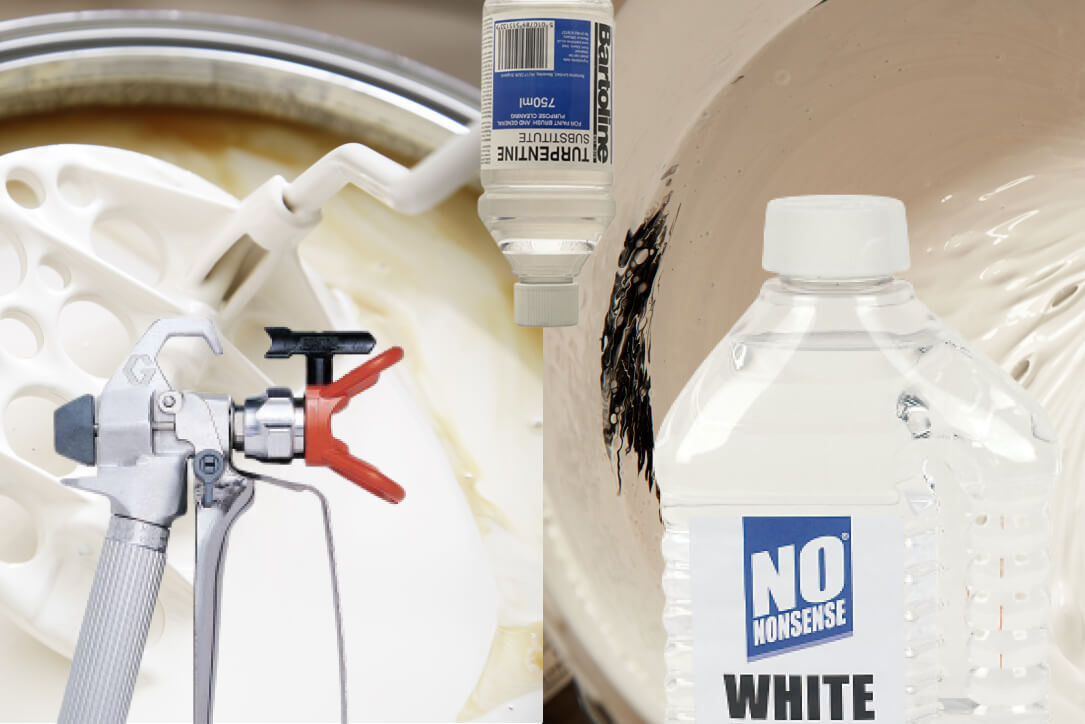
You have two main sprayer types. Each one can work for emulsion.
- Airless sprayer: Best for walls and ceilings. Often sprays emulsion unthinned. Common tips: 515 or 517.
- HVLP sprayer: Good for small projects, doors, and trim. Often needs thinning, 5–15% water, sometimes more.
- Tip and filters: For airless, start with a 515 tip and 100-mesh filter.
- Strainers: Cone or bag strainers catch lumps that cause clogs.
- Masking and protection: Plastic, tape, drop cloths, paper, and masking tools.
- PPE: Respirator rated for paint mist, goggles, gloves, and coveralls.
If you’re still thinking can you spray emulsion paint with a small DIY sprayer, you can—but expect more thinning and slow passes.
Is 70 Or 90 Isopropyl Alcohol Better For Paint Stripping?
How to thin and strain emulsion for spraying
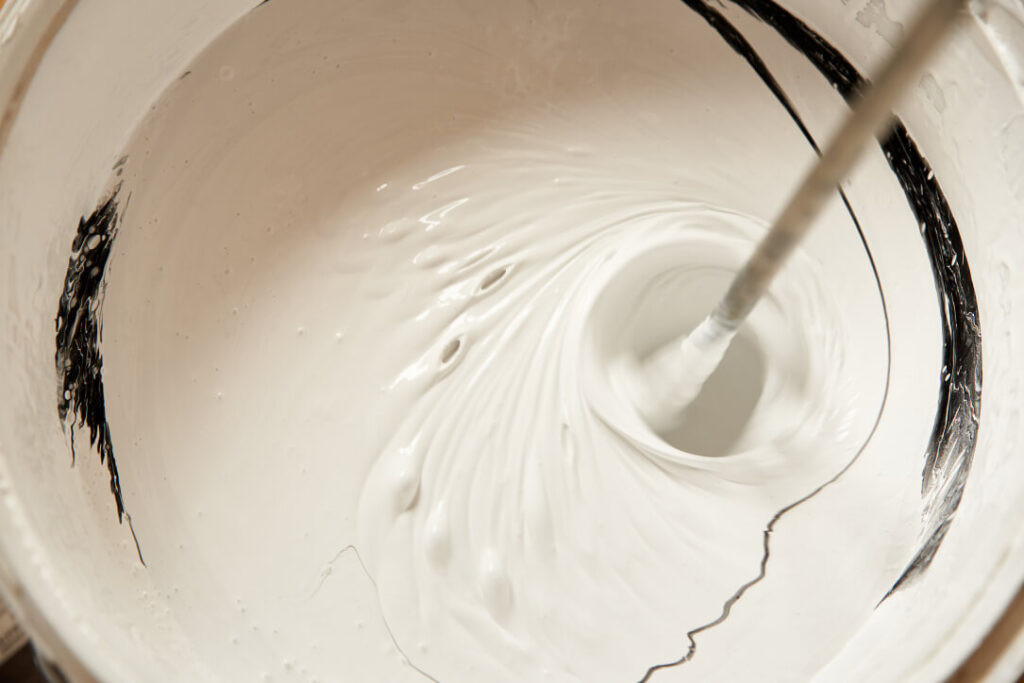
Most airless units handle emulsion as-is. Check the can first. If the paint is very thick, add 5% water and test. For HVLP or fine-finish jobs, thin 5–15% in small steps until you get an even fan.
Good prep steps:
- Stir the paint well to lift settled solids.
- Strain the paint into a clean bucket to remove bits.
- Test on cardboard. Look for a soft, even fan with no fingers or spits.
I get asked can you spray emulsion paint without thinning. With a decent airless, yes, often you can. Always test first.
Step-by-step: How to spray emulsion on walls and ceilings
Follow this simple flow. It keeps things clean and calm.
- Clear and cover. Move furniture. Cover floors and windows. Tape edges and outlets.
- Fix and prime. Fill holes. Sand smooth. Prime new drywall or fresh plaster.
- Set up. Fit the right tip. Strain paint. Set pressure to the lowest that still gives a clean fan.
- Cut off and mask trims if not spraying them.
- Practice. Test the fan on cardboard. Aim for a soft edge and even flow.
- Spray ceilings first. Keep the gun 10–12 inches from the surface. Move your body, not just your wrist.
- Use a 50% overlap. Start moving before you pull the trigger. Release before you stop.
- Spray walls top to bottom. Work in sections. Keep a steady pace.
- Back-roll if needed. On some walls, a quick back-roll helps push paint into texture.
- Let it dry. Then do a light second coat for full depth and coverage.
- Tidy up. Flush the sprayer with clean water until it runs clear.
If you wonder can you spray emulsion paint and still get a roller-like look, back-rolling is your friend. It blends the sheen and hides small misses.
Matt Or Silk Emulsion– Which Paint Finish Is Best for Your Walls?
Technique tips from real jobs
Here are small tweaks that make a big change.
- Keep distance steady. About a foot from the wall gives a smooth fan.
- Stay square to the surface. Tilting the gun gives heavy edges.
- Overlap 50% each pass. It evens out the film and stops striping.
- Watch your edges. Do soft passes at room edges to cut overspray.
- Control pressure. Too high means overspray. Too low leaves tails.
In my early days, I rushed and got sags on corners. Now I make lighter first passes there. If you’re asking can you spray emulsion paint without drips, yes—use thin, even coats.

Common mistakes to avoid
I see the same errors over and over. They are easy to fix.
- Not masking enough. Overspray goes further than you think.
- Poor strain and stir. Leads to clogs and spit marks.
- Spraying too close. Causes runs, heavy bands, and texture.
- Wrong tip size. Too large floods the wall. Too small leaves striping.
- Skipping test sprays. A 60-second test saves an hour of rework.
Can you spray emulsion paint as a beginner? Yes. Start in a garage wall or spare room and practice first.

Safety, ventilation, and cleanup
Even water-based paint makes fine mist. Treat it with care.
- Wear a respirator made for paint mist and fumes.
- Vent the room with fans and open windows.
- Cover HVAC returns and switches. Overspray travels.
- Keep kids and pets out until the room is clear and dry.
- Clean sprayers well with water. Don’t let paint dry inside.
If you ask can you spray emulsion paint safely at home, you can—use PPE, mask well, and keep air moving.
Costs, coverage, and time: Sprayer vs roller
Here’s a simple way to choose your method.
- Speed: Sprayers can paint a room in minutes once masked. Rollers are slower but need less prep.
- Coverage: Emulsion often covers 300–400 sq ft per gallon. Sprayers waste a bit to overspray; good masking helps balance that.
- Finish: Sprayers give a smooth look. Rollers can add slight texture and help hide flaws.
- Costs: Renting an airless sprayer can be affordable for a weekend. Owning pays off if you paint often.
So, can you spray emulsion paint and save time? Yes—on big, open areas. For tiny rooms with many obstacles, a roller may be faster overall.
Frequently Asked Questions of can you spray emulsion paint
Do I need to thin emulsion before spraying?
Airless sprayers often handle it unthinned. HVLP usually needs 5–15% water; test as you go.
What tip size works best for emulsion on walls?
A 515 or 517 airless tip is a good start for walls and ceilings. Adjust based on your paint and speed.
Can you spray emulsion paint on fresh plaster?
Yes, after it fully dries and is sealed with a mist coat or primer. Follow the manufacturer’s advice.
Is spraying emulsion messy?
It can be if you skip masking and control. With proper prep and low pressure, overspray is manageable.
Can I spray emulsion paint in cold weather?
Keep the room within the paint’s temperature range, often 50–90°F. Cold slows dry time and can harm adhesion.
Do I still need two coats when spraying?
Usually yes for full color depth and durability. Light first coat, then a solid second coat works well.
Can you spray emulsion paint on cabinets or trim?
You can, but use a fine-finish tip and better prep. HVLP or a small airless with a fine tip works best.
Conclusion
Spraying emulsion can be fast, clean, and pro-grade when you plan the work. You get smooth coats, fewer marks, and big time savings on large areas. The key is simple: protect the room, test the fan, move steady, and build thin coats.
If you’ve been asking can you spray emulsion paint and get great results, you now have the roadmap. Pick your sprayer, practice on a test board, and try a small room this weekend. Want more guides like this? Subscribe, leave a comment with your setup, and share your results.