
Can You Paint Over Gloss Paint With Emulsion?
Yes, you can paint over gloss paint with emulsion, but proper preparation is essential for good adhesion. Gloss surfaces are smooth and non-porous, so they must be lightly sanded or treated with a primer to help the emulsion stick. Cleaning the surface to remove grease and dust before painting is also important. For best results, use a suitable primer or undercoat before applying emulsion paint.
Yes, but only after proper prep: clean, degloss, prime, then emulsion.
If you’re wondering can you paint over gloss paint with emulsion, you can do it well. I’ve done this on walls, doors, and trim in homes where gloss was everywhere. In this guide, I’ll show you the best way to prep, prime, and paint so your finish sticks, looks smooth, and lasts. You’ll learn the exact steps, what to buy, and how to avoid costly mistakes.

Why prep matters when painting emulsion over gloss
Gloss is slick and hard. Emulsion (latex wall paint) likes a slightly rough, clean surface. If you skip prep, the paint may peel, scratch off, or look patchy. A strong bond comes from cleaning, deglossing, and priming.
If you came here asking can you paint over gloss paint with emulsion without sanding, the safe answer is no. Sanding or a liquid deglosser gives the primer something to grip. Think of it like Velcro. One side needs hooks. Primer is the bridge between shine and matte.
From years on the job, the biggest fails I’ve seen happen in kitchens and baths. Grease, steam, and soap film kill adhesion. Clean first, then scuff, then prime. The real question is not can you paint over gloss paint with emulsion, but how you handle adhesion.
Can You Thicken Emulsion Paint?- – Safe Methods That Actually Work
What you need for a pro result
Use the right tools to save time and effort. Here’s my go-to list.
- Cleaner or degreaser. Sugar soap or a good household degreaser for grease and grime.
- Sandpaper and pads. 120–180 grit for scuffing, 220–320 for smoothing between coats.
- Liquid deglosser. Handy in tight spots or on profiles, but still scuff sand flat areas.
- Microfiber cloths and tack cloth. For dust removal after sanding.
- High-adhesion primer. Acrylic bonding primer for glossy, sealed, or hard-to-paint surfaces.
- Shellac-based primer. For stains, smoke, knots, and slick oil-based gloss.
- Quality emulsion (acrylic latex). Choose a durable, washable formula for busy rooms.
- Brushes and rollers. A 2-inch angled brush and a 4–9 inch foam or microfiber roller.
- Caulk and filler. To fix gaps and dings before priming.
- Tape, drop cloths, and PPE. Mask off edges; wear safety glasses and a dust mask.
This kit covers most jobs where you ask can you paint over gloss paint with emulsion and want a clean, lasting finish.
Can You Spray Emulsion Paint?-Spraying Tips, Thinning Ratios & Mistakes
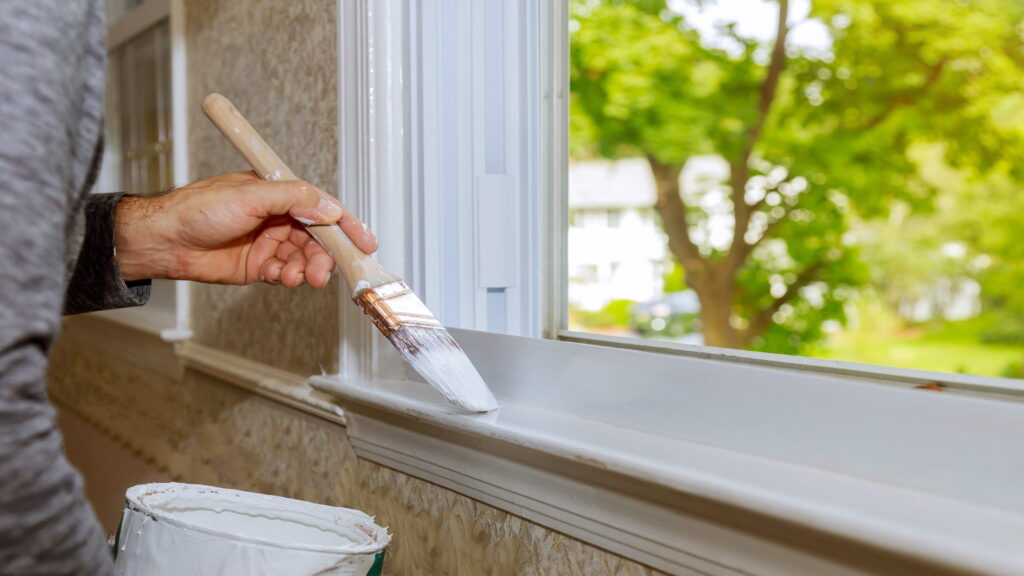
Step-by-step: How to paint emulsion over gloss the right way
Follow these steps for a smooth, tough finish that holds up.
- Wash the surface. Use a degreaser. Rinse with clean water. Let it dry.
- Scuff sand. Use 120–180 grit. Aim for a dull, even sheen. Wipe away dust.
- Degloss tricky profiles. Use a liquid deglosser on moldings and grooves if needed.
- Repair flaws. Fill dents and holes. Sand smooth. Dust off again.
- Caulk gaps. Let the caulk cure per the label before moving on.
- Prime for adhesion. Roll and brush on a bonding primer. Lay it thin and even.
- Spot prime repairs and stains again. Use shellac primer where stains or knots show.
- Test adhesion. After the primer dries, do a light scratch test in a hidden spot.
- Paint with emulsion. Two thin coats beat one thick coat. Respect dry times.
- Let it cure. Full cure can take up to 7–14 days. Be gentle at first.
Before coat one, ask yourself: can you paint over gloss paint with emulsion and skip primer? No. You need primer for a strong bond. With the right primer, yes, can you paint over gloss paint with emulsion and get a smooth, durable finish.
Pro tip from the field: Keep rooms at a steady, mild temperature. High humidity slows dry times and can cause flashing.
Is 70 Or 90 Isopropyl Alcohol Better For Paint Stripping?
Choosing the right primer and emulsion
Primer choice shapes your result. Your surface and room conditions guide the pick.
- For general glossy walls. Use a high-adhesion acrylic bonding primer. It grips slick paint.
- For heavy stains or old oil-based gloss. Use a shellac-based primer to block and bond.
- For bathrooms and kitchens. Use a bonding primer that also resists moisture.
Now the emulsion. In the US, emulsion is acrylic latex wall paint. Pick the sheen for your space.
- Flat or matte. Hides flaws best, but less washable.
- Eggshell. A great balance for most rooms. It is easier to clean.
- Satin. Durable and more washable for halls, kids’ rooms, and kitchens.
If you want the best result when you ask can you paint over gloss paint with emulsion, match a bonding primer with a durable eggshell or satin. That pairing handles wear and wipes clean.
Common mistakes and how to fix them
I’ve made these mistakes early in my career. Learn from them and save time.
- Skipping the deep clean. Paint peels where grease lives. Fix by cleaning, sanding, and spot priming.
- Light scuff only on high-gloss oil. Bond may fail. Fix with a shellac or top-tier adhesion primer.
- Heavy coats. Thick paint sags and dries slow. Use thin, even coats and a quality roller.
- Rushing dry times. Primer and paint need time. Follow the label and the room’s conditions.
- Wrong paint for the job. Cheap vinyl matt scuffs fast. Use a durable acrylic latex.
Many ask can you paint over gloss paint with emulsion in one day. You can start and finish coats fast, but do not rush cure. Give it the time it needs.
Special cases and pro tips
Different surfaces need small tweaks. Here are common ones I see.
- Doors and trim. Many older trims have oil-based gloss. Clean, scuff, and use shellac or a premium adhesion primer. You can topcoat with emulsion on walls nearby, but for trim, choose a hard-wearing trim paint.
- Kitchens and baths. Degrease like your life depends on it. Use a moisture-resistant primer and a washable satin or eggshell.
- Radiators and metal. Use a metal primer. Standard emulsion is not ideal for hot, bare metal.
- Laminate, tile, or melamine with a glossy face. Use a special bonding primer made for hard plastics or tiles. Then paint.
- Exterior glossy paint. Emulsion is for interiors. Use exterior-grade systems outside.
If you’re thinking can you paint over gloss paint with emulsion on cabinets, you can with great prep and a bonding primer. But a cabinet-grade enamel will be tougher and cleaner long term.
How long will it last? Durability and care
With the right steps, emulsion over gloss holds up well. Expect equal or better life than standard repaints on walls. The key is clean, scuff, prime, and thin coats.
Let the paint cure fully before hard use. Light cleaning is fine after a week. For scuffs, a damp cloth and mild soap work well. If you asked can you paint over gloss paint with emulsion and have it last, yes—if you prep and give it time to cure.
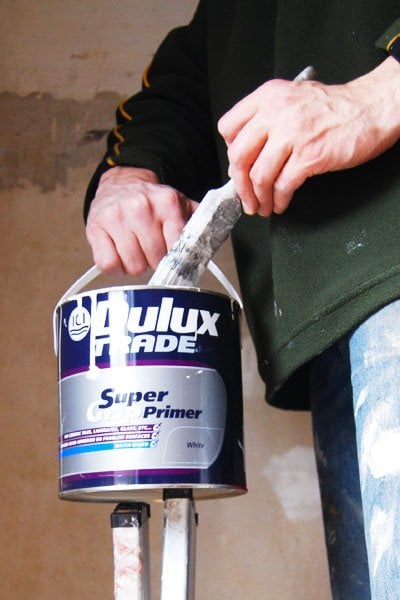
Cost, time, and value
Here’s a simple way to plan your job.
- Time. A small room takes a day or two. Cleaning and sanding: 1–2 hours. Priming: 1–2 hours plus dry time. Two coats of emulsion: 2–4 hours, not counting drying.
- Cost. Primer and paint are the big items. Add sandpaper, tape, fillers, and rollers. Expect a modest bump for a high-adhesion primer, which is worth it.
- Value. Proper prep doubles the payoff. The finish looks better and lasts longer, so you paint less often.
If your budget is tight and you wonder can you paint over gloss paint with emulsion and skip primer, resist that urge. A quart of bonding primer costs less than doing the job twice.

Frequently Asked Questions of can you paint over gloss paint with emulsion
Can you paint over gloss paint with emulsion without sanding?
You can, but it’s risky. At least do a thorough clean and use a proven bonding primer for glossy surfaces.
Do I need a primer before emulsion over gloss?
Yes. Primer is the grip layer. It turns a slick surface into a paint-ready base and blocks stains.
How do I know if the old gloss is oil-based?
Rub a small spot with rubbing alcohol on a cloth. If no color comes off, it is likely oil-based and needs a strong adhesion or shellac primer.
Will emulsion stick to high-gloss kitchen paint?
It can, if you degrease, scuff, and prime. Kitchens need extra care due to grease and steam.
What sheen is best when going over gloss?
Eggshell or satin give a durable, easy-to-clean finish. Flat hides flaws but marks more.
How long should I wait between primer and emulsion?
Follow the label, but many primers are ready in 1–4 hours. Cooler, humid rooms need more time.
Can I use emulsion on glossy trim and doors?
You can, but a tough trim enamel is better. If you use emulsion, prep and prime very well and expect more wear.
Conclusion
Yes, you can paint over gloss with emulsion and get a beautiful, long-lasting finish. Clean, degloss, prime, and paint with thin, even coats. That simple system solves adhesion and gives you a smooth look that holds up.
Gather your tools, plan your steps, and test a small area first. Then tackle the full space with confidence. Want more practical paint guides like this? Subscribe for updates, ask a question in the comments, or share your project wins with the community.
Related posts:
 Best Paint for Kitchen Cabinets Without Sanding – No Prep, No Mess, Long-Lasting Results | Expert Tested
 How To Use Oil Paint On Wood– Prep, Painting & Step-by-Step Guide for a Smooth Finish
 Zinsser Gardz vs 123 – Surface Prep, Stain Blocking & Best Uses Compared
 Is Emulsion Paint Right for You? Discover Pros And Cons of Emulsion Paint