Can You Paint Emulsion On Wood?
Yes, you can paint emulsion on wood, but proper surface preparation is essential for a smooth and lasting finish. Sand the wood to remove roughness, clean off dust, and apply a suitable primer or sealer to prevent the emulsion from soaking in unevenly. Once the primer is dry, apply the emulsion in thin, even coats for the best coverage. While emulsion works on wood, specialized wood paints or acrylics often provide better durability and resistance to wear.
Yes, you can paint emulsion on wood if you prep, prime, and seal it.
If you have wood that needs a clean, fresh look, you might ask, can you paint emulsion on wood? I have done it on doors, trim, and paneling with great success. In this guide, I share what works, what fails, and how to get a smooth, durable finish you will be proud of.

Can You Thicken Emulsion Paint?- – Safe Methods That Actually Work
What emulsion paint is and how it behaves on wood
Emulsion is a water-based wall paint. In the US, it is often called latex paint. It dries fast, has low odor, and is easy to clean up. On bare wood, it can soak in and fail to grip without the right prep.
Wood moves with heat and moisture. Emulsion stays flexible, but it is not made for high wear. It is not a furniture enamel. It can still work on wood with the right plan.
Pros of using emulsion on wood:
- Low odor and fast dry time for quick jobs
- Many colors and sheens to match walls and trim
- Easy to brush and roll for a smooth look
Cons to keep in mind:
- Soft film without a topcoat
- Tannin bleed can stain light colors
- Poor block resistance on doors and shelves unless sealed
So, can you paint emulsion on wood? Yes, but you must prime, and often you must seal. This gives the film grip, stain block, and strength.
Can you paint emulsion on wood? The deeper answer
Short answer again: can you paint emulsion on wood? Yes, when you treat it as a system. You need surface prep, a wood-safe primer, the emulsion, and a clear or enamel topcoat when needed.
Use emulsion on wood if:
- The piece is indoors and sees light wear
- You want a matte or low sheen look on paneling or built-ins
- You plan to seal it with a clear coat on doors and shelves
Think twice if:
- The wood is outdoors in rain and sun
- The surface takes heavy wear like tabletops or floors
- You need pro-grade trim durability without a topcoat
In my work, I ask one simple test: can you paint emulsion on wood and touch it daily? If yes, add a durable topcoat. If no, emulsion alone can be fine.
Can You Paint Over Gloss Paint With Emulsion?-Prep, Priming & The Right Way to Do It
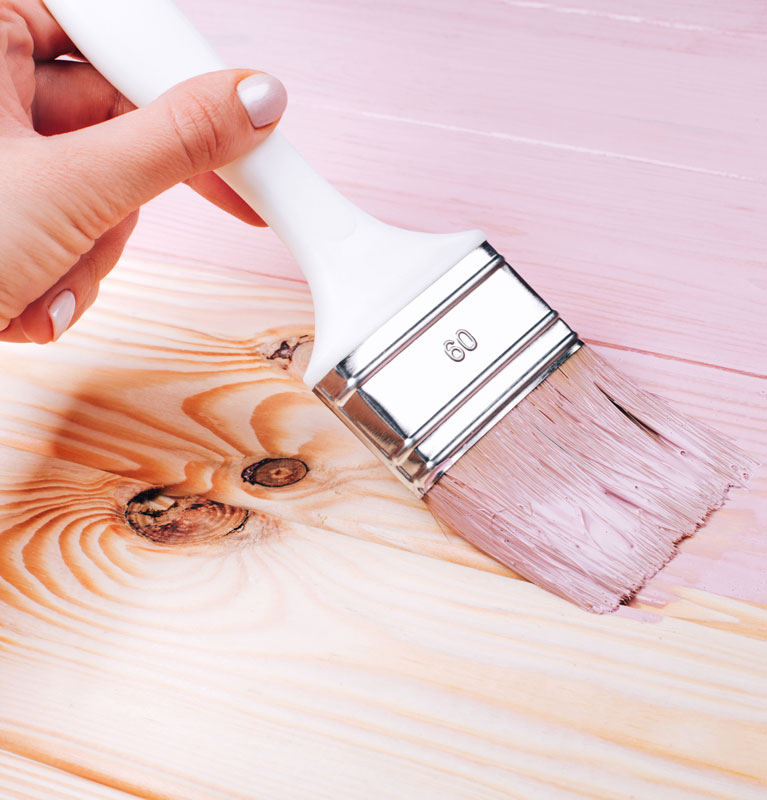
Step-by-step: How to paint emulsion on wood that lasts
Follow these steps. They keep the job clean, fast, and strong.
- Clean
- Wash with a mild degreaser. Rinse and dry well.
- Sticky spots on kitchen wood need extra care.
- Repair and sand
- Fill holes and cracks. Let dry.
- Sand to a smooth touch with 120 to 180 grit.
- Vacuum and tack cloth to remove dust.
- Degloss if needed
- If the wood has a glossy finish, scuff sand or use a liquid deglosser.
- A dull surface helps the primer grab.
- Prime for wood
- Use an acrylic bonding primer for general work.
- Use a stain-blocking primer for knots and tannins.
- Spot prime knots with shellac primer if stains are strong.
- Apply the emulsion
- Stir well. Do a thin first coat.
- Let it dry per the label. Add a second coat.
- Lightly sand between coats for a glassy feel.
- Seal when needed
- For doors, trim, shelves, and cabinets, add a water-based polyurethane or an acrylic varnish.
- Choose matte for a soft look or satin for a slight shine.
- Two thin coats beat one thick coat.
- Cure time
- Even when dry to touch, the film needs to cure.
- Do not slam doors or stack items for 7 to 14 days.
Pro choice tip: can you paint emulsion on wood and skip primer? You can, but it is risky. Primer solves adhesion and stain issues in one step. It saves time in the long run.
Can You Mix Acrylic Paint With Emulsion?– Pros, Cons & Safe Ratios
Finishes, durability, and topcoats
Emulsion on wood looks great in matte. But matte scuffs on high-touch spots. A clear coat locks in the color and adds strength.
Choose a topcoat by use:
- Water-based polyurethane for doors, shelves, and cabinets
- Acrylic varnish for a low yellowing, soft look
- Wax only for decor pieces with light touch
Film notes from maker guides:
- Most wall emulsions have low block resistance
- Clear coats add mar and scratch resistance
- Hard cure takes days, not hours
So, can you paint emulsion on wood and get a hard shell? Yes, with a good topcoat and time to cure.

Where emulsion on wood shines, and where it struggles
Great fits:
- Wall paneling and wainscot inside
- Low-touch built-ins and bookshelves
- Picture frames, decor, and headboards
Use care:
- Interior doors and trim need a clear coat or enamel top
- Cabinets need a washable, sealed finish
- Window sashes deal with condensation and sun
Not ideal:
- Tabletops and desktops without a topcoat
- Exterior wood unless rated for weather and sealed
- Floors, stairs, and handrails
Ask this each time: can you paint emulsion on wood for this use? If it sees wear or heat, seal or choose a tougher paint.
Common mistakes and how to fix them
- Skipping primer
- Symptom: peeling or easy scratch off
- Fix: sand, prime with a bonding primer, and repaint
- Tannin bleed
- Symptom: brown or yellow stains in light colors
- Fix: spot seal with shellac primer, then repaint
- Brush marks or orange peel
- Symptom: rough or wavy look
- Fix: thin coats, use a quality brush or mini roller, sand between coats
- Blocking on doors and shelves
- Symptom: surfaces stick together
- Fix: allow full cure, add a clear coat rated for block resistance
- Soft finish on high-wear parts
- Symptom: scuffs and chips
- Fix: add two thin coats of water-based polyurethane
When clients ask, can you paint emulsion on wood and avoid these issues? I say yes. Prep, prime, and protect. It is that simple.

Tools and materials checklist with budget
Core tools:
- Sandpaper in 120 to 220 grit
- Tack cloth and vacuum
- Quality brush and mini foam roller
- Caulk for gaps
Materials:
- Degreaser for cleaning
- Bonding or stain-blocking primer
- Emulsion in your chosen sheen and color
- Water-based polyurethane or acrylic varnish
Budget ranges vary by brand and size:
- Primer per quart: low to mid price
- Emulsion per gallon: low to mid price
- Clear coat per quart: mid price
- Brushes and rollers: low to mid price
This kit lets you answer with confidence: can you paint emulsion on wood for under a small budget? Yes, and with pro results.

Real-world examples and pro tips
A client had dark oak paneling in a small den. We asked, can you paint emulsion on wood and keep it light and calm? We cleaned, sanded, primed with a stain blocker, used a soft gray emulsion, and sealed the trim only. The room felt larger, and the finish still looks fresh years later.
Pro tips:
- Do a primer test patch. If it scratches off with a coin, you need better prep.
- Keep coats thin. Two thin coats beat one thick coat.
- Label doors and lay them flat to avoid runs.
- Use a fine finish roller for a near sprayed look.
- Keep a small jar of the mixed color for touch-ups.
With this method, can you paint emulsion on wood that holds up? Yes, and it can look high end.
Frequently Asked Questions of can you paint emulsion on wood
Is it okay to use wall emulsion on wooden doors?
Yes, but prime first and add a clear topcoat. This prevents blocking and gives better wear.
Will emulsion stick to varnished wood?
It can with proper prep. Scuff sand, degloss, then use a bonding primer before the emulsion.
Can you paint emulsion on wood without a primer?
You can on low-wear decor, but it is risky. Primer boosts adhesion and stops stains.
How do I stop stains coming through emulsion on wood?
Use a stain-blocking primer, then apply your emulsion. For tough knots, spot prime with shellac.
What clear coat should I use over emulsion on wood?
Use a water-based polyurethane or acrylic varnish. Pick matte or satin to keep the same look.
Is emulsion on wood washable?
It is lightly washable, but not very scrub resistant. A clear coat improves cleanability a lot.
Can you paint emulsion on wood outdoors?
It is not ideal. Use exterior paint for wood, or seal well with exterior-rated products.
Conclusion
You came here wondering, can you paint emulsion on wood. The answer is yes, when you prep, prime, and, for many pieces, seal. This simple system gives color, control, and a smooth finish that lasts.
Try it on a small project first. Build your skills and your confidence. If you found this helpful, share it with a friend, subscribe for more guides, or leave a question and I will help you plan your next paint win.