
How To Remove Old Emulsion Paint From Walls?
To remove old emulsion paint from walls, start by washing the surface with warm soapy water to loosen dirt and grime. For stubborn layers, gently scrape with a plastic or metal scraper, taking care not to damage the wall. You can also use a paint remover or stripping solution suitable for emulsion paint, following the manufacturer’s instructions and wearing protective gloves. After removal, rinse the wall thoroughly and sand any rough spots to prepare for a fresh coat of paint.
Soak, scrape, steam, or strip, then sand and repair before repainting.
If you want a clear, no-stress plan for how to remove old emulsion paint from walls, you’re in the right place. I’ve stripped hundreds of rooms, from tight bathrooms to high-traffic hallways. You’ll learn safe methods, smart tools, and the exact steps that work. By the end, you’ll know how to remove old emulsion paint from walls without wrecking your plaster or losing a weekend to messy guesswork.
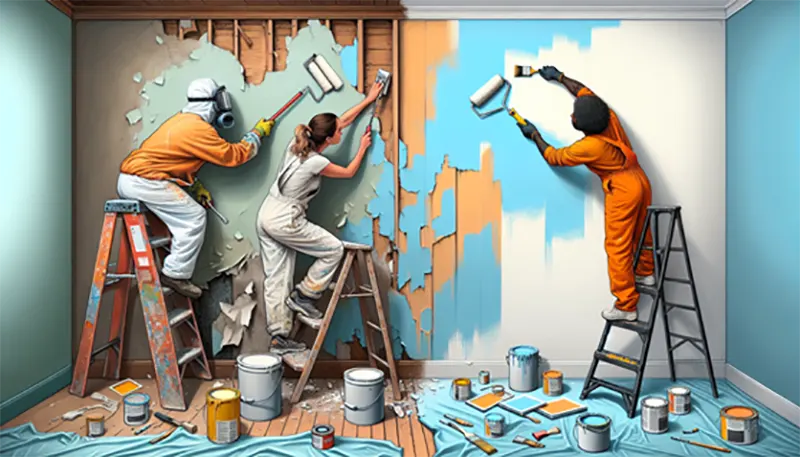
Safety first: protect lungs, eyes, and your walls
Old emulsion is usually water-based, but dust and debris still matter. Open windows and use a fan to keep air fresh. Wear a respirator, safety glasses, and gloves. Keep kids and pets away.
If the home is very old, test a hidden area for older layers. You may find gloss, oil paint, or even distemper under emulsion. Lead is rare in emulsion, but older layers beneath could hold some. If you see heavy chipping or suspect lead, use wet methods, avoid sanding dust, and follow local rules.
Watch for damp, mold, or flaking plaster. Fix moisture first or the paint will fail again. Cover floors with drop cloths and tape off outlets. A clean, safe setup makes the rest easy.
How To Clean Matte Emulsion Painted Walls?– Safe Methods Every Homeowner Should Know
Tools and materials you’ll need
Gather everything before you start. It saves time and keeps your rhythm.
- Warm water in a bucket or spray bottle
- Sugar soap or mild detergent
- Plastic and metal paint scrapers
- Steam wallpaper remover or garment steamer
- Water-based, low-odor paint stripper made for walls
- Sanding block and fine sandpaper (120–180 grit)
- Joint compound or filler, putty knife, and primer
- Drop cloths, masking tape, and rags
- PPE: respirator, safety glasses, gloves
If you plan a big room, a pole sander and work light help a lot. Good lighting shows what you missed. That saves rework later.
Step-by-step: how to remove old emulsion paint from walls
Follow this sequence to stay efficient. It prevents damage and keeps dust low.
- Prep the room
Move furniture, cover floors, and tape trim. Remove switch plates. Mix warm water with sugar soap. - Clean the wall
Wipe the surface to cut grease and dust. Let it dry. This helps water or stripper soak in. - Test a small area
Try the simple method first: warm water and a scraper. If it softens, you found your path. - Soak and scrape
Mist a section with warm water. Wait 5–10 minutes. Scrape with a plastic scraper at a low angle. Work in small zones. - Add steam if needed
Use a steam wallpaper remover or a garment steamer. Hold the plate a few inches away and move slowly. Scrape as the paint loosens. - Use a stripper for stubborn paint
Choose a water-based, low-odor stripper rated for emulsion or acrylic. Apply a thin coat. Wait as directed. Scrape off softened layers. - Sand lightly
Feather the edges with fine sandpaper. Keep pressure light to avoid gouges in plaster or drywall. - Repair and prime
Fill dents and cracks. Sand smooth after it dries. Spot-prime repairs. For large areas, consider a full prime. - Final clean
Wipe off dust with a damp cloth. Let it dry before paint or primer.
This approach is the fastest way I know for how to remove old emulsion paint from walls without damage. It blends low-tech steps with targeted tools that make tough spots easy.
How To Get Emulsion Paint Out Of Carpet?– Stubborn Paint Solutions That Work
Methods compared: pick the right approach for your wall
Every wall behaves a bit different. Match the method to the condition.
- Warm water and scrape
Best for: chalky or poorly bonded emulsion.
Pros: cheap, low odor. Cons: slower on glossy or well-adhered paint. - Steam
Best for: layered emulsion or where water helps but is not enough.
Pros: fast on large areas. Cons: avoid soaking drywall seams too long. - Water-based paint stripper
Best for: tough, well-adhered emulsion, or emulsion over old gloss.
Pros: strong and low odor. Cons: follow dwell times and use PPE. - Light sanding
Best for: feathering edges, removing small patches, or prep after other methods.
Pros: smooth finish. Cons: dust; avoid if old layers may contain lead. - Skim coat option
If the paint is sound but patchy, skim coat with joint compound.
This can be faster than full removal in some rooms.
Use the least aggressive method that works. That saves the wall and your time. This is key when planning how to remove old emulsion paint from walls in older homes.
Can You Paint Emulsion On Wood?-Finishes, durability, and Topcoats
:max_bytes(150000):strip_icc()/cropped-hand-of-man-scraping-paint-on-wall-at-home-660573931-58dbd8353df78c51621346b2.jpg)
Tricky cases: plaster, drywall, distemper, and hidden gloss
Not all walls are equal. Small checks now prevent big repairs later.
- Old lime or gypsum plaster
Avoid harsh scraping. Soften first with warm water or steam. Use flexible plastic blades. Prime with an alkali-resistant primer after repairs. - Drywall
Keep moisture contact short. Over-wetting raises the paper. If it fuzzes, stop, let it dry, and switch to a stripper or light sanding with a vacuum sander. - Distemper under emulsion
Distemper is powdery and water-sensitive. Water will often lift it. Remove it fully, then seal with a high-quality primer before repainting. - Emulsion over gloss or oil paint
Water alone may not work. Use a deglosser or a compatible stripper. Once dull, removal or repainting becomes easier. - Mold or damp
Fix the moisture source first. Treat mold with a biocidal wash. Removing paint without solving damp is like bailing a boat with a hole.
These tips keep you safe and save the substrate. They matter when you plan how to remove old emulsion paint from walls with mixed histories.
Can You Spray Emulsion Paint?-Spraying Tips, Thinning Ratios & Mistakes
Surface repair and prep for repainting
Clean removal is only half the job. The last 10 percent of effort gives 90 percent of the finish.
- Fill
Use joint compound or a quality filler. Press it in, then smooth with a wide knife. - Sand smooth
Use fine grit and a light touch. Run your hand over the area to feel ridges. - Prime
Spot-prime repairs. If you removed lots of paint, prime the whole wall. This seals the surface and helps new paint stick. - Check with a work light
Angle light across the wall. Shadows show highs and lows. Fix them now to avoid seeing them after painting.
With this prep, your new coat will lay flat and last. It is the final step in how to remove old emulsion paint from walls and make them paint-ready.
Cleanup and disposal done right
Neat cleanup keeps your home healthy and makes the next steps easy.
- Collect scrapings
Let wet scrapings dry, then bag them. Do not wash heavy residue down drains. - Ventilate
Keep air moving until surfaces are dry. This reduces odors and moisture. - Tool care
Rinse water-based stripper tools with warm soapy water. Dry metal scrapers to prevent rust. - Waste
Follow local rules for chemical waste. Some areas require special drop-off for stripper residue.
Smart cleanup protects your home and the environment while you handle how to remove old emulsion paint from walls.

Troubleshooting and common mistakes to avoid
These are the pitfalls I see most often on jobs.
- Rushing dwell time
Strippers need time. Scraping too soon wastes effort. Wait as directed. - Over-wetting drywall
Use minimal water on paper-faced drywall. If it lifts, pause and switch methods. - Aggressive scraping
High angles dig into plaster. Keep the blade low and flexible. - Skipping primer
Bare or patched areas need primer. Paint over unprimed filler can flash and show. - Ignoring dust
Vacuum between steps. Dust hides defects and hurts adhesion.
Avoid these and you’ll move faster and get pro results when you tackle how to remove old emulsion paint from walls.
Time, cost, and when to hire a pro
Time depends on size, layers, and method. A small bedroom can take a day. A large living room with stubborn paint may take a weekend. Plan breaks to keep pace steady.
Costs are modest for DIY. Expect to spend on scrapers, sandpaper, cleaner, and maybe a stripper or steamer rental. Pros are worth it when you face very high ceilings, suspected lead, or heavy damage.
If you feel stuck, bring in a consultant for an hour. A quick assessment can save days. This is the smart way to approach how to remove old emulsion paint from walls at scale.
Pro tips from years on the job
These are habits that cut time and stress.
- Work in manageable zones
About 3 by 3 feet. Finish a zone before moving on. - Warm water beats cold
It softens faster and reduces your scraping effort. - Use two scrapers
A wide flexible one for large areas and a narrow one for edges and corners. - Keep blades clean
Wipe often. A clean blade glides and protects the surface. - Light and touch
Use a work light and your fingertips. You will feel flaws before you see them.
Follow these and you’ll master how to remove old emulsion paint from walls with less mess and better results.
Frequently Asked Questions of how to remove old emulsion paint from walls
Do I need to remove all the paint or just the loose parts?
If the emulsion is sound and well-bonded, you can feather edges and repaint. Remove only loose, flaking, or bubbling areas to save time.
Can I use a heat gun on emulsion?
You can, but it is risky on drywall and can scorch plaster. Steam or water-based strippers are safer for most emulsion jobs.
What if there is gloss paint under the emulsion?
Dull the gloss with a deglosser or use a compatible stripper. Once the sheen is gone, removal or repainting is much easier.
Will vinegar help remove emulsion?
A mild vinegar solution can help de-grease, but it rarely removes emulsion by itself. Warm water, steam, or a proper stripper works better.
How do I know if I’m damaging drywall?
If the paper face lifts or fuzzes, stop and let it dry. Switch to a gentler method like a water-based stripper and use lighter pressure.
Is sanding alone enough for removal?
Sanding is best for small patches and feathering. For full removal, combine soaking, steam, or stripper with light sanding at the end.
Conclusion
Removing old emulsion is a simple process when you match the method to the wall. Start with water and a scraper, add steam or a safe stripper as needed, then sand, repair, and prime. You will get a clean, lasting finish.
Set aside time, gather the right tools, and take it one section at a time. You now know how to remove old emulsion paint from walls with confidence and care. Try these steps on a small area today, and share your results or questions so we can solve the next challenge together.
Related posts:
 Can You Thicken Emulsion Paint?- – Safe Methods That Actually Work
 Can I Paint Over Varnished Wood Without Sanding? (2026) – What Actually Works
 How To Remove Emulsion Paint From Upvc Windows– Safe, Damage-Free Methods
 How To Clean Matte Emulsion Painted Walls?– Safe Methods Every Homeowner Should Know