
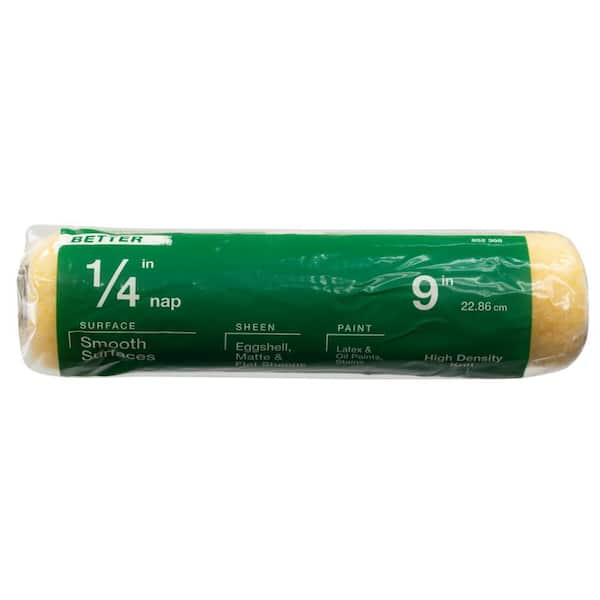
A 1/4 nap roller is a type of paint roller designed with a short, 1/4-inch thick fabric nap, making it ideal for applying smooth, even coats of paint on flat, non-textured surfaces such as walls, doors, cabinets, and furniture. The short nap holds a moderate amount of paint, providing a smooth finish without leaving roller marks. It is best used with latex or oil-based paints on surfaces that don’t require heavy coverage or textured effects.
Top-Rated 1/4 Nap Rollers for a Mirror-Smooth Finish
Using a cheap roller will leave lint in your paint. If you’re looking for the best 1/4 nap roller for your project, these are the professional gold standards:
Top Pick Best for Cabinets Best for Large Surfaces Wooster Pro Woven 1/4″ Purdy White Dove 1/4″ Bates Choice 4-Pack Virtually lint-free; best for “no-track” painting. High-density foam/fiber mix for a sprayed-on look. Great value for multiple rooms or primer coats. Pro Tip: Before using any new roller, wrap it in painter’s tape and pull it off. This removes any loose “fuzz” so it doesn’t end up stuck in your fresh coat of paint!
If you want glass-smooth doors, cabinets, or trim, you need the right roller. In this guide, I explain what is a 1/4 nap roller, when to use it, and how to get pro results. I’ve used thousands of them on high-gloss jobs. I’ll share what works, what fails, and how to avoid roller marks for good. Read on to master the tool many pros trust for a flawless finish.
What Is a 3/8 Nap Roller?– Ideal Surfaces and Professional Painting Advice
What Is a 1/4 Nap Roller?
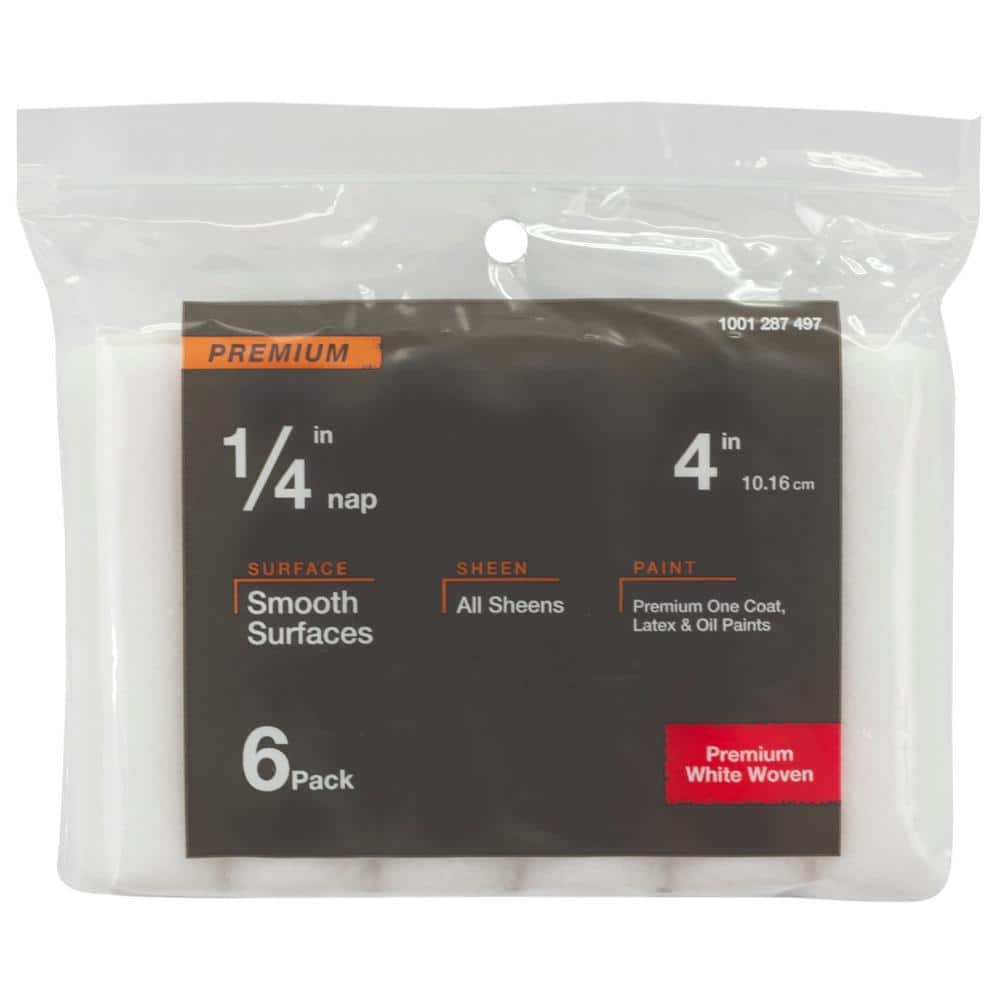
A 1/4 nap roller is a paint roller cover with a 1/4-inch fiber length. The short nap holds less paint and lays it down in a thin, even film. That is why it excels on smooth, hard surfaces.
When people ask what is a 1/4 nap roller, I say it is the go-to for high-gloss work. Think doors, cabinets, built-ins, trim, and metal. It leaves minimal texture and helps reduce orange peel.
Nap is the fabric fiber length on the roller cover. Short nap equals finer finish. Long nap equals more texture. If your search is what is a 1/4 nap roller and when to use it, the short answer is use it on flat, smooth surfaces that need a clean, sharp look.
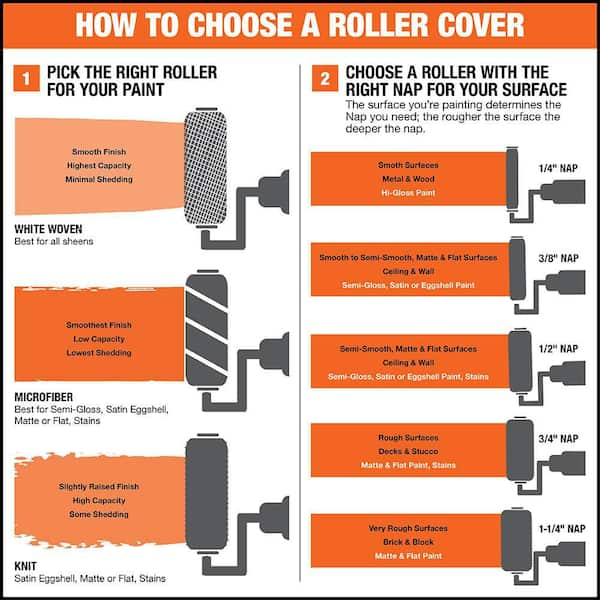
Why Nap Length Matters: Finish and Coverage
Nap length controls paint load and surface texture. A 1/4 nap roller loads light and lays thin. That means fewer stipple marks and a smoother sheen.
Compare common nap sizes:
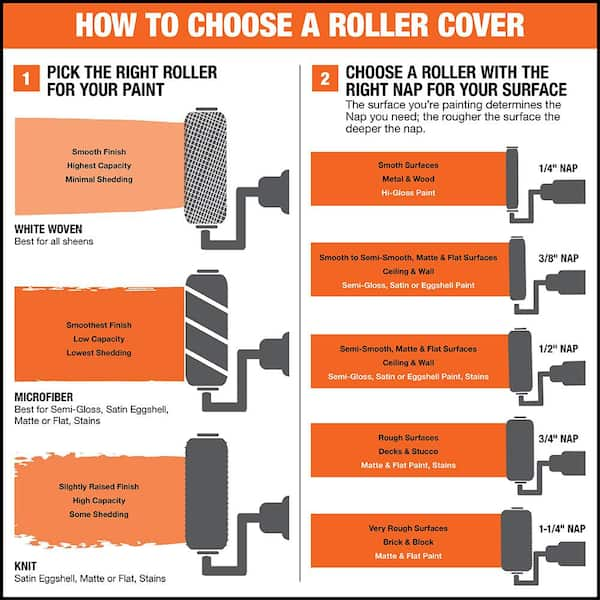
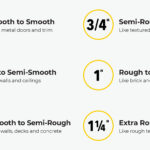
- 1/4 inch: Best for smooth surfaces. Leaves a tight, fine finish.
- 3/8 inch: Good for smooth to lightly textured walls. Adds a touch more texture.
- 1/2 inch: For textured walls and ceilings. Holds more paint and hides small flaws.
- 3/4 inch and up: For rough surfaces like brick or heavy stucco. Maximum coverage and texture.
If you ask what is a 1/4 nap roller good for, it is the sweet spot for finesse. It is not a wall workhorse. It is a finish tool.
How Do I Prevent Streaks With a Nap Roller? Techniques for Smooth, Avoid Lap Marks
Best Surfaces and Paints for a 1/4 Nap Roller
Use a 1/4 nap roller on surfaces that are already smooth or well-sanded:
- Cabinet doors and face frames
- Interior and exterior doors
- Trim, baseboards, and casings
- Furniture and built-ins
- Metal doors and railings
- Smooth drywall with skim coat
Best paint types and sheens:
- Water-based enamels and acrylic urethanes
- Oil-based enamels and alkyds
- Primers labeled for cabinets or trim
- Semi-gloss, gloss, and high-gloss for a mirror look
- Satin when you still want a smooth face
If your question is what is a 1/4 nap roller for in gloss work, this is it. It helps keep the film thin so gloss levels stay even.

How to Choose the Right 1/4 Nap Roller Cover
Not all 1/4 nap covers act the same. When people search what is a 1/4 nap roller that gives a flawless finish, they also need to know fabric and core.
Fabric choices:
- Foam: Ultra-smooth on doors and cabinets. Can cause bubbles if over-rolled.
- Woven microfiber: Great balance of flow and finish. Very low lint.
- Woven mohair or blend: Classic choice for solvent enamels. Smooth and firm.
- Shed-resistant woven polyester: Reliable for acrylic enamels. Minimal linting.
Core quality:
- Phenolic resin cores resist solvents and heat. They do not warp in hot water.
- Polypropylene cores are fine for water-based paints.
Width options:
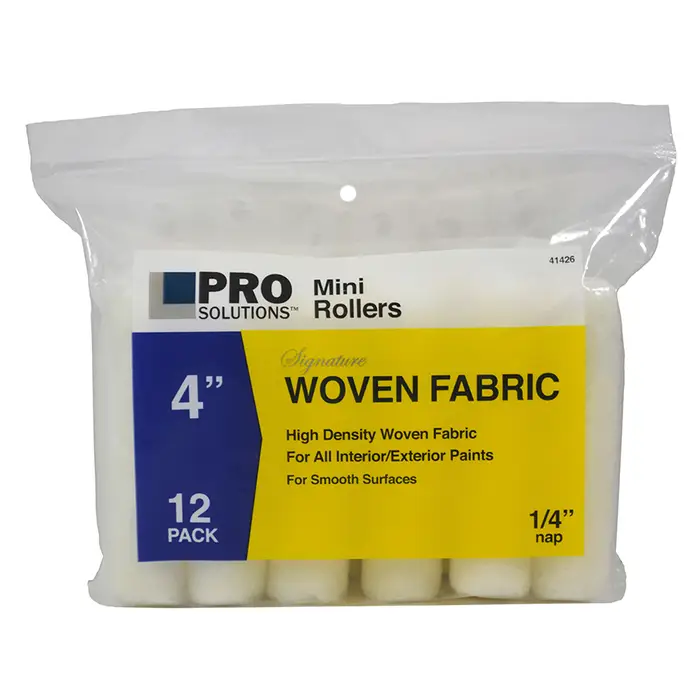
- 4 to 6 inch mini rollers for rails, panels, and narrow trim.
- 7 to 9 inch for most doors and cabinets.
- 14 to 18 inch for large, flat panels or shop setups.
When I am asked what is a 1/4 nap roller that sheds less, I pick a premium woven cover. It costs more, but it saves time and frustration.
What size roller do professional painters use?– Nap Length & Surface Recommendations
Step-by-Step: Using a 1/4 Nap Roller for a Flawless Finish
You get the win or the loss at setup and technique. Here is my field-tested method.
Prep and setup:
- Sand to at least 220 grit. Vacuum and tack-wipe for dust control.
- Prime and sand smooth if the surface is porous or patched.
- Strain your paint for dust and clumps.
Loading the roller:
- Use a paint tray or a grid. Load the cover evenly.
- Roll off excess until the cover looks damp, not dripping.
Rolling technique:
- Start with light pressure. Let the cover do the work.
- Roll in long, straight passes with a slight overlap.
- Keep a wet edge. Do not chase drying areas.
- Tip-off: Finish with two very light passes in the same direction.
Environment and timing:
- Work in moderate temps and low dust.
- Close doors and windows to stop airflow on gloss coats.
- Do not over-roll once the paint starts to set.
Personal tip: On high-gloss doors, I roll, then tip-off with the same 1/4 nap roller using the lightest touch. It levels the film. If you are thinking what is a 1/4 nap roller trick that changes the game, this is it.

Common Mistakes and How to Fix Them
Orange peel:
- Cause: Rolling too hard or too dry. Paint too thick or too hot.
- Fix: Thin per label, use lighter pressure, and work in cooler temps.
Lap marks:
- Cause: Dry rolling back into semi-dry paint.
- Fix: Keep a wet edge. Work one section at a time.
Bubbles:
- Cause: Over-rolling or using foam too fast.
- Fix: Slow down and tip-off lightly. Switch to microfiber if needed.
Lint in finish:
- Cause: Cheap covers or not pre-conditioning.
- Fix: Use a shed-resistant cover. Pre-dampen with water or solvent that matches the paint.
If you wonder what is a 1/4 nap roller issue that trips most people, it is pressure. Lighten up. Let the roller glide.
Cleaning, Storage, and Reuse
Match the cleaner to the paint:
- Water-based: Warm water and mild soap. Rinse until clear.
- Oil-based: Use mineral spirits per label. Spin dry after.
Dry and store:
- Spin out water. Blot on a towel.
- Wrap in plastic or foil to keep fibers flat.
- For short breaks, wrap tight and refrigerate.
Pro tip: Label the cover with the paint type and sheen. When someone asks what is a 1/4 nap roller best left for, I say keep one for gloss only. It stays cleaner and smoother.
Cost, Value, and When to Upgrade Tools
Price varies by fabric and brand. A decent 1/4 nap cover costs a few dollars. Premium woven or mohair covers cost more but shed less and last longer.
When to spend more:
- High-gloss jobs where flaws show fast
- Fine cabinetry and trim
- Solvent-based enamels that punish weak cores
Frames matter too:
- A stiff, smooth-rolling frame keeps lines straight.
- A mini-frame helps on rails and tight spots.
If you are still thinking what is a 1/4 nap roller worth, remember this: one bad door redo costs more than a great cover.
Mini Case Study: Real Projects with a 1/4 Nap Roller
Gloss door refresh:
- I sanded a front door to 240 grit and primed it smooth.
- A 1/4 nap microfiber laid a thin gloss coat that leveled like glass.
- The homeowner thought it was sprayed.
Cabinet upgrade:
- On maple shaker doors, I used a 1/4 nap foam for the first coat, then microfiber.
- Foam set the base smooth. Microfiber reduced bubbles on the finish coat.
Metal railing:
- A mohair 1/4 nap rolled oil enamel thin and even.
- Zero drips and minimal touch-ups.
These jobs define what is a 1/4 nap roller advantage: thin, even films and sharp, pro-grade results.
Frequently Asked Questions of what is a 1/4 nap roller
What is a 1/4 nap roller used for?
A 1/4 nap roller is used on smooth surfaces like doors, cabinets, and trim. It lays a thin coat with very low texture.
Can I paint walls with a 1/4 nap roller?
You can, but it is not ideal for most walls. It holds less paint, so coverage is slow and can look uneven on lightly textured drywall.
Which paint works best with a 1/4 nap roller?
Water-based enamels and oil-based enamels work very well. High-gloss and semi-gloss finishes level best with light pressure and a clean, smooth cover.
Does a 1/4 nap roller reduce roller marks?
Yes, a short nap helps reduce stipple and lap marks when used with light pressure. Keep a wet edge and tip-off for the best look.
What is the difference between 1/4 nap and 3/8 nap?
A 1/4 nap holds less paint and leaves a finer finish. A 3/8 nap holds more paint and adds a touch more texture, which suits walls better.
Should I choose foam or microfiber for gloss doors?
Foam can give a super-smooth base but may bubble if overworked. Microfiber is more forgiving and still gives a fine finish.
How do I avoid bubbles with a 1/4 nap roller?
Do not over-roll or press hard. Load evenly, roll slower, and finish with light, single-direction passes.
Conclusion
A 1/4 nap roller is a precision tool for smooth, sharp finishes. Use it on doors, cabinets, and trim when you want that near-sprayed look without the setup. Keep pressure light, tip-off your final pass, and match the cover fabric to your paint.
If you came here asking what is a 1/4 nap roller and how to use it, you now have a complete plan. Try it on one door and see the difference. Ready for more pro tips? Subscribe, ask a question in the comments, or explore our next guides on prep, primers, and leveling paints.
Related posts:
 Best Paint Roller – Expert-Tested Rollers for Walls & Ceilings
 What Is a Roller Nap? – Choosing the Perfect Roller for Walls and Ceilingswhat is a roller nap?
 Pensulata vs Stucco: 5 Reasons Why Pensulata is Better (And 3 Reasons Why Stucco Still Wins)
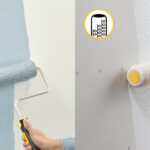 How to Choose Roller Nap for Painting – Common Mistakes That Ruin Walls