
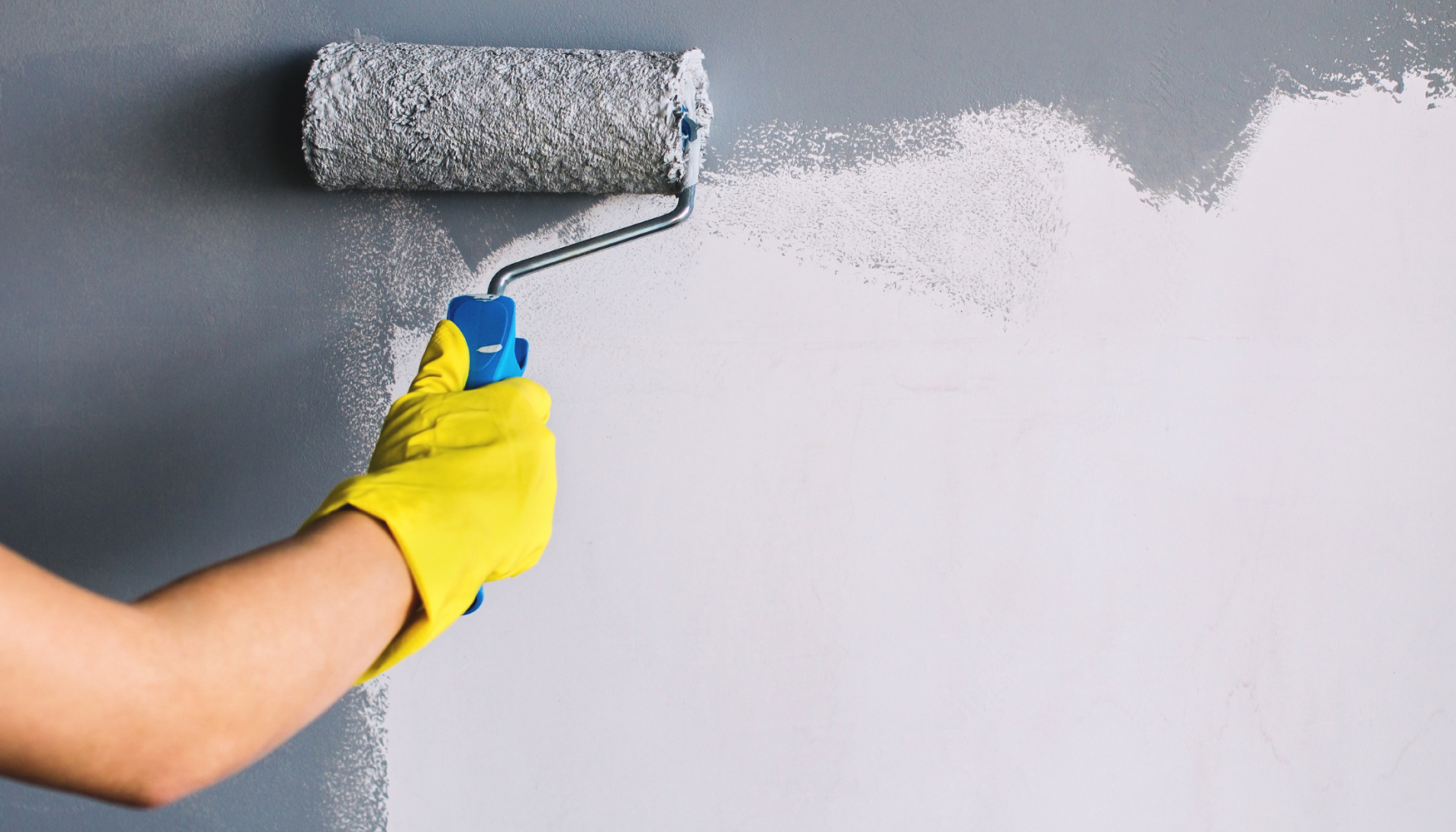
Yes, you can use a roller with eggshell paint, and it is actually a common method for applying it on walls and ceilings. Eggshell paint has a smooth, low-sheen finish that spreads evenly with a medium-nap roller (usually ⅜” to ½”) to avoid streaks and ensure consistent coverage. For best results, use a high-quality roller, apply paint in a “W” or “M” pattern, and maintain a wet edge to prevent lap marks. Brushes can be used for edges and corners.
The Secret to a Smooth Eggshell Finish: The Right Nap
Using the wrong roller with eggshell paint is the https://www.google.com/search?q=%231 cause of an uneven, “stippled” look. Because eggshell reflects light, any texture created by a cheap or thick roller will be highly visible.
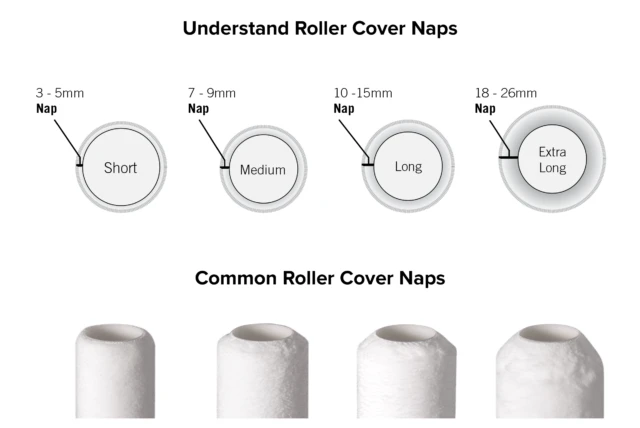
Project Type Recommended Roller Nap Best Amazon Product Smooth Walls/Drywall 3/8 inch (9.5mm) Wooster Pro Woven Short Nap Slightly Textured Walls 1/2 inch (12.5mm) Purdy White Dove Roller Doors & Trim 1/4 inch (6mm) Bates Choice Foam Rollers My Top Recommendation: Wooster Brush Pro/Doo-Z No-Shed Roller
If you’re wondering “can you use a roller with eggshell paint” and get a professional result, this is the specific tool. It is a “non-shed” woven roller, which is critical because eggshell’s sheen will highlight every tiny lint fiber left behind by cheaper rollers.
Pro Tip: Always “load” the roller evenly and avoid pressing too hard, which causes “fat edges” (lines of paint) that dry shiny.
Why it works: The tight weave lays the paint down flat rather than “stippling” it.
If you’ve wondered, can you use a roller with eggshell paint, you’re in the right place. I’ve rolled hundreds of walls, trim, and ceilings with eggshell. I’ll walk you through the tools, steps, and pro tricks to get a smooth, even finish without lap marks or roller lines. By the end, you’ll know exactly how to prep, roll, and fix common issues with eggshell—fast.
Best Primer For Eggshell Paint– Top Picks for Smooth, Even Coverage
What Is Eggshell Paint?
Eggshell paint is a low-sheen, soft-gloss finish that sits between flat and satin. It hides small flaws better than satin but wipes cleaner than flat. It is a popular choice for living rooms, bedrooms, hallways, and rentals.
Pros:
- Hides minor surface texture better than higher gloss.
- More washable than flat, so it stands up to light cleaning.
- Gives a calm, elegant look in most rooms.
Cons:
- Shows lap marks if you don’t keep a wet edge.
- Not as scrubbable as satin or semi-gloss.
- Can flash if the surface is uneven or unprimed.
Can You Use a Roller with Eggshell Paint?
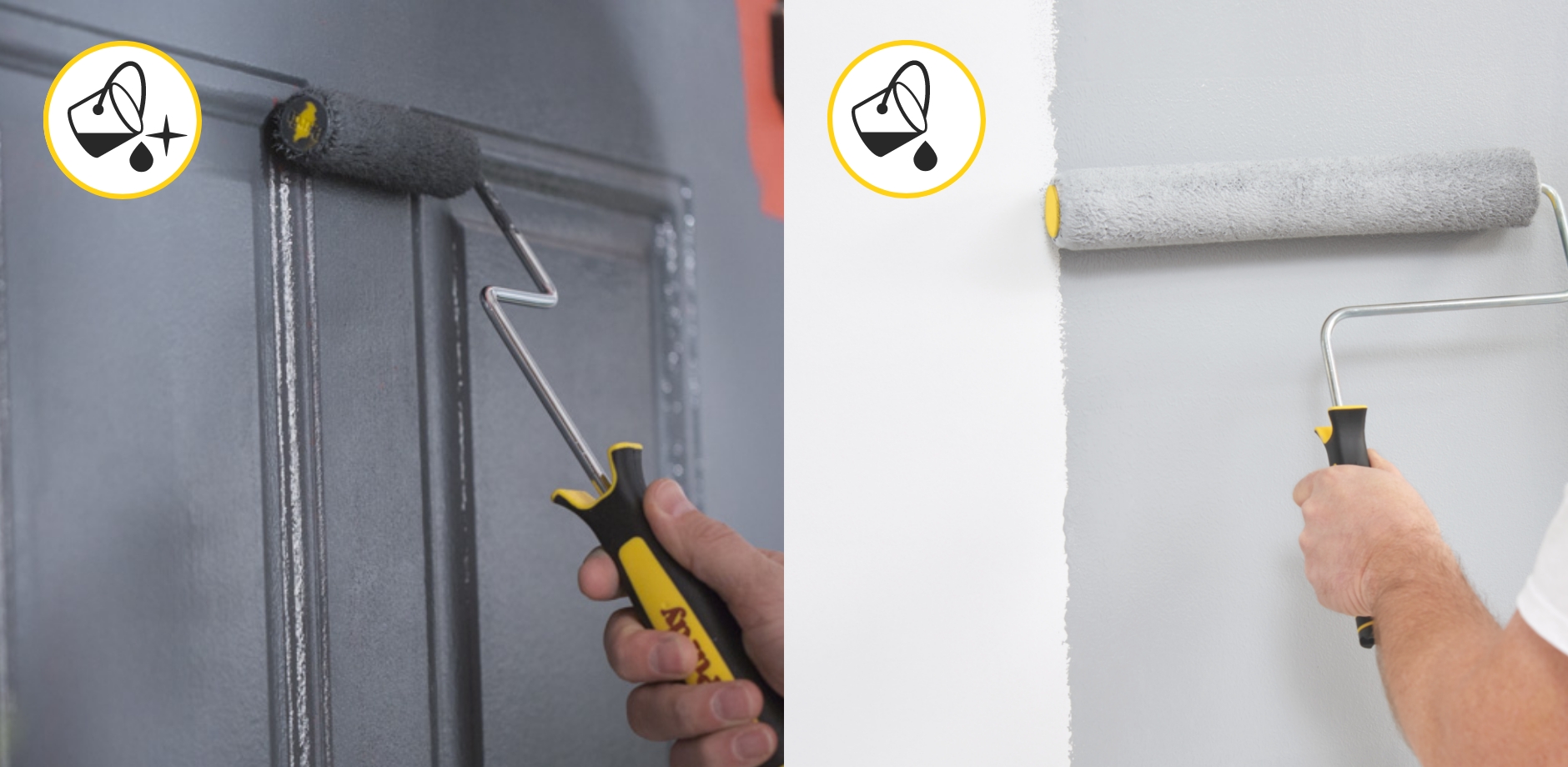
Yes. Can you use a roller with eggshell paint for walls, ceilings, and even doors? You can, and it often gives the most even look in large areas. The key is to match the roller nap to the surface and work in sections while the paint is still wet.
Why it works:
- Eggshell has just enough sheen to level well if applied at the right thickness.
- A quality roller lays down a smooth, uniform film.
- Back-rolling (lightly smoothing your last pass) evens the texture.
Best practice in one line: Load well, roll in a W pattern, keep a wet edge, and lay off lightly.
Is eggshell hard to roll?
Not if you use a low-lint, woven or microfiber cover. Keep a steady pace and avoid over-rolling as it starts to tack.
Do you need to thin eggshell for rolling?
Usually no. Most quality latex eggshell paints are roll-ready. If it drags in hot, dry rooms, add the manufacturer-approved conditioner per label.
Can you roll eggshell over old paint?
Yes, if it’s clean, dull, and sound. Spot-prime repairs and glossy spots for an even sheen.
What Type of Roller Is Best for Eggshell Paint?
The Right Tools and Materials
Using the right kit makes a visible difference. To answer can you use a roller with eggshell paint well, start with pro-grade tools.
Must-haves:
- Roller frame with a comfortable grip and a smooth spin.
- Woven or microfiber roller covers, 3/8 inch nap for most walls.
- 1/4 inch nap for smooth trim and doors, 1/2 inch for light texture.
- High-quality painter’s tape, tray or grid, tray liners.
- Extension pole for reach and even pressure.
- Angled sash brush for cutting in edges.
- Clean, lint-free cloths and a damp microfiber towel.
Nice-to-haves:
- De-lint tape or painter’s tape to pre-clean new roller covers.
- Pole sander and 220-grit paper for quick scuff sanding.
- A wet-edge extender (manufacturer-approved) in hot, dry rooms.
Surface Prep and Priming
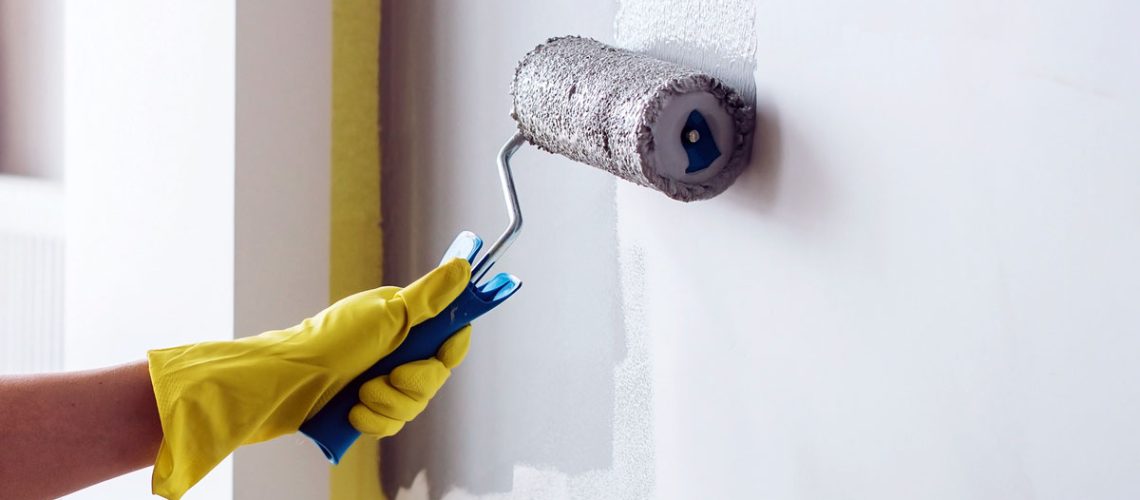
Preparation is half the paint job. Before you can use a roller with eggshell paint, give the surface a quick reset.
Steps:
- Clean: Wash walls with mild soap and water. Rinse and let dry.
- Repair: Fill nail holes and dents. Sand smooth after it sets.
- Dull: Scuff glossy areas with 220-grit. Wipe dust with a damp cloth.
- Prime: Spot-prime repairs and stains. Full-prime if you have sharp color changes, patches everywhere, or a slick factory finish.
Tip: Uneven porosity causes flashing. Primer evens it out so eggshell dries to one, uniform sheen.
Step-by-Step: Rolling Eggshell Paint Like a Pro
Follow this simple flow when you can use a roller with eggshell paint for clean, even walls.
- Cut in edges
- Use an angled brush to paint 2–3 inches along ceilings, trim, and corners.
- Work one wall at a time so the edge stays wet.
- Load the roller
- Dip the cover a third of the way, then roll on the tray grid to even it out.
- The cover should look saturated, not dripping.
- Roll in sections
- Work in 3-by-3 foot areas.
- Make a loose W or M, then fill in without lifting the roller.
- Keep a wet edge
- Overlap each pass by a third while the paint is still wet.
- Do not stop in the middle of a wall.
- Lay off
- Finish each section with two light, top-to-bottom passes.
- Use almost no pressure to remove roller lines.
- Reload often
- Starved rollers cause texture and lap marks.
- If the roller sounds sticky, reload.
- Second coat
- Wait per label, often 2–4 hours for latex.
- The second coat evens out color and sheen.
Best Eggshell Paint – Best Value & Premium Choices Comparedbest eggshell paint
Roller Nap, Material, and Sheen Matching
Nap length controls how much paint you put down and how smooth it looks.
For eggshell:
- 1/4 inch nap: Very smooth surfaces like doors and cabinets.
- 3/8 inch nap: Standard drywall walls and ceilings. The go-to.
- 1/2 inch nap: Light textures or rougher drywall.
Material:
- Woven covers shed less and leave a fine finish.
- Microfiber holds more paint and levels well with eggshell.
- Avoid cheap knit sleeves that shed or leave heavy stipple.
Rule of thumb: If you ask, can you use a roller with eggshell paint on smooth walls, choose a woven or microfiber 3/8 inch nap.
Common Problems and Easy Fixes
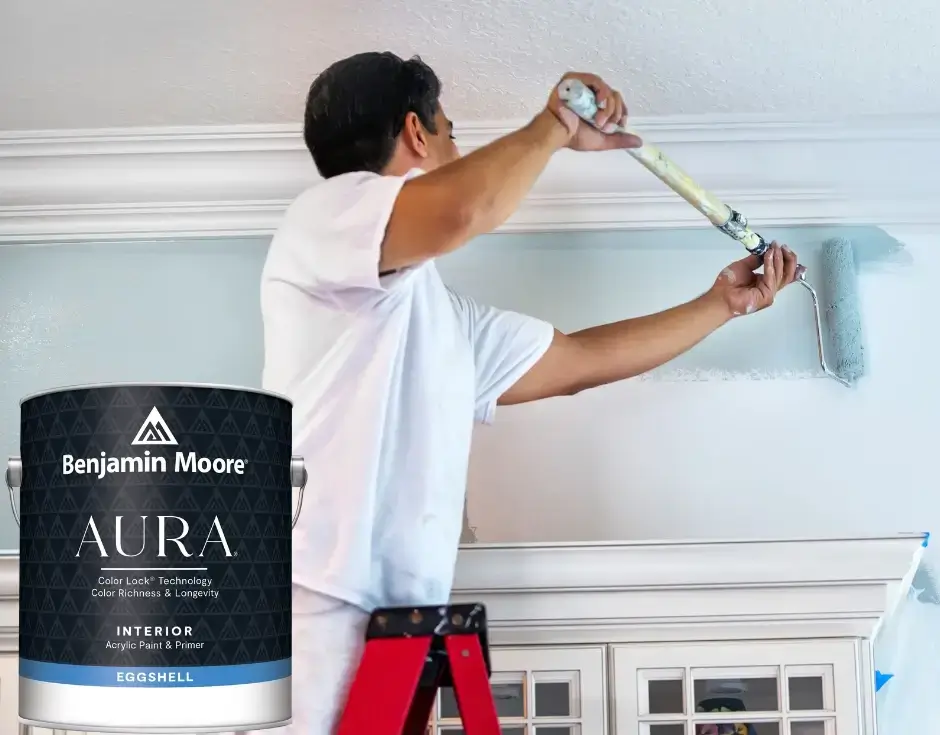
Even pros see issues when the room is hot, the paint is thick, or the wall is patchy. Here is how to fix them fast.
Orange peel or heavy texture
- Cause: Too thick a coat, fast rolling, or a fluffy nap.
- Fix: Switch to 3/8 inch woven, roll slower, and lay off lightly.
Lap marks
- Cause: Slow pace or dry edges that overlap.
- Fix: Work smaller sections, use an extender if needed, and overlap while wet.
Flashing over patches
- Cause: Unprimed spackle spots or mixed porosity.
- Fix: Spot-prime patches. Apply a full second coat.
Roller lint in finish
- Cause: Cheap covers or skipping the de-lint step.
- Fix: Use woven or microfiber covers and tape-roll new sleeves before use.
Visible roller lines
- Cause: Pressing too hard or dry roller ends.
- Fix: Keep even pressure and finish each section with feather-light, vertical passes.
If someone asks, can you use a roller with eggshell paint without streaks, the answer is yes—prep right, keep a wet edge, and lay off.
Pro Tips and Lessons from the Field
These small tweaks made my eggshell projects faster and cleaner.
- Pre-wet synthetic covers. Spin out excess water so they are damp, not wet. Paint flows better.
- Map your wall. Start near a natural break like a corner or window and move across with no long pauses.
- Watch the light. Rake light shows lines. Step back and spot-fix while it is still wet.
- Temperature matters. In hot, dry rooms, paint tacks fast. Add the approved extender and work in tighter zones.
- Respect recoat times. Touch-dry is not cure. Follow label windows for the second coat and tape removal.
When clients ask, can you use a roller with eggshell paint on feature walls or dark colors, I say yes—but always plan for two solid coats and control your lighting while you work.
Frequently Asked Questions of can you use a roller with eggshell paint
Can you use a roller with eggshell paint on ceilings?
Yes. Use a 3/8 or 1/2 inch nap to cover more area and hide light texture. Keep a wet edge and work perpendicular to the main light source.
What roller is best for eggshell walls?
A 3/8 inch woven or microfiber cover is the sweet spot. It lays down enough paint for leveling without heavy stipple.
Can you use a roller with eggshell paint on cabinets?
You can, but use a 1/4 inch microfiber or foam cover for a finer finish. Sand between coats and consider a leveling additive.
How do I avoid lap marks with eggshell?
Work in small sections and overlap while the paint is still wet. Lay off lightly in one direction at the end.
Do I need primer under eggshell?
Prime patches, stains, and glossy surfaces. For color changes or drywall repairs, a full prime gives the most even sheen.
Can you use a roller with eggshell paint over satin?
Yes, after a light scuff sand and spot-priming slick areas. This helps bonding and reduces flashing.
Should I thin eggshell paint for rolling?
Not usually. If it drags due to heat or airflow, use the branded extender per the label rather than water.
Conclusion
You now know the full answer to can you use a roller with eggshell paint: yes, and with the right nap, even pressure, and a wet edge, the finish looks smooth and consistent. Prep well, pick a quality 3/8 inch woven or microfiber cover, and finish each section with a light lay-off.
Set up your tools, test a small area, and build your rhythm. Ready to paint smarter? Try these steps on your next wall, share your results, and subscribe for more pro-tested guides.
Related posts:
 Best Paint Roller – Expert-Tested Rollers for Walls & Ceilings
 How Do I Prevent Streaks With a Nap Roller? Techniques for Smooth, Avoid Lap Marks and Uneven Paint
 How To Get Emulsion Paint Off Plaster Walls?– Safe Tips, Tools, Chemicals & Techniques
 Best Eggshell Paint – Best Value & Premium Choices Compared best eggshell paint