
To get a smooth paint finish on wood with a roller, start by sanding the surface smooth and applying a quality primer to create an even base. Use a high-density foam or microfiber roller designed for smooth surfaces, apply thin coats of paint, and roll in light, even strokes without pressing too hard. Lightly sand between coats with fine-grit sandpaper to remove imperfections, and allow proper drying time. Finishing with thin, even layers ensures a professional, streak-free result.
The Pro’s Kit: Best Rollers for a Mirror-Smooth Finish
The biggest mistake DIYers make is using a standard “fuzzy” nap roller on wood. For a factory-smooth finish, you need specialized tools that lay the paint down flat.
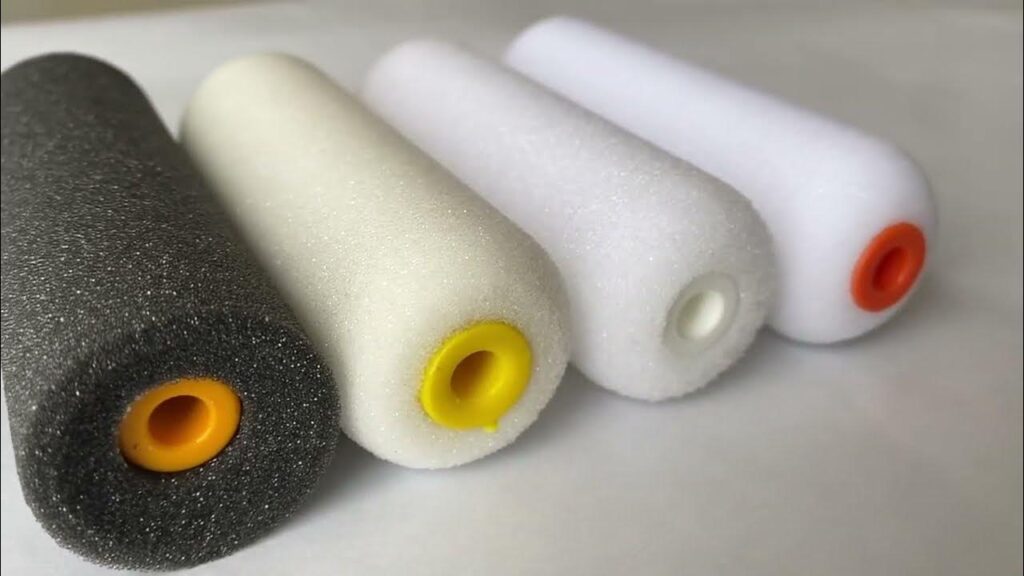
Product Type Top Recommendation Why it’s the Best for Wood High-Density Foam Whizz Premium Foam Roller Leaves zero lint and zero texture on flat surfaces. Microfiber Roller Wooster Pro/Doo-Z Holds more paint; better for large surfaces like doors. Paint Conditioner Flood Floetrol (for Latex) Slows drying time so the paint “levels out” and hides marks. Our Top Pick: Whizz Premium High-Density Foam Roller
If you want to know how to get a smooth paint finish on wood with a roller, the answer starts with the density of the foam. This Whizz roller is specifically designed for cabinets and trim.
Pro Tip: Don’t press hard! Let the weight of the roller do the work to avoid “edge lines.”
The Secret: It doesn’t have the “bounce” of cheap sponge rollers, which prevents air bubbles from forming in your paint film.
Use a high‑density foam roller, thin your paint, and sand lightly between coats.
You want that glassy, brush-free look on wood without a sprayer. I’ve spent years painting cabinets, doors, and furniture, and I’ll show you how to get a smooth paint finish on wood with a roller the right way. We’ll cover tools, prep, technique, and fixes so you can roll a pro-level finish at home, even on tricky trim and cabinet doors.
Best Paint Roller – Expert-Tested Rollers for Walls & Ceilings
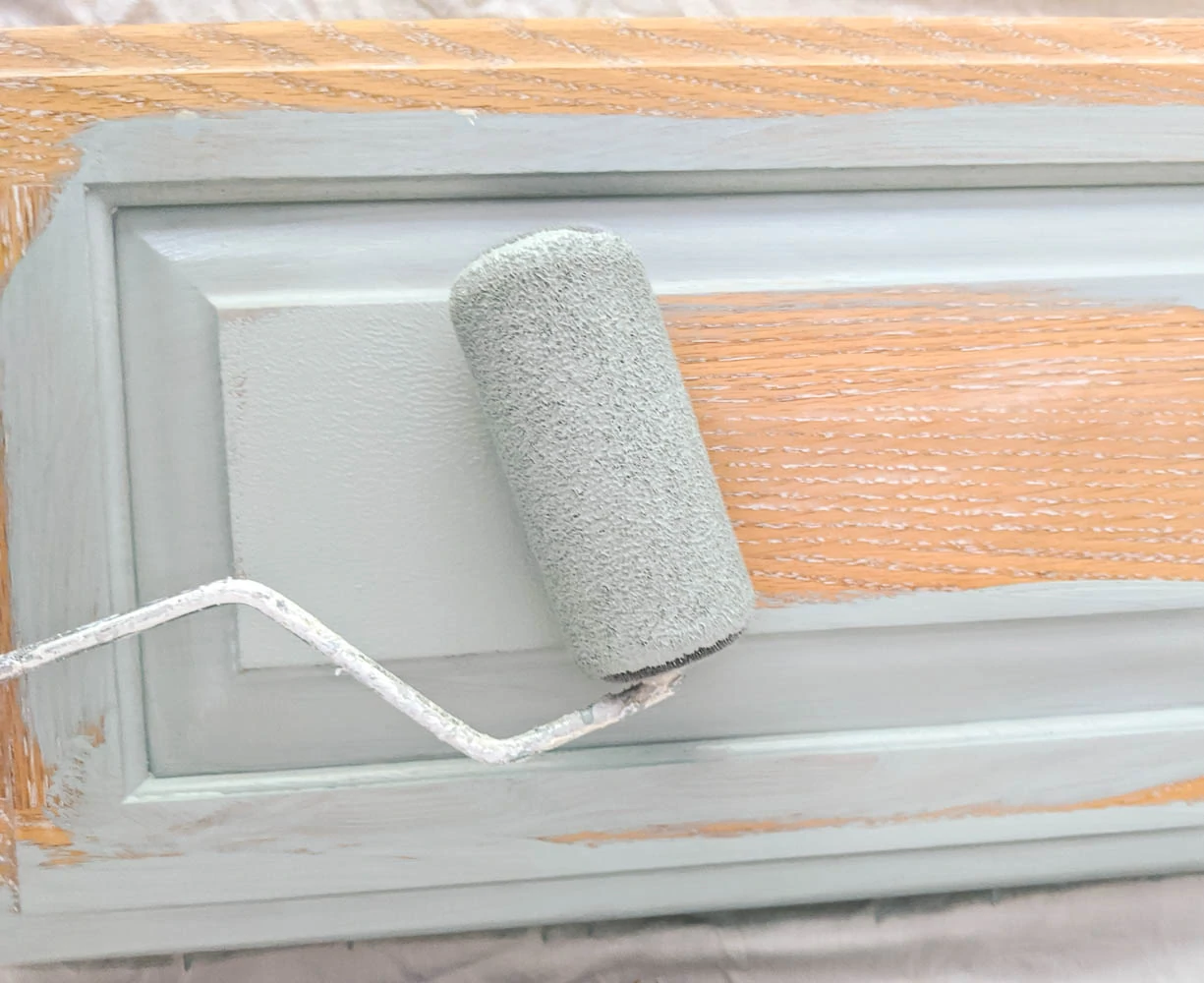
What a smooth finish looks like and why the roller matters
A smooth finish on wood looks even, tight, and free of texture. It does not show roller stipple, lines, or orange peel. The light should glide across the surface without waves.
The roller you choose controls texture. Foam, microfiber, and mohair all leave a different print. If you want how to get a smooth paint finish on wood with a roller, roller choice is half the win. The other half is thin, even coats and gentle sanding.
I learned this the hard way on a set of cabinet doors. A shaggy roller left a pebbled look. Swapping to a high-density foam cover and slowing down fixed it.
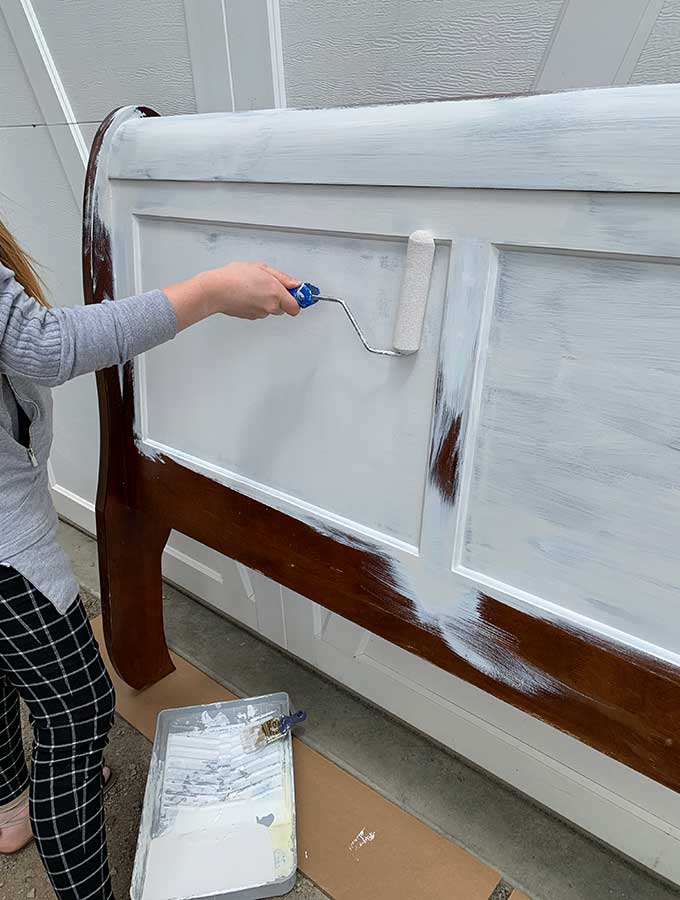
Tools and materials you need
Gather the right kit before you open the can. It saves time and stops flaws.
Essentials
- High-density foam or mohair rollers in 4–6 inch and 9 inch sizes for flat panels
- Low-nap microfiber covers, 1/8–1/4 inch, for waterborne enamels
- Quality roller frame with a smooth-bearing cage
- Paint tray and tray liners to keep debris out
- Fine sandpaper: 180, 220, 320, 400 grit; plus a grey finishing pad
- Wood filler or glazing putty for small dents
- Degreaser and clean rags for prep
- Tack cloth or a lint-free microfiber for dust
- Bonding primer matched to your paint
- Paint extender per the paint maker to improve flow and leveling
- Paint strainer bags, 100–200 micron, to remove lumps
- Good light: a raking light helps spot flaws
- Nitrile gloves, mask or respirator, and eye protection
If your goal is how to get a smooth paint finish on wood with a roller, do not skip strainers, extenders, or fine grits. They are the quiet heroes.
Will A Thick Nap Roller Hide Imperfections– Best Nap Size for Rough Walls
Prep the wood like a pro
Good prep makes paint look better than new. Keep it simple and steady.
Step-by-step
- Clean the wood. Use a degreaser. Rinse and let dry.
- Sand the bare wood to 180–220 grit. This closes the grain and reduces raised fibers.
- Vacuum the dust. Wipe with a damp rag. Let it dry. Lightly sand again if the grain lifts.
- Fill holes and dents. Sand flush with 220 grit.
- Prime with a bonding primer. Roll thin and even.
- After primer dries, sand with 220–320 grit. Vacuum and tack off dust.
Watch the climate. Aim for 65–75°F and 40–60% humidity. If you want how to get a smooth paint finish on wood with a roller, dust control is key. I often run an air purifier in the room for 30 minutes before painting.

Choose the right roller and paint
Roller covers are not all the same. Match the cover to your paint and your wood.
Best choices
* Foam rollers leave the least texture on doors, trim, and furniture.
- Mohair and low-nap microfiber work well with waterborne enamels and alkyds.
- Use 1/8–1/4 inch nap for smooth wood. Skip thick naps that print heavy texture.
Paint choices
- Waterborne enamel gives a hard, smooth shell and low odor.
- Waterborne alkyd enamel levels well and cures hard.
- Traditional oil-based enamel levels great but off-gasses more and cures slow.
Use a paint extender approved for your paint. It slows drying and helps leveling. Strain the paint before pouring it into the tray. If you are set on how to get a smooth paint finish on wood with a roller, low-nap covers and leveled paint are your best friends.
Step-by-step: Rolling for a glass-smooth finish
Follow this simple system. It works on doors, trim, shelves, and tables.
Before you start
- Stir, do not shake, to avoid bubbles.
- Strain the paint. Add a measured dose of extender if allowed.
The rolling method
- Load the roller lightly. Roll it in the tray and offload extra. It should look wet, not drippy.
- Work in small zones. On a door, do panels first, then rails and stiles.
- Lay on a thin coat with light, even pressure. Overlap passes by one third.
- Maintain a wet edge. Do not let the leading edge dry as you move.
- Tip off. With a near-dry roller, make one last pass in the same direction. Use almost no pressure.
- Watch edges. Feather out lap lines at edges and corners.
- Leave it alone. Resist the urge to touch up areas that are already setting.
Good habits
- Roll slower than you think. Fast rolling traps bubbles.
- Keep the room mild and dust-free. Close vents that blow air at the work.
- Flash time matters. Let the coat set per the label before recoating.
If you want how to get a smooth paint finish on wood with a roller, thin coats beat thick coats every time. On a console table I refinished, two thin coats with tip-off looked far better than one heavy pass.
Between coats: Sanding, curing, and sheen control
A light sand between coats knocks down dust and nibs. It also helps the next coat bond.
What to do between coats
- After dry-to-recoat time, sand with 320–400 grit or a grey pad.
- Sand lightly. You are dulling the sheen, not removing the coat.
- Vacuum and tack off. Keep the surface clean.
Timing tips
- Waterborne paints often recoat in 2–4 hours. Check the label.
- Oil-based paints may need 6–16 hours or more.
- Dry to touch is not cured. Full cure can take 7–30 days.
Sheen notes
- Satin and semi-gloss show fewer flaws than full gloss.
- For a mirror look, let the paint cure, then wet sand 1000–2000 grit and polish. Test first.
This is where how to get a smooth paint finish on wood with a roller turns into results. Patience between coats pays off in the final feel.

Fixing flaws: Drips, orange peel, and roller marks
Mistakes happen. You can fix most issues fast.
Common fixes
- Drips or sags: Let them dry. Shave with a sharp razor. Sand 320–400. Recoat thin.
- Orange peel: The paint was too thick or dried too fast. Add extender. Sand smooth. Recoat.
- Roller lines: Too much pressure or a dry roller. Lighten pressure. Keep a wet edge. Tip off.
- Bubbles: Over-rolling or aerated paint. Slow down. Strain the paint. Light sand. Recoat.
I once rushed a bookcase on a humid day and got peel and lines. I strained the paint, added extender, and slowed down. One thin pass with a foam roller fixed it. If you focus on how to get a smooth paint finish on wood with a roller, most flaws turn into small detours, not disasters.

Pro tips, time savers, and alternatives
These small habits add up to a pro finish.
Helpful habits
- Decant paint into a smaller cup for edges and small parts.
- Wrap rollers in plastic between coats to keep them wet.
- Use a raking light at a low angle to spot misses.
- Label grits and keep spent papers separate from fresh ones.
- Roll-and-tip: After rolling, very lightly drag a high-quality brush in one direction. This can level stubborn paints.
If you ask me how to get a smooth paint finish on wood with a roller, I’ll say roll thin, tip off, and sand between coats. Sprayers can be faster, but a smart roller setup gets you close without the mess or gear.
Safety, ventilation, and cleanup
A clean, safe shop helps the finish and your health.
Do it right
- Ventilate the room. Use a fan to exhaust air, not blow dust at the work.
- Wear gloves and a mask or respirator as the label advises.
- Keep kids and pets out while coats dry.
- Never leave oil-soaked rags in a pile. Lay them flat to dry or store in a sealed metal can.
- Clean waterborne paints with warm soapy water. Follow label steps for oil-based cleanup and disposal.
When you care about how to get a smooth paint finish on wood with a roller, safety and cleanup are part of the craft.
Frequently Asked Questions
Can I use a roller on raw wood without primer?
You can, but primer gives better bonding and a smoother look. Primer also blocks stains and reduces raised grain.
What roller nap is best for a smooth finish on wood?
Use 1/8–1/4 inch nap or high-density foam. It leaves less texture and helps the paint level.
How many coats do I need for a pro finish?
Plan on two to three thin coats. Sand lightly between coats for the best feel.
Why does my paint show tiny bubbles after rolling?
The roller may be too fast or the paint too thick. Slow down, strain the paint, and add a small amount of extender if allowed.
Do I need to sand between every coat?
A light sand between coats gives a smoother surface and helps the next coat grip. Use 320–400 grit and keep it gentle.
How long should I wait before using the painted surface?
Wait for full cure, not just dry-to-touch. Many paints need 7–30 days for full hardness.
Will a brush give a smoother finish than a roller?
A brush can level well, but it can leave brush marks. For large flat areas, a foam roller often looks smoother.
Conclusion
You can get a glass-like finish on wood with simple tools and a calm pace. Prep well, use a foam or low-nap roller, roll thin, tip off, and sand between coats. That is how to get a smooth paint finish on wood with a roller, every single time.
Pick one small project this week and try this method on a drawer front or a shelf. Share your results, ask a question, or subscribe for more hands-on paint tips.
Related posts:
 How Do I Prevent Streaks With a Nap Roller? Techniques for Smooth, Avoid Lap Marks and Uneven Paint
 How To Use Oil Paint On Wood– Prep, Painting & Step-by-Step Guide for a Smooth Finish
 1/4 vs 3/8 Nap Roller– Smooth Finish vs Better Coverage
 What nap roller for level 5 drywall?– Best Coverage & Smooth Finish