
Yes, primer is generally safe to use indoors when you choose the right type and follow proper ventilation practices. Low-VOC or zero-VOC primers are designed for interior use and emit fewer harmful fumes than traditional solvent-based formulas, making them safer for enclosed spaces. Always open windows, use fans for airflow, and follow the manufacturer’s safety instructions to minimize odor and inhalation risks, especially in poorly ventilated areas.
Best Heat Gun For Removing Paint From Wood– Powerful, Safe & Expert‑Tested Models
If you have ever wondered is primer safe to use indoors, you are not alone. I have primed hundreds of rooms for clients and my own homes. I’ll walk you through the products, the science, and the safety steps I use on real jobs. You will learn exactly when primer is safe, what to avoid, and how to get pro results without nasty fumes.
What does primer do, and which types work best indoors?
Primer is the base coat that helps paint stick, blocks stains, and evens out porous surfaces. It sets the stage for a smooth, durable finish. The right primer can also seal odors and resist mold in damp spaces.
Common primer types you’ll see:
- Water-based latex or acrylic primer. Low odor, easy cleanup, great for drywall and most trim.
- Oil-based or alkyd primer. Strong stain blocking and adhesion, but higher fumes.
- Shellac-based primer. Top odor and stain blocker, very strong fumes, dries fast.
Use water-based for most living areas. Use oil or shellac only when you need heavy stain or odor blocking. Read the label for indoor use and VOC content.
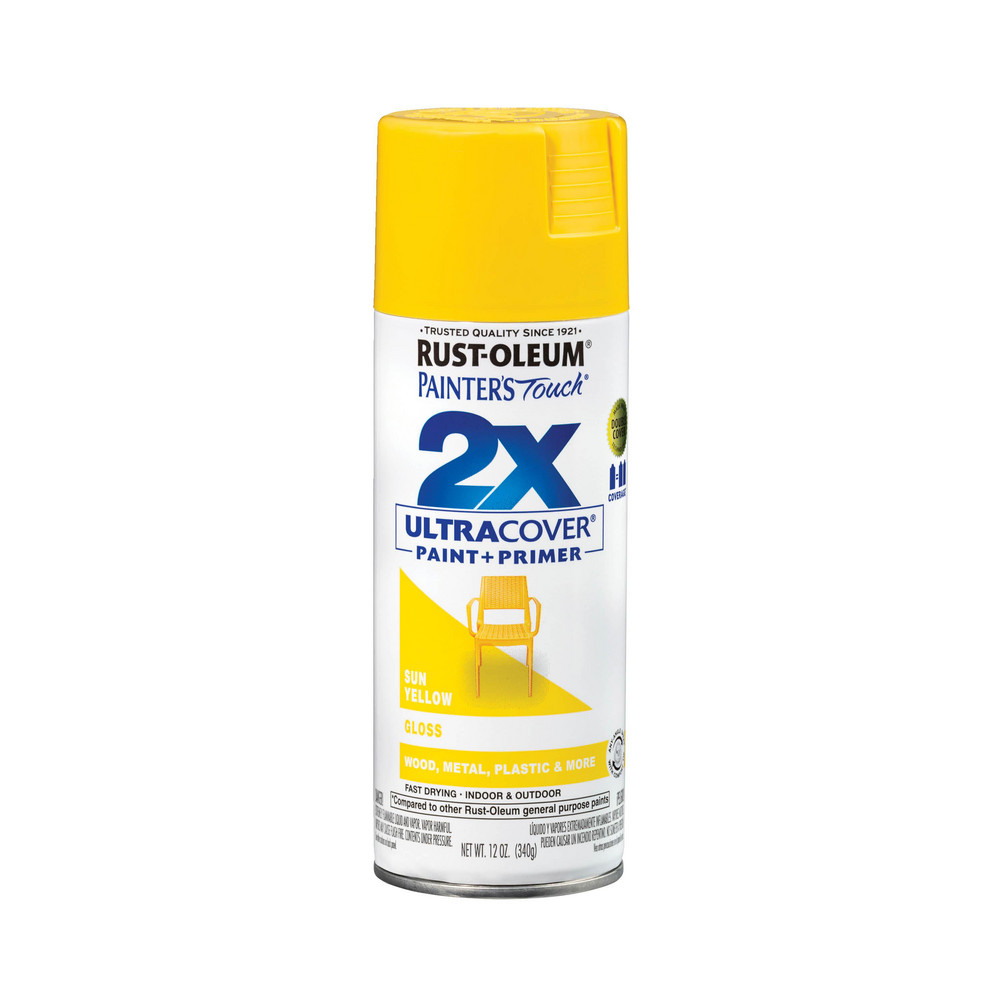
Is primer safe to use indoors? The real answer
Here is the short version many pros use: is primer safe to use indoors depends on the product, the room, and your prep. Water-based primers labeled low-VOC or zero-VOC are safe for most indoor jobs when you ventilate.
With solvent primers, “is primer safe to use indoors” is still possible, but you must control fumes and follow safety steps. Keep kids, pets, and sensitive people out. Open windows, set an exhaust fan, and wear the right mask.
Top-Rated Safe Indoor Primers & Gear
Product Category Recommendation Why it’s Safe Best Low-VOC Primer KILZ Restoration Maximum Water-based but performs like oil; very low odor. Best Zero-VOC Primer Prestige Interior Primer Zero VOCs; ultra-safe for bedrooms and nurseries. Essential Safety Gear 3M Respirator with Organic Vapor Cartridges Necessary if you must use a heavy-duty oil primer indoors.
Health basics: VOCs, fumes, and off-gassing
The main indoor concern is VOCs, or volatile organic compounds. VOCs cause odors and can irritate eyes, nose, throat, and lungs. High levels can trigger headaches. Sensitive groups include pregnant people, infants, the elderly, and those with asthma.
How VOCs and odors behave:
- Water-based primers have lower VOCs. Many list under 50 g/L, and “zero-VOC” can be under 5 g/L.
- Oil and shellac primers have higher VOCs. They also can be flammable until dry.
- Off-gassing drops as the primer cures. Most indoor-safe primers stabilize in 24–72 hours.
So, is primer safe to use indoors? Yes, when you pick low-VOC options and let the room air out well.
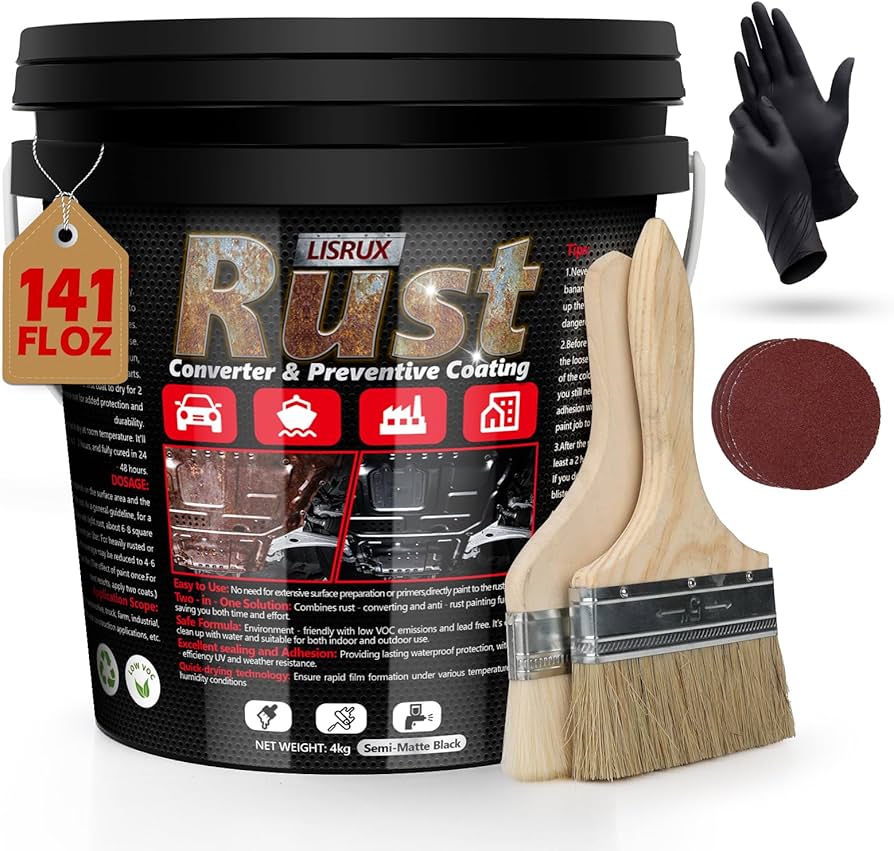
Indoor safety checklist and ventilation plan
If you want a fast, safe process, use this field-tested plan. It is the same one I use in client homes.
Before you open the can:
- Read the label and the SDS. Check indoor use, VOC level, and dry time.
- Choose low-VOC or zero-VOC for bedrooms, nurseries, and living rooms.
- Ask yourself again: is primer safe to use indoors for your space, people, and weather that day?
Set up the room:
- Open windows on opposite sides to create cross-breeze.
- Place a box fan blowing out a window to exhaust air. Crack a door for fresh intake.
- Turn off HVAC returns in that room to avoid spreading fumes.
- Remove pets, kids, and non-workers from the area.
Protect yourself:
- Wear nitrile gloves and safety glasses.
- For solvent primers, use a respirator with organic vapor cartridges. For sanding, add P100 filters.
- Avoid open flames and pilot lights. Solvent vapors can ignite.
Apply and cure:
- Cut in and roll in small sections. Do not overwork the product.
- Close the can tightly during breaks.
- Let it dry per the label. Keep airflow going for 24–72 hours.
These steps make is primer safe to use indoors for most projects and people.
How to choose the right indoor primer
Picking the right can is half the safety win. Use this simple guide to make the choice easy.
When your goal is low odor:
- Pick a water-based acrylic primer labeled low-VOC or zero-VOC.
- Look for “meets strict VOC limits” or similar claims from the maker.
When you must block tough stains or odors:
- Spot-prime with shellac or oil primer. Vent well and wear a respirator.
- Topcoat with low-VOC paint to lock in any remaining smell.
When you need extra protection:
- For bathrooms or basements, choose primers with mildewcides and moisture resistance.
- For glossy trim, use a bonding primer to avoid heavy sanding.
When friends ask me “is primer safe to use indoors,” I tell them the safest bet is a reputable low-VOC acrylic primer unless you face smoke, water stains, or strong odors. If you do, you can still make is primer safe to use indoors by spot-priming with stronger products and boosting ventilation.
Best Chemical Paint Strippers– Safe, Effective & Highly Rated Picks
Real-world lessons from the job site
Two stories stand out from my work.
A nursery refresh:
- The parents asked me, is primer safe to use indoors before the baby arrived. We chose a zero-VOC acrylic primer. I set a box fan in the window and let the room air for 48 hours. Odor was mild and gone by day two. They moved furniture in on day three.
A smoke-damaged den:
- A client had heavy nicotine stains and smell. Water-based primer was not enough. I used shellac primer for stains, but only after sealing the room, setting up exhaust, and wearing a vapor respirator. I spot-primed stains, then switched to low-VOC acrylic across the rest. The smell was strong on day one, faint on day two, and cleared by day three. With the right steps, is primer safe to use indoors even in these tough cases.
Key mistakes to avoid:
- Skipping ventilation and hoping the smell fades on its own.
- Using oil or shellac across an entire room when spot-priming would do.
- Ignoring labels and VOC data. The label tells you if is primer safe to use indoors for that formula.Source: davines.com
Quick answers to related questions
How long should I ventilate after priming?
Run an exhaust fan and cross-breeze for at least 24 hours. With solvent primers, plan for 48–72 hours or until all odor is gone.
Can I sleep in a room after priming?
If you used low-VOC acrylic primer and the smell is gone, many people can sleep there the next night. Sensitive people should wait 24–48 hours.
Is primer safe to use indoors around gas appliances?
Not with solvent primers near open flames or pilot lights. Turn them off or choose water-based primer and keep a safe distance.

Frequently Asked Questions of is primer safe to use indoors
Is primer safe to use indoors for people with asthma?
Low-VOC acrylic primers are often better, but always ventilate well. If symptoms flare, leave the room and return after full cure.
Is primer safe to use indoors during pregnancy?
Choose zero-VOC water-based primer and ventilate for 24–48 hours. When in doubt, avoid exposure and let someone else apply it.
Is primer safe to use indoors on furniture and cabinets?
Yes, pick a bonding acrylic primer with low VOCs. Sand lightly, vacuum dust, and prime with windows open and a fan exhausting air.
Is primer safe to use indoors when it is cold outside?
Yes, but drying may slow down and ventilation is harder. Use a low-VOC primer and run an exhaust fan while keeping the room at label-recommended temps.
Is primer safe to use indoors if I have pets?
Keep pets out while you work and until the odor is gone. Low-VOC products and good airflow reduce risk.
Conclusion
Primers can be used safely indoors when you match the product to the job and control the air. Choose low-VOC acrylic for most rooms. Use solvent primers only for spot stains, and ventilate like a pro. If someone asks you is primer safe to use indoors, you can now give a clear, confident answer backed by real steps.
Ready to tackle your next room? Pick your primer, set up airflow, and get that smooth, long-lasting finish. Have questions or a tricky stain? Leave a comment and I’ll help you make a safe, smart plan.
Related posts:
 Can I Add Water to Behr Premium Plus? (2024) – Risks, Limits & Best Practices
 Can You Use Epoxy Paint On Wood? – Pros, Cons & Best Uses, Risks & Tips
 How To Remove Dried Emulsion Paint From Fabric?– Safe for Clothes & Upholstery
 Can You Paint Radiators With Emulsion?– Get a Lasting, Safe Options, Heat-Resistant Finish