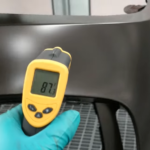
Spray painting in 40–50°F (4–10°C) is possible, but it can affect paint performance and finish. Lower temperatures slow drying and curing, increase the risk of runs, drips, or uneven coverage, and may cause poor adhesion or a rough texture. To improve results, warm the paint to room temperature, apply thinner coats, and allow extra drying time between layers. Using a paint designed for lower temperatures can also help achieve a smoother, more durable finish.
## Essential Tools for Cold Weather Painting
Product Why it’s the Best for 40-50°F Key Feature Seekone Heavy Duty Heat Gun Best for Curing. Speeds up the “flash-off” time between coats. Variable temp control (up to 1202°F). Wagner SprayTech Heat Shield Best for Small Projects. Keeps the surface warm enough for bonding. Focused heat flow for detail work. Krylon K01303 Gallery Series Best Cold-Weather Finish. Specifically designed to handle lower temps. High-solids formula for better coverage.
Yes, you can spray paint at 40–50°F with careful prep and patience.
If you have wondered, Can I spray paint in 40-50 degree temps?, you are not alone. I have painted furniture, bike frames, and trim in late fall and early spring, and I know what works. Stick with me and I will show you how to get smooth, strong finishes in chilly weather without costly do-overs.
Best Budget Moisture Meter (2026) – Accurate & Affordable for Home, Wood, and Construction
Can I spray paint in 40–50 degree temps? The short answer and why it matters
Yes, but the margin for error is smaller. Cold slows solvent flash-off and can block film formation. That means more runs, orange peel, and weak adhesion if you rush.
When people ask, Can I spray paint in 40-50 degree temps?, I tell them this. You must warm your materials, control humidity, and extend dry times. If you do those three things, your finish can look great and last.
Most paint makers set 50–90°F and low humidity as ideal. But you can still work at 40–50°F with a few smart tweaks. If you are thinking, Can I spray paint in 40-50 degree temps?, the key is process. You can do it, as long as the surface stays dry and at least 5°F above the dew point.
How cold affects spray paint: the science made simple
Cold air slows solvents. That delays the flash between coats. It also thickens paint so it does not atomize as well.
Humidity also rises as air cools. Moist air can condense on your project, which kills adhesion. You may also see blushing. That is a milky haze from moisture trapped in the film.
Think of spray paint as a two-step dance. First, the solvents leave. Then the resin fuses into a solid film. At 40–50°F, both steps need more time and a bit of heat.
Key cold-weather risks:
- Poor atomization leads to orange peel and striping.
- Solvent entrapment causes soft films and slow cure.
- Condensation causes fisheyes, dull spots, or peeling later.
- Blushing in lacquers due to trapped moisture.
What paint makers recommend and what to buy
Most brands list 50–90°F and under 85% RH as the ideal range. Many also note that surface and air temp should be within that band during application and first hour of drying. Below 50°F, you must manage prep and product choice.
What to look for:
- Cold-weather aerosols rated to 35–50°F. These often have faster solvents or special resins.
- 2K catalyzed aerosols for a harder film. They can cure better in cool air, but still prefer warmth.
- Solvent-based primers over water-based when it is cold and damp. Water-based products dry slow in cool air.
- A lacquer retarder for nitro or acrylic lacquer to fight blushing in humid, cool conditions.
If your project depends on perfect gloss, wait for a warmer day. That said, Can I spray paint in 40-50 degree temps? Yes, if you pick the right can and plan for longer flash times.
Spray Paint Temperature Range: Your Complete Guide to Perfect Outdoor Finishes
Step-by-step: how to spray paint in 40–50°F and get pro results
If you ask, Can I spray paint in 40-50 degree temps?, this is the method I use in my shop.
- Check the dew point. Make sure your surface stays at least 5°F above it before, during, and one hour after spraying.
- Choose a mild window. Aim for midday when temps peak and wind is light.
- Warm the can. Place it in 90–100°F water for 10 minutes. Dry it well. Shake for two full minutes.
- Warm the part. Keep the piece in a heated room or under a safe electric heater until it feels slightly warm to the touch.
- Set up a wind break. Use a temporary spray shelter or a garage with the door cracked for airflow.
- Use a test pass. Spray a card. Look for even fan, no spitting, and smooth laydown.
- Apply light coats. Keep the can 8–10 inches away. Move a bit slower than in summer. Aim for 3–5 very light passes.
- Extend flash. Double the time between coats. If the can says 10 minutes, give it 20–30 minutes.
- Respect the recoat window. In cold, if you miss the window, wait a full 48 hours, then scuff and recoat.
- Move to warm air to cure. After the last coat sets for 30–60 minutes, bring the item into a 60–70°F room to finish curing.
Pro tip: Keep a second warmed can in your pocket so pressure stays steady. This tiny move helps a lot at 45°F.
Surface-specific tips at 40–50°F
Different materials behave in different ways in the cold. Can I spray paint in 40-50 degree temps? Yes, but match your steps to the surface.
Metal
- Degrease well. Cold can hide oil films. Use a solvent wipe until a clean rag stays clean.
- Use an etch or epoxy primer for bare steel or aluminum.
- Warm the panel until it feels lukewarm. Metal chills fast and can dip below the dew point.
Wood
- Check moisture. Cold air can hide wet wood. Aim for under 15% moisture content.
- Seal pores with a fast-dry primer to block grain raise.
- Sand lightly between coats. Cold coats can feel rougher.
Plastic
- Use a plastic adhesion promoter first.
- Keep coats extra light. Plastic off-gasses more in cool temps and can trap solvents.
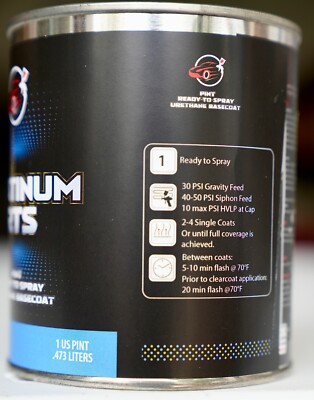
Drying and curing at 40–50°F: realistic timelines
Paint still dries in the cold. It just needs more time, and some warmth to finish strong.
Typical timelines at 45–50°F with low RH:
- Enamel aerosol: Tack-free in 1–2 hours. Handle in 6–12 hours. Full cure in 5–7 days.
- Acrylic spray: Tack-free in 30–90 minutes. Handle in 4–8 hours. Full cure in 3–5 days.
- Lacquer: Dries fast, but prone to blushing. Use retarder. Polish after 48–72 hours.
- 2K aerosol: Dust-free in 20–40 minutes. Handle in 2–4 hours. Full cure in 24–48 hours with warmth.
If you asked, Can I spray paint in 40-50 degree temps?, remember this. You “dry” outside, then “cure” inside where it is warmer.

Troubleshooting cold-weather spray paint problems
Cold exposes flaws fast. Here is how to spot and fix issues.
- Orange peel: Spray is too thick or cool. Warm the can and part. Add distance. Use lighter passes.
- Blushing or haze: Moisture trapped. Wait for a drier hour. Add lacquer retarder or move to a low-RH space.
- Runs or sags: Too heavy a pass or slow flash. Wipe and respray if fresh. If set, let cure, then sand and recoat.
- Soft film days later: Solvent locked in. Give it a warm cure at 70°F for 24–48 hours, then re-evaluate.
- Fisheyes: Oil or silicone on the surface. Degrease fully. Use a dedicated cleaner. Scuff and repaint.
People ask, Can I spray paint in 40-50 degree temps? Yes, but these are the traps to avoid. Slow down and the finish will reward you.
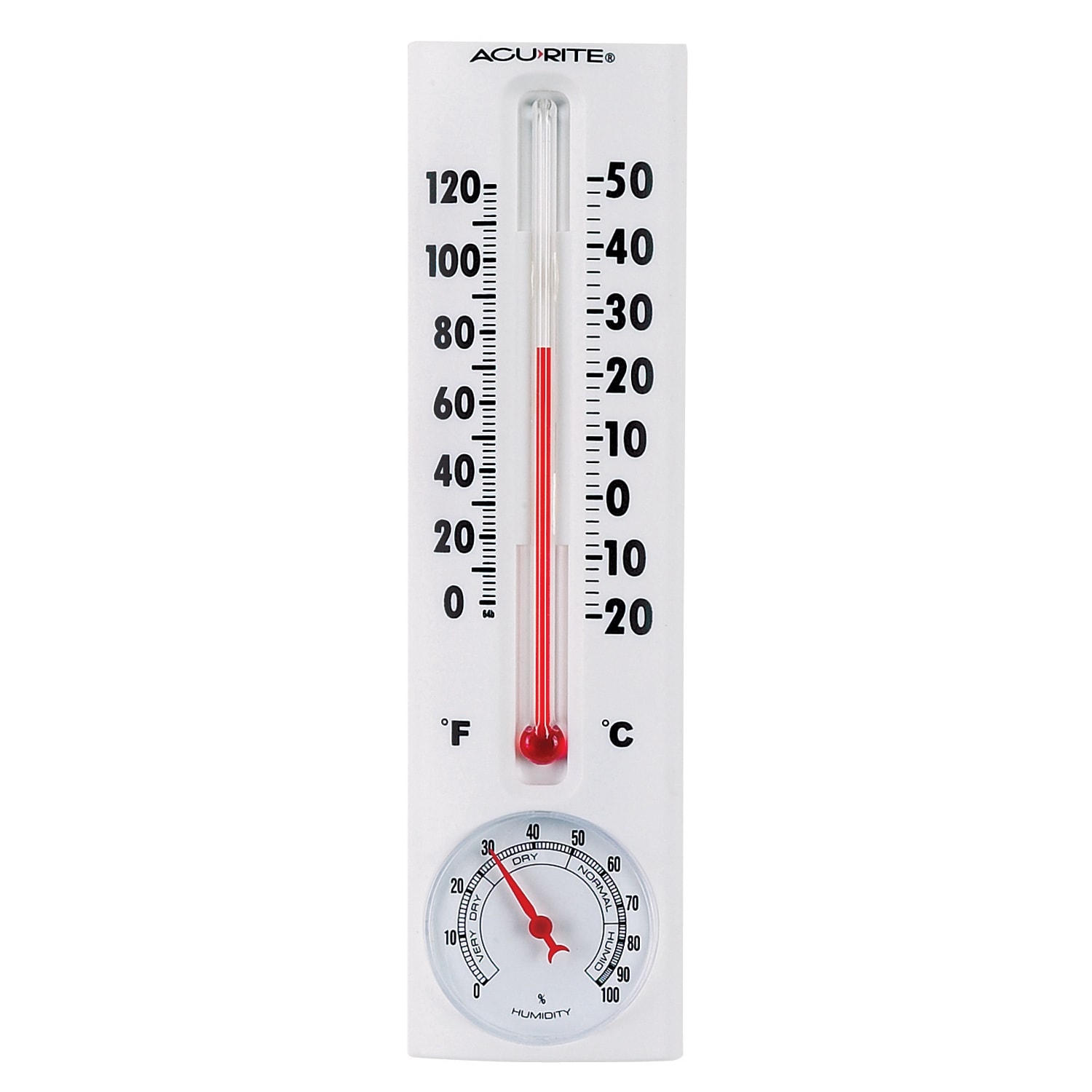
Safety, ventilation, and heating in cold weather
You still need clean air. Do not seal yourself in a garage with fumes. Use cross-ventilation and a respirator with organic vapor cartridges.
Never use open flame heaters near spray paint. Vapors can ignite. Use electric space heaters with care and distance. Warm parts, not the paint cloud. Keep rags in a sealed metal can.
If you wondered, Can I spray paint in 40-50 degree temps?, safety is part of the answer. Smart heat, good airflow, and the right mask make it safe and sane.

From my bench: lessons learned in 40–50°F
I have finished bike frames at 48°F in early November. The first time, I rushed. The gloss sagged and stayed soft for days. I had to strip and start over.
The next time, I warmed the frame and cans, used extra-light coats, and doubled the flash time. I also cured the frame inside at 68°F. The finish was smooth and tough. Lesson learned: when you ask, Can I spray paint in 40-50 degree temps?, the real answer is yes, if you let time do the work.
Quick answers to common questions
Q: Can I spray paint in 40-50 degree temps and still get a glossy finish?
A: Yes. Warm the can and part, keep coats light, and cure in a warm room. Humidity control matters even more than temperature for gloss.
Q: Is water-based spray paint okay at 45°F?
A: It works, but it dries slower and is sensitive to damp air. Solvent-based or 2K aerosols perform better in the cold.
Q: Do I need a primer when it is cold?
A: Yes. Primer helps adhesion when the surface energy is low in cool temps. Pick an etch, epoxy, or plastic primer that lists 40–50°F as acceptable.
Frequently Asked Questions of Can i spray paint in 40-50 degree temps?
What humidity is too high to spray at 40–50°F?
Try to stay under 80–85% relative humidity. Also make sure the surface is at least 5°F above the dew point to prevent condensation.
How long should I warm the spray can?
Ten minutes in 90–100°F water works well. Dry the can fully before spraying so no water drips onto the surface.
Can I spray paint in 40-50 degree temps without a heater?
Yes, but results improve a lot if you warm the part and can. Even a small electric heater, used safely, can make a big difference.
What is the best time of day to paint in the cold?
Aim for midday when temperatures peak and humidity dips. Avoid early morning and late evening when surfaces are cold and damp.
How many coats should I apply at 45°F?
Plan on more light coats than usual, often 3–5 passes. Extend the flash time between coats to 20–30 minutes, or as needed.
Will clear coat cure at 40–50°F?
It will set, but full cure is slow. Move the piece into a 60–70°F space after initial set to reach full hardness.
Conclusion
Cold weather does not have to stop your project. With warm materials, light coats, longer flash, and a warm cure, you can get strong, glossy results at 40–50°F. The key is patience and control.
If you plan ahead, the answer to Can I spray paint in 40-50 degree temps? is a confident yes. Put these steps to work on your next project. Share your results, subscribe for more how-tos, and drop your questions so we can solve them together.