
Is 3 Coats Of Paint Too Much?
Many people wonder is 3 coats of paint too much for walls? , furniture, or other surfaces. The short answer: No, 3 coats of paint is usually not too much—if done for the right reasons and with proper technique. In fact, three coats can often deliver a better, longer-lasting, and more professional finish, depending on the situation. Let’s dive deeper into when 3 coats make sense, when it may be overkill, and what you need to know before picking up that brush or roller.
The Secret Fix: The “Gray Shade” System
The most efficient way to reduce the number of coats is to use a tinted gray primer. Sherwin-Williams uses a specific system (P1 through P6) to match the depth of your color.+1
If your color is… Use this Primer Shade Why? Deep Reds/Greens P4 – P5 (Mid-Gray) Gray absorbs light more evenly than white, providing a neutral “shadow” for the color. Navy/Black/Charcoal P6 (Deep Gray) It mimics the depth of the topcoat so you don’t see white “peeking” through.
3 Coats Of Paint Is Often Ideal For Full Coverage
For many painting projects, 3 coats are actually recommended to achieve full, even color and long-term durability. Here’s why:
When you paint a wall or surface, the first coat often soaks into the material, especially if it’s new drywall, unprimed wood, or a porous surface. This first layer acts as a base and may look patchy. The second coat usually covers most thin spots and builds up the color.
By the third coat, the color appears rich, uniform, and free of streaks or roller marks.
Professional painters and paint manufacturers often recommend two coats as a minimum for most projects. However, there are specific cases where the third coat makes a visible difference:
- Painting over dark colors with a much lighter shade
- High-traffic areas that need extra durability
- Achieving a deep, vibrant color (especially reds, blues, or yellows)
- When using low-VOC or eco-friendly paints that may be thinner
A third coat helps to seal the surface, improve washability, and make the paint job last longer. It can also help hide imperfections and deliver that “magazine cover” look you see in showrooms.
Best Paint Primer – Expert-Recommended Primers for Every Surface
Data: Coverage Comparison By Number Of Coats
Below is a comparison showing how coverage and finish quality improve with each coat:
| Number of Coats | Coverage (%) | Finish Quality | Color Depth |
|---|---|---|---|
| 1 | 60-70% | Patchy, uneven | Poor |
| 2 | 85-95% | Mostly smooth | Good |
| 3 | 98-100% | Rich, consistent | Excellent |
As you see, the third coat often brings the surface from “good” to “excellent. ”
3 Coats Can Be Too Much In Certain Situations
While 3 coats are often beneficial, there are cases where it may be unnecessary—or even problematic. Understanding when not to apply three coats is just as important as knowing when you should.
When 3 Coats May Be Overkill
1. Using High-quality Paint With Primer
Many premium paints come with built-in primer and extra pigments. These products can provide excellent coverage in just one or two coats, especially on previously painted surfaces.
2. Painting Over Similar Colors
If you are repainting a wall with a new color that’s very close to the old one, two coats are usually enough.
3. Thin Or Poor-quality Paint
Using low-quality paint and adding more coats won’t solve underlying problems. Too many layers may start to peel or crack.
4. Time And Cost Constraints
Each coat adds time (drying, labor) and cost (more paint), which may not be justified if the third coat won’t make a visible difference.
Problems From Too Many Coats
- Paint Buildup: Over time, thick layers can become prone to cracking or peeling.
- Loss of Texture: Decorative textures can be lost if covered with too many coats.
- Longer Curing Time: More paint means longer wait before the surface is truly dry and hard.
Example: When Only Two Coats Are Enough
If you’re repainting a white ceiling with a fresh coat of white paint, the difference between two and three coats is often invisible. In these cases, save your time and material.
Data: Cost And Time For Each Coat
Here’s how additional coats can affect your budget and schedule for a typical 200 sq. ft. room:
| Number of Coats | Paint Used (gallons) | Estimated Cost (USD) | Time (hours incl. drying) |
|---|---|---|---|
| 1 | 1 | $40 | 4 |
| 2 | 2 | $80 | 8 |
| 3 | 3 | $120 | 12 |
As you can see, every extra coat increases both costs and time by about 30-50%. If the improvement from a third coat is minor, think carefully before committing.
3 Coats Are Essential In Special Circumstances
There are situations where three coats are not just helpful—they’re essential to achieve a lasting, professional result. Let’s explore these:
1. Drastic Color Change
Painting a dark wall to a light color (for example, navy blue to pale yellow) almost always needs three coats, sometimes even more. Dark pigments show through easily, and two coats may leave a shadowy or uneven look.
Pro Tip
Use a primer first to help block the old color and reduce the total number of topcoats needed.
2. High-traffic Or Moisture-prone Areas
Kitchens, bathrooms, hallways, and children’s rooms take more wear and tear. Extra coats act as a shield against scuffs, stains, and humidity. This can make cleaning easier and extend the life of your paint job.
3. Specialty Surfaces
Porous materials like bare drywall, concrete, or raw wood absorb more paint. The first coat soaks in, the second starts to cover, and the third finally gives a solid, protective layer.
Example: Painting Fresh Drywall
Professional standards for new drywall typically require a primer plus two coats of paint—effectively three layers for best results.
Data: Paint Types And Coverage Needs
Some paint types require more coats than others. Here’s a quick comparison:
| Paint Type | Average Coats Needed | Best Use |
|---|---|---|
| Flat/Matte | 2-3 | Ceilings, low-traffic walls |
| Satin/Eggshell | 2-3 | Living rooms, bedrooms |
| Semi-Gloss/Gloss | 2-3 | Kitchens, bathrooms, trim |
| Paint + Primer | 1-2 | Previously painted walls |
Two Non-obvious Insights About 3 Coats Of Paint
- Sheen Consistency Matters: Even if color coverage looks good after two coats, the finish (sheen) may appear blotchy under certain lights. A third coat can even out gloss or matte finishes, especially on large or heavily lit surfaces.
- Humidity and Drying: In humid climates, each coat takes longer to dry. If you rush and apply the third coat too soon, you risk trapping moisture, which can cause bubbling or poor adhesion later. Always follow manufacturer drying times.
Common Mistakes When Applying 3 Coats
- Skipping Surface Prep: Applying three coats on a dirty, oily, or flaking surface won’t help. Always clean and sand before painting.
- Not Letting Coats Dry: If you don’t wait the recommended drying time between coats, the paint may not cure properly, leading to a sticky or soft finish.
- Using the Wrong Tools: Cheap rollers or brushes leave streaks, which more coats may not fix. Invest in quality tools for better results.
- Not Mixing Paint Properly: Paint pigments can settle. Stir well before each coat to ensure color and finish stay consistent.
Practical Tips For Best Results With 3 Coats
- Always use primer on new, dark, or stained surfaces.
- Mix all cans together (boxing the paint) for color consistency, especially if buying more than one can.
- Work in small sections to keep a wet edge, which prevents roller marks.
- Check in different lighting after each coat. Sometimes flaws only show under bright or side lighting.
- Buy a little extra paint for touch-ups—colors can vary slightly between batches.

Credit: www.reddit.com
Frequently Asked Questions
What Happens If I Add A Fourth Coat Of Paint?
In most cases, a fourth coat is unnecessary. Too many coats can lead to a thick, rubbery finish that may crack or peel over time. If you still see coverage issues after three coats, check if you used the right primer or if the surface needs more prep.

Credit: www.reddit.com
Will Three Coats Make The Paint Job Last Longer?
Yes, generally three coats provide better protection against wear, stains, and fading. This is especially true in high-traffic or sun-exposed areas.
Can I Do All Three Coats In One Day?
It’s not recommended. Most paints need at least 2-4 hours to dry between coats. Humidity and paint type can extend drying time. Rushing coats can lead to poor adhesion and bubbling.
Is Three Coats Necessary For Exterior Walls?
Often, yes. Exterior surfaces face more stress from weather and UV rays. Three coats (including primer) offer better durability, especially for wood or surfaces exposed to sun and rain.
Does The Type Of Paint Brand Affect How Many Coats I Need?
Absolutely. Some brands offer one-coat coverage formulas, while others may require two or more. Always check the manufacturer’s guidelines. For more details on paint types and coverage, see this Consumer Reports article.
Painting is both an art and a science. While three coats of paint is not “too much” for most jobs, the key is to understand your specific surface, paint type, and desired finish. With proper preparation and technique, three coats can give you a beautiful, durable result that stands the test of time.
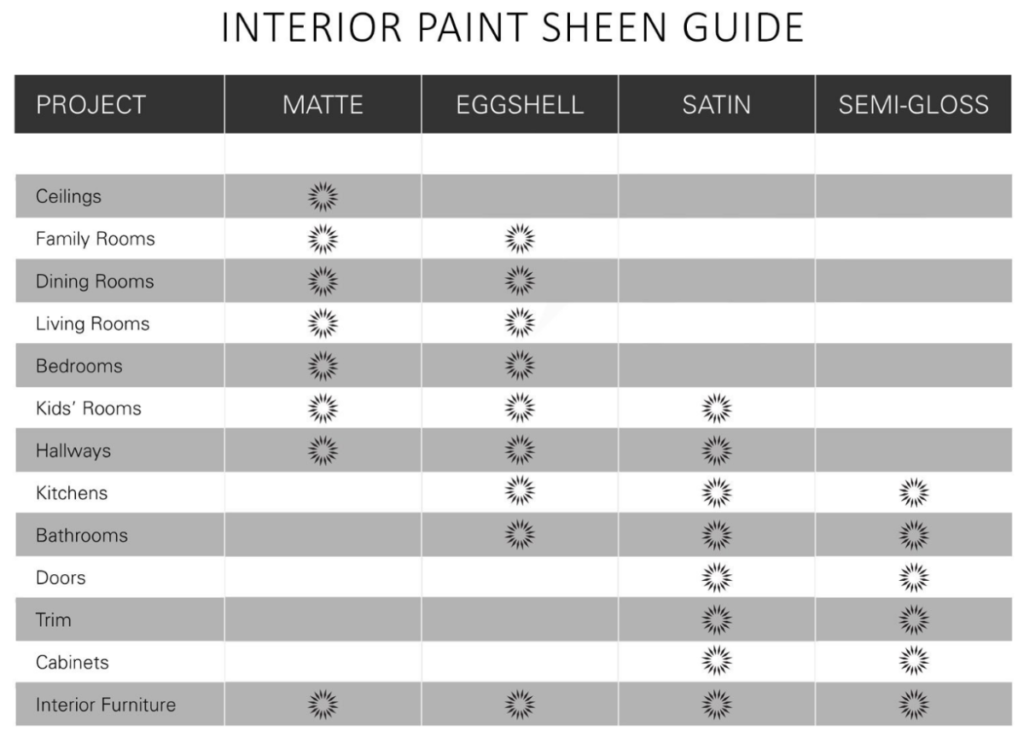
Credit: www.bradthepainter.com
Related posts:
 Does More Coats of Paint Make It Stronger? – When Extra Coats Help (and When They Don’t)
 Why does Sherwin Williams paint require multiple coats for dark colors?
 Will Multiple Coats Of Primer Hide Imperfections?– What Painters Recommend
 1 Or 2 Coats Of Primer On New Drywall– Tips to Save Time and Improve Coverage