Applying four coats of paint is usually more than necessary for most surfaces. Typically, two coats provide full coverage and durability, while a third coat may be needed for deep or highly saturated colors. A fourth coat is rarely required and can lead to thicker layers that take longer to dry, increase the risk of cracking or peeling, and may alter the intended texture or finish. It’s best to follow the paint manufacturer’s recommended number of coats for optimal results.
How to Get Perfect Coverage in Only 2 Coats
If you’re worried about coverage, don’t just keep adding layers. The secret to a professional finish is using a high-hide primer and a high-capacity roller cover.
Product Why it Saves You Time Key Feature KILZ 3 Premium High-Hide Primer The “Coat Killer.” Blocks dark colors so you only need 2 topcoats. Thicker formula; hides stains and previous bold colors. Wooster Pro Woven Roller Covers Superior Loading. Holds more paint so you don’t “stretch” the coat thin. Shed-resistant; creates a smooth, lint-free finish. Purdy White Dove Roller Cover Best for Smooth Walls. Ensures even distribution for better opacity. High-density foam/fiber blend for uniform coverage.
Is 4 Coats Of Paint Too Much?
When you’re painting a wall, door, or piece of furniture, the question often comes up: Is 4 coats of paint too much? The short answer is: It depends on the surface, the type of paint, and the reason for so many coats. In most standard situations, four coats are more than necessary, but there are important exceptions. Let’s explore when four coats make sense, when they don’t, and how to decide what’s right for your project.
What Happens When You Apply 4 Coats Of Paint?
Four coats of paint can give a surface an extremely solid, even look. But it can also lead to problems if done incorrectly or unnecessarily.
- Too Many Coats: For most walls and household projects, 2 coats of quality paint are enough. More than that can cause the paint to dry unevenly, develop cracks, or peel.
- Surface Issues: If you add several coats without proper drying time, the surface may become sticky or attract dust.
- Paint Buildup: Excessive layers can hide details in woodwork or trim and make repairs more difficult later.
In summary, while four coats can provide extra durability or hide strong colors, it’s usually more than required. However, there are times when 4 coats are justified—let’s look at these.
Best Paint Primer – Expert-Recommended Primers for Every Surface
1. When 4 Coats Of Paint Are Necessary
Sometimes, four coats are not only acceptable—they’re needed. Here’s when:
Covering A Dark Color With A Light Color
When painting over a deep or vibrant color (like dark red or navy blue) with a much lighter shade, the old color can show through. Even with a good primer, two or three coats may not fully hide the dark tone. In these cases, a fourth coat can finally deliver the true, clean look you want.
High-traffic Or Harsh Environments
Surfaces in busy areas (like hallways, kitchens, or children’s rooms) can benefit from extra protection. More coats can help resist stains, scuffs, and wear. In commercial or public spaces, four coats may be part of a maintenance plan for longevity.
Using Thin Or Transparent Paints
Some paints—especially washes, stains, or certain designer finishes—are thinner and more transparent. You may need multiple coats to build up enough color and coverage. Paints like limewash, milk paint, or whitewash are often layered several times for effect.
Artistic Or Specialty Projects
Murals, faux finishes, or detailed artwork sometimes demand several layers for depth and richness. Here, the number of coats is part of the creative process, not just coverage.
2. When 4 Coats Of Paint Are Too Much
In most everyday painting jobs, four coats are excessive. Here’s why:
Standard Interior Walls
For typical drywall or plaster walls, two coats of high-quality paint (over a primed surface) offer full coverage and durability. A third coat is rarely needed unless you’re making a drastic color change.
Modern Paint Technology
Today’s paints—especially premium brands—are designed for strong coverage. Many “one-coat” paints exist, and most standard paints reach their full color in two coats. Four coats can be a waste of time and money with these products.
Risk Of Paint Problems
Too many coats can cause issues, such as:
- Cracking: Thick layers may dry unevenly and crack.
- Peeling: Multiple coats trap moisture, leading to future peeling.
- Loss of Detail: Thick layers can blur the lines of trim, molding, or textured surfaces.
Environmental Impact
Each extra coat means more VOC emissions (volatile organic compounds), more paint cans, and more cleanup. Over-painting is not environmentally friendly.
3. How To Decide The Right Number Of Paint Coats
Let’s break down how to decide if you actually need four coats—or something less.
Assess The Surface
- Bare wood or drywall: Always prime first. Usually, 2 coats of paint suffice after priming.
- Repainting a similar color: One or two coats is often enough.
- Dramatic color change: You may need a third or even a fourth coat, especially if not using a high-hide primer.
Check The Paint Type
- High-quality paint: Covers better and needs fewer coats.
- Low-quality or bargain paint: Often needs more coats for even coverage.
Use A Primer
A primer blocks stains and evens out the surface, cutting down on the number of paint coats needed. Skipping primer often leads to more top coats later.
Test First
Apply a test patch. If you can still see the old color or the surface texture after drying, more coats may be required.
Manufacturer Guidelines
Follow the instructions on the paint can. Most will recommend 2 coats for best results.
Here’s a quick comparison of how many coats you might need for different painting situations:
| Situation | Typical Number of Coats | Primer Needed? |
|---|---|---|
| Painting over a similar color | 1-2 | Optional |
| Painting over a dark color with a light color | 2-4 | Yes |
| Bare drywall or wood | 2-3 | Yes |
| High-traffic area | 2-3 | Recommended |
| Using premium one-coat paint | 1-2 | Optional |
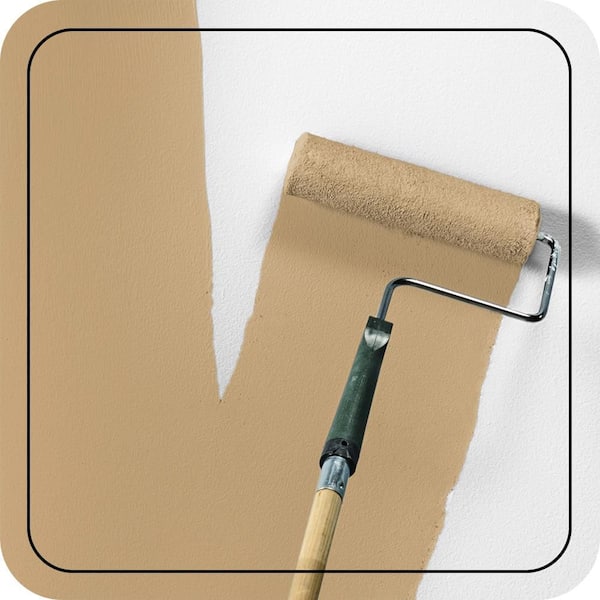
Credit: www.homedepot.com
4. What Are The Risks And Drawbacks Of 4 Coats Of Paint?
Adding more paint might seem harmless, but it comes with hidden risks:
Increased Cost And Labor
More coats mean more paint, more time, and more effort. For a typical room, four coats can double your painting time and paint costs compared to two coats.
Durability Issues
Ironically, too much paint can make a surface less durable. Thick layers are more likely to chip, crack, or peel—especially if each coat isn’t fully dry before the next.
Surface Detail Loss
On doors, trim, or textured walls, heavy buildup can fill in grooves and blur sharp details. Over time, this can make your surfaces look flat or poorly finished.
Difficulty With Future Repairs
If you need to touch up or repaint in the future, thick paint layers are harder to sand or repair.
Here’s a side-by-side look at what can go wrong with too many coats:
| Drawback | What Happens | Visible Signs |
|---|---|---|
| Cracking | Thick layers dry unevenly | Spiderweb cracks |
| Peeling | Moisture trapped between coats | Paint lifts from surface |
| Loss of Detail | Buildup hides texture | Flat, blurred surfaces |
| Sticky Finish | Not enough drying time | Surface feels tacky or attracts dust |
Is 3 Coats of Paint Too Much? – When Extra Coats Help or Hurt
Tips For Getting Great Results Without Too Many Coats
- Prime first: A good primer can cut down the number of coats needed.
- Don’t rush: Let each coat dry completely before adding another.
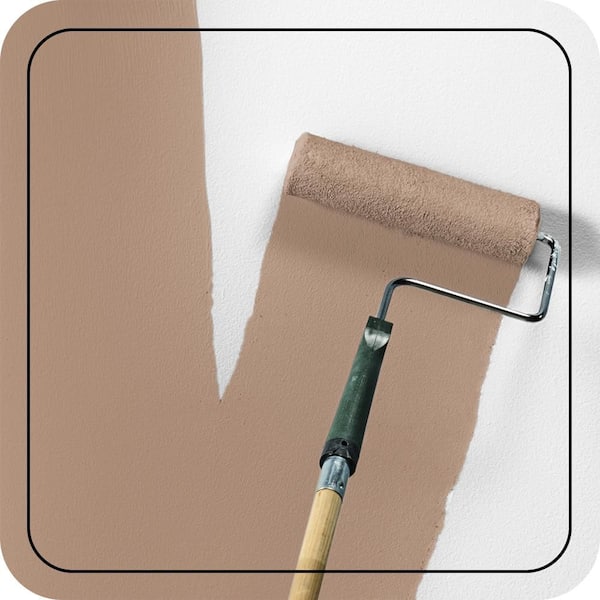
- Use the right tools: Quality brushes and rollers provide better coverage.
- Mix paint cans together: This ensures color consistency if you need multiple coats.
- Light, even coats: Multiple thin coats are better than a few thick ones.
Credit: www.homedepot.com
Two Insights Beginners Often Miss
- Primer is more important than extra paint coats. Many people try to cover up old paint by adding more top coats, but a primer can do most of the hard work and save money.
- Drying time between coats is critical. Even if you use four coats, each one must dry fully. Rushing the process is a main cause of cracking and peeling—patience matters more than the number of coats.
When To Call A Professional
If you’re unsure or dealing with a difficult surface—like exterior siding, historic woodwork, or high-value spaces—get advice from a professional painter. They can test the surface, recommend the right products, and tell you if four coats are really necessary.
For more technical details on paint layers and durability, you can check the This Old House guide to painting.

Credit: www.reddit.com
Frequently Asked Questions
How Many Coats Of Paint Are Usually Enough For A Room?
Most rooms only need two coats of quality paint over a primed surface. This is enough for good color and coverage unless you’re making a big color change.
Is There Ever A Time When Four Coats Of Paint Are Required?
Yes—four coats may be needed when covering a very dark color with a light one, using thin or specialty paints, or in areas that need extra protection, like commercial spaces.
What Happens If You Apply Too Many Coats Of Paint?
Too many coats can cause cracking, peeling, and loss of surface detail. The paint may also stay sticky or attract dust if each layer isn’t fully dry.
How Can I Reduce The Number Of Paint Coats Needed?
Use a quality primer and a good brand of paint. Prepare the surface well and use the right tools for the job.
Does More Paint Always Mean Better Durability?
Not always. Too much paint can actually reduce durability, making the surface more likely to chip or peel. It’s better to apply the recommended number of coats with proper drying time.
Painting is both art and science. Understanding when four coats are too much—and when they’re just right—will help you get a beautiful, lasting result without waste or regret. If you’re ever unsure, test a small area and trust the paint manufacturer’s guidance.
With smart preparation and patience, two or three coats are usually all you need for a perfect finish.