
If you paint without a primer, the paint may not adhere properly, leading to peeling, uneven coverage, or a blotchy finish. Primer helps seal porous surfaces, block stains, and create a smooth base so the topcoat bonds correctly and shows its true color. Skipping primer can also require extra coats of paint, increasing time and cost. For best results, use a suitable primer especially on bare drywall, wood, stained areas, or when making a major color change.
Primer is not just an “extra step”—it’s a foundation that helps paint stick, look better, and last longer. Many people see primer as optional, but there are strong reasons why professionals almost always use it. If you want your walls, furniture, or exteriors to look good and stay protected, understanding the role of primer is essential.
Let’s explore exactly what happens when you paint without a primer, why those problems occur, and what you can do to avoid costly mistakes.
Why Primer Exists: The Hidden Science
Primer is a special base coat designed to prepare surfaces for paint. It’s not just a marketing gimmick. Primer serves several purposes:
- Seals porous surfaces so paint sits on top and doesn’t soak in.
- Improves paint adhesion so your color sticks well.
- Blocks stains and odors so they don’t bleed through.
- Creates a uniform surface for even color and coverage.
Without primer, paint goes directly onto the surface—wood, drywall, metal, or previous paint. Most surfaces have problems: they’re too porous, too slick, stained, or uneven in color. Primer fixes these issues before you add your final color.
What many don’t realize is how much primer actually changes the chemistry of a paint job. Primer is formulated with special resins and binders that actively bond to both the surface and the topcoat of paint. Think of it as a “double-sided tape” for your paint—one side sticks to the wall, the other to the paint layer.
This unique property is why primers can handle tough situations like stained wood, water damage, or even smoke-covered walls. Without that bonding action, paint never truly becomes one with the surface.
Another hidden benefit: primer can help cover up odors, like smoke or pet smells, especially in older homes. Some types are specifically designed to lock in smells, so they don’t seep out later. This is especially important if you’re renovating a house or apartment with a long history.
Best Paint Primer – Expert-Recommended Primers for Every Surface
What Happens To Paint Without Primer
Painting without primer can lead to several visible and hidden problems:
Poor Adhesion
When you skip primer, paint may not stick well. Surfaces like bare drywall, wood, or metal often have dust, oils, or natural textures that make it hard for paint to grip. Without primer, the paint can peel, flake, or blister, especially in humid or high-traffic areas.
For example, kitchens and bathrooms are areas where steam and grease can prevent paint from sticking. In these rooms, skipping primer almost guarantees that you’ll see peeling or bubbling within months. Even touching the wall with a damp hand can sometimes remove the paint, leaving you with a frustrating mess to fix.
Uneven Coverage And Color
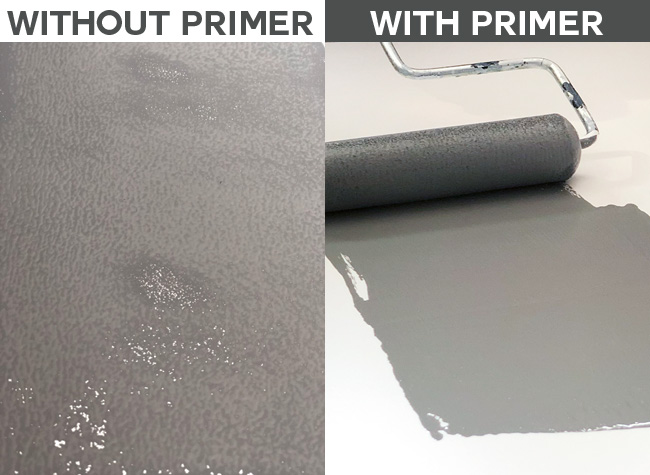
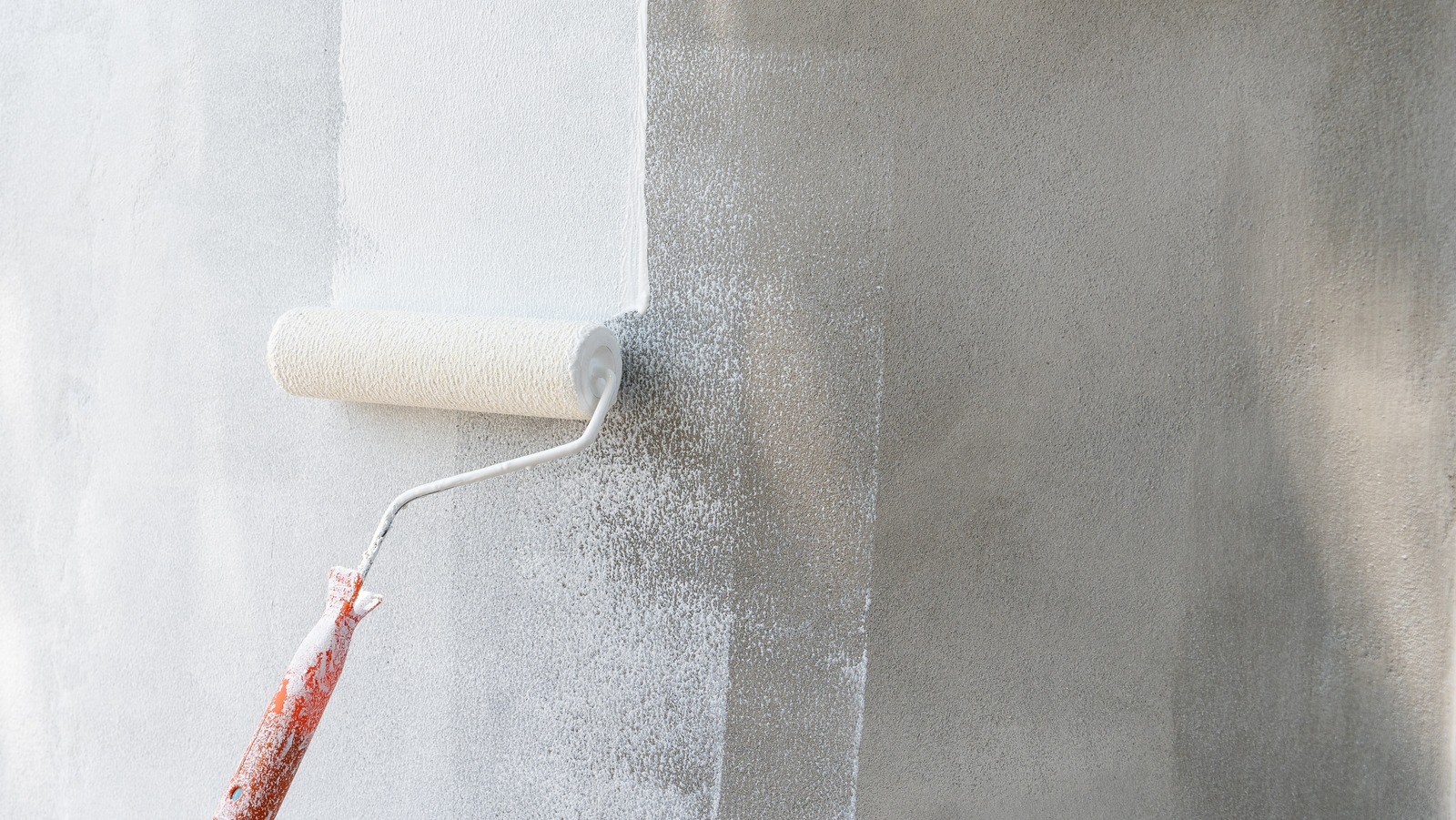
Primer creates a smooth, neutral base. If you apply paint directly, you’ll often notice patchy areas—some spots look darker, others lighter. This is because paint absorbs differently depending on the surface. For example, new drywall or wood will soak up more paint in some areas, leading to a blotchy finish.
What’s less obvious is how this uneven absorption affects the final color. Without primer, you might have to use more paint to reach the shade you expect, and even then, some patches may still look off. If you’re using a bold or vibrant color, primer helps the true color show through, making your results look much more professional.
Increased Paint Absorption
Many surfaces are porous—they act like sponges. Without primer, much of your paint gets absorbed instead of sitting on the surface. This means you’ll need more coats (which costs more money and time) and the finish will look dull or chalky.
A practical example: if you paint fresh drywall in a new home, skipping primer could double the amount of paint you need. This is not just about cost—using more paint also makes it harder to get a smooth finish, since each coat can pick up dust or debris.
Stains And Tannin Bleed
Certain surfaces—especially old walls, wood, or water-damaged areas—have stains or natural tannins. Primer blocks these from coming through. Without it, stains can reappear, even after several coats of paint. This is especially obvious with water stains, smoke, or wood knots.
Imagine painting over a water stain in a ceiling. At first, your paint job looks perfect. But after a few weeks, the brown mark returns, no matter how many coats you add. That’s because only primer with stain-blocking power can truly seal in these marks.
Reduced Durability
Paints are designed to work with primer. Skipping this step often results in a finish that’s more likely to chip, scratch, or wear down quickly. In high-traffic areas, you’ll see scuff marks and peeling much sooner.
Kids’ rooms, hallways, and entryways are good examples. These walls get touched, bumped, and cleaned more often. Primer creates a harder, more protective layer, so your paint job can handle daily life.
Mold And Mildew Risks
Some primers contain mildew-resistant agents. If you paint directly onto a surface in a damp area (like a bathroom or basement), mold and mildew can grow under the paint. Primer helps create a protective barrier.
This is a safety issue as well as a cosmetic one. Mold can cause health problems, especially for people with allergies or asthma. Using a proper primer helps keep your home healthier.
Longer Project Time And Cost
Ironically, trying to save time or money by skipping primer often backfires. You end up needing more paint coats, dealing with problems later, or even needing to repaint everything sooner than expected.
If you ever need to repaint or repair the surface, fixing a failed paint job is more work. You may need to scrape, sand, or even replace materials before starting over. The “shortcut” of skipping primer can quickly turn into the long way around.
Best mm Roller for Painting Walls – Expert‑Recommended Rollers for Smooth Coverage
Real-world Examples: What You’ll See
Let’s look at some common situations and what can go wrong if you skip primer.
Bare Drywall
Drywall is very porous and covered with joint compound in seams. Paint without primer soaks in unevenly. The result? Flashing—shiny or dull streaks that look bad under certain lights. The color may also look off.
In offices and commercial buildings, you’ll often see these “flashed” areas near windows where light hits the wall at an angle. It’s almost impossible to hide these streaks without starting over with primer.
New Wood
Wood contains natural oils and tannins. Paint without primer might peel, bubble, or let brown/yellow stains bleed through. Knots or sap streaks can show up months later.
Wood trim, window sills, and doors are especially vulnerable. Even if the paint looks great at first, seasonal changes in humidity can force oils and sap to the surface, ruining your work.
Painted Walls (drastic Color Change)
If you repaint a dark wall with a light color (or vice versa) without primer, the old color often shows through. You’ll need more coats to cover, and the new color may look muddy or uneven.
A real-life example: painting a red wall white without primer will likely require four or more coats, and the red may still tint the white. Primer solves this with one or two coats, saving you both time and paint.
Metal Surfaces
Unprimed metal can cause paint to flake off quickly. Rust may also bleed through and ruin the finish.
In outdoor furniture or railings, for instance, paint can peel in large sheets, exposing bare metal. This not only looks bad but exposes the surface to weather, causing faster rust and damage.
Glossy Surfaces
Paint won’t stick well to glossy or slick surfaces (like old oil-based paint or tile) without a bonding primer. The new paint can slide, peel, or scratch off with just a fingernail.
This is a common issue in kitchens and bathrooms, where glossy finishes are used for easy cleaning. Without a bonding primer, your new paint may not last a single season.
Comparing Primer Vs. No Primer
To make things clear, see how primer changes your results:
| Surface Type | With Primer | Without Primer |
|---|---|---|
| New Drywall | Uniform color, smooth finish, fewer coats needed | Patchy, dull, needs more paint, uneven look |
| Raw Wood | No bleed-through, paint adheres well, long-lasting | Stains/tannins show, poor adhesion, peeling |
| Metal | Paint bonds well, rust blocked, durable | Paint peels, rust stains, poor protection |
When Can You Skip Primer?
Some situations do allow you to skip primer, but they’re rare. You can often paint without primer if:
- You are repainting a wall with a similar color and the old paint is in good shape (not peeling or glossy).
- You use a paint-and-primer-in-one product on a clean, non-porous surface.
- The surface is already sealed and smooth (for example, previously painted drywall in good condition).
But even in these cases, using a primer usually gives a longer-lasting, more professional result.
It’s also important to test a small patch before skipping primer. Sometimes, even well-prepared surfaces have hidden problems, like old stains or uneven absorption, that only become visible with paint. If your test spot dries unevenly or peels, use a primer before painting the whole surface.
Surprising Problems Beginners Miss
Most beginners see primer as optional, especially if they’re working on a budget. But there are two key issues that often surprise new painters:
- Paint can look fine at first, then fail weeks or months later. Peeling, stains, or color problems may take time to appear. By then, it’s much harder to fix.
- Paint manufacturers often void their warranty if you skip primer. If you have problems and contact the company, they may not help unless you followed all prep steps—including primer.
Another issue: Some paints react with old finishes or surface residues, causing “alligatoring” (cracked, wrinkled paint) or bubbling. These problems are almost impossible to fix without starting over, and a primer would have prevented them.
Credit: www.blueistyleblog.com
What Affects The Need For Primer?
Not all surfaces are equal. Here’s what matters most:
- Porosity: New drywall, unpainted wood, and some masonry soak up paint.
- Surface condition: Dirty, glossy, or stained areas need primer for paint to stick and look right.
- Color change: Dramatic changes (like red to white) almost always need a primer to cover well.
- Location: Kitchens, bathrooms, and exterior walls face more moisture and wear—primer is critical here.
For example, exterior surfaces face sunlight, rain, and temperature changes. Primer helps paint expand and contract with the surface, reducing cracking and peeling. In basements, primer can prevent musty smells from coming through the paint, keeping your space fresher.
Types Of Primer And Their Uses
There are different types of primer, each designed for specific needs:
- Latex (water-based) primer: Good for drywall, softwood, and previously painted surfaces.
- Oil-based primer: Excellent stain-blocking, works well on wood and metal.
- Shellac primer: Best for tough stains (smoke, water, wood knots).
- Bonding primer: Designed for slick surfaces like tile, glass, or plastic.
Choosing the right primer means better results and fewer headaches.
One advanced tip: Some primers are tinted to match your topcoat. This is especially useful when painting with bold or dark colors, as it helps the color cover faster and look richer.
Credit: www.housedigest.com
Does humidity affect primer?– Common Problems & How to Avoid Them
Data: Primer Vs. No Primer Paint Durability
Research shows primer makes a big difference in how long your paint job lasts. In one study, paint on primed drywall lasted 2-3 times longer before showing wear compared to unprimed drywall. In humid climates, paint applied directly to bare wood often peeled within six months, while primed wood stayed in good shape for years.
Here’s a comparison of durability:
| Surface | Primed | Unprimed |
|---|---|---|
| Drywall (interior) | 10+ years | 2-5 years |
| Wood (exterior) | 5-8 years | 1-2 years |
| Metal (interior) | 7-10 years | 1-3 years |
Professional painters often report that repaint jobs where primer was skipped take much longer to fix. Surfaces may need deep sanding, cleaning, or even replacement. All of this adds up to more waste and frustration.
Paint-and-primer-in-one: Is It Really Enough?
Some modern paints claim to be paint and primer in one. These products work well for refreshing similar colors on clean, previously painted surfaces. However, they’re not true primers. They don’t block stains, seal porous surfaces, or bond well to tricky materials like bare wood, metal, or glossy finishes.
If you’re dealing with new surfaces, stains, or bold color changes, a separate primer is still best.
Many people misunderstand the “paint-and-primer-in-one” label. It simply means the paint has a bit more binder, so it sticks better to some surfaces. But it lacks the stain-blocking and sealing power of real primer. For challenging jobs, the two-step process is still the gold standard.
Common Mistakes When Skipping Primer
Many DIY painters make these mistakes:
- Not cleaning or sanding surfaces: Even the best paint won’t stick to dust, grease, or glossy finishes.
- Ignoring stains or water damage: Paint alone rarely blocks persistent marks or smells.
- Painting over patched areas: Joint compound or spackle absorbs paint differently—primer is critical here.
- Using “paint and primer in one” on raw surfaces: These products don’t seal or block stains as well as real primer.
Another mistake: trusting that “more coats of paint” will solve every problem. In reality, extra paint just wastes money and still leaves stains or color issues underneath.
How To Fix Problems Caused By Skipping Primer
If you’ve already painted without primer and notice problems, you can still fix them:
- Peeling or flaking: Scrape off loose paint, sand the area, apply primer, then repaint.
- Stains showing through: Apply a stain-blocking primer over the problem spots, then repaint.
- Uneven color or sheen: Use a primer to create a uniform base, then repaint the whole surface.
Fixing these issues often takes more time and materials than priming in the first place.
For severe cases—like heavy peeling or mold—you may need to remove all the paint and treat the surface before starting over. Sometimes, it’s less work to do it right the first time.
How Much Extra Paint Do You Need Without Primer?
Skipping primer means you’ll use more paint. For example, on new drywall, you might need 3-4 coats of paint instead of 1-2 with primer. On wood, the difference is even more dramatic—sometimes double the amount.
If a gallon of paint covers 350 square feet with primer, it may cover only 200-250 square feet without it. Over a whole house, this adds up to serious extra cost.
Not only do you buy more paint, but each extra coat increases drying time and the risk of dust or debris sticking to wet surfaces. The result is more effort and less satisfaction.
Environmental And Health Impacts
Primer can also seal in dust, mold, or chemical residues, making rooms healthier—especially important in older homes. Without primer, paint can release more VOCs (volatile organic compounds) as it absorbs into porous surfaces, affecting air quality.
In older homes, lead dust or asbestos fibers may be trapped in walls. Priming helps seal these in, reducing risk during renovations. For families with children or sensitive individuals, this is a crucial step.
Professional Painters’ Advice
Most professional painters agree: primer is critical for a lasting, high-quality finish. It’s one of the steps that separates a pro job from a DIY project that doesn’t last. In fact, many pros won’t offer a warranty unless primer is used.
As one professional painter shared in an interview for This Old House, “Skipping primer is like building a house without a foundation. It might look okay for a while, but problems are almost certain.”
Another pro tip: sometimes, the primer coat reveals surface defects—like cracks or nail pops—that you didn’t notice before. This gives you a chance to fix them before painting, leading to a better final result.
Case Study: Skipping Primer On A Bathroom Wall
A homeowner decided to repaint their bathroom in a bright color, skipping primer to save time. After a few months, mildew spots and peeling paint appeared—especially near the shower. The humidity had seeped behind the paint layer, causing mold to grow and the finish to fail.
The solution? Remove the peeling paint, treat the mold, apply a mildew-resistant primer, and repaint. The total cost and effort ended up three times higher than just using primer at the start.
This example also highlights an unseen issue: mold spores can spread behind the paint, creating ongoing health risks. What seems like a simple fix can turn into a long-term problem if primer is ignored.
Credit: www.youtube.com
Should You Ever Paint Without Primer?
In rare cases, you can get away without primer:
- If you’re painting over a clean, matte (not glossy), previously painted wall with a similar color.
- If you’re using a high-quality self-priming paint on a surface in great condition.
However, for most projects—especially with new, stained, or tricky surfaces—primer is a smart investment.
When in doubt, use primer. The small extra step can save you hours (and dollars) in the future, and it’s almost always easier to prevent problems than to fix them later.
Summary Table: Risks Of Skipping Primer
Here’s a quick summary of what can go wrong if you skip primer:
| Problem | How It Appears | Long-Term Effect |
|---|---|---|
| Poor adhesion | Peeling, flaking paint | Needs repainting sooner |
| Uneven color | Patches, streaks, flashing | Unattractive finish |
| Stain bleed-through | Brown/yellow marks, smoke stains | Persistent, hard to cover |
| Mold/mildew growth | Black or green spots | Health risk, paint failure |
| Extra paint needed | Multiple coats required | Higher cost, more time |
Frequently Asked Questions
What Is Primer Made Of?
Primer is made from resin, solvent, and additives. Its formula is designed to seal, bond, and block stains better than regular paint. Some primers also contain mildew-resistant ingredients.
For example, shellac-based primers use natural resins to create a tough barrier. Oil-based primers use alkyd resins, which are especially good at blocking tough stains and odors.
Can I Use Paint As A Primer?
Most paints are not designed to seal or block stains like primer. Paint is not a substitute for primer on bare surfaces, stained areas, or slick materials.
If you try using paint as a primer, you’ll likely see the old color or stains come through. In the long run, you’ll spend more time and money fixing these problems.
How Many Coats Of Primer Do I Need?
Usually, one coat of primer is enough for most surfaces. For very porous or stained areas, you may need two. Always follow the instructions on the primer can.
If you’re covering heavy smoke damage or water stains, apply the first coat, let it dry, and check the result before adding another.
Is Paint-and-primer-in-one As Good As Separate Primer?
Paint-and-primer-in-one works for minor color changes on already painted walls. But for bare, stained, or difficult surfaces, a separate primer is more effective.
It’s a good option for quick refreshes, but not for problem surfaces. If you’re unsure, choose a dedicated primer for peace of mind.
What Happens If I Don’t Use Primer On Wood?
You risk stains bleeding through, poor adhesion, and peeling—especially outside or in humid conditions. Wood primer blocks tannins and helps paint last much longer.
Even small areas, like window sills or door edges, can show damage quickly if not primed. Taking the time to prime these spots protects your work for years.
Painting without primer is like skipping the foundation of a building. It may seem like a shortcut, but it almost always leads to disappointment and extra work. For a finish that looks good and lasts, primer is not optional—it’s essential.
If you want to avoid costly mistakes and enjoy your paint job for years, always use the right primer for your project.
Related posts:
 Best Primer for Concrete Floor (2026) – Top Products to Prevent Peeling & Moisture Damage
 Affordable Ways To Test Paint Colors Without Full Cans– Quick & Easy,Avoid Mistakes
 Powder Coating Vs. Paint(2026)- Cost, Durability & Appearance Compared
 How Do I Prevent Streaks With a Nap Roller? Techniques for Smooth, Avoid Lap Marks and Uneven Paint