
You can skip primer when painting over previously painted surfaces that are clean, smooth, and in good condition with a similar color. Many modern paints include built-in primer and provide good coverage on sealed drywall, lightly sanded glossy surfaces, or repainting with the same shade. However, primer is still recommended for bare drywall, raw wood, stained areas, drastic color changes, or surfaces with repairs. Skipping primer in these situations can lead to poor adhesion, uneven color, or stains bleeding through.
Best Paint Primer – Expert-Recommended Primers for Every Surface
What Primer Actually Does (And Why It Exists)
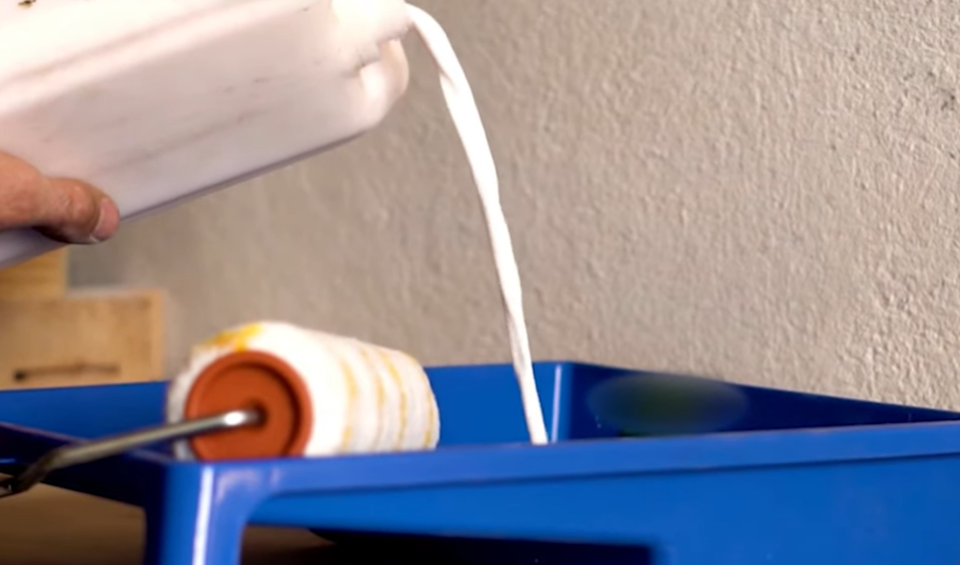
Ever stood in the paint aisle on a Saturday morning wondering if primer is just “extra paint”? I have. I remember staring at a shelf of KILZ and Zinsser cans last July, sweating in the humidity, trying to convince myself I didn’t need the extra step. But here is the truth: Primer isn’t just a marketing trick to get you to buy more cans. It’s the foundation.
Think of it as the “glue” that makes your expensive topcoat actually look good. While it looks like thin white paint, it does three very specific, practical jobs that save your sanity (and your wallet) later.
1. It Improves Adhesion (The “Glue” Factor)
The biggest lesson I learned the hard way? Paint doesn’t like to stick to smooth things. If you try to paint over a glossy cabinet or a metal door without a bonding primer, you can literally peel the dried paint off with your fingernail. It’s heartbreaking.
- Mechanical Grip: Primer creates a slightly “toothy” surface. This gives the paint something to grab onto.
- Surface Adhesion: It is essential for tricky materials like laminate, tile, and metal.
- No More Peeling: It stops that frustrating flaking that usually happens six months after you finish.
2. It Blocks Stains and Tannins
I once tried to paint over a small water stain on a ceiling with just regular latex paint. Big mistake. Three coats later, that yellow ring was still staring back at me.
Primer acts as a shield. It seals in the “bad stuff” so it can’t bleed through your fresh color. This is vital for:
- Nasty Marks: It locks away crayon marks, smoke damage, and old water spots.
- Wood Tannins: If you are painting raw cedar or redwood, the natural oils (tannins) will turn your white paint a muddy brown without a good sealer.
- Odors: Heavy-duty primers even help trap old house smells like nicotine or pet odors.
3. It Seals Porous Surfaces
If you’ve ever painted fresh drywall and noticed it looks splotchy or “dull” in some spots and shiny in others, you’ve seen flashing. New drywall, plaster, and raw wood are incredibly “thirsty.” They drink up paint unevenly.
- Uniform Sheen: Primer fills those microscopic holes so your topcoat sits evenly on the surface.
- Saves Money: Because the wall isn’t “drinking” your expensive color, you actually end up using less paint in the long run.
- Better Coverage: It creates a neutral, flat base that makes your final color pop exactly like the swatch promised.
When Can You Skip Primer?
You can skip primer when your surface is already sealed, clean, and in great shape. I’ll be honest: I love a shortcut as much as anyone. On a sunny Saturday in April, the last thing I want to do is apply an extra layer if I don’t have to. If your walls are stable and you aren’t making a wild color change, you can often go straight to your topcoat.
Here is exactly when I’ve successfully skipped the prep can:
What Happens If You Paint Without a Primer? – Peeling, Streaks & Mistakes That Cost You Later
Previously Painted Walls (In Good Shape)
If I’m just freshening up a room because I’m tired of the old “apartment beige,” I usually skip the primer. Last spring, I repainted my guest room. Since the walls were smooth and free of scuffs, I went right in with my color.
You can skip it if:
- The wall is smooth and clean.
- There are no water stains or peeling spots.
- The old paint is a standard interior latex paint.
- You aren’t trying to cover a dark color with a light one.
Using High-Quality Paint-and-Primer-in-One
I’ve used brands like Sherwin-Williams and BEHR that offer “all-in-one” mixes. These are great time-savers for standard repainting walls projects. These products are thicker, so they hide the old color well.
Just keep in mind: these are not “magic.” They work well on dull, painted surfaces, but they won’t stop a tough stain from bleeding through. For a basic color swap on a clean wall, they are a DIYer’s best friend.
Small Touch-Ups
When I’m just fixing a tiny nail hole or a minor scuff behind a door, I don’t break out a whole gallon of primer. If the patch is small and your paint has a flat or matte finish, you can usually dab the paint right on.
- Pro Tip: Be careful with glossy paint. If you touch up a shiny wall without priming, you might see “flashing”—that’s when the patch looks duller than the rest of the wall when the light hits it.
When Painting Similar Colors
If you are moving from a light gray to a slightly darker charcoal, or off-white to a warm cream, primer is often overkill. In these cases, two coats of premium paint will give you all the coverage you need.
As long as the surface prep is done—meaning you’ve wiped away the dust and the wall isn’t greasy—the new paint will bond perfectly fine on its own.
When You Should NEVER Skip Primer
You should never skip primer when you are dealing with bare materials, slick surfaces, or major color shifts. If you ignore this, you’ll hit the “regret phase” fast. I’ve been there—standing in a room on a Tuesday night, watching my new paint peel off in sheets because I tried to save an hour. It’s heartbreaking and messy.
Here are the non-negotiables where skipping primer will cost you more time and money:
New Drywall
Fresh drywall is like a giant, thirsty sponge. If you slap paint right onto it, the paper and the joint compound soak up the moisture at different rates. I once saw a wall look like a patchwork quilt because the sheen was so blotchy.
- The Fix: Use a PVA primer or a dedicated drywall sealer.
- The Result: It stops the “thirst” and lets your paint sit flat and pretty.
Bare Wood
Raw wood is unpredictable. Softwoods like pine have knots that leak yellow sap, while cedar and redwood have “tannins” that bleed through almost anything.
- The Fix: Reach for oil-based or shellac primers (like the ones from Rust-Oleum).
- Why it matters: It seals those oils inside the wood so they don’t ruin your topcoat.
Major Color Changes
Trying to go from a deep navy to a pale cream? Good luck doing that in two coats without primer. I’ve wasted so much money buying extra gallons of expensive paint just to cover a dark red.
- The Strategy: Use a gray-tinted primer for dark-to-light shifts.
- The Benefit: It neutralizes the base so your new color looks true after just one or two coats.
Glossy or Slick Surfaces
Think about your kitchen cabinets or that shiny old trim. Paint has nothing to “grab” onto there. If you don’t use a bonding primer, your paint will scratch off with a light fingernail flick.
- The Process: Give it a light sand, then apply a high-grip primer.
- The Surface: This goes for laminate, tile, and semi-gloss finishes too.
Stains, Smoke, or Water Damage
Water rings on a ceiling are the zombies of the paint world—they always come back. I once painted over a small water spot three times, and every morning, that yellow ring was back.
- The Reality: Latex paint is water-based, so it just dissolves the stain and brings it to the surface.
- The Solution: You need a stain-blocking primer. It locks the damage away for good so it stays hidden.
Special Surfaces That Always Need Primer
Some materials simply demand a base coat because their texture or chemistry won’t play nice with standard paint. I learned this lesson during a humid holiday weekend while trying to “quick-fix” my patio furniture. If you skip the prep on these tricky spots, the paint won’t just look bad—it will fail.
Here are the surfaces where I never, ever skip the primer:
Metal (Especially Rust-Prone Metal)
Metal is cold, smooth, and prone to oxidation. I once painted an old iron garden chair without a rust-inhibiting primer, and by the next month, orange streaks were bleeding through the white finish.
- The Goal: You need to stop oxygen and moisture from hitting the bare metal.
- The Result: A dedicated primer prevents corrosion and ensures the paint doesn’t just slide off the slick surface. This is vital for any exterior metal.
Masonry, Brick, and Concrete
Masonry is a double threat: it is very porous and often highly alkaline. On a dry Tuesday last summer, I watched a friend try to paint a concrete planter. The paint soaked in like water into sand, leaving a chalky mess.
- Efflorescence Control: Salt can push through brick and ruin your finish. A masonry paint system or a dedicated concrete sealer stops this.
- Proper Bonding: Masonry primer is built to handle the high pH levels of stone and cement, ensuring the paint actually stays stuck.
Cabinets and Furniture
Kitchen cabinets are the ultimate test for any DIYer. Think about the grease, the steam, and the constant touching. In the July heat, wood expands and finishes get soft.
- Bonding Primers: Most modern cabinets have a factory finish that is too smooth for regular paint. You need a high-strength bonding primer to create a “bridge.”
- The Grease Factor: Even after cleaning, tiny bits of oil remain. Primer seals those away so they don’t ruin your hard work.
Exterior Painting: Can You Skip Primer Outside?
You can skip primer outside only if the old paint is still stuck tight and you are staying within the same color family. I’ve spent many humid July mornings on a ladder, and I can tell you: the sun is brutal. Outside, your paint has to stretch and shrink as the temperature changes. If the bond isn’t perfect, the weather will find the weak spots and peel them right off.
Here is how I decide whether to reach for the primer or go straight to the topcoat:
When You Might Skip It
If I am just doing a “refresh” on my siding and the old coat looks great, I usually skip the full prime. If you’re lucky, a good wash is all the prep you need.
- Intact Siding: You are safe if there is no cracking or chalking.
- Similar Colors: If you aren’t trying to cover dark brown with white, you can move fast.
- Spot-Priming: Even if I skip the whole house, I always dab primer on any tiny bare wood spots I find. It’s a huge time-saver.
When You Absolutely Shouldn’t
I once ignored a few peeling patches on a shed because it was getting dark on a Sunday. By the next spring, the paint was hanging off like old wallpaper. It was a mess.
- Bare Wood Siding: Raw wood will drink your paint and then spit it back out as it dries.
- Weathered Areas: If the sun has turned the old paint into powder, new paint won’t stick.
- Mildew Stains: Never paint over mold. Kill it, clean it, and seal it with a primer, or it will grow right through your new coat.
Cost vs. Benefit: Does Skipping Primer Really Save Money?
Short answer? Sometimes it saves you a day, but often it costs you a fortune. I used to think primer was just a way for stores to make more money. Then I realized that one can of primer is much cheaper than two extra cans of high-end finish paint.
When It Saves Money
If your surface is already sealed and you use a high-quality paint, skipping primer works. You save the cost of the extra can and the hours of labor. This works best for simple indoor room refreshes where the walls are already in “like-new” condition.
When It Costs You More
This is the trap I fell into early on. If you skip primer on a thirsty surface, you will end up buying twice as much paint.
- Extra Coats: Without a sealer, you might need four coats instead of two.
- Paint Failure: If the paint peels in two years, you have to scrape, sand, and redo the whole job.
- The Bottom Line: Primer is the cheapest “insurance policy” you can buy for your home. It’s better to spend $30 now than $300 and a whole weekend next year.
Quick Decision Checklist (Use This Before You Open the Can)
You should use this checklist to decide if you need to prime right now. I know the feeling. It is 10 a.m. on a Saturday, and you just want to see that new color on the wall. But before you dip your brush, ask yourself these five simple questions. If you hit a “yes” on any of them, grab the primer. Trust me, it beats a trip back to the store on Sunday.
- Is the surface bare? (New drywall or raw wood needs a sealer.)
- Is it glossy? (Paint won’t stick to a shiny finish without a bridge.)
- Is there staining? (Water spots and ink will bleed through regular paint.)
- Is the color change dramatic? (Going from dark to light is hard without a base.)
- Is the material porous? (Brick and concrete will eat your topcoat.)
If you answered “no” to all of these, you can likely skip it and get straight to the fun part!
Pro Tips From Real-World Experience
Because theory is nice, but having wet paint on your hands at 7 p.m. on a Tuesday is reality. I have made every mistake in the book so you don’t have to. Here is how I handle the “in-between” moments when I am trying to work fast but want a pro finish.
Sanding Is Not Optional
Even when I decide to skip the primer, I never skip the sander. I give the walls a quick “scuff sand” with a fine-grit pad. It takes ten minutes but makes a huge difference.
- The Feel: You want the wall to feel slightly dull, not slick.
- Clean Up: Always wipe the dust off with a damp rag. Paint does not stick to dust!
Spot-Prime Instead of Full-Prime
You do not always need to do the whole room. If the walls are great but you have a few nail hole repairs, just spot-prime.
- Save Time: Dabs of primer on the patches stop them from looking dull later.
- Blend It: Feather the edges of the primer so it blends into the rest of the wall.
Test First
Morning light never lies. If I am unsure, I paint a small square in a corner and let it dry overnight.
- The Scratch Test: The next day, I try to scratch it with my nail. If it stays, I’m good to go.
- The Look: Check the color in the bright morning sun to see if the old wall is showing through.
Common Myths About Skipping Primer
Common myths suggest that primer is a waste of time, but the truth is that it prevents future headaches. I used to fall for these myths every single time I started a project on a Sunday. I thought I was being smart by skipping steps. In reality, I was just making more work for my future self.
Here are the two big lies I finally stopped believing:
“Paint and Primer in One Means No Prep”
This is the one that gets most people. I bought a fancy “all-in-one” can once and thought I could just start painting over a greasy kitchen wall.
- The Reality: Paint is not a shortcut for cleaning. If there is dust, oil, or loose flakes, the new coat will bubble.
- The Fix: You still need to clean and degrease. A light sand is always a good idea too.
- The Lesson: These products are great for coverage, but they still need a clean home to stick to.
“Primer Is Only for Professionals”
I used to think only pros used primer to pad their bills. I was so wrong.
- The Truth: DIYers actually need primer more than the pros do.
- Why it helps: Professionals have perfect brush techniques. Primer is forgiving. It hides small mistakes and covers up patches that we amateurs might miss. It makes a “good” job look like a “great” job.
Final Thoughts for Homeowners
You can skip primer if your walls are clean, previously painted, and you are staying with a similar color. I know it is tempting to just open the can and go. If you are repainting a smooth, beige living room in a slightly different tan, go for it! You will be fine.
But if you see bare drywall, shiny trim, or a nasty water stain, please do not skip it. Taking the extra hour to prime today means you won’t be staring at peeling paint next year. Your future self—standing in that same room a year from now—will thank you for doing it right.
FAQs: When Can You Skip Primer?
Can I skip primer if the wall is already painted?
Yes — if the paint is in good condition, clean, and you’re using a similar color.
Do I need primer for new drywall?
Yes. New drywall is porous and will absorb paint unevenly without primer.
Is paint-and-primer-in-one enough?
Sometimes. It works on previously painted walls in good shape, but it won’t block stains or major color changes.
Can I skip primer when changing colors?
Only if the new color is close to the old one. Dramatic changes usually need primer.
Do I need primer after patching holes?
For small nail holes, usually no. For larger patches or bare drywall spots, yes — at least spot-prime.
What happens if I don’t use primer on bare wood?
Paint may peel, look blotchy, or allow stains to bleed through.
Can I paint over glossy surfaces without primer?
Not recommended. You’ll need sanding and usually a bonding primer for proper adhesion.
Does primer save money?
Often yes. It reduces extra paint coats and prevents early repainting.
Should I prime exterior surfaces?
If the surface is bare, weathered, or stained — absolutely. If it’s previously painted and intact, you may only need spot primer.
Related posts:
 1 Or 2 Coats Of Primer On New Drywall– Tips to Save Time and Improve Coverage
 What Happens If You Paint Without a Primer? – Peeling, Streaks & Mistakes That Cost You Later
 How to Test Paint Colors Without Painting the Wall: 15 Proven Methods
 Affordable Ways To Test Paint Colors Without Full Cans– Quick & Easy,Avoid Mistakes