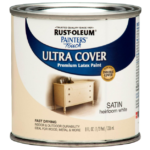
Yes, you can use Rust-Oleum paint on wood. Most Rust-Oleum products, including spray paints and brush-on enamels, adhere well to properly prepared wood surfaces. For best results, sand the wood lightly, clean off dust, apply a suitable primer if needed, and allow adequate drying time between coats to ensure a smooth, durable finish.
If you’re asking Can You Use Rust-Oleum Paint on Wood, you’re in the right shop. I’ve painted everything from pine dressers to cedar planters with Rust-Oleum, indoors and out. In this guide, I’ll show you what works, what to avoid, and how to get a smooth, durable finish that lasts.
What Rust-Oleum Paint Is and Why It Sticks to Wood
Rust-Oleum makes a wide range of coatings. Many are built for metal. But several lines are great on wood. You can choose water-based, oil-based, and spray formulas. Each type uses binders that grip the wood fibers and cure into a hard film.
Popular Rust-Oleum lines you can use on wood include:
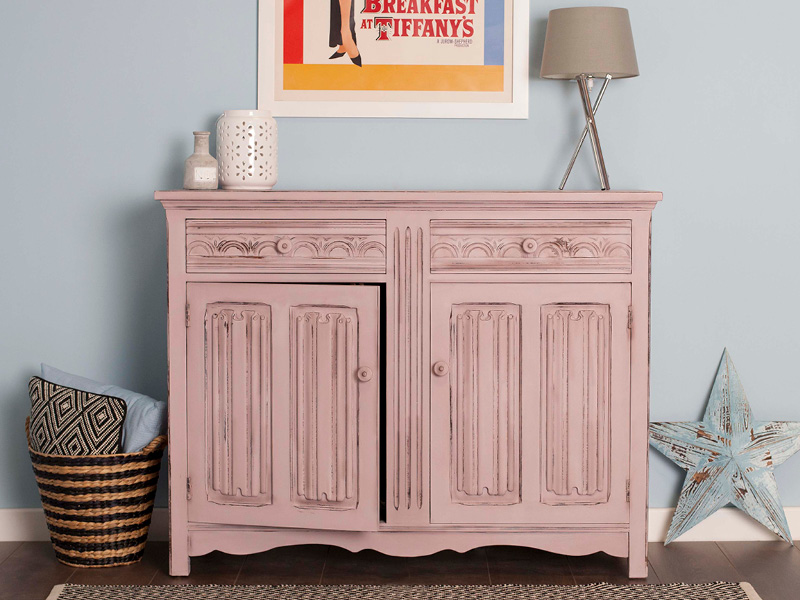
- Chalked for a matte, vintage look on furniture and cabinets.
- Painter’s Touch and 2X Ultra Cover for fast, smooth spray coverage.
- Stops Rust Enamel for tough outdoor items like signs and planters.
- Universal Spray for mixed materials like wood, metal, and plastic.
- Varathane (by Rust-Oleum) for stains and clear topcoats on wood.
- Zinsser primers (by Rust-Oleum) to improve adhesion and block stains.
Adhesion on wood is strong if you clean, sand, and prime as needed. The paint needs a clean, dull surface. A suitable primer locks in resin and tannins. That stops bleed-through and helps the finish coat last.
Can You Use Rust-Oleum Paint on Wood with no primer? Sometimes, yes. But you get better, longer results if you prime first, especially on knotty pine, oak, cedar, or MDF.
Can You Use Rust-Oleum Paint on Wood? Short and Long Answer
Short answer: yes. You can use Rust-Oleum paint on raw wood, stained wood, sealed wood, and even old finishes. The long answer is about picking the right product and doing the right prep for your project, location, and wear.
Here is how I choose:
- Indoor furniture and cabinets: Chalked or Painter’s Touch. Add a clear coat on tabletops.
- Outdoor decor and planters: Stops Rust Enamel or Painter’s Touch 2X for spray jobs.
- Mixed surfaces (wood plus metal): Universal Spray so the sheen matches.
- Doors and trim: Oil-based enamel for leveling, or water-based for faster drying.
Quick PAA-style answers:
- Will it stick without primer? Often yes, on sanded, clean wood. Primer still gives a better bond and color hold.
- Is spray paint good for furniture? Yes, if you want a fine, even finish. Use many light coats and follow recoat times.
- Is it safe for cutting boards? No. Use a food-safe finish like mineral oil instead.
If you’re still wondering, Can You Use Rust-Oleum Paint on Wood outside, the answer is yes for decor and furniture. Choose exterior-rated lines and seal end grain. Avoid decks and heavy traffic floors.

Pros and Cons of Using Rust-Oleum on Wood
Benefits:
- Strong adhesion and durable film when prepped right.
- Smooth finish with great color choices and sheens.
- Good coverage with fewer coats on many colors.
- Spray lines level well and hide brush marks.
Limitations:
- Oil-based lines have more odor and higher VOCs.
- Some colors need a primer to stop tannin bleed.
- Recoat windows can be strict. Follow the label for “within 1 hour or after 48 hours” rules.
- Not ideal for floors or food-contact surfaces.
If you ask, Can You Use Rust-Oleum Paint on Wood without smells, try water-based paints and work with good airflow.
Best Rust-Oleum Products for Wood Projects
My go-to picks by task:
- Furniture refresh: Chalked for a soft matte look. Add a clear matte topcoat to resist scuffs.
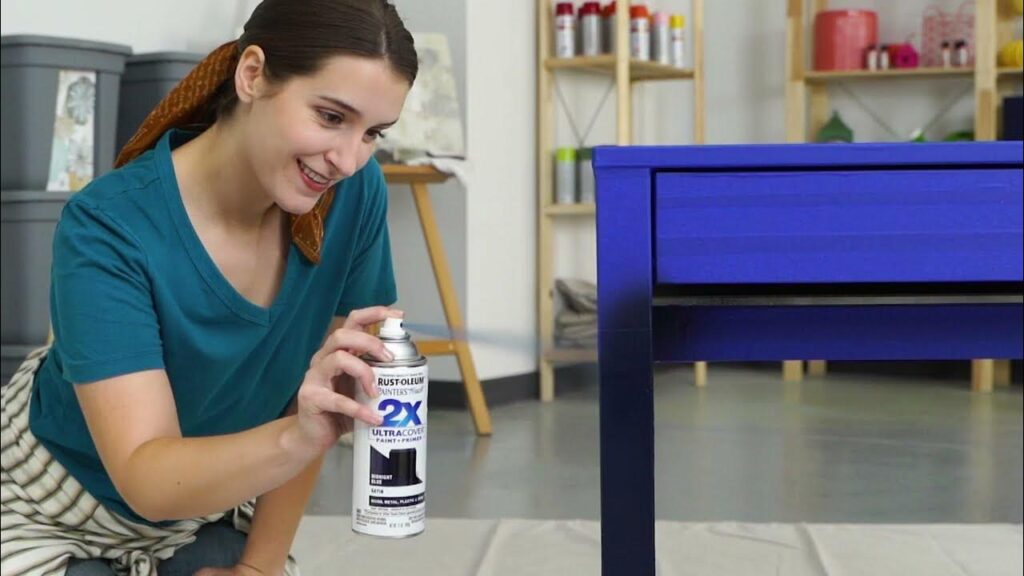
- Quick color change: Painter’s Touch 2X Spray. It covers fast and lays down smooth.
- Tough outdoor decor: Stops Rust Protective Enamel. It cures hard and handles weather.
- Mixed materials: Universal Spray for seamless coverage across wood and metal.
- Prep help: Use a bonding primer on glossy old finishes. Use a shellac-based primer on knotty pine, cedar, or oak to block stains.
- Clear protection: Varathane water-based polyurethane for low odor and quick dry. Oil-based poly for deep, warm tone.
Can You Use Rust-Oleum Paint on Wood with stain underneath? Yes. Scuff sand, use a stain-blocking primer, then topcoat.

Step-by-Step: How to Paint Wood with Rust-Oleum
- Inspect the wood. Fix cracks with wood filler. Tighten fasteners. Remove loose finish.
- Clean the surface. Degrease with a mild cleaner. Rinse and let dry.
- Sand the wood. Use 120–150 grit to scuff, then 180–220 grit to smooth. Wipe off dust.
- Spot-seal stains and knots. Use a shellac-based primer if you see resin or yellowing.
- Prime as needed. Use bonding primer on sealed or glossy wood. On raw wood, one coat is often enough.
- Choose the right tool. Use a quality brush for oil, a foam roller for smooth panels, or spray for large pieces.
- Apply thin coats. Aim for 2–3 light coats. Let each coat dry per the label.
- Respect recoat windows. Many Rust-Oleum lines say recoat within 1 hour or after 48 hours. Check yours.
- Let it cure. Dry to touch is not the same as cure. Give it days before heavy use.
- Add a topcoat where needed. Table tops, kids’ furniture, and high-touch items benefit from clear poly.
Work in 50–90°F with humidity below 85%. Keep dust down between coats. If you’re thinking, Can You Use Rust-Oleum Paint on Wood with no sanding, you can on some primers. But sanding still gives the best bond.
Surface Prep Matters: Wood Types and Special Cases
Different woods need different prep:
- Pine and cedar: Prone to resin bleed. Spot-prime knots with shellac-based primer.
- Oak and mahogany: Tannins can bleed. Use stain-blocking primer first.
- Oily exotics (teak, ipe): Wipe with solvent, then use a bonding primer designed for hard-to-paint surfaces.
- MDF: Seal edges with primer. They drink paint and can swell.
- Previously painted wood: Degloss with sanding. Clean well. Use a bonding primer if the old finish is slick.
Can You Use Rust-Oleum Paint on Wood that lives outside? Yes, but seal end grain, caulk gaps, and use exterior-grade products.
Finishes, Sheens, and Topcoats
Sheen affects look and wear:
- Matte and chalky look upscale but scuff easier. Topcoat often helps.
- Satin is a sweet spot for furniture. It hides flaws and cleans well.
- Semi-gloss and gloss are durable and wipeable. They show surface prep more.
Topcoat tips:
- On table tops, add water-based polyurethane for fast, low-odor protection.
- For a warm tone, use oil-based poly over oil-based paint after full cure.
- Do not use typical clear coats over chalk paint without testing. Some may amber or change the look.
Can You Use Rust-Oleum Paint on Wood and skip topcoat? Yes on low-wear items. Add a clear coat on high-use surfaces.
Troubleshooting and Common Mistakes
Common issues and fixes:
- Peeling: Caused by poor prep. Sand back to a firm edge, prime, and repaint.
- Bleed-through: Yellow or pink stains mean tannins. Spot-prime with shellac and repaint.
- Wrinkling: Recoated too soon or heavy coats. Strip wrinkled paint, then reapply thin coats with proper timing.
- Orange peel: Spray too far or too thick. Move closer, use light passes, and keep a wet edge.
- Sticky finish: Not cured. Give it more time, better airflow, and cooler, drier conditions.
If you wonder, Can You Use Rust-Oleum Paint on Wood over varnish, you can, but scuff sand and use a bonding primer first.
Real-World Examples and Tips from the Shop
A few quick stories:
- Pine dresser flip: I cleaned, sanded, spot-primed knots with shellac, then used Chalked in linen white. I sealed with a matte poly. It has survived years of daily use.
- Outdoor porch sign: Cedar board, oil-based primer, then Stops Rust gloss black. It still looks crisp after winters and summer sun.
- Kitchen stools: Painter’s Touch satin from a rattle can. I did many light coats, then two coats of water-based poly. No chips so far.
Lessons learned:
- Thin coats win. Thick coats lead to runs and slow cure.
- Respect recoat windows. If you miss the early window, wait the full time.
- Test first. Different woods behave differently, even within the same species.
So, Can You Use Rust-Oleum Paint on Wood for a clean, pro look? Yes, if you prep well and stay patient.
Safety, VOCs, and Environmental Notes
Safety first:
- Ventilate. Open windows and use fans. Avoid sparks and open flames with solvents.
- Wear protection. Use gloves, eye protection, and a respirator for spraying or when using solvent-based paints.
- Control dust. Sand with a vacuum sander or damp-sand between coats.
- Be lead-safe. If the old coating might have lead, follow local rules for testing and removal.
- Dispose right. Let leftover paint cure or follow local disposal guidance.
Water-based lines have lower VOCs and less odor. Oil-based lines are tougher but smell more and need mineral spirits for cleanup. Follow the product’s safety data for details.
Cost, Coverage, and Time Planning
Coverage varies by product and surface:
- Spray cans usually cover 12–20 square feet per can in light coats.
- A quart of paint often covers about 100 square feet, depending on color and porosity.
- A gallon may cover 350–400 square feet on sealed wood.
Time planning:
- Prep and prime: 1–3 hours plus dry time.
- Paint coats: 2–3 coats, 30–60 minutes between light coats for many sprays, longer for brush-on.
- Cure: 2–7 days before heavy use. Full hardness can take longer.
Ask yourself, Can You Use Rust-Oleum Paint on Wood in one day? You can get it painted. But let it cure longer before tough use.
Alternatives and When Not to Use Rust-Oleum on Wood
When to choose something else:
- Cutting boards and butcher blocks: Use food-safe oils or specialty finishes.
- Floors and stairs: Use floor-rated polyurethane or floor paint systems.
- Deck boards: Use deck stains or coatings made for foot traffic and UV exposure.
- High-heat contact: Most high-heat paints are for metal, not wood. Do not use near flames.
Good alternatives:
- High-quality exterior acrylic latex for siding and large outdoor wood areas.
- Traditional oil or water-based wood stains plus a clear topcoat.
- Lacquer or waterborne conversion finishes for shop-built cabinets.
If you ask, Can You Use Rust-Oleum Paint on Wood for a long-term deck solution, the answer is no. Use products made for decks instead.
Frequently Asked Questions of Can You Use Rust-Oleum Paint on Wood
Do I need to sand before using Rust-Oleum on wood?
Light sanding improves adhesion and helps the paint level. It also removes gloss from old finishes so the new coat sticks better.
What primer should I use under Rust-Oleum on wood?
Use a bonding primer on slick surfaces and a shellac-based primer to block stains and tannins. Raw wood often needs just one good coat of primer.
How long does Rust-Oleum take to dry on wood?
Many sprays are dry to touch in 20–30 minutes and handle in a few hours. Full cure can take several days, depending on product and conditions.
Can I use Rust-Oleum on outdoor wooden furniture?
Yes. Choose exterior-rated lines and seal end grain. Maintain with periodic cleaning and touch-ups to extend life.
Will clear coat make my Rust-Oleum finish last longer?
Yes, especially on tabletops, chairs, and high-touch areas. Use a compatible clear coat and allow proper cure time before topcoating.
Can I paint over stained wood with Rust-Oleum?
Yes. Scuff sand, clean, and use a stain-blocking primer. Then apply your chosen Rust-Oleum topcoat.
Is Rust-Oleum safe for kids’ furniture?
After full cure, many water-based products are a better choice due to lower odor and VOCs. Avoid chewing or biting surfaces and follow label safety guidance.
Conclusion
You asked, Can You Use Rust-Oleum Paint on Wood? Yes, and you can get pro results with simple prep, smart primer choices, and thin, well-timed coats. Pick the right line for your job, respect the recoat window, and let the finish cure before heavy use.
Ready to start? Choose your project, gather your supplies, and test on a scrap first. If you found this guide helpful, share it, subscribe for more shop-tested tips, or drop a question in the comments.