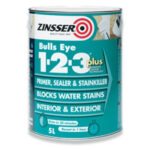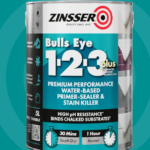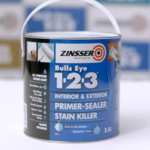
Looking for honest Bullseye 123 Primer Plus Reviews? Zinsser Bulls Eye 1-2-3 Primer Plus is widely praised for its strong adhesion, stain-blocking performance, and versatility on surfaces like drywall, wood, and previously painted areas. Many users highlight its low odor and fast drying time, making it suitable for indoor projects. While some note that heavy stains may require a second coat, overall reviews consistently rate it as a reliable, easy-to-use primer for both DIYers and professionals.
Why Do So Many Paint Jobs Fail Before the Color Even Goes On?
I’ve been there. It’s Friday morning, the sun is hitting your kitchen just right, and you decide those dated cabinets finally need to go. You buy the most expensive, top-shelf paint you can find. You spend hours rolling it on. It looks amazing—for about three weeks.
Then, you notice a tiny chip near the handle. Then a yellow stain starts peeking through the white. Before you know it, your “fresh” kitchen looks like a science experiment.
Most people blame the paint. They think the brand was bad or the color was off. But after years of DIY trials and errors in my own garage, I’ve learned the hard truth: The real problem is almost always the primer underneath.
Best Paint Primer – Expert-Recommended Primers for Every Surface
If you’ve ever seen peeling trim six months later, or glossy wood that just won’t hold a finish, you know the frustration. That’s exactly why Bulls Eye 123 Primer Plus reviews matter so much. Primer is the quiet, invisible layer that decides if your hard work lasts five years or flakes off by next season. It’s the handshake between the old surface and the new look.
Common Problems I Faced Before Trying This Primer
Last fall, I stood in my workshop staring at a pile of project scrap—glossy trim, raw pine, and water-stained drywall. I kept asking myself the same questions we all do:
- “Why is my paint peeling off these cabinets like an old sticker?”
- “Why do those ugly wood knots keep bleeding through three coats of white?”
- “Do I really have to spend all day sanding this glossy trim?”
- “Is primer just a way for the hardware store to take more of my money?”
I used to think I could skip the prep and jump straight to the “pretty” part. I was wrong. Products like Zinsser Bulls Eye 1-2-3 Plus claim to solve these exact headaches without the soul-crushing labor of heavy sanding.
But talk is cheap. I’ve tried primers that smelled like a chemical plant and others that were basically milky water. I needed to see if this stuff actually worked on real-world messes. Because at the end of the day, a “good deal” on a can of primer isn’t worth much if you have to redo the whole job next month.
What Is Zinsser Bulls Eye 1-2-3 Plus—And What Makes It Different?
Last Tuesday, I stood in the paint aisle staring at a wall of white cans. If you’ve ever felt that “choice paralysis,” you aren’t alone. I needed something for a kitchen refresh, but I didn’t want my house to smell like a chemical factory for a week.
That’s when I grabbed Zinsser Bulls Eye 1-2-3 Plus.
To put it simply, this is a water-based primer designed to act like a heavy-duty oil paint. It’s made by Rust-Oleum, and it sits a step above their standard “Blue Label” version. When I cracked the lid, the first thing I noticed was the lack of that stinging “paint smell.” It’s very low odor, which is a lifesaver if you’re working in a small bathroom or a kitchen with poor airflow.
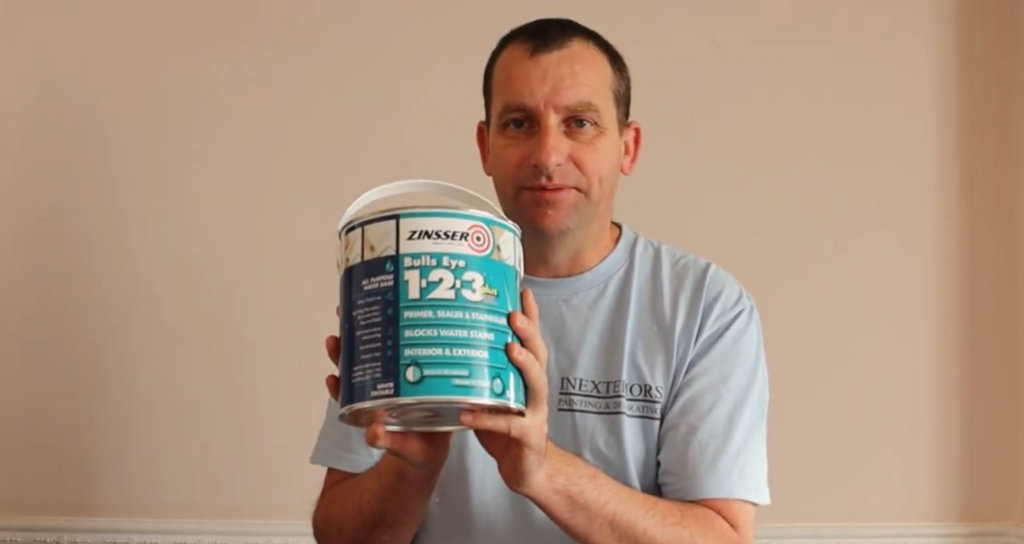
What the Label Promises (In Plain English)
Before I dipped my brush in, I looked at the claims. The “Plus” version is marketed as a “problem solver.” Here is what it’s supposed to do for your project:
- Blocks Tough Stains: It targets water marks, smoke, and those annoying wood tannins that turn white paint yellow.
- Sticks Without Sanding: It claims to grip glossy surfaces (like old cabinets) so you can skip the dusty prep work.
- Dries in a Blink: You can usually recoat in about an hour.
- Goes Anywhere: It works for both your indoor trim and your outdoor railings.
How It Compares to the Big Names
In the world of home prep, this primer has some stiff competition. I’ve used almost all of them, and here is how I feel they stack up:
- KILZ 2 All-Purpose: This is the budget buddy. It’s fine for fresh drywall, but in my experience, it doesn’t hide stains nearly as well as the 1-2-3 Plus.
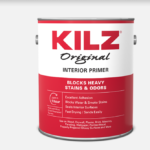
- KILZ Original: This is the “gold standard” for stains, but it’s oil-based. It smells incredibly strong and requires mineral spirits to clean your brushes. The 1-2-3 Plus tries to give you that power with a simple water cleanup.
- INSL-X Stix: This is the “glue” of primers. If you are painting glass or tile, Stix is king. However, 1-2-3 Plus is a better all-rounder for general house projects.
👉 High-intent buyers who are ready to stop the peeling and start the painting can Check Price On Amazon to see if it fits their weekend budget.
I’ve found that while many primers claim to be “all-in-one,” this one actually feels like it has some “teeth” to it. It’s thicker than the cheap stuff but flows onto the wood smoothly. It’s the middle-ground choice for when you want professional results without the professional headache.
How Did We Test It? (Real Surfaces, Real Conditions, Real Mess)
To give you an honest look for these Bulls Eye 123 Primer Plus reviews, I didn’t just paint a flat board in a lab. I spent a long, messy weekend in my garage workshop. It was early fall, so the air was crisp. The temperature swung from a chilly 62°F in the morning to a warm 78°F by lunch. Those aren’t “perfect” settings, but let’s be real—neither is your home during a busy DIY project.
I wanted to see if this stuff could handle the common disasters we all face. I used about two gallons of primer to cover 800 square feet of “problem” areas. Here is exactly what I put through the ringer over those three days.
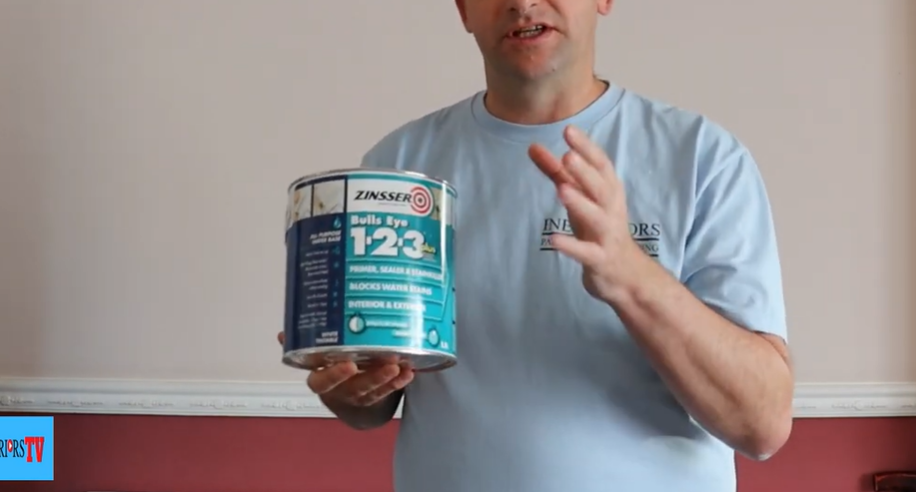
The Surfaces I Challenged
I didn’t hold back. I went looking for the surfaces that usually make me want to quit.
- Glossy Kitchen Cabinets: I took a set of old, shiny doors. On half of them, I didn’t sand at all. I just wiped them down to see if the primer would actually “bite” into the slick finish.
- Raw Pine Trim: Pine is famous for those oily tannins that ruin a white finish. I used one heavy coat here to test the seal.
- A Water-Stained Drywall Patch: I had an old yellow ceiling leak stain. This is the ultimate test of “blocking” power.
- Metal Railing: I even took a section of an outdoor railing to see how it handled cold metal.
My Testing Schedule
I treated this like a real home flip. I worked in stages to see how the layers behaved as they sat.
| Project Piece | Coats Applied | Timeframe |
| Kitchen Cabinets | 2 Coats | Spread over 2 days |
| Drywall Patch | 1 Coat | Morning test |
| Pine Trim | 1 Heavy Coat | Afternoon test |
| Exterior Metal | 1 Coat | Final day test |
By the end of the third day, my back was sore and my coffee was cold, but the results were clear. I watched how the primer leveled out under my brush and felt how it dried in the humid garage air. It’s one thing to read a label, but it’s another to see how a primer feels when you’re three hours deep into a project.
Bullseye 123 Primer Reviews: Is It Worth Your Money?
Does Bulls Eye 1-2-3 Plus Actually Block Stains?
This is the big one. If a primer can’t hide a mess, it’s just expensive juice. Most of us buy it for one reason: we want the ugly spots to stay gone. During my testing, I put this to the test on two of the most annoying types of damage.
The Drywall Water Stain Test
I had a nasty, yellow water ring on a drywall patch from an old roof leak. Usually, these stains laugh at standard latex paint. They just bleed right through the fresh coat.
I brushed on one medium layer of Zinsser Bulls Eye 1-2-3 Plus. It was dry to the touch in just 35 minutes. I waited an hour, hit it with a second coat, and then did my topcoat four hours later.
- The Result: The stain vanished. After 48 hours, there was zero yellowing. It stayed a crisp, clean white.
The Pine Tannin Test
This is where most water-based primers fail and start to look “muddy.” Raw wood knots release oils that turn your paint a sickly yellow.
- First Coat: About two hours in, I saw a faint yellow tint. I didn’t panic; I just applied a second coat.
- Second Coat: This did the trick. It sealed the wood perfectly.
- Final Look: Once I added my latex topcoat, the finish was flawless.
If you are dealing with heavy wood knots or deep stains, take it from me—plan for two coats. It’s better to spend twenty extra minutes now than to see a stain pop up next month.
👉 High-intent buyers who are tired of looking at old stains should Check Price On Amazon before starting their next big room makeover.
How Well Does It Stick Without Sanding?
Nobody likes sanding. It’s messy, it’s loud, and it gets dust in your coffee. When I started my kitchen project last Saturday, I wanted to see if Zinsser Bulls Eye 1-2-3 Plus could actually save my sore arms. The label says it sticks to all surfaces without sanding. I decided to be the judge of that.
I took two glossy cabinet doors for a side-by-side test. On the first door, I did a quick, light scuff with sandpaper. On the second door, I did nothing but wipe it clean with a damp rag. I painted both and let them cure for 24 hours.
The Scratch Test Results
Once the primer was dry, I channeled my inner critic. I used my fingernail and a coin edge to really scrape at the surface. Here is what I found:
- The Sanded Side: This side felt like rock. I couldn’t even leave a mark with a heavy thumb scratch. The adhesion was top-tier.
- The Unsanded Side: It stayed on remarkably well for a water-based product. However, under very heavy pressure with a coin, I could see minor edge scratching.
My Honest Advice on Prep
So, can you skip the sandpaper? The answer is: it depends on your project.
If you are doing trim touch-ups or painting a wall, you can likely skip the sanding and be just fine. But if you are doing kitchen cabinets that get bumped and banged every day? I wouldn’t risk it.
I’ve seen too many DIY jobs peel off in sheets because of skipped steps. This primer is strong, but it isn’t magic. Taking ten minutes to scuff the surface gives the primer “teeth” to grab onto. It’s the difference between a job that looks good for a month and one that lasts a decade.
How Fast Does It Really Dry? (Time Reality Check)
When I start a project on a Sunday, I want it done before dinner. I don’t want to wait days for paint to stop being tacky. During my workshop test, I kept a close eye on the clock to see if Zinsser Bulls Eye 1-2-3 Plus lived up to the hype.
Here is the real timeline I experienced:
- Prep and Stir: 10 minutes (it mixes easily).
- Dry to Touch: About 35 minutes.
- Ready for a Second Coat: 1 hour.
- Safe for Topcoat: 3 to 4 hours.
In total, I went from “this looks terrible” to a finished, painted surface in about six hours. That is a huge win. Compare that to oil-based primers like KILZ Original. Those can take much longer to dry and require you to leave all the windows open for days. With this, the job moves fast. Just keep in mind that a “full cure” (when it reaches max hardness) takes about seven days. Don’t go scrubbing it with a sponge on day two!
Is It Easy to Apply—Or Does It Fight You?
There is nothing worse than a primer that feels like glue or, worse, watery milk. I tried applying this in three different ways to see how it behaved.
Using a Roller
I used a small foam roller on the cabinet doors. It went on with a very smooth laydown. I noticed a slight “drag” on the first pass, but it self-levels beautifully as it sets. You won’t see those annoying orange-peel textures if you use a quality cover.
Using a Brush
On the trim, my brush felt light and easy to control. It has a slight tackiness after ten minutes, so work in small sections. The best part? It doesn’t drip excessively. I didn’t spend my whole afternoon wiping up white puddles from the floor.
Using a Sprayer
I thinned the mix by about 5% with water and loaded it into my HVLP sprayer. It came out in a fine, even mist. No clogging, no sputtering. It behaves just like a high-end latex paint. It feels substantial but not gummy.
What Will Annoy You? (Real Negatives)
I love a good DIY win, but I promised you an honest look. No product is perfect. While my Bulls Eye 123 Primer Plus reviews are mostly positive, there were a few moments in my garage where I had to pause and vent.
First, it is not a “magic wand” for extreme stains. If you have heavy smoke damage or dark knots in cedar, this water-based mix might struggle. I found that it often needs two coats for tannin-heavy wood. If you try to rush it with just one, you might see yellow spots later.
Also, watch your brush strokes. If you overwork the wet primer, it can “flash” or leave a patchy look. It also dries with a slightly chalky feel. It isn’t a huge deal since you’ll paint over it, but it’s a bit dusty to the touch. Lastly, while the odor is low, I could still smell it in my small mudroom. It’s not a “chemical burn” scent, but it’s there. If you want the absolute strongest grip for ultra-glossy tile or glass, a specialty bonding primer like INSL-X Stix might beat it out.
Coverage & Cost—Is It Actually Worth the Money?
When I buy a gallon of paint, I want it to go far. The can says it covers 450 square feet. In my real-world test, I got closer to 350 or 400 square feet. If you apply thin coats, you might hit their number, but for real stain-blocking, you’ll likely use more than you think.
Price-wise, it sits right in the “sweet spot.”
- It’s more expensive than the basic, thin primers that barely cover a pencil mark.
- It’s cheaper than high-end shellac or specialty bonding options.
For a standard kitchen or a hallway of trim, the value is great. You get durability and ease of use without paying a fortune. It saved me hours of sanding, and to me, my time is worth the extra few dollars.
Who Is Bulls Eye 1-2-3 Plus Best For?
After spending three days covered in white speckles, I’ve figured out exactly where this primer shines. It isn’t for every single job, but it is a lifesaver for the right person.
This Is Perfect For:
- DIY Cabinet Refreshers: If you want to update your kitchen without the soul-crushing dust of heavy sanding, this is your best friend.
- Interior Trim Projects: It flows beautifully onto baseboards and door frames.
- Light to Moderate Stains: It handles typical water marks and scuffs with ease.
- Weekend Warriors: If you need to prime in the morning and paint after lunch, the fast dry time is a dream.
- Sensitive Noses: Since it’s low-odor, you won’t feel lightheaded while working in a small bathroom.
You Might Want to Skip It If:
- Severe Damage: If you have heavy smoke damage from a fire, you need something stronger.
- Extreme Wood Bleeding: Raw cedar or very oily knots might still peek through.
- High Humidity: If your garage feels like a sauna, the water-based formula will struggle to dry.
If you want “bulletproof” stain blocking, shellac is still the king. But let’s be honest: shellac smells like regret and is a pain to clean up. For 90% of my home projects, I’d much rather reach for the 1-2-3 Plus.
How Does It Compare to Other Popular Primers?
I’ve used plenty of “magic” cans over the years. Here is how this one stacks up against the usual suspects in the paint aisle:
| Feature | Bulls Eye 1-2-3 Plus | KILZ 2 | KILZ Original | INSL-X Stix |
| Base | Water | Water | Oil | Water |
| Odor | Low | Low | Very High | Low |
| Adhesion | Strong | Moderate | Strong | Very Strong |
| Stain Block | Good | Moderate | Excellent | Moderate |
| Dry Time | Fast | Fast | Slower | Fast |
In my experience, it lands right in the “balanced” category. It’s tougher than basic water-based primers but much easier to handle than smelly oil-based options.
Final Verdict—Should You Buy It?
If you are repainting cabinets, trim, or fixing a drywall patch, then yes. It is a solid, reliable choice.
But I want to give you the honest truth from one DIYer to another. It is not magic. It might need two coats on tough spots. It works best when you take five minutes to wipe down your surfaces first.
If you hate sanding and want professional results without the oil fumes, this is one of the safest bets you can make. It feels reliable. When I pulled the tape off my test cabinets last Sunday, I felt proud of the finish.
If you want zero prep and instant perfection, you might be disappointed. But if you enjoy doing a job right, this belongs in your workshop.
For current pricing and to see how others feel about it, you can [Check Reviews On Amazon] before you start your next big project.
Frequently Asked Questions
Does Bulls Eye 1-2-3 Plus work on glossy surfaces?
Yes, but light scuff sanding improves adhesion significantly.
Can it block heavy water stains?
Moderate stains — yes. Severe damage may require shellac-based primers.
Is it good for cabinets?
Yes, especially if paired with proper prep and a durable topcoat.
Does it sand easily?
Yes, after 24 hours cure it powders nicely.