
To remove Rust-Oleum paint, start by scraping off any loose or peeling paint with a putty knife or plastic scraper. For stubborn areas, apply a paint remover or Rust-Oleum paint stripper according to the instructions. Let it sit, then gently scrub with a brush or cloth. Finally, rinse the surface with water and allow it to dry completely before repainting or finishing.
Top 5 Best Rust Oleum Paint: – Expert‑Approved for Rust Protection & Durability
Surface-Specific Removal Guide
Surface Best Method Recommended Tools / Products Metal Chemical stripping or mechanical abrasion. Citristrip Paint Stripping Gel or a stiff wire brush. Plastic Gentle chemical softening. 99% Isopropyl Alcohol or baking soda paste. Avoid harsh strippers. Wood Chemical stripper or sanding. Paint Scraper and medium-grit sandpaper (120–220 grit). Glass/Tile Gentle scraping or solvent. Razor blade scraper (for glass only) or Acetone. Concrete Pressure washing + chemical cleaner. Graffiti Remover + stiff bristle brush.
Rust-Oleum 267313-Painters Touch Latex Paint: Is One Coat a Lie?
If you want a clean, damage-free surface, this guide is for you. I’ll walk you through how to remove Rust-Oleum paint on metal, wood, concrete, and more, with methods I’ve used on real jobs. You’ll get step-by-step plans, safety tips, and smart choices that save time and money while protecting the surface you care about.
Safety first: before you remove any coating
Paint removal is messy and can be risky. Set up right and protect yourself.
- Wear gloves, eye protection, and a respirator rated for organic vapors when using solvents or strippers.
- Work with plenty of airflow. Use fans to move air out of your work area.
- Cover floors and plants with canvas or plastic drop cloths.
- Test a small spot first to see how the surface reacts.
- Check for older layers under the Rust-Oleum. If you suspect lead paint in pre-1978 homes, use a test kit and follow local rules or hire a pro.
- Read each product’s safety data sheet and follow dwell times and cleanup steps.
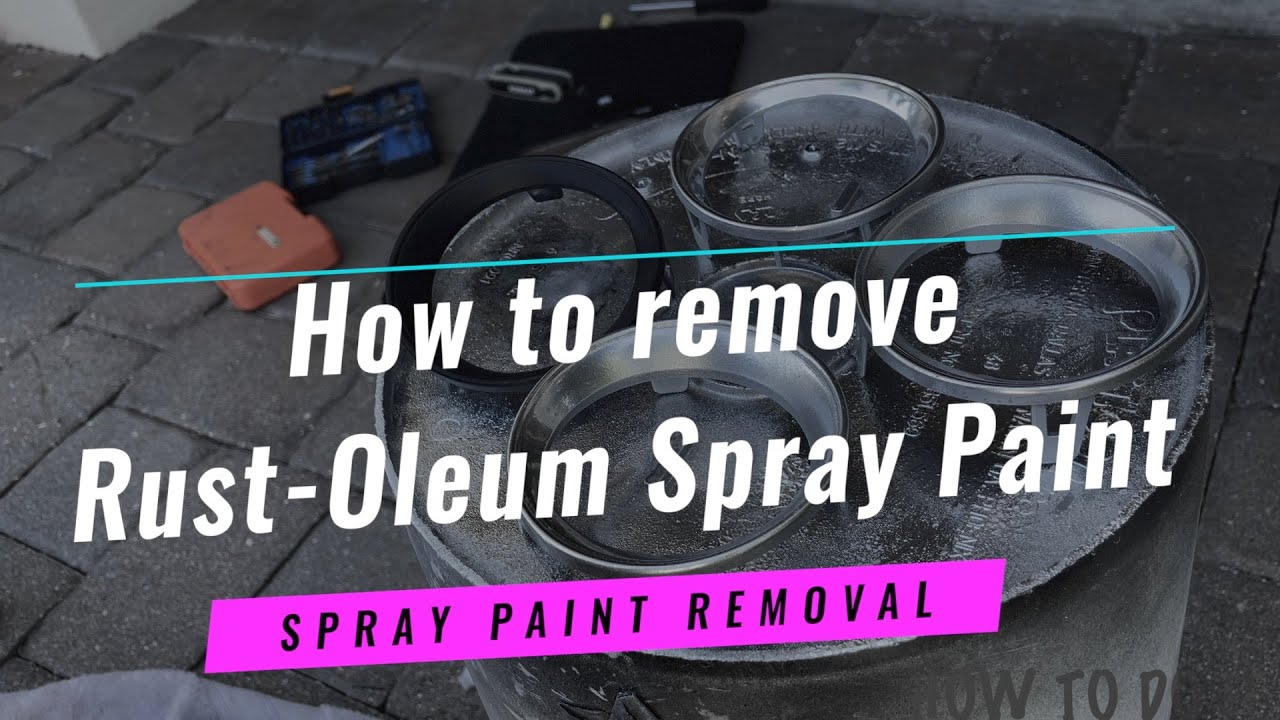
Understand Rust-Oleum paint and why it matters
Rust-Oleum makes many coatings. The type and cure age guide the best removal method.
- Oil-based alkyd and enamel sprays. Hard when cured. Respond to mineral spirits, acetone, or paint strippers.
- Acrylic/latex sprays and brush paints. Easier to cut with soap and water while fresh. Harder once cured.
- Epoxies and appliance/tub coatings. Very tough. Often need a strong stripper or heat plus scraping.
- Primers, rust converters, and automotive products. Some have high solids and stick very well.
Fresh vs cured matters. Within hours, you can wipe many paints off. After a full cure, expect sanding, heat, or a quality stripper.

A step-by-step plan for how to remove Rust-Oleum paint
Use this simple workflow to stay efficient and avoid damage.
- Identify the surface and paint age
- Surface: metal, wood, concrete, plastic, glass.
- Paint age: minutes, hours, days, or cured 7+ days.
- Choose your method
- Fresh or tacky paint: solvents or soap-and-water for latex.
- Cured paint: chemical stripper, sanding, scraping, or heat gun.
- Prep the area
- Mask edges with painter’s tape.
- Lay drop cloths.
- Put on PPE.
- Test a small area
- Try the mildest method first.
- Check for staining, swelling, or softening.
- Remove in stages
- Apply solvent or stripper in a small section.
- Give it dwell time.
- Scrape with plastic or sharp scraper at a low angle.
- Repeat as needed.
- Final clean
- Neutralize stripper per label.
- Rinse and dry.
- Lightly sand if you plan to repaint.
Best Paint Primer – Expert-Recommended Primers for Every Surface
Method 1: Solvent wipe for fresh or uncured paint
Great for overspray and same-day fixes. This is the fastest way for how to remove Rust-Oleum paint before it hardens.
- For oil-based Rust-Oleum: use mineral spirits or odorless mineral spirits. Acetone works faster on small spots, but test first.
- For acrylic/latex Rust-Oleum: warm soapy water or isopropyl alcohol on a soft cloth works if paint is still soft.
- For glass and glazed tile: razor scraper plus glass cleaner loosens the film.
- For cars or appliances: use an automotive-grade tar and adhesive remover. Avoid harsh rubbing.
Pro tip from the field: On a metal handrail overspray, I wet a microfiber with mineral spirits, let it sit 60 seconds, then wiped clean. No scratching, no fumes build-up because I worked in open air.
Timing windows matter. Within 1–8 hours, solvent wipe is your best shot. After 24–48 hours, plan on a stronger method.

Method 2: Mechanical removal (scraping, sanding, wire brush)
Use when paint is fully cured or very thick.
- Scraping: Use a sharp pull scraper at a low angle. A plastic scraper protects softer surfaces.
- Sanding: Start with 120–150 grit on wood, 80–120 on metal or concrete. Move to higher grits to smooth.
- Wire brushing: On steel with heavy Rust-Oleum enamel, a wire cup on a drill or angle grinder speeds removal.
- Dust control: Attach a vacuum to sanders and wear a respirator. Wipe with a tack cloth after.
Shop lesson: I once tried 60-grit on a pine door and left swirl marks. Since then, I start milder and step down only if needed. It saves rework.
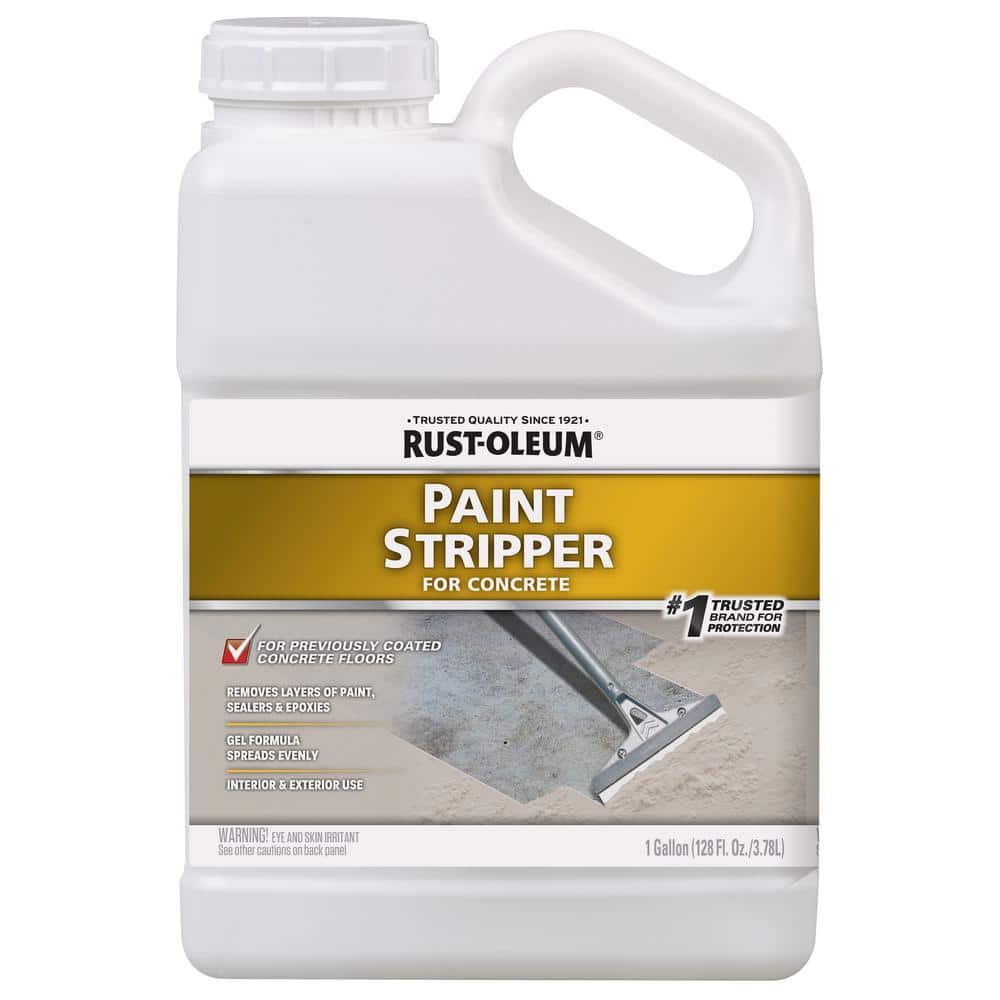
Method 3: Chemical paint strippers
A good stripper does the heavy lifting on stubborn coatings. This is often the most reliable route for how to remove Rust-Oleum paint on large areas.
Types you will see:
- Benzyl alcohol or dibasic ester formulas. Effective and safer than older chemistries.
- Citrus/soy gel strippers. Slower but low odor and cling to verticals.
- Methylene chloride strippers. Very fast but heavily restricted. I do not recommend DIY use due to safety.
How to use
- Brush on a generous coat. Do not overwork it.
- Let it dwell per label, often 15–45 minutes. Recoat to keep it wet if needed.
- Scrape gently. Reapply for thick or multi-layer spots.
- Neutralize and rinse as the label states. Some need water; others need mineral spirits.
- Let the surface dry before you sand or repaint.
Reality check: Fast strippers save time but need great ventilation and careful PPE. Citrus gels can take longer, but I like them on doors and trim where control matters.
Method 4: Heat and steam
Heat softens paint so it scrapes off cleaner.
- Heat gun: Set to medium. Warm the paint until it blisters, then scrape. Keep the nozzle moving to avoid burns and scorched wood.
- Infrared heaters: Heat deeper into old layers with less smoke. Great on wood moldings.
- Steam: Works on latex and soft layers, kinder to wood. Not ideal for metal.
Safety reminders:
- Keep a fire extinguisher close.
- Do not use heat near solvents or unknown finishes.
- Avoid heat on plastics and epoxies that can warp or off-gas.
Surface-specific tips for how to remove Rust-Oleum paint
Metal
- Try a gel stripper that clings to vertical steel and aluminum.
- For rusted steel with Rust-Oleum over it, wire-wheel first, then strip what remains.
- Rinse and dry fast to avoid flash rust. Wipe with acetone, then prime if repainting.
Wood
- Go mild to protect the grain. Citrus gel, plastic scraper, and 150–220 grit sanding work well.
- Avoid soaking end grain. Wipe with denatured alcohol to see hidden scratches before final finish.
Concrete and masonry
- Pressure washing plus a biodegradable stripper lifts paint from pores.
- Scrub with a stiff brush after dwell time.
- Rinse well and let it dry for at least 24 hours before sealing.
Plastic and glass
- On plastic, skip harsh solvents. Use warm soapy water, a plastic razor, or a plastic-safe adhesive remover.
- On glass, use a razor at a shallow angle with glass cleaner as a lube.
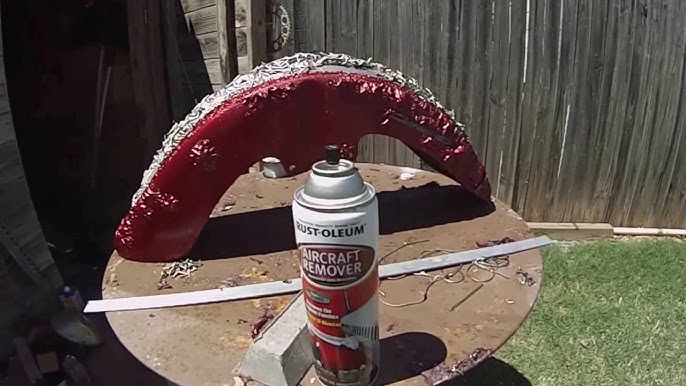
Quick answers: people also ask about how to remove Rust-Oleum paint
What removes Rust-Oleum from metal fastest?
- A strong gel stripper plus a sharp scraper is fastest. Follow with 120–180 grit and a solvent wipe.
Can I remove Rust-Oleum without chemicals?
- Yes. Use a heat gun and scraper, or sand it off. It takes more time and energy.
Will acetone remove Rust-Oleum spray paint?
- On fresh coats, yes. On cured paint, it helps soften edges but may not strip it all.
Troubleshooting and mistakes to avoid
- Rubbing too soon. If the paint smears, give the stripper more time.
- Using the wrong solvent. Mineral spirits help oil-based paints. Soap and water help fresh latex. Test first.
- Skipping neutralization. Some strippers leave residue that ruins new paint. Follow the label.
- Overheating wood. A scorched patch takes hours to fix. Keep the heat moving.
- Not protecting nearby areas. Overspray and stripper splatter travel. Mask and cover well.
A story from my bench: I once chased stubborn specks on a steel door with sandpaper for an hour. One pass with a gel stripper, 20 minutes of dwell, and the whole panel scraped clean. Right method, right order, less work.
Disposal and cleanup the right way
- Collect sludge, used rags, and paint chips in a metal can with a lid.
- Never pour solvents or stripper down the drain.
- Let rags dry flat outdoors to reduce fire risk, then follow local hazardous waste rules.
- Wash hands and tools with soap and water. Store chemicals in original containers.
These habits keep your shop safe and your project legal and clean.
Frequently Asked Questions of how to remove rust oleum paint
Does vinegar remove Rust-Oleum paint?
Vinegar can soften some latex paints but works slowly on Rust-Oleum. It is not reliable for cured enamel or epoxy.
How do I remove Rust-Oleum spray paint from a car without damage?
Start with an automotive adhesive remover and a clay bar. Avoid harsh solvents and test in a hidden spot first.
What’s the best way to remove Rust-Oleum from concrete?
Use a biodegradable paint stripper, scrub with a stiff brush, and pressure wash. Repeat for thick spots and allow the slab to dry fully.
Can I use a pressure washer on wood to remove Rust-Oleum?
You can, but be careful. High pressure can gouge softwood, so use a fan tip, keep distance, and finish with sanding.
How long should stripper sit on Rust-Oleum paint?
Most need 15–45 minutes. Keep the surface wet with stripper and follow the label for best results.
Conclusion
You now have a clear, field-tested plan for how to remove Rust-Oleum paint on almost any surface. Start mild, test small, and step up with the right method for the paint type and age. Work safe, be patient with dwell time, and the coating will come off cleaner and faster.
Ready to tackle your project? Use this guide as your checklist, share your results, and subscribe for more step-by-step paint and finish tutorials.
Related posts:
 How To Remove Oil Paint From Wood Floors– Safe Methods That Won’t Damage Wood
 How To Remove Emulsion Paint From Upvc Windows– Safe, Damage-Free Methods
 How To Remove Old Emulsion Paint From Walls? – Safe Methods That Actually Works
 Top 5 Best Rust Oleum Paint: – Expert‑Approved for Rust Protection & Durability