
Is Rust-Oleum acrylic paint? Yes, Rust-Oleum offers a range of acrylic paints that are water-based, durable, and ideal for DIY projects, crafts, and home improvement. They provide good coverage, adhere to multiple surfaces, and dry quickly, making them a versatile choice for both indoor and outdoor use.
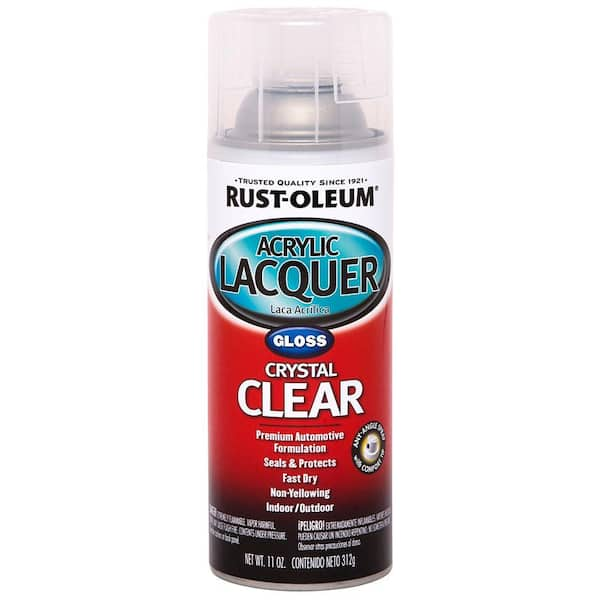
Expert Recommended Rust-Oleum Acrylic-Based
If you are looking specifically for acrylic formulations, here are some popular options often found on Amazon:
Product Name Primary Base Best Used For Zinsser Bulls Eye 1-2-3 Water-based Acrylic All-purpose primer; adheres to almost any surface. Acrylic Enamel 2X Acrylic Modified General-purpose spray paint for metal, wood, and plastic. High Performance Acrylic Coatings Water-based Acrylic Industrial-grade protection for high-traffic or masonry surfaces.
Many Rust-Oleum paints are acrylic, but others are oil-based or specialty formulas.
If you’re wondering is rust oleum acrylic paint, you’re not alone. I work with coatings every week, from quick spray fixes to full furniture flips. In this guide, I’ll break down which Rust-Oleum lines are acrylic, how they differ from oil-based options, when to use each, and how to get pro results at home. By the end, you’ll know the clear answer to is rust oleum acrylic paint and how to pick the right can every time.
What “acrylic paint” really means
Acrylic paint is a water-based coating that uses acrylic resin as the binder. It is known for fast dry time, easy cleanup, and low odor. It is durable for indoor and outdoor use when cured.
People often mix up terms like acrylic, latex, and enamel. Here is the simple view:
- Acrylic: Uses acrylic resin. Most are water-based. Dries fast. Cleans with soap and water.
- Acrylic enamel: Acrylic resin with harder additives. A bit tougher. Often found in sprays.
- Latex: Common term in the US for water-based paint. Many latex paints today are acrylic latex.
- Oil-based/alkyd: Uses oil or alkyd resins. Slower to dry. Stronger odor. Great for metal and high-wear items.
If you ask is rust oleum acrylic paint, you must first know these labels. Rust-Oleum sells all of the above across its lines.
Top 5 Best Rust Oleum Paint: – Expert‑Approved for Rust Protection & Durability
Is Rust-Oleum acrylic paint? A line-by-line answer
Short answer to is rust oleum acrylic paint: sometimes yes, sometimes no. Rust-Oleum is a brand umbrella. It includes acrylic, acrylic enamel, latex, alkyd (oil-based), epoxy, and urethane products. Always check the label or Safety Data Sheet (SDS) for the resin type.
Here is a practical breakdown many DIYers use:
- Painter’s Touch Ultra Cover brush-on: Acrylic latex, water-based. Great for wood, MDF, and crafts.
- Painter’s Touch 2X Ultra Cover spray: Acrylic enamel spray. Fast dry. Smooth finish on many surfaces.
- Stops Rust Protective Enamel (brush or spray): Oil-based alkyd enamel. Very durable on metal and railings.
- Universal spray: Oil-based multipurpose enamel. Strong adhesion on metal, wood, and more.
- Chalked brush-on: Water-based chalky finish. Easy to distress. Seal with a clear topcoat.
- Automotive enamel, lacquer, and specialty lines: Vary by product. Some are acrylic enamel, some are lacquer or epoxy.
- Primers (like Zinsser under the same parent brand): Vary widely. Some are water-based acrylic. Others are shellac or oil-based.
So, is rust oleum acrylic paint? Yes, in lines like Painter’s Touch brush-on and some sprays. But is rust oleum acrylic paint across the whole brand? No. Many popular items are oil-based enamels. The best check for is rust oleum acrylic paint is the product page, label, or SDS.
Pros and cons of Rust-Oleum acrylic options
If your goal is to decide is rust oleum acrylic paint right for you, weigh these points.
Pros
- Fast dry and recoat. Great when time is tight.
- Low odor and easy cleanup. Soap and water for most brush-on acrylics.
- Good color retention. Less yellowing than many oil-based paints.
- Safer for indoor use. Often lower VOC than oil-based.
Cons
- Not as hard as high-solids oil or 2K epoxy.
- May need a primer on slick or glossy surfaces.
- Water-sensitive during early cure. Give it time before heavy use.
- Can raise wood grain. A quick sand between coats can help.
When people ask is rust oleum acrylic paint the best choice, I say it is great for furniture, décor, plastic (with the right primer), and many indoor projects. For bare steel in harsh weather, oil-based or specialty coatings can win.
When to choose acrylic, acrylic enamel, or oil-based
Think about the surface, wear, and your timeline. Then ask yourself again: is rust oleum acrylic paint the right pick?
Use water-based acrylic or acrylic latex when
- You need fast dry and low odor.
- You are painting wood, MDF, or primed drywall.
- You want easy cleanup and a smooth brush finish.
Use acrylic enamel spray when
- You want a sleek, even spray finish.
- You need better chip resistance than basic craft acrylic.
- You are coating plastic, metal, or wood with proper prep.
Use oil-based/alkyd enamel when
- You are painting exterior metal like railings or fences.
- You need extra rust resistance and hardness.
- You can allow longer dry and tolerate stronger odor.
Use specialty coatings when
- You need extreme heat resistance, chemical resistance, or floor durability.
- You are painting a tub, countertop, or auto parts where a specific system is needed.
Surface prep and application tips for best results
Great paint jobs start with great prep. This is where most mistakes happen. I have learned these steps the hard way.
- Clean first. Dust, oils, and wax stop adhesion. Use a degreaser or mild soap and water. Let dry.
- Scuff sand glossy parts. A light 220-grit scuff helps all paints, even sprays.
- Prime smart. Use a primer that matches the surface and resin. For plastic, use a plastic primer. For bare metal, use a rust-inhibiting primer.
- Mind the weather. Ideal spray temp is often 65–85°F with low humidity. Avoid wind.
- Light coats win. Three light coats beat one heavy coat. Less drips. Better cure.
- Respect recoat windows. Many sprays say recoat within an hour or after 48 hours. Follow it.
- Cure, then use. Dry to touch is not cured. Full cure can take days.
If you still wonder is rust oleum acrylic paint easier to use, yes, in most indoor cases. It is forgiving. But prep still sets the result.
Compatibility, topcoats, and clear coats
Mixing paint types can cause peeling or wrinkling. Here is how to stay safe.
- Same family works best. Acrylic over acrylic. Oil over oil.
- Acrylic over fully cured oil-based can work with a bonding primer in between.
- Many clear coats are acrylic or urethane. Use a clear made for the base coat.
- Follow the recoat window. If you miss it, sand and scuff before the next coat.
- Do a test spot. Wait 24 hours. Check for lifting or soft spots.
A common question is rust oleum acrylic paint good under polyurethane? Yes, if the poly is water-based and the acrylic is fully cured. Test first. If using oil-based poly, check the label and do a sample board.
Is Rust Oleum Spray Paint Oil Based? – Best Uses and Alternatives
Real-world lessons from the shop
Here are a few jobs that taught me what works.
- Outdoor metal railing: Stops Rust oil-based enamel beat acrylic for long-term rust control. It took longer to dry but stayed tough through two winters.
- Kids’ bookshelf: Painter’s Touch acrylic latex went on fast with a foam roller. Low odor. I let it cure four days before loading books. No tacky spots.
- Plastic planters: I scuffed, used a plastic primer, then an acrylic enamel spray. Two light coats. One clear coat after 48 hours. Two summers later, still bright.
From these, my answer to is rust oleum acrylic paint is simple. It shines for speed and ease. For harsh metal jobs, I still lean oil-based.
Quick answers to related questions
Can I use Rust-Oleum acrylic on metal?
Yes, with a rust-inhibiting primer on bare steel. For maximum rust defense, oil-based enamel is often better.
Will acrylic stick to plastic?
Yes, if you scuff and use a plastic primer first. Some acrylic enamel sprays also grip plastic well.
Is acrylic paint waterproof?
Once cured, it is water-resistant, not fully waterproof. Use a proper primer and clear coat for outdoor wear.
Frequently Asked Questions of is rust oleum acrylic paint
Is Rust-Oleum Painter’s Touch acrylic or oil-based?
Painter’s Touch brush-on is usually acrylic latex, which is water-based. The 2X spray version is an acrylic enamel spray.
Can I put acrylic over Rust-Oleum oil-based enamel?
Yes, but only after full cure and with a bonding primer. Scuff sand first to improve adhesion.
Does Rust-Oleum acrylic paint need a primer?
Often yes, for slick, glossy, or bare surfaces. Use a primer that matches the surface, like plastic or metal primers.
How long does Rust-Oleum acrylic take to cure?
Dry to touch can be 20–60 minutes. Full cure can take 24–72 hours, or longer in cool, humid air.
Is Rust-Oleum spray paint acrylic?
Some are, like many Painter’s Touch and craft sprays labeled acrylic enamel. Others are oil-based or specialty formulas.
Is rust oleum acrylic paint safe for indoor use?
Most water-based acrylics are well-suited for indoor use due to lower odor. Always ventilate and follow the label.
Is rust oleum acrylic paint good for wood furniture?
Yes, it lays smooth and dries fast. For tops and shelves, add a clear coat after full cure.
Is rust oleum acrylic paint durable outside?
It holds color well outdoors when cured and topcoated. For bare metal or harsh climates, oil-based enamel may last longer.
Is rust oleum acrylic paint better than oil-based?
It depends on the job. Acrylic is easier and faster; oil-based is harder and often better on metal.
Is rust oleum acrylic paint easy to clean up?
Yes, most brush-on acrylics clean with soap and water. Sprays need proper disposal and care; follow the can’s guide.
Conclusion
You started with one question: is rust oleum acrylic paint? Now you know the full picture. Some Rust-Oleum lines are acrylic or acrylic enamel. Others are oil-based or specialty. Choose by surface, wear, and your timeline. Prep well, follow recoat windows, and let coats cure.
Ready to paint with confidence? Pick your line, do a small test, and go. If this helped, share it with a friend, subscribe for more guides, or drop your project questions in the comments.
Related posts:
 Top 5 Best Rust Oleum Paint: – Expert‑Approved for Rust Protection & Durability
 Can I Use Rust Oleum On Stained Wood?– Step-by-Step Guide for Best Results
 Best Budget Moisture Meter (2026) – Accurate & Affordable for Home, Wood, and Construction
 Best Paint for Propane Tank – Weather-Resistant Coatings That Won’t Trap Heat | Safety Expert Guide