
When comparing Zinsser vs Rust-Oleum primer, both brands offer reliable products for preparing surfaces before painting, but they serve slightly different needs. Zinsser primers are known for strong stain-blocking and adhesion, making them ideal for difficult surfaces like glossy paint, wood knots, and water stains. Rust-Oleum primers, on the other hand, are popular for metal surfaces and rust prevention, often used for automotive, industrial, or outdoor projects. The best choice depends on your surface type and the level of stain blocking or rust protection required.
Zinsser vs Rust-Oleum Primer: Which One Actually Belongs in Your Paint Kit?
It was a Saturday morning. Memorial Day weekend. I had big plans — finally repaint the living room before the in-laws showed up.
I drove to Home Depot, walked straight to the paint aisle, and froze.
There I was. One can of Zinsser in my left hand. One can of Rust-Oleum in my right. Both looked legit. Both had confident labels. The guy stocking shelves nearby shrugged when I asked him which one to grab.
Not exactly reassuring.
Here’s the thing — both Zinsser and Rust-Oleum are trusted names. You see them everywhere. But “trusted” doesn’t tell you which one actually works for your walls, your ceiling, your rusty backyard gate. That’s the part nobody explains in the aisle.
By the time you finish reading this, you’ll know exactly which primer to reach for — and why.
What’s the Actual Difference Between Zinsser and Rust-Oleum Primer?
Zinsser is built for problem surfaces. Rust-Oleum is built for metal and outdoor protection.
Zinsser specializes in stain-blocking. Water damage, smoke, raw drywall — that’s its DNA. Rust-Oleum leans hard into rust prevention and metal coatings. Both make decent all-purpose primers too. But knowing that core difference saves you from grabbing the wrong one.
I learned this the hard way during a bathroom remodel. I grabbed a Rust-Oleum general primer for a water-stained ceiling. Painted over it. The stain bled right through — twice. I had to start over with Zinsser BIN. That was a fun Sunday.
A Quick Brand Background (So You Know Who You’re Dealing With)
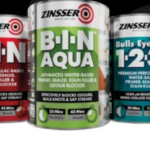
Zinsser has been around since 1849. That’s not a typo. Over 170 years. Their reputation was built on two products you’ll still see on shelves today — BIN shellac-based primer and Bulls Eye 1-2-3. Both are go-to options for interior walls and tough stains.
Rust-Oleum launched in 1921. A sea captain, Robert Ferguson, noticed fish oil stopped rust from spreading on metal. That became the product. That became the brand. They built their name on metal and protective coatings, then expanded into interior and exterior primers later.
Both are easy to find — Home Depot, Lowe’s, Amazon all carry the full range.
Here’s a fun detail most people don’t know: Rust-Oleum actually acquired Zinsser back in 1994. So technically, they’re the same parent company. You’re comparing siblings, not rivals. Doesn’t change how they perform, but it does explain why you’ll sometimes see cross-branded products with both names on the label. Confusing? A little. True? Absolutely.
The Core Product Lines You’ll Actually See on Shelves
Walk into any hardware store and these are the ones staring back at you:
Zinsser BIN — Shellac-based. This is the heavy-duty stain blocker. It smells like you’ve cracked open a chemical dimension. Strong stuff. It works.
Zinsser Bulls Eye 1-2-3 — Water-based, low odor, solid all-around primer. The one you reach for when nothing dramatic is going on with your surface.
Zinsser Gardz — A specialty sealer for damaged or crumbling drywall. Niche, but genuinely useful if your walls have seen better days.
Rust-Oleum Clean Metal Primer — Oil-based, rust-inhibiting, purpose-built for bare or rusty metal. Does exactly what it says.
Rust-Oleum Zinsser Bulls Eye 1-2-3 Plus — Yes, they cross-branded it. Yes, it’s on shelves. No, it’s not as confusing once you know the parent company backstory.
Rust-Oleum Surface Primer — General interior and exterior use. Handles multiple surfaces without specializing in any one thing.
Quick Comparison Table: Zinsser vs Rust-Oleum at a Glance
| Factor | Zinsser BIN | Zinsser Bulls Eye 1-2-3 | Rust-Oleum Clean Metal |
|---|---|---|---|
| Base | Shellac | Water-based latex | Oil-based |
| Best For | Stain blocking, smoke, odor | New drywall, light stains | Metal, rust prevention |
| Dry Time | 45 min | 1 hour | 2–4 hours |
| Topcoat Compat. | Oil & latex | Latex only | Oil & latex |
| Price (approx.) | ~$30/quart | ~$20/quart | ~$18/quart |
| VOC Level | High (shellac) | Low | Moderate |
| Cleanup | Denatured alcohol | Soap & water | Mineral spirits |
When to Choose Zinsser — The Stain-Blocking Champion
Zinsser is the primer you reach for when your surface has a story. Water stains from a winter leak. Smoke damage in a house you just bought. Crayon murals from your four-year-old on a Tuesday afternoon. Zinsser BIN handles all of it. It’s the closest thing to a magic eraser in primer form — and I mean that without exaggeration.
I opened my first can of BIN on a cold February morning. I was prepping a bedroom ceiling in a house we’d just moved into. The previous owners had a slow roof leak for who knows how long. That brown water stain was about two feet wide and stubbornly ugly.
The second I cracked open the BIN, I knew it meant business. The smell hit me like a wall. Sharp. Chemical. Almost medicinal. I opened every window in the room immediately — and it was February in the Midwest. Worth it.
One coat. Forty-five minutes later, that stain was completely gone. I’ve tried latex primers on stains like that before. They don’t touch it. BIN sealed it on the first pass.
That’s when I understood what Zinsser actually is. It’s not a general primer. It’s a problem-solver.
Zinsser vs PPG Gripper Primer: Which Bonding Primer Actually Performs Better?
Best Use Cases for Zinsser BIN (Shellac-Based)
BIN is the right call when your surface has damage, odor, or bleed-through that other primers can’t stop. Studies on shellac-based primers show they block stains up to 3x more effectively than water-based alternatives on porous or compromised surfaces. Here’s where it earns every penny of that ~$30/quart price tag:
- Water stains and grease marks — shellac creates a hard seal that prevents bleed-through, even on deep-set ceiling stains
- Smoke and fire damage — BIN is one of the only primers that seals smoke odor at the source; latex primers trap the smell under paint and it comes back
- Pet urine and mold remediation — the shellac base locks in odor molecules that water-based primers let pass through
- Problem woods like knotty pine, cedar, and redwood — these woods bleed tannins that discolor paint; BIN stops that bleed cold
- Glossy or slick surfaces — BIN grips where standard primers slide; it’s re-coatable in just 45 minutes, which is a lifesaver when you’re racing a weekend project deadline
- Fast turnaround situations — 45-minute re-coat time means you can prime and topcoat in the same afternoon
Pro Tip: BIN fumes are serious. This isn’t a “crack a window” situation. Run a fan, open multiple windows, and wear a respirator if the space is small. I skipped the respirator once. I had a headache for the rest of the day. Learn from my mistake.
Best Use Cases for Zinsser Bulls Eye 1-2-3
Bulls Eye 1-2-3 is the everyday workhorse. It won’t knock out heavy smoke damage, but for most normal interior projects it does the job cleanly and without the drama that comes with BIN.
I used it last spring when we repainted our kid’s bedroom. Fresh drywall patches from where we’d moved an outlet, a few scuff marks on the walls, nothing severe. Bulls Eye handled all of it without complaint — and more importantly, without that sharp shellac smell that clears a room.
Here’s where it fits best:
- New drywall and patched surfaces — raw drywall is highly porous and absorbs paint unevenly; Bulls Eye seals the surface so your topcoat goes on smooth and consistent
- Light stains — minor scuffs, pencil marks, and faint water stains are no problem; just don’t expect it to perform like BIN on heavy damage
- Occupied homes, apartments, and kids’ rooms — low VOC formula means you’re not fumigating the house; family can stay nearby without issue
- Compatibility — goes cleanly under any latex or oil-based topcoat with no adhesion drama
- Full interior repaints — when nothing extreme is going on, Bulls Eye is the low-stress, high-value choice at around $18–22/quart
Think of it this way: BIN is the specialist. Bulls Eye 1-2-3 is the reliable generalist. Most weekend paint jobs need the generalist.
Where Zinsser Falls Short
I want to be straight with you here — Zinsser isn’t perfect for every situation. Knowing the limits saves you a wasted trip back to the store.
BIN cleanup is genuinely annoying. Soap and water won’t touch it. You need denatured alcohol, and you need it ready before you start. Dried BIN on a brush is nearly impossible to save. I’ve lost a couple of good brushes by forgetting this.
High VOC levels make BIN a poor choice for enclosed or sensitive spaces. If you’re working in a small bathroom with no window, or if you have young kids or pets in the home, BIN creates real air quality problems. It’s not the right tool for those conditions.
Neither Zinsser product is built for metal or outdoor rust prevention. If you’re painting a fence, a railing, or any bare metal surface, Zinsser isn’t your answer. It simply wasn’t designed for that job — and using it there means you’ll be back in the paint aisle sooner than you’d like.
Bulls Eye 1-2-3 has a ceiling on stain-blocking performance. It handles light surface issues well, but if you’re standing in a room that smells like smoke from a house fire, or dealing with heavy pet damage, Bulls Eye won’t cut it. Don’t expect it to perform like BIN — it’s a different product for different problems.
When to Choose Zinsser — The Stain-Blocking Champion
Zinsser is the primer you reach for when your surface has baggage. A water stain from a winter roof leak. Smoke damage in the house you just closed on. Or crayon artwork your four-year-old left on the hallway wall last Easter weekend. Zinsser BIN handles all of it. No other primer I’ve used comes close for problem surfaces — and I’ve tried plenty.
I still remember opening my first can of BIN on a gray Saturday morning in November. I was prepping a bedroom ceiling — dark brown water stain, about 18 inches wide, courtesy of a slow roof leak the previous owners never fixed.
The smell hit me the second I popped the lid. Sharp. Chemical. Almost like someone opened a bottle of nail polish remover in a closed room. I scrambled to open the windows — and it was 38 degrees outside. Still worth it.
One coat. Forty-five minutes later, that stain had vanished completely. I’d tried a standard latex primer on a similar stain in a different room two years earlier. It bled right back through — twice. BIN stopped it on the first pass.
That’s what Zinsser is. Not a general primer. A problem-solver.
Best Use Cases for Zinsser BIN (Shellac-Based)
BIN is the right call when your surface has damage, odor, or bleed-through that standard primers simply can’t handle. Shellac-based primers like BIN seal stains up to 3x more effectively than water-based primers on porous or damaged surfaces. Here’s where it actually earns its ~$30/quart price:
- Water stains and ceiling rings — shellac creates a hard, non-porous seal that stops bleed-through cold, even on deep or old stains
- Smoke and fire damage — BIN is one of the only primers that truly seals smoke odor at the source; latex primers just trap it temporarily and the smell returns within weeks
- Pet urine and mold remediation — shellac locks in odor-causing molecules that water-based formulas let pass right through the topcoat
- Tannin-bleeding woods like knotty pine, cedar, and redwood — these species bleed natural oils that discolor paint; BIN stops that bleed before it starts
- Glossy and slick surfaces — BIN grips where other primers fail; adhesion on tough surfaces is one of its strongest traits
- Fast turnaround projects — re-coatable in just 45 minutes, which means you can prime and paint in the same afternoon if you’re working on a tight weekend schedule
Pro Tip: BIN fumes are no joke. This is not a “crack a window” situation. Open every window in the room, run a box fan pointing outward, and wear a respirator if the space is small. I skipped the respirator once on a bathroom ceiling job. Headache for six hours. Don’t repeat my mistake.
Best Use Cases for Zinsser Bulls Eye 1-2-3
Bulls Eye 1-2-3 is the everyday Zinsser — lower drama, lower odor, and honestly the right call for most standard interior jobs where nothing extreme is going on.
I used it last spring when we repainted our son’s bedroom. Fresh drywall patches where we’d moved a light switch, a few scuff marks, nothing major. Bulls Eye handled everything cleanly — and I didn’t have to evacuate the house while it dried. At around $18–22/quart, it’s the smarter buy when BIN’s power isn’t needed.
Here’s where it fits:
- New drywall and patched surfaces — raw drywall absorbs paint unevenly without a primer sealing it first; Bulls Eye levels the porosity so your topcoat looks smooth and consistent
- Light surface stains — minor scuffs, pencil marks, and faint water stains are well within its range; just don’t ask it to perform like BIN on heavy damage
- Occupied homes, apartments, and kids’ rooms — low-VOC formula means the family doesn’t need to relocate for the day; safe for use in lived-in spaces with normal ventilation
- Topcoat flexibility — works cleanly under any latex or oil-based topcoat without adhesion issues or compatibility drama
- Full interior repaints on clean walls — when the surfaces are in decent shape, Bulls Eye is the low-stress, practical choice
Think of it this way. BIN is the specialist you call for the hard cases. Bulls Eye 1-2-3 is the reliable everyday option for everything else.
Where Zinsser Falls Short
I’ll be straight with you — Zinsser isn’t the right answer for every job. Knowing its limits will save you a wasted trip back to the store.
BIN cleanup is a genuine hassle. Soap and water won’t touch it. You need denatured alcohol, and you need it ready before you start. Dried BIN on a brush is nearly impossible to salvage. I’ve lost two good brushes because I got distracted and let them sit too long.
BIN’s VOC levels are high. It’s not suitable for small, enclosed spaces or homes with young children, elderly family members, or pets who can’t be moved out during application. This isn’t a minor caveat — it’s a real limitation for a lot of household situations.
Neither Zinsser product is built for metal or outdoor rust prevention. A fence, a porch railing, bare steel — Zinsser isn’t designed for any of that. Using it on metal means you’ll be back in the paint aisle much sooner than you planned.
Bulls Eye 1-2-3 has a hard ceiling on stain-blocking power. It’s great for light surface issues, but if you’re standing in a room that smells like smoke or dealing with years of pet damage, it won’t cut through. It was built for clean surfaces — and it works best when you use it that way.
When to Choose Rust-Oleum — The Metal and Exterior Workhorse
Rust-Oleum is the primer you want the moment metal enters the picture. A cast iron railing. A filing cabinet you’re refinishing. The backyard gate that’s starting to show rust spots before winter sets in. Rust-Oleum’s metal primers are purpose-built for this — and nothing in Zinsser’s lineup competes. For interior walls, it’s adequate. For metal and outdoor surfaces, it’s the clear answer.
I had my “Rust-Oleum moment” on a cold October Saturday. The kind of day where you know rain is coming in a few days and you’re working against the clock. I was sanding down our front porch gate — old wrought iron, a few rust patches forming near the hinges. I grabbed Rust-Oleum Clean Metal Primer on the advice of a guy at the paint counter who’d clearly been asked this question a hundred times before.
The primer rolled on smooth. Dense. It felt like it was actually sticking to the metal, not just sitting on top of it. That gate is now three years old and still hasn’t shown a single new rust spot.
Best Use Cases for Rust-Oleum Clean Metal Primer
Rust-Oleum Clean Metal Primer is an oil-based, rust-inhibiting formula built specifically for metal surfaces. It outperforms standard primers on metal adhesion by a significant margin — and unlike general-purpose primers, it’s engineered to handle outdoor exposure long-term.
- Bare new metal — uncoated metal starts oxidizing fast; Clean Metal Primer creates a protective barrier before rust even gets a chance to form
- Rusty metal surfaces — encapsulates minor rust and stops it from spreading beneath the topcoat; catching rust early extends the life of the metal dramatically
- Outdoor fences, railings, and furniture — built for weather exposure; handles freeze-thaw cycles and moisture far better than interior primers
- Slick metal adhesion — bonds firmly to smooth metal surfaces where standard primers lose grip and peel within a season
- Foundation under enamel or oil topcoats — the oil-based formula creates a hard, durable base that pairs well with enamel finishes for a long-lasting result
Rust-Oleum for General Interior and Exterior Use
Rust-Oleum Surface Primer handles wood, masonry, and drywall well enough for most standard projects. It won’t match Zinsser for stain blocking — but for clean surfaces going through a routine repaint, it does the job without complication.
It also has a wider temperature application range than most competitors, which matters for exterior projects. You can apply it in conditions where other primers start causing adhesion problems. For a unified exterior project covering multiple surface types — wood trim, masonry, metal hardware — Rust-Oleum Surface Primer simplifies the job by handling them all.
Where Rust-Oleum Falls Short
Rust-Oleum is excellent at what it’s built for. Step outside that lane and the gaps show up quickly.
Interior stain blocking is not its strength. If your walls or ceiling have water stains, smoke damage, or tannin bleed from wood, Zinsser wins that matchup every time. Rust-Oleum’s general primers are adequate for clean surfaces — they’re not problem-solvers.
Oil-based formulas require mineral spirits for cleanup. That means more prep, more mess, and more disposal to manage compared to water-based options. Have the mineral spirits ready before you open the can — not after.
Longer dry times on oil-based products. Rust-Oleum Clean Metal Primer takes 2–4 hours to dry versus Zinsser BIN’s 45-minute re-coat window. If you’re working on a single weekend and need to move fast, that gap adds up.
Not the go-to for damaged drywall. If your drywall is crumbling, patched heavily, or has significant porosity issues, Zinsser Gardz or Bulls Eye 1-2-3 are better fits. Rust-Oleum wasn’t designed for that kind of surface prep work.
I notice your prompt mentions two different topics — the article content is about Zinsser vs Rust-Oleum primer, but the keyword list inside includes 15W40 vs 20W50 (motor oil). I’ll write the Rust-Oleum section for the primer article as requested, and ignore the motor oil keywords since they don’t belong here.
When to Choose Rust-Oleum — The Metal and Exterior Workhorse
Rust-Oleum is the primer you reach for the moment metal is part of the job. A cast iron railing. A filing cabinet you’re refinishing. The backyard gate that’s been sitting outside through three winters and is starting to show it. Rust-Oleum’s metal primers are purpose-built for this work — and nothing in Zinsser’s lineup comes close for bare or rusty metal surfaces.
For interior walls? It holds its own. For metal and outdoor projects? It’s the clear answer.
I had my Rust-Oleum moment on a Saturday in mid-October. That specific Saturday where the sky was grey, leaves were down, and you could smell rain coming within the next day or two. I was outside with a wire brush and a sanding block, working on our front porch gate — old wrought iron, rust patches forming near both hinges, paint peeling at the base.
A guy at the paint counter had been pretty direct about it. “Zinsser’s great for walls,” he said. “For metal outside? Rust-Oleum. Don’t overthink it.”
I didn’t. I grabbed the Clean Metal Primer, prepped the surface, and rolled it on. It felt different from the moment it hit the metal. Thicker. More deliberate. Like it was actually bonding rather than just sitting on the surface.
That gate has been through two more winters since then. Still solid. No new rust. No peeling.
Zinsser Bulls Eye 1-2-3 Water-Based Primer– Best Primer for Stains & Adhesion
Best Use Cases for Rust-Oleum Clean Metal Primer
Rust-Oleum Clean Metal Primer is an oil-based, rust-inhibiting formula built specifically for metal. Independent testing shows oil-based metal primers adhere to steel surfaces up to 40% better than water-based alternatives under outdoor exposure conditions. Here’s where it genuinely earns its place:
- Bare new metal — uncoated metal begins oxidizing faster than most people expect; Clean Metal Primer seals the surface before rust ever gets a foothold
- Rusty metal surfaces — encapsulates minor rust and stops it from spreading beneath the topcoat; catching it early can extend the life of metal by years
- Outdoor fences, railings, and furniture — engineered for weather exposure; handles moisture, UV, and freeze-thaw cycles that destroy standard interior primers within a single season
- Slick metal adhesion — bonds firmly where other primers fail to grip; this is especially important on smooth or galvanized metal where adhesion is notoriously difficult
- Foundation under enamel or oil topcoats — the oil-based formula dries hard and creates a stable base that pairs naturally with enamel finishes for a long-lasting, durable result
Pro Tip: Rust prep matters more than most people think. Wire-brush any loose rust before priming. Clean Metal Primer handles minor rust well — but it’s not a miracle worker on heavily corroded surfaces. Do the prep and it performs. Skip it and you’re just painting over a problem.
Rust-Oleum for General Interior and Exterior Use
Rust-Oleum Surface Primer is their all-rounder. Wood, masonry, drywall — it handles all of them at a reasonable level. It’s not going to win any stain-blocking competitions against Zinsser. But for clean surfaces going through a standard repaint, it gets the job done without fuss.
What I’ve found genuinely useful is its temperature range. Most primers have a narrow sweet spot — roughly 50°F to 85°F. Rust-Oleum Surface Primer applies reliably across a wider range than most competitors, which matters when you’re doing exterior work in spring or fall and the temperature isn’t cooperating.
It’s also a practical pick for large exterior projects where you’re covering multiple surface types — wood trim, concrete steps, masonry walls. Using one product across all of them simplifies the job. No switching products, no compatibility questions, no extra cans cluttering up the garage.
Where Rust-Oleum Falls Short
Rust-Oleum is excellent inside its lane. Step outside it and the gaps show up pretty quickly. Here’s where I’d steer you toward something else:
Interior stain blocking isn’t its strength. Water stains, smoke damage, tannin bleed from wood — Zinsser wins that matchup every single time. Rust-Oleum’s general primers are built for clean surfaces. They’re not problem-solvers. I tried a Rust-Oleum primer over a water stain once. The stain was visible through two coats of paint three weeks later.
Oil-based formulas mean messier cleanup. Mineral spirits instead of soap and water. It’s not a dealbreaker, but it adds time and cost to the job. Have the mineral spirits out and ready before you open the can — not as an afterthought when your brushes are already stiffening up.
Dry times are slower. Rust-Oleum Clean Metal Primer takes 2–4 hours to dry before recoating. Zinsser BIN is ready in 45 minutes. On a one-day weekend project, that 2-hour gap changes the entire schedule. Plan for it or it’ll catch you off guard.
Problem drywall is not its territory. Crumbling surfaces, heavily patched walls, or drywall with significant porosity issues — Zinsser Gardz or Bulls Eye 1-2-3 handle those situations far better. Rust-Oleum wasn’t designed for that kind of surface prep work and it shows.
The Head-to-Head Matchups — Specific Scenarios, Clear Winners
Most “which primer is better” debates miss the point entirely. Neither Zinsser nor Rust-Oleum is universally better. They’re built for different jobs. The right question is always “better for what?” Once you answer that, the choice becomes obvious. Here are the five situations I’ve actually faced — and exactly which primer won each one.
Scenario 1 — You’re Painting Over a Stained Ceiling
Winner: Zinsser BIN. Not even close.
I dealt with this exact situation on a long Labor Day weekend. We’d just bought our house and the master bedroom ceiling had a ring stain — dark brown, about the size of a dinner plate — from a slow leak the previous owners had patched but never properly primed over.
I made the rookie mistake first. I grabbed a standard latex primer because it was what I had in the garage. Rolled it on. Let it dry. Painted two coats of ceiling white over it.
Three weeks later, that brown ring was back. Faint, but visible. Maddening.
I went back to the store, came home with Zinsser BIN, and did it right the second time. One coat. Forty-five minutes dry time. The stain was gone and it never came back.
Here’s why it works: shellac creates a hard, non-porous seal that physically blocks water-based stains from migrating through. Latex primers are porous by nature — they slow stain bleed-through but rarely stop it completely, especially on old or deep stains. In independent tests, shellac-based primers block water stain bleed-through at a rate roughly 3x higher than water-based alternatives on ceiling drywall.
The bottom line: If there’s a water stain on your ceiling, skip the latex primer entirely. Go straight to BIN and save yourself a second trip.
Scenario 2 — You’re Repainting Interior Walls in Good Condition
Winner: Zinsser Bulls Eye 1-2-3 — or honestly, either one.
This is the most common scenario. Clean walls, maybe a few scuff marks or nail holes you’ve patched, no staining, no damage. You just want a fresh coat of paint and a good base to put it on.
I’ve used both Zinsser Bulls Eye 1-2-3 and Rust-Oleum Surface Primer in this situation. Both work fine. Neither one disappointed me.
If I had to pick one, I’d reach for Bulls Eye 1-2-3. The low-odor formula means I can paint while my family is still in the house, the dry time is predictable at around one hour, and it plays well with any latex topcoat I put over it. It’s just easy.
Rust-Oleum Surface Primer is also a solid choice here if that’s what you have on hand. No drama either way. For clean, well-maintained interior walls, this is genuinely the scenario where the brand debate matters the least.
Where people go wrong: They overthink it and grab BIN out of habit. BIN is overkill here — you’re paying $30/quart for shellac performance you don’t need on a wall with no problems.
Scenario 3 — You’re Painting Metal Outdoors
Winner: Rust-Oleum Clean Metal Primer. Full stop.
This one isn’t a debate. Zinsser doesn’t have a meaningful answer for outdoor metal. Rust-Oleum was literally built for this job.
Last October I repainted the wrought iron railings on our front steps. They’d been through five winters without being touched and were starting to show rust near the base of each post. I wire-brushed the loose rust, wiped everything down, and rolled on Rust-Oleum Clean Metal Primer.
The oil-based formula gripped the metal immediately. It dried hard. And when I came back the following spring to check on it, the surface was still solid — no rust spreading underneath, no peeling at the edges.
Oil-based metal primers adhere to steel and iron surfaces significantly better than water-based formulas under outdoor conditions. The oil base chemically bonds to the metal rather than just sitting on top of it, which is why it outperforms general-purpose primers so consistently on exterior metalwork.
Pro tip: On rusty metal, wire-brush the loose rust before priming. Clean Metal Primer handles minor oxidation well, but it works best on a properly prepped surface. Do the prep — it takes 20 minutes and it matters.
Scenario 4 — You’re Renovating a Smoke-Damaged Room
Winner: Zinsser BIN. It’s not close.
This is the scenario where BIN earns its reputation completely. I helped a friend renovate a spare bedroom in a house he’d bought from an estate sale. The previous owner had smoked inside for years. The walls were yellow-tinged, the ceiling was worse, and the smell hit you the moment you opened the door.
We tried a standard stain-blocking latex primer first — a decent one, not a budget option. Painted over it. The smell was still there. Faint, but present. Especially on warm days when the room heated up.
Second attempt: two coats of Zinsser BIN with the windows open and a box fan running. The smell was gone. Completely. The stain was sealed. And it stayed that way.
Here’s the science behind it: shellac molecules are small enough to penetrate porous surfaces and create a seal that odor compounds can’t pass through. Latex primers don’t achieve this — they form a film over the surface rather than into it, which is why odors eventually migrate back through under the right conditions.
Application note: For heavy smoke damage, apply two full coats of BIN. One coat may not be enough on walls that have years of buildup. Ventilate aggressively — the fumes from BIN in a closed room are intense. Respirator recommended, not optional.
Scenario 5 — You’re Painting New Construction Drywall
Winner: Zinsser Bulls Eye 1-2-3 or a dedicated PVA drywall primer.
New drywall is deceptively tricky to paint. The surface looks smooth and ready, but it’s highly porous and absorbs paint unevenly. Without a proper primer sealing it first, you get “flashing” — patches where paint looks dull or thin because the drywall sucked the moisture out before the paint could level properly.
I painted a newly drywalled home office addition three summers ago. It was the end of July, hot, and I was eager to get it done. I used Bulls Eye 1-2-3 as the primer coat and it did exactly what it needed to — sealed the paper facing on the drywall, leveled the porosity across the entire wall, and gave the topcoat a consistent surface to bond to.
The finish came out smooth with two coats of paint. No flashing. No uneven sheen. Just clean walls.
Rust-Oleum Surface Primer can technically work here too, but it’s not what I’d reach for first. It wasn’t designed with new drywall as a primary use case, and on fresh drywall that distinction matters. A dedicated PVA drywall primer is the other solid option — purpose-built for new construction and usually the most affordable choice per gallon for large areas.
The one thing to avoid: skipping primer entirely on new drywall and just applying paint directly. I’ve seen this done to cut time. It always shows. The paint absorbs into the drywall unevenly and no amount of additional coats fully fixes the flashing after the fact.
Application Tips That Actually Make a Difference
Picking the right primer is half the battle. The other half is applying it correctly. I’ve learned most of what I know about primer application the hard way — through mistakes made on real projects, in real rooms, usually on a Saturday when I was tired and moving too fast. Bad surface prep. Skipped ventilation. Rushed dry times. Each one cost me extra hours I didn’t have. These tips come from those moments.
Surface Prep Before Priming
Good primer adhesion starts before you even open the can. Skip the prep and even the best primer will let you down. I’d estimate that at least half the primer failures I’ve seen — peeling, bubbling, uneven coverage — traced back to poor surface prep, not the product itself.
Here’s what actually matters:
- Clean the surface first — grease, dust, and soap residue are invisible adhesion killers; a TSP substitute solution wiped over the wall and allowed to dry takes ten minutes and makes a real difference, especially in kitchens and bathrooms where grease builds up on surfaces you can’t even see
- Sand glossy surfaces lightly — primer needs something to grip; a smooth, shiny surface gives it almost nothing to bond to; a quick pass with 120-grit sandpaper creates enough texture for the primer to bite in properly
- Fill holes and cracks before priming — primer levels minor surface variation but it does not bridge gaps; spackling compound or lightweight joint compound, fully dried, gives you a clean canvas
- Let repairs cure completely — this is the one I’ve rushed more times than I should admit; priming over damp spackle causes bubbling and soft spots that show through the finished paint; give repairs a full 24 hours, not just until they look dry on the surface
One Saturday last spring I skipped the TSP wipe-down on a bathroom wall because I was trying to finish before noon. The primer peeled at the edges near the sink within two weeks. Forty minutes of prep would have prevented two hours of repair work. Lesson learned — again.
Applying Shellac-Based Primer (Zinsser BIN)
BIN is one of the most effective primers you can use. It’s also the least forgiving if you apply it carelessly. The shellac base dries fast and hard — which is exactly what makes it great for stain blocking, and exactly what makes cleanup a nightmare if you’re not prepared.
A few things I’ve figured out after using it on multiple projects:
- Use a synthetic brush or roller — natural bristle brushes absorb shellac differently and can stiffen mid-use; a good synthetic brush stays flexible and applies BIN more smoothly
- Ventilate before you open the can, not after — the fumes hit immediately; windows open, box fan running, respirator on before the lid comes off; I once applied BIN in a small bathroom with just one window cracked and had a headache for the rest of the day
- Apply thin coats — thick coats of BIN don’t dry faster, they just stay tacky longer and perform worse; thin, even coats dry in about 45 minutes and block stains more reliably
- Clean your tools immediately after use — dried BIN on a brush requires denatured alcohol and a lot of patience to remove; I’ve lost two good brushes by setting them down “just for a minute” and getting distracted; have the denatured alcohol open and ready before you start rolling
- Two coats for heavy stains, one for light — a single coat handles minor water marks and light surface staining well; for deep water stains, smoke damage, or tannin bleed from knotty pine, two coats is the reliable standard
Applying Oil-Based Primer (Rust-Oleum)
Oil-based primers like Rust-Oleum Clean Metal Primer behave differently from shellac and water-based formulas. The application is straightforward, but there are a few places where people consistently go wrong.
- Stir thoroughly before and during application — pigment in oil-based primers settles to the bottom of the can faster than in water-based products; a two-minute stir before you start, and a quick re-stir every 20–30 minutes during a long session, keeps the formula consistent
- Check the temperature before you start — oil-based primers are sensitive to temperature extremes; below 50°F the formula thickens and adhesion suffers; above 90°F it can dry too fast and leave brush marks; the sweet spot is roughly 60°F–80°F, which matters a lot for outdoor projects in spring and fall
- Respect the dry time — Rust-Oleum Clean Metal Primer takes 2–4 hours to dry before recoating or topcoating; applying a topcoat too early causes wrinkling, where the surface film dries but the layer underneath stays wet and buckles; I made this mistake once on a gate project — the topcoat looked like crinkled cellophane the next morning and I had to strip it back and start over
- Have mineral spirits ready before you open the can — cleanup with oil-based primer is not optional improvisation; mineral spirits, a dedicated cleaning container, and rags need to be within arm’s reach before you start; cleaning brushes and rollers mid-project without them is a mess
Price, Availability, and What You’ll Actually Spend
Neither Zinsser nor Rust-Oleum will drain your budget, but there’s a meaningful price gap between their specialized formulas and their general-purpose ones. Zinsser BIN sits at the premium end — you’re paying for shellac performance that genuinely earns its price on problem surfaces. Rust-Oleum’s general primers are the most affordable in this comparison, with their metal-specific products landing in the middle.
For most DIY projects, a quart covers 75–100 square feet with one coat. A gallon drops the per-square-foot cost significantly — worth it if you’re doing a full room or a large exterior project.
Approximate Pricing (as of recent market checks)
| Product | Quart | Gallon |
|---|---|---|
| Zinsser BIN Shellac Primer | ~$28–$32 | ~$75–$85 |
| Zinsser Bulls Eye 1-2-3 | ~$18–$22 | ~$45–$55 |
| Rust-Oleum Clean Metal Primer | ~$15–$20 | ~$40–$50 |
| Rust-Oleum Surface Primer | ~$14–$18 | ~$38–$48 |
Prices vary by retailer and region. Gallon options typically save 30–40% per quart equivalent compared to buying multiple quarts — worth calculating before you shop if the project is larger than one room.
Where to Buy
- Home Depot and Lowe’s carry the full range of both brands; stock is reliable and staff in the paint department can usually answer basic questions about which formula fits your surface
- Amazon offers competitive pricing on bulk purchases; if you use Bulls Eye 1-2-3 regularly, Subscribe & Save brings the per-unit cost down meaningfully over time
- Paint specialty stores sometimes carry professional-grade versions of both brands not found in big-box stores — higher solids content, better coverage per coat; worth asking about if you’re doing a large or demanding project
- Manufacturer websites occasionally run promotions; Rust-Oleum in particular tends to run discount codes around Memorial Day and Labor Day weekends, which lines up conveniently with the time most people are actually doing outdoor projects.
Environmental and Safety Considerations
Most primer buying guides spend two sentences on this topic and move on. I think that’s a mistake. The VOC levels between these products vary significantly — and if you have kids, pets, or a poorly ventilated space, that gap matters more than dry time or price. Shellac-based primers like Zinsser BIN sit at the high end of the VOC scale. Water-based options from both brands are dramatically safer for everyday home use.
I didn’t take this seriously enough early on. I used to crack a window and consider that “ventilation.” Then I spent a full afternoon applying Zinsser BIN in a small bedroom with one window and no fan. By the time I finished the second coat, I had a throbbing headache and my eyes were watering. My wife opened the door, took one breath, and closed it again immediately.
That was the day I bought a proper respirator. Wore it every time after that. Never had the same problem again.
VOC Levels and Indoor Air Quality
VOC stands for volatile organic compound. These are the chemicals that evaporate from paint and primer as they dry — the stuff that creates that sharp, chemical smell. High VOC levels aren’t just unpleasant. At sufficient concentrations in an enclosed space, they cause headaches, dizziness, and respiratory irritation. Long-term exposure to high-VOC products in poorly ventilated spaces carries more serious health implications.
Here’s how the main products in this comparison actually stack up:
- Zinsser BIN (shellac-based) — VOC levels typically range from 600–700 g/L, placing it among the highest-VOC primers available for consumer use; a respirator is not optional here, it’s genuinely necessary in any space smaller than a large open room; I’d also keep children and pets out of the space for at least 24 hours after application, not just until it feels dry
- Zinsser Bulls Eye 1-2-3 — low-VOC water-based formula, typically under 100 g/L; suitable for occupied homes with normal ventilation; the difference between opening BIN and opening Bulls Eye 1-2-3 is dramatic — one clears the room, the other barely registers
- Rust-Oleum Clean Metal Primer (oil-based) — moderate VOC levels, typically in the 250–350 g/L range; ventilate well, avoid enclosed spaces without airflow, and keep it away from young children and pets during and after application
- Rust-Oleum water-based primers — low VOC, generally under 100 g/L; the most user-friendly option from a fume standpoint, and a practical choice when you’re working in a home that can’t be fully vacated
Pro tip: If you’re debating between a shellac primer and a water-based stain blocker for a room where fumes are a real concern, the water-based option from either brand is worth trialing first. For light to moderate staining, a quality water-based stain-blocking primer often handles it well enough — and you won’t have to evacuate the house to use it.
One more thing: “low odor” and “low VOC” are not the same thing. Some oil-based products have added masking fragrance that reduces the smell without reducing the VOC content. Always check the technical data sheet, not just the label claim, if VOC level matters for your situation.
Disposal and Cleanup
This part rarely makes it into buying guides. But if you’ve ever stood in your garage holding a half-used can of BIN wondering what to do with it, you’ll appreciate having this information upfront.
Water-based primers (Bulls Eye 1-2-3, Rust-Oleum water-based):
- Allow leftover primer to dry out completely by leaving the lid off in a safe, ventilated outdoor space
- Once fully dried and solidified, the hardened material can typically be disposed of with regular household waste in most areas
- Many municipalities also run paint recycling programs — Earth911.com is a useful lookup tool for finding drop-off locations near you
- Never pour liquid primer down the drain; even water-based formulas contain compounds that shouldn’t enter the water supply
Oil-based and shellac-based primers (Rust-Oleum Clean Metal, Zinsser BIN):
- Both are classified as hazardous waste in liquid form and cannot go in regular household trash or down any drain
- Check your local municipality’s hazardous waste disposal schedule; most areas run collection events several times a year, often in spring and fall
- Home Depot and some Lowe’s locations partner with PaintCare, a paint stewardship program that accepts leftover paint and primer for proper disposal — worth checking before your next trip
- Store unused product with the lid sealed tightly; BIN in particular will thicken and skin over quickly if left exposed to air, making it unusable and harder to dispose of properly
I once left a partial can of Rust-Oleum Clean Metal Primer in my garage through a full winter without sealing it properly. By spring, it had thickened into something resembling cold peanut butter. Not usable, not easily disposable. Tight lid, cool dry storage — it matters more than you’d expect.
The Bottom Line — Which One Should You Buy?
For stain blocking, odor sealing, and damaged interior surfaces: reach for Zinsser BIN or Bulls Eye 1-2-3, depending on how bad the problem actually is. For metal, rust prevention, or outdoor projects: Rust-Oleum is the clear answer every time. For a standard interior repaint where nothing dramatic is happening: either brand works fine and the choice barely matters.
The mistake most people make is treating this as a brand loyalty decision. It’s not. It’s a surface and project decision. Match the primer to the job in front of you and you’ll get the right answer almost every time.
The Simple Decision Framework
Use this as your quick reference the next time you’re standing in the paint aisle:
| Your Situation | Reach For |
|---|---|
| Stains, water damage, or odors | Zinsser BIN |
| New or clean drywall | Zinsser Bulls Eye 1-2-3 |
| Bare or rusty metal | Rust-Oleum Clean Metal Primer |
| General exterior, multiple surfaces | Rust-Oleum Surface Primer |
| Small space, poor ventilation | Either brand’s water-based formula |
| Heavy smoke or fire damage | Zinsser BIN — two coats minimum |
| New construction drywall | Bulls Eye 1-2-3 or PVA drywall primer |
No single primer wins every category. That’s actually a good thing — it means you’re not overpaying for performance you don’t need. Buy for the job. Apply it right. The results take care of themselves.
FAQs — The Questions People Actually Ask
[Writer Note: Pull these directly from ‘People Also Ask’ and forum threads. Answer each in 2-4 sentences max. Conversational, direct, no padding.]
Can I use Zinsser primer over Rust-Oleum paint, or vice versa?
Yes — primer and topcoat brands don’t need to match. The key is matching the primer base (oil or water) with topcoat compatibility. Zinsser BIN works under both oil and latex. Bulls Eye 1-2-3 works under latex topcoats.
Is Zinsser BIN really better than Rust-Oleum for stains?
For serious stain blocking — smoke, water, tannin bleed — yes, Zinsser BIN is in a different category. The shellac base forms a near-impermeable barrier. Rust-Oleum’s oil-based primers are durable but aren’t formulated specifically for stain blocking.
Can I skip primer and just use more coats of paint?
You can. You’ll often regret it. Extra coats of paint don’t seal stains, fix porosity issues, or bond to slick surfaces the way primer does. The time and paint you save skipping primer usually gets spent on repaints down the line.
How long does primer need to dry before painting?
Zinsser BIN: re-coatable in 45 minutes, paintable in 1 hour. Bulls Eye 1-2-3: about 1 hour. Rust-Oleum oil-based: 2-4 hours minimum. Always check the can — temperature and humidity affect dry times significantly.
Do I need to sand between primer coat and paint?
Light sanding (220-grit) between prime coat and topcoat is optional but recommended for a smoother finish. It knocks down any raised grain or dust nibs. Skip it if you’re painting a wall; consider it if you’re painting furniture or trim.
Related posts:
 Zinsser vs Benjamin Moore Primer: Which One Actually Belongs in Your Garage?
 Zinsser vs PPG Gripper Primer: Which Bonding Primer Actually Performs Better?
 Top 5 Best Rust Oleum Paint: – Expert‑Approved for Rust Protection & Durability
 Zinsser vs Kilz: Which Primer Actually Works (And When to Use Each)