
If you’re wondering what is the difference between 10mm and 15mm paint rollers, it mainly comes down to surface texture and paint coverage. A 10mm roller has a shorter nap, making it ideal for smooth surfaces like doors, cabinets, or walls with minimal texture. It gives a finer, more even finish. A 15mm roller has a slightly longer nap, perfect for lightly textured walls or ceilings. It holds more paint and covers small grooves better, but may leave a slightly textured finish compared to 10mm. 10mm gives a smoother finish; 15mm holds more paint for faster coverage.
Recommended Paint Roller Kits You Need
If you have a project coming up, these high-quality options are highly recommended by DIYers and professionals:
Product Why It’s a Top Choice Best For… Purdy White Dove Roller Covers (10mm/3/8″) These are the “gold standard” for interior painting. They shed very little lint and provide a glass-like finish on smooth walls. Professional-grade interior walls, cabinets, and doors. Wooster Pro Fabric Roller (15mm/1/2″) A durable synthetic blend that holds a large amount of paint but is still easy to clean. Perfect for projects where you need to cover a lot of ground quickly. Textured drywall, garages, and semi-rough surfaces. HomeRight Quick Painter (Complete Kit) Great for beginners who don’t want to deal with a messy paint tray. It holds the paint in the handle for a seamless experience. DIYers who want to speed up a room painting project.
Quick Comparison Table: 10mm vs. 15mm Paint Rollers
| Feature | 10mm (3/8″) Roller | 15mm (1/2″ to 9/16″) Roller |
| Best Surface | Smooth to semi-smooth (drywall, plaster, wood). | Semi-rough to rough (textured walls, stucco, brick). |
| Paint Load | Carries a moderate amount of paint. | Carries a higher volume of paint. |
| Finish Quality | Provides a flatter, more uniform finish. | Can leave a slight “stipple” or orange-peel texture. |
| Efficiency | Best for quick coverage on flat surfaces. | Best for getting paint into cracks and crevices. |
If you want a pro result, nap length matters. What is the difference between 10mm and 15mm paint rollers? I’ll break it down with clear rules, pro tips, and real wins and fails from job sites. Stick around to pick the right roller, avoid marks, and paint faster with fewer coats.
Understanding 10mm vs 15mm nap
What is the difference between 10mm and 15mm paint rollers? It starts with nap depth. Nap is the pile height of the cover. It controls how much paint the cover holds and the texture it leaves.
- 10mm nap (about 3/8 inch) is best for smooth and fine surfaces. Think new drywall, doors, and trim with light texture.
- 15mm nap (about 1/2 to 5/8 inch, brand dependent) is best for semi-rough surfaces. Think lightly textured walls, old drywall, and subtle orange peel.
How it shows in real work:
- Finish quality. 10mm leaves a finer, flatter film with fewer roller marks. 15mm leaves more stipple. It can help hide small flaws on imperfect walls.
- Speed and coverage. 15mm holds more paint. You load less often and cover more wall per dip. It is faster on thirsty or rough areas.
- Splatter and control. 10mm splatters less and gives great control near trim. 15mm can fling more paint if you roll fast or press hard.
- Film build. 15mm lays down a thicker coat. That helps with porous surfaces and primers. 10mm keeps the film thin and even on smooth walls.
In short, what is the difference between 10mm and 15mm paint rollers? Smoothness vs speed, control vs volume. Both have a clear place.
Best mm Roller for Painting Walls – Expert‑Recommended Rollers for Smooth Coverage
How to choose for your surface
When people ask, “What is the difference between 10mm and 15mm paint rollers?” I ask about the wall. The surface tells you what to use.
Pick 10mm if:
- Your wall is smooth or nearly smooth.
- You want a sleek finish on eggshell, satin, or semi-gloss.
- You are painting cabinets, doors, or trim with a roller.
- You are cutting near fine lines and want low splatter.
Pick 15mm if:
- Your wall has light texture or old repairs.
- You see minor orange peel or patched spots.
- You need to cover porous drywall, masonry sealer, or flat paint fast.
- You want to back-roll after spraying on light texture.
Pro hint from jobs: For ceilings with light texture, 15mm saves your neck. For new, level-5 drywall, 10mm looks cleaner.
Finish quality, common defects, and how to avoid them
What is the difference between 10mm and 15mm paint rollers? You see it in the finish. The wrong nap can cause marks you cannot unsee.
Typical issues:
- Stipple or orange peel. More common with 15mm on smooth walls. Fix it with a 10mm cover or switch to microfiber.
- Lap marks and flashing. More common with 10mm on porous walls. A 15mm cover helps keep a wet edge and even film.
- Roller lines at the edges. Happens with any nap if you press too hard. Feather the last pass with light pressure.
Technique that works:
- Pre-dampen the cover with water for latex or thinner for oil. Spin it dry so it is damp, not wet.
- Load fully. Roll off excess on the tray ridges. Start a W pattern and fill.
- Back-roll lightly in one direction. Do not overwork drying paint.
- Keep a wet edge. Work small zones. Reload before the cover feels dry.
Fabric matters too:
- Woven or knit microfiber reduces lint and leaves a finer finish at 10mm.
- Woven polyamide at 15mm holds more paint and resists shedding on rough walls.
- Mohair or short microfiber is great for doors and trim at 5–6mm, not 10mm or 15mm.
My lesson learned: I once used a 15mm microfiber on cabinet panels to save time. The texture showed under semi-gloss. I sanded and repainted with a 5–6mm cover. It looked like glass after.
Speed, coverage, and paint type
What is the difference between 10mm and 15mm paint rollers? Speed and film build change a lot. A 15mm cover can hold roughly 30–50% more paint than 10mm, fabric depending. That means fewer trips to the tray and quicker walls.
Match nap to paint:
- High-solids wall paint. 10mm helps control film and avoid sags on smooth walls.
- Primers and sealers. 15mm helps fill pores and lock down chalky spots.
- Flat and matte. 15mm lays even color on rough areas with fewer lap marks.
- Satin and semi-gloss. 10mm reduces texture so sheen looks uniform.
Watch splatter:
- Slow your stroke with 15mm. Do not slam into the wall.
- Lower pressure. Let the cover glide and lay off gently.
Cost, waste, and cleanup
What is the difference between 10mm and 15mm paint rollers? It also shows in cost and waste. Longer naps use more paint and can waste more if you overload.
- Paint use. 15mm uses more per coat. This is good for rough walls, not for smooth trim.
- Cleanup time. 15mm takes longer to rinse. It traps more paint in the fibers.
- Overload risk. Heavy nap can cause sags near corners and baseboards. Wipe drips fast.
Money saver tips:
- Buy quality covers. Good microfiber at 10mm can outlast cheap 15mm by days.
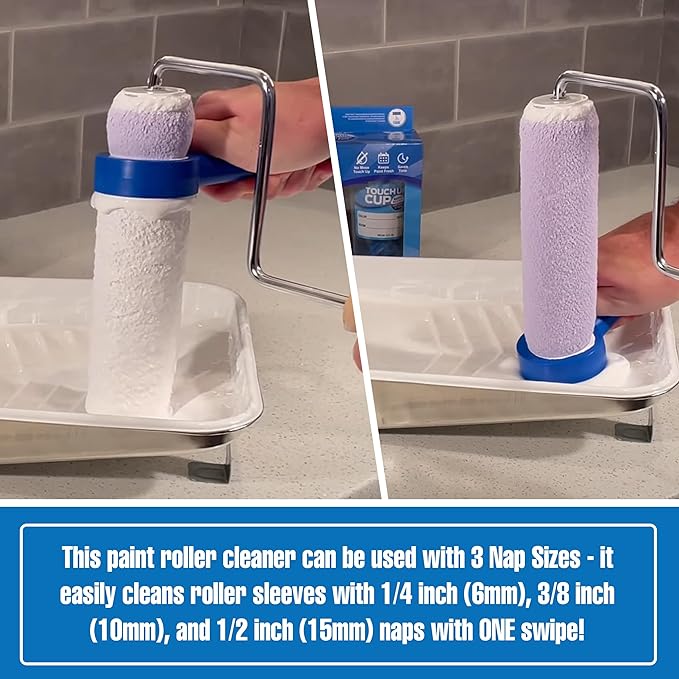
- Use a roller spinner. It speeds cleanup and saves the cover.
- Wrap for short breaks. Seal in plastic or a tight bag between coats.
5mm vs 10mm Paint Roller – Coverage, Finish & Expert Recommendations
Quick answers to common questions
- Do I need 10mm or 15mm for new drywall?
Use 10mm for a smooth finish. If the drywall is patched and porous, 15mm helps even it out. - Can I use 15mm on smooth walls?
Yes, but expect more texture. Switch to 10mm if you see stipple. - Is 10mm better for ceilings?
On smooth ceilings, yes. On light texture, 15mm is faster and covers better.
What is the difference between 10mm and 15mm paint rollers? It comes down to smoothness vs speed, and texture vs control.

Step-by-step selection guide
Use this quick path to pick right the first time.
- Test the wall with your hand. Is it smooth, light texture, or rough?
- Check sheen. Higher sheen needs a finer nap to avoid texture.
- Pick the cover.
- Smooth wall, eggshell or higher: 10mm.
- Light texture, flat or primer: 15mm.
- Do a 2×2 ft test. Roll, let it set for 5–10 minutes. Check for marks or stipple.
- Adjust if needed. Drop to 10mm for smoother, or go to 15mm for coverage.
If you still wonder, what is the difference between 10mm and 15mm paint rollers? Run the test patch. The wall will tell you.

Pro tips from the field
- Start with microfiber at 10mm for most new interiors. It is safe and clean.
- Switch to 15mm on thirsty repairs or light texture. You will save a coat.
- Do not press hard to speed up. Load more often instead.
- Back-roll after spraying with 15mm on texture. It evens the look.
- Keep a damp edge on the cover. A dry nap causes drag and lines.
- Label your covers by room. Do not bring grit from rough rooms to fine trim.
From one tough job: A rental had chalky, patched walls. My 10mm left lap marks. I switched to a 15mm woven cover and a bonding primer. The wall evened out, and we finished a day early.
What is the difference between 10mm and 15mm paint rollers? The right one turns a struggle into a smooth day.

Frequently Asked Questions of What is the difference between 10mm and 15mm paint rollers?
What is the difference between 10mm and 15mm paint rollers?
10mm gives a smoother finish with less texture and splatter. 15mm holds more paint, covers faster, and hides minor flaws.
Which nap is best for smooth walls?
Use 10mm for smooth walls and higher sheens. It leaves fewer marks and a finer film.
Can I use 15mm for cabinets and doors?
It is not ideal. Use a 5–6mm or 10mm microfiber for a near-spray finish on doors.
Will a 15mm roller reduce lap marks?
Yes on porous or lightly textured walls. It lays a thicker, wetter film that stays open longer.
Does roller fabric matter as much as nap?
Yes. Microfiber reduces lint and texture at both naps. Woven polyamide boosts capacity and suits rough surfaces.
How much faster is a 15mm roller?
Often 10–20% faster on semi-rough walls, brand and paint depending. It reduces reloads and boosts coverage.
Will a 10mm roller work on light texture?
It can, but you may need extra coats. A 15mm cover is usually better for light texture.
Conclusion
Nap length sets the look, speed, and control of every coat. Use 10mm for smooth walls, clean lines, and sleek sheens. Use 15mm for light texture, thirsty walls, and fast coverage with fewer lap marks.
Do a small test, check the finish, and switch if needed. Make your next room look pro by matching nap to surface. Want more hands-on tips like this? Subscribe for guides, tools, and field-tested checklists.
Related posts:
 5 key Difference between Painting And Stucco-Whether you prioritize appearance, longevity, or budget
 5mm vs 10mm Paint Roller – Coverage, Finish & Expert Recommendations
 Best Paint Roller – Expert-Tested Rollers for Walls & Ceilings
 Can You Use A Roller With Eggshell Paint?– Best Rollers and Techniques Explained