
Confused between coating vs liquid painting? Coatings are protective layers, often thicker and more durable, applied to prevent corrosion, wear, or UV damage. Liquid painting, on the other hand, focuses on aesthetics—adding color and finish to surfaces. While coatings prioritize protection, liquid paints enhance appearance, though some modern paints offer both benefits.
Introduction — The Weekend Project That Started This Whole Debate
Picture this: It is a sunny Saturday morning. You have a rusty patio chair that is peeling, a mug of coffee going cold on the table, and you are standing in the hardware aisle. You are honestly stuck. Do you grab a spray can and hope for the best, or do you call a professional coater? This coating vs liquid painting debate is not just a technical puzzle—it is a practical one. It hits differently depending on what you are fixing, where it sits, and how long you need it to look good.
Best Powder Coating Gun (2026) – Budget to Pro-Level Choices | Expert-Tested
What This Section Covers
- Why the coating vs paint debate gets confusing (industry jargon can be a headache).
- Who this guide is for: DIYers, homeowners, and anyone tired of re-doing the same project twice.
- My promise: No fluff, no sales pitch—just a straight look at what works, where it wins, and where it fails.
What Is Liquid Painting? (And Why People Default to It)
Liquid painting is exactly what it sounds like. It is a pigmented liquid you apply to a surface using a brush, a roller, or a spray gun. It dries when the solvent evaporates or through a chemical reaction. Most people choose it because it is fast, easy to find, and works on almost anything. You can buy it at the store on a Tuesday and have a finished piece by dinner.
How Liquid Paint Actually Works
Think of paint as a film. You are spreading a wet layer that needs to turn into a solid, protective shell.
- Solvent vs. Water: Solvent-based paints are tough and smell strong—that sharp, chemical scent on a hot summer day is a classic memory for me. Water-based options dry faster and smell less.
- Film Thickness: You have “wet” thickness when you apply it and “dry” thickness once it cures. If the dry film is too thin, it just won’t protect the metal.
- The Clock: Drying time is when the surface feels dry to the touch, but cure time is when the paint actually reaches its full hardness. Do not rush this, or you will regret it.
Where Liquid Paint Is the Right Call
Liquid paint is the “Swiss Army Knife” of finishing. It is the best choice when:
- You are painting large structures like sheds, fences, or bridges.
- You cannot take the item apart (like a wall or a massive iron railing).
- You need to do a quick touch-up on something you already painted.
- You are working on a strict budget.
The Honest Downsides
I have been there: you spend all day on a project, only to see the finish fail. If you have ever watched paint peel off a wrought iron gate after one winter, you know the frustration.
- VOCs: Many paints release volatile organic compounds, which can be tough on your health and the environment.
- Messy results: It is easy to get drips, runs, or that bumpy “orange peel” texture if you aren’t careful.
- Prep work: If the surface is oily or dirty, the paint simply won’t stick. You usually need multiple coats to get it right.
What Is Coating? (It’s a Bigger Category Than You Think)
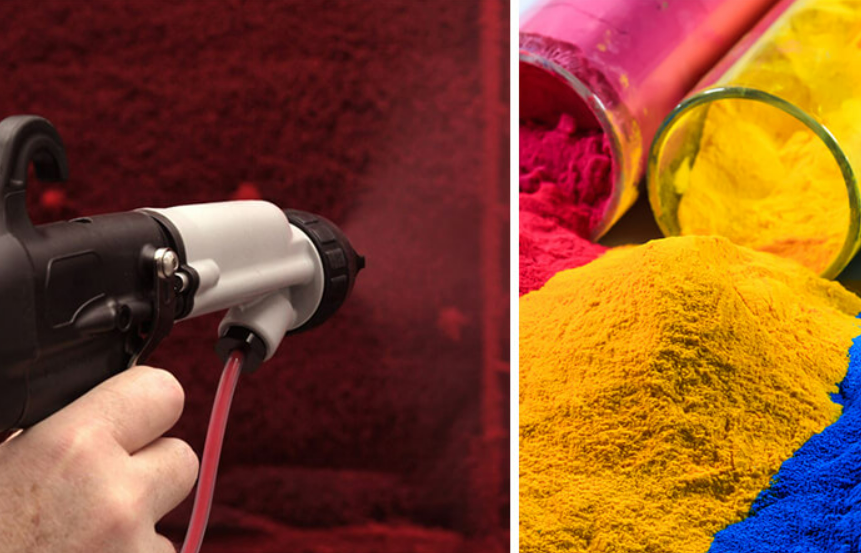
When we talk about “coating” in this comparison, we usually mean industrial-grade finishes like powder coating. While liquid paint is just one type of coating, the industry uses the term to describe high-performance systems that are, quite literally, built differently. These are designed to be much tougher than the standard paint you find on a shelf.
Powder Coating Vs. Paint(2026)- Cost, Durability & Appearance Compared
Powder Coating — The Star of the Show
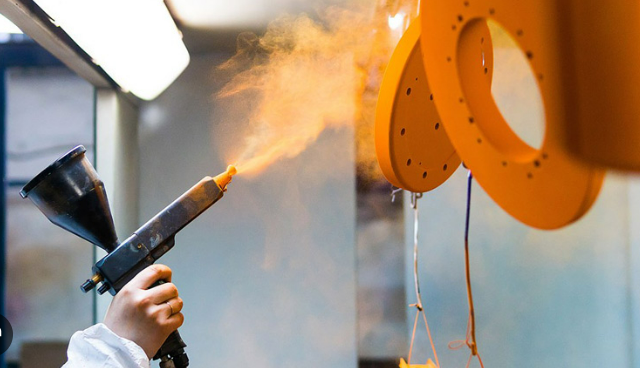
This is the gold standard for durability. Instead of a liquid, you use a dry powder applied with static electricity. Then, you bake it in an oven at 350–400°F.
- No Solvents: Since there is no liquid to evaporate, you don’t get the same shrinkage as paint.
- The Feel: Ever touched a powder-coated bike frame? That smooth, almost rubbery, yet rock-hard texture—that is the “cure” doing its job perfectly. It creates a continuous, uniform shell.
Other Coatings Worth Knowing
- Epoxy: The king of chemical resistance. It is what you want on a garage floor that sees oil spills every day.
- Ceramic: Famous in the car world for standing up to extreme heat and blocking UV rays.
- E-coat: This is an invisible, high-tech layer often found on the underside of cars to stop rust before it starts.
Where Coating Wins
In my experience, professional finishers often find that powder-coated outdoor furniture in coastal climates can outlast liquid-painted items by 3–5 years. It is the clear winner for:
- Metal parts that take a beating (like car wheels or HVAC units).
- Areas with high humidity or salt air.
- Parts exposed to constant UV light or physical bumps.
- Any project where you want a “set it and forget it” finish that lasts over a decade.
Coating vs Liquid Painting: The Direct Comparison
Choosing between coating vs liquid painting depends on your specific needs for longevity and budget. Generally, liquid paint offers lower upfront costs and easy DIY repairs, while industrial coatings like powder provide vastly superior durability and chemical resistance for metal assets. For most residential projects, paint is sufficient, but high-wear metal parts exposed to harsh environments almost always perform better with a professional coating system.
Durability & Longevity
When you want a finish that lasts, the difference is stark. On properly prepped metal, powder coating boasts a 15–20+ year lifespan. In contrast, liquid paint typically holds up for 5–10 years in moderate conditions. If your project faces UV rays or salt air, paint is 3 times more likely to chalk or yellow over time compared to a high-quality powder finish.
Cost — Upfront vs Long-Term
Think of this as a “pay now or pay later” situation. Liquid paint has a low initial price, making it great for a single garden chair. However, powder coating is an investment. For a fleet of 50 metal parts, the upfront cost of powder coating usually pays for itself in just 3–4 years because you save on the labor and materials needed for frequent repainting.
Application Complexity
This is where DIYers usually hit a wall. You can apply liquid paint with a brush or spray can on a Tuesday afternoon. Powder coating, however, requires specialized tools—an electrostatic gun and a curing oven—plus intense surface prep. If you need to fix a small scratch, liquid paint is easy to touch up. A powder-coated part often requires a full strip and re-cure.
Environmental Impact
We are seeing a major shift here. Traditional solvent-based paints can contain 300–600 g/L of VOCs, which are harmful to the air we breathe. Powder coating is a cleaner alternative, often hitting 0 g/L VOCs because it uses no solvents. Even better, powder overspray can be collected and reused, with some systems achieving up to 95% transfer efficiency.
Substrate Compatibility
The most important rule in the coating vs liquid painting debate is knowing your surface. Liquid paint is a true all-rounder; it works on wood, concrete, plastic, and drywall. Powder coating is much pickier. It requires a conductive substrate, which means it is essentially limited to metal. If your project is made of wood or plastic, liquid paint is your only real choice.
Surface Prep — The Step Everyone Skips (And Regrets)
No finish, whether it is coating or liquid painting, will last without proper surface prep. This is the secret step that separates a five-year finish from one that fails in just five months. Whether you are using high-end industrial systems or a simple spray can, the condition of the surface underneath matters far more than the product you apply on top.
Prep for Liquid Painting
If you want your liquid coating to stick, you must start with a clean slate. I always make sure to degrease the item thoroughly to remove hidden oils.
- Sanding: Use 80–120 grit sandpaper to create a profile the paint can grab.
- Priming: On bare metal, a good primer is mandatory to stop “rust creep.”
- Common Mistakes: Never paint over old, flaking layers, and please do not skip the primer on galvanized steel.
Prep for Powder Coating
Powder coating is even less forgiving than paint, so the prep work must be perfect. If you skip this, there are no second chances once the part is cured.
- Pretreatment: Professional shops use iron or zinc phosphate baths to ensure a chemical bond.
- Blasting: Media or sandblasting removes old scale and rust effectively.
- Outgassing: Cast metals are notorious for trapping air. If you do not pre-bake them to release these gases, you will see bubbles and pits. I have seen cast iron pieces look like they boiled, and let me tell you, it is not a pretty sight.
Industry-Specific Use Cases — Where Each Method Dominates
The choice between a protective coating or liquid painting usually comes down to your industry and the specific demands of the part. While liquid paint offers great versatility for architectural work, powder coating is the standard for high-wear industrial and consumer goods. Knowing which method fits your project is the best way to ensure your hard work stands the test of time.
Automotive
- Body Panels: Liquid paint is the winner here because basecoat-clearcoat systems provide deep color and are easy to repair if you get a scratch.
- Chassis Parts: Wheels and suspension components get powder coated. It offers 30–50% better abrasion resistance than liquid paint against road debris.
Architectural & Construction
- Structural Steel: High-performance liquid paint with zinc-rich primers is standard for bridges and large buildings.
- Window Frames: Aluminum frames almost always use powder coating to maintain tight tolerances and a consistent, fade-resistant color.
Consumer Products & Furniture
- Outdoor Metal Furniture: Powder coating is preferred for longevity in your backyard.
- Wood: If you are finishing wood or composite materials, stick with liquid paint or stains. There is simply no alternative for these surfaces.
DIY & Home Projects
We all know that long weekend in May when everyone suddenly decides to repaint their fence. For those garden tools or patio sets, liquid paint is perfectly adequate and easy to manage. If you are restoring a bike frame that needs to last for years, find a professional for powder coating. But for a quick refresh? A rattle can is your best friend.
Color, Finish, and Aesthetics — Because Looks Actually Matter
Performance is key, but we all want our projects to look great. Whether you are finishing a product for retail or just repainting your mailbox for the holiday, the final look is a huge part of the process. Liquid painting and industrial coating handle color, sheen, and texture in very different ways, and choosing the right one can completely change the vibe of your finished piece.
Color Range & Consistency
Liquid paint is the clear winner for variety. You can walk into almost any store and find custom-mixed colors in seconds. If you want specific metallic or pearlescent effects, liquid paint makes it simple. On the other hand, powder coating is incredibly consistent across a batch. Because it uses an electrostatic application, every single part comes out looking identical, which is why manufacturing lines prefer it.
Finish Options
Both methods give you standard options like matte, satin, or gloss. However, powder coating brings some unique textures to the table. I love working with wrinkle finishes, veins, and hammer tones. These are great at hiding minor surface flaws. Liquid paint is better if you need wood grain effects or translucent stains that show off the beauty of the material underneath.
Texture & Touch Feel
Powder coating creates a thicker, more tactile film. If you run your hand over a wrinkle-finish powder coat on a toolbox, you will notice the texture feels intentional and very tough. Liquid paint usually results in a thinner, smoother film. Be careful, though—both methods can suffer from “orange peel,” but it is much easier to sand and buff out in a liquid paint job.
Environmental & Health Considerations
Regulatory pressure on VOC emissions is changing how we approach finishing. If you are running a shop, you know that keeping your air quality high is not just a legal requirement—it is vital for your health and your bottom line. I have seen the industry shift toward cleaner options, and it is a change that makes every job site safer and more sustainable for everyone involved.
VOCs and Air Quality
Traditional solvent-based paints are heavy on Volatile Organic Compounds, often containing 300–600 g/L. That is high. Water-based paints have cut that down to 50–150 g/L, which is a major win. The real star, though, is powder coating. It has 0 g/L of VOCs because it uses no solvents at all, making it a favorite for meeting strict EPA NESHAP standards.
Worker Safety
Working with liquid paint requires respirators and intense ventilation to avoid inhaling harmful fumes. Flammability is also a real fire risk with solvent-based products. Powder coating removes the inhalation risk of solvents, but the fine dust still needs careful handling. Both require the right gear, but I have always felt more comfortable working in a shop that uses powder to avoid those harsh chemical smells.
Waste and Disposal
Disposal is where the costs and environmental impact really diverge. Overspray from liquid paint is classified as hazardous waste and can be expensive to dispose of properly. With powder coating, you can actually collect and reuse the overspray. Many professional systems now achieve up to 95% transfer efficiency, meaning almost nothing goes to waste. It is cleaner, smarter, and much better for the planet.
Cost Breakdown — What You’re Actually Paying For
Talking about money is never fun, but it is necessary. When comparing coating vs liquid painting, you have to look beyond the price tag on the can. You are paying for the total lifecycle cost, including labor, maintenance, and how often you will need to redo the job. While paint is cheaper today, high-performance coatings often save you money over a decade by reducing the need for constant repairs.
Liquid Paint Cost Factors
Paint is very budget-friendly for small jobs. Expect to pay about $15 to $80 per gallon depending on the quality.
- Labor: This is your biggest cost. Multi-coat systems take a lot of time.
- Equipment: A basic spray gun costs around $50, but pro-grade setups can go over $500.
- Maintenance: In moderate climates, plan to repaint every 5–8 years.
Powder Coating Cost Factors
Powder coating is an investment. If you are doing this yourself, setting up a booth and oven can cost anywhere from $1,000 to over $10,000.
- Per-Part Cost: Outsourcing to a job shop usually runs $50–$150 per part.
- Long-term Value: Because powder coating is so durable, it can last over 10 years without needing a touch-up, which is a massive win for your long-term maintenance budget.
Total Cost of Ownership
If you look at the math over a 10-year window, powder coating often wins despite the higher starting price. For a single garden chair on a quiet holiday weekend, stick with spray paint—it is more cost-effective. But if you have metal assets in harsh, salty, or busy environments, powder coating typically pays for itself in just 3–5 years. Your mileage will vary, but choosing the right method upfront always saves headaches.
How to Choose: A Practical Decision Framework
You do not need a massive checklist to decide between coating vs liquid painting. I always tell friends to follow a simple flow: start with your surface material, look at where the item will live, and then think about your volume. If you follow that path, the answer almost always reveals itself without any stress.
Decision Tree — Quick Version
- Is it wood, plastic, or concrete? Use liquid paint. It is your only real choice.
- Is it a quick touch-up or a one-time project? Liquid paint wins again.
- Is it metal that needs to last over 10 years outdoors? Go with powder coating.
- Are you running 50+ identical parts? Powder coating is the clear winner for scale.
- Is the environment really harsh? Use an industrial-grade coating system.
Questions to Ask Yourself
Before you buy anything, ask these four questions:
- What is the part actually made of?
- Where will it spend its life (indoors, outdoors, or in a coastal area)?
- How many years do I need this to last?
- Is it possible to take the part apart for an oven cure?
When a Hybrid System Makes Sense
Sometimes, the best approach is to combine methods. In the automotive world, manufacturers use an e-coat primer followed by a liquid topcoat for the best of both worlds—corrosion protection and color depth. Structural steel builders often use a heavy-duty liquid zinc primer topped with a powder coat. Pros use these hybrids because they know that layering the right protection is the best way to make a finish last for a lifetime.
Common Mistakes — And How to Avoid Making Them
I have learned the hard way that a beautiful finish is only as good as the work you put in before you start. Whether you are dealing with liquid paint or an industrial coating, skipping steps is the number one reason for early failure. I have seen countless DIY projects peel after one winter because the surface prep was ignored. Don’t let your hard work be for nothing.
Mistakes with Liquid Painting
Most paint problems happen because the surface was not ready to receive the product.
- Skip the grime: If you paint over invisible oils or dust, it will not stick. Always use a solvent wipe first.
- The primer rule: Skipping primer on bare metal means you will see rust creep back in within months.
- Too thick: Applying paint in one heavy coat usually leads to drips and long cure times.
- Patience: If you recoat before the first layer is fully cured, you might trap solvents, leading to a soft, tacky finish.
Mistakes with Powder Coating
Powder coating seems easy, but it is not a fix-all for a bad surface.
- Prep first: The curing oven cannot fix what you missed during the cleaning stage.
- Outgassing: If you try to coat cast metal parts without pre-baking them to release trapped air, the surface will look like it boiled. It is a messy, bubbly mistake you cannot easily hide.
- The “overcoat” trap: Trying to spray powder over old paint just traps your past mistakes under a new layer. They will almost always come back to haunt you, usually by bubbling up when the heat hits them.
Frequently Asked Questions
People ask me the same questions every spring when the weather warms up and the projects begin. Here is the straight talk on what I have seen work best.
Is powder coating stronger than liquid paint?
Yes, in almost every test. It is roughly 3–4 times more resistant to impact and chips than standard liquid paint.
Can you paint over powder coating?
You can, but you must scuff it up with sandpaper first so the new paint has something to grip.
Is powder coating good for wood?
Not usually. Most powders require a metal surface and high heat to cure, which would ruin wood or plastic.
Which is better for outdoor furniture?
If you live near the coast, pick powder coating. It offers much better salt-spray resistance, often lasting 3–5 years longer than liquid paint in harsh air.
Does powder coating chip?
It can, especially on sharp edges where the coating is naturally thinner. However, its chip resistance is still significantly higher than almost any liquid paint on the market.
Conclusion — The One-Sentence Answer
If your project is metal, lives outside, and needs to last for a decade, go with a protective coating. If you are working on wood, need a custom color, or are just doing a quick weekend refresh on a budget, stick to liquid paint.
If you are standing in the hardware aisle on a Saturday morning with a coffee and a peeling patio chair, don’t overthink it—a good spray paint is just fine. Not every project needs to be a complex engineering decision. You now have the knowledge to pick the right path for your specific needs. Good luck with the project!
Related posts:
 Best Nap for Painting Walls– Choosing the Right Roller for Every Wall Type
 How To Use Oil Paint On Wood– Prep, Painting & Step-by-Step Guide for a Smooth Finish
 Best Powder Coating Gun (2026) – Budget to Pro-Level Choices | Expert-Tested
 What Is a Roller Nap? – Choosing the Perfect Roller for Walls and Ceilingswhat is a roller nap?