Emulsion Paint vs Distemper Paint: The main difference lies in durability, finish, and cost. Emulsion paint is water-based, highly durable, washable, and provides a smooth, long-lasting finish, making it ideal for modern interiors. Distemper paint, on the other hand, is more affordable but less durable, offers a matte finish, and is not easily washable. While emulsion paint is better for long-term results, distemper paint is often chosen for budget-friendly or temporary painting projects.
Understanding the Basics: What Are Emulsion and Distemper Paints?
When I first tackled painting my living room, I stood in the store feeling totally overwhelmed by the options. Emulsion paint is a modern, water-based choice that gives smooth, long-lasting finishes, while distemper paint is a traditional, chalky option often used in older homes for its beautiful matte look. Choosing between them really comes down to your specific walls, your daily lifestyle, and even your own weekend DIY energy.
What Is Emulsion Paint?
I’ve found that emulsion is my go-to for most projects because it is so reliable.
- Composition: It is water-based, which makes cleanup much easier than oil-based alternatives.
- Finish: It offers a smooth, professional-looking finish that can be matte, silk, or satin.
- Performance: It is highly durable and washable. In my house, it survives accidental scuffs from the dog and kids, lasting roughly 5–10 years before I even consider a refresh.
- Best Use: It is perfect for high-traffic areas like living rooms, hallways, and busy kitchens.
What Is Distemper Paint?
Distemper feels like a trip back in time, and I love using it when I want a room to feel cozy and historic.
- Composition: This is a traditional, chalky paint, often made with lime or natural binders.
- Finish: It provides a distinct, soft, matte look that you just cannot get with modern paints.
- Performance: It is less durable and definitely not washable—if you scrub it, it usually comes right off! Because of this, it often needs touch-ups after 1–3 years.
- Best Use: It works best in low-traffic spaces, like a quiet guest room or for fun, temporary decorative wall projects where you want a bit of vintage charm.
Key Differences Between Emulsion and Distemper Paint
The main differences are durability, texture, cost, and maintenance. While emulsion paint lasts for years and resists stubborn stains, distemper gives a soft, vintage vibe but can peel if exposed to moisture. I like to think of emulsion as my daily morning coffee—reliable and steady—while distemper is that nostalgic weekend treat: charming and full of character, but definitely a bit more delicate to handle.
Durability and Lifespan
When I painted my hallway, I needed something tough. Emulsion is the clear winner here, typically lasting 5–10 years. It stands up well to daily life, resisting scratches and humidity. In contrast, distemper has a shorter lifespan of 1–3 years. Because it is more fragile, you might find yourself doing touch-ups far more often than you’d like.
Appearance and Finish
The look of these paints is worlds apart. Emulsion provides a smooth, vibrant, and consistent finish that looks great in modern homes. Distemper, however, offers a matte, chalky, and slightly textured look. I find that distemper adds an undeniable “old-world” charm to a room, whereas emulsion is perfect if you want a sleek, contemporary style.
Cost Comparison
Budgeting is always part of the fun, right? Distemper is significantly cheaper upfront, which is tempting for smaller projects. However, emulsion is often the better long-term investment. While the initial material cost is higher, the fact that it lasts three to five times longer than distemper means you won’t be spending your hard-earned money or time on repainting nearly as often.
Maintenance and Cleaning
This is where my daily habits come in. Emulsion is incredibly easy to clean; a quick wipe with a damp cloth usually does the trick. This is a lifesaver with pets or kids running around. Distemper is much more sensitive. You really can only perform gentle dusting. If you try to scrub a distemper wall, you risk removing the paint entirely.
Coating vs Liquid Painting – Expert Guide to Choosing the Best Finish
Practical Use Cases: Where Each Paint Shines
Your ideal choice often comes down to your unique lifestyle, specific room usage, and even how you plan to spend your upcoming holidays. For a bustling family room that sees constant action, emulsion paint is the clear winner. However, if you are setting up a quiet, rustic home office or planning a creative weekend DIY project, distemper adds a layer of timeless charm and personality that emulsion simply cannot replicate.
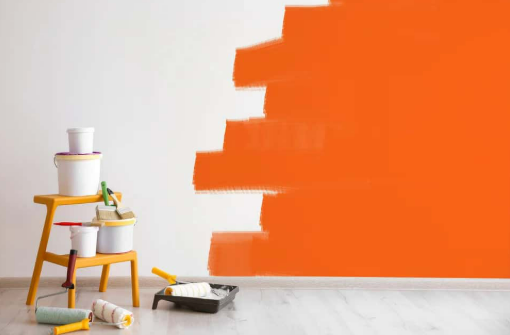
Best Rooms for Emulsion Paint
I recommend emulsion for any space that takes a beating. Its durability is unmatched; it stands up to the daily chaos of a busy home.
- Kitchens and Bathrooms: It is moisture-friendly, so it won’t peel away after a hot shower or a steamy cooking session.
- Living and Bedrooms: These rooms usually see the most footfall, and emulsion keeps them looking fresh.
- Rentals: If you move often, this is the easiest paint to maintain or patch up.
Best Rooms for Distemper Paint
Distemper is my secret weapon for low-pressure environments. I use it when the “vibe” matters more than the durability.
- Guest Rooms: Since these rooms aren’t used daily, the paint stays pristine for years.
- Decorative Features: It is perfect for old homes or textured wall features where you want that soft, chalky aesthetic.
- Weekend Crafts: If you enjoy seasonal decor or quick DIY updates, distemper is incredibly fast and fun to apply.
Health and Environmental Factors
Emulsion paints are generally low-VOC, which makes them safer for your indoor air quality, while traditional distemper is often chemical-light but offers less protection against wall damage. If you are planning to paint during a holiday break, always consider the ventilation, the lingering smells, and the overall comfort of your family. It makes a big difference when you are living in the space while working.
VOC Levels and Air Quality
I always check labels for Volatile Organic Compounds (VOCs).
- Emulsion: Most modern brands offer low-VOC options, meaning you get minimal odor.
- Distemper: It is naturally almost odorless, which is great if you are sensitive to chemical smells.
- Safety Note: Regardless of the paint, I always keep windows open to ensure proper airflow, as even “low-odor” paint releases particles during the drying phase.
Eco-Friendliness
For the eco-conscious reader, the difference is clear.
- Distemper: It is often lime-based and biodegradable. It is essentially an ancient, green way to decorate.
- Emulsion: While synthetic, manufacturers have made huge strides. Many water-based options now have 30–50% fewer harmful additives than they did a decade ago, making them a much more sustainable choice for modern renovations.
Application Tips: How to Get the Best Results
Whether it’s a spontaneous weekend DIY project or a major home renovation, preparation is the secret to a professional finish. Emulsion paint demands well-primed walls, while distemper requires a smooth, dry surface to bond correctly. Honestly, painting your first wall can feel like a mini-marathon, but the smell of fresh paint is oddly satisfying. Just take it slow, stay organized, and enjoy the transformation.
Preparing Walls
I learned the hard way that you cannot skip the prep work.
- Cleaning: Remove all dirt, cobwebs, and loose, flaking paint before starting.
- Priming: Always use a high-quality primer for emulsion. It helps the paint adhere 30–40% better than applying it directly to bare drywall.
- Smoothing: For distemper, ensure the wall is perfectly smooth and dry; any bumps will show up instantly in that matte finish.
Painting Techniques
Every paint has its own personality, and you have to treat them differently.
- Emulsion: I prefer using a high-density roller for even strokes. Applying two thin coats usually gives 25% better coverage than one thick, messy coat.
- Distemper: A soft brush or a large sponge works best here. Use thin layers and be patient—multiple light coats are key to preventing a blotchy look.
- Drying: Rushing the drying time is a rookie mistake. Let the first coat set fully before adding the next.
Common Mistakes to Avoid
Avoiding these pitfalls will save you a massive headache on a Sunday afternoon:
- Skipping Primer: Without primer, emulsion can peel within 6–12 months in humid spots like kitchens.
- Damp Walls: Never paint over a damp surface. Moisture trapped under paint will cause bubbling, which is 100% avoidable if you wait for the wall to dry.
- Wrong Tools: Using a cheap brush can leave bristles in your finish. Spend a little extra on quality applicators; it’s worth the investment for a smooth, streak-free look.
Cost, Time, and Weekend DIY Considerations
Budget and time are usually the biggest factors when choosing paint. Emulsion requires more prep work but offers superior durability, while distemper is budget-friendly and fast, perfect for a Saturday project with music and a hot cup of coffee. Think about your current mood, your energy levels, and whether you prefer long-term maintenance or quick decorative wins to spice up your home.
Material and Labor Costs
I’ve learned that “cheap” can sometimes cost you more later.
- Emulsion: It has a higher upfront material cost. However, because it lasts 3–4 times longer than distemper, it saves you significant money over a decade.
- Distemper: It is very low-cost and beginner-friendly. If you are on a tight budget or working on a rental property where you won’t stay long, it is a smart choice.
Time Investment
Time is the one thing I never seem to have enough of during a busy holiday break.
- Emulsion: This process takes longer due to multiple coats and required drying times. You really need to set aside a full weekend to do it right.
- Distemper: This is incredibly fast to apply. You can often finish a small room in a single afternoon, making it ideal for those “quick fix” creative urges.
How Do I Get a Slight Texture with Just a Roller Nap? – Best Tricks Painters Use
Final Decision Guide: Emulsion vs Distemper for Your Home
If you want long-lasting, modern, and easy-to-clean walls, emulsion is your everyday hero. If you love vintage charm, weekend DIY fun, and budget-friendly pricing, distemper is your playful sidekick. Think about the mood you want, the room’s function, and even how a quick painting project might spice up a holiday weekend at home. It really comes down to your lifestyle and what you need from your walls.
Quick Checklist for Choosing
Before you head to the hardware store, I suggest running through this simple checklist to make the right call for your space:
- Wall Durability Needs: Does the room deal with kids, pets, or high traffic? If yes, emulsion is usually the only way to go for long-term protection.
- Budget and Frequency: Are you looking to save money now, or would you rather pay more upfront to avoid painting again for 5–10 years?
- Room Usage and Humidity: Is this a kitchen or bathroom where steam is a factor? Emulsion handles moisture 2–3 times better than traditional distemper.
- Personal Style Preference: Do you prefer a sleek, vibrant finish, or are you chasing that soft, matte, “old-world” charm that only distemper provides?
My Personal Takeaway
At the end of the day, I’ve found that there is no “wrong” choice—just a choice that fits your current season of life. When I’m tackling a busy hallway, I stick to high-quality emulsion because it saves me so much stress during the year. But when I’m working on a quiet guest room or a fun weekend craft project, I love the chalky, unique texture of distemper.
Take a moment to decide what your walls need most, grab your favorite drink, and enjoy the process of making your space feel like home!
FAQs on Emulsion Paint vs Distemper Paint
What is the main difference between emulsion paint and distemper?
Emulsion paint is water-based, durable, and washable, while distemper is chalky, matte, and less long-lasting. Emulsion suits high-traffic rooms, distemper works for low-traffic or decorative walls.
Which paint lasts longer, emulsion or distemper?
Emulsion paint can last 5–10 years with proper care, whereas distemper usually lasts 1–3 years before fading or peeling.
Is distemper cheaper than emulsion paint?
Yes, distemper is generally more affordable upfront, but emulsion saves money long-term because it requires fewer repaints.
Can I use distemper in a bathroom or kitchen?
Not ideal. Distemper is sensitive to moisture and may peel in wet areas. Emulsion is water-resistant and better suited for kitchens and bathrooms.
Which paint is more eco-friendly?
Distemper is often lime-based and biodegradable, making it eco-friendly. Some modern emulsions are low-VOC and safer for indoor air.
Can I clean walls painted with distemper?
Distemper is delicate and should only be dusted gently. Emulsion walls can be wiped or scrubbed with mild detergent.
Which paint is better for a weekend DIY project?
Distemper is beginner-friendly, quick, and budget-friendly, making it perfect for a fun weekend makeover. Emulsion takes more prep and patience but gives a polished finish.