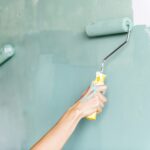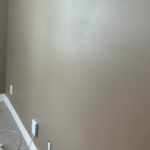
Eggshell paint can look patchy because of uneven application, poor surface preparation, or differences in how the paint dries on various areas of the wall. Since eggshell has a slight sheen, it highlights roller marks, overlapping strokes, and spots where the paint absorbs differently. Applying consistent coats, using a quality roller, and properly priming the surface can help achieve a smooth, uniform eggshell finish.
Best Paint for MDF Furniture Without Sanding – No Prep, Professional Results
If you’ve stared at blotchy walls and wondered, Why is my eggshell paint patchy?, you’re not alone. I’ve coached homeowners and pros through this many times. In this guide, I’ll explain what causes the patchiness, how to fix it fast, and how to prevent it next time. You’ll get real-world steps, tool picks, and pro tips you can trust.
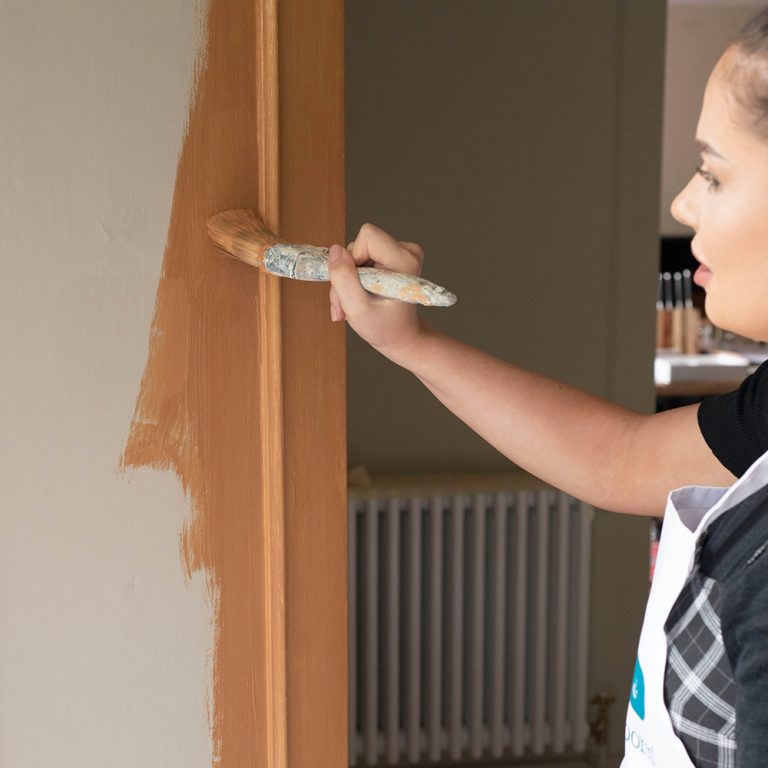
What “patchy” looks like on eggshell walls
Patchy eggshell paint shows up as uneven sheen or color. Some spots look dull. Others look shiny. You may also see lap marks, roller tracks, or darker bands where you cut in.
Common signs include:
- Flashing. Shiny or dull bands where repairs, primer, or brush work show through.
- Lap marks. Overlapping roller strokes that dried at different times.
- Holidays. Missed spots that did not get enough paint.
- Telegraphed patches. Drywall repairs that absorb paint faster and show outlines.
- Burnishing. Shiny rubbed areas after light cleaning or touch-ups.
Eggshell has a soft sheen. That sheen makes tiny differences in thickness or absorption easy to see. If you’re thinking, Why is my eggshell paint patchy?, these visual clues point to the cause.

Best Paint For Dressers Without Sanding – Durable Paints That Require No Prep
Main reasons your eggshell paint looks patchy
Here are the most frequent root causes I see on jobs:
- Uneven porosity. Bare drywall, spackle, or old flat paint absorbs more than primed areas. This creates flashing and dull zones.
- No primer or wrong primer. New drywall needs PVA primer. Stains need stain-blocking primer. Without it, sheen will vary.
- Cutting in too far ahead. The wall edge dries before you roll. That leaves a visible frame.
- Over-rolling or dry-rolling. Rolling when the paint is already setting leaves tracks and low-sheen patches.
- Thin application. Stretching a gallon too far lowers film build and makes coverage spotty.
- Cheap or low-solids paint. Lower volume solids mean weaker hide and uneven sheen.
- Wrong roller cover. A 3/8-inch microfiber is best for most eggshell walls. Too short or too long creates lines or orange peel.
- Poor mixing. Unmixed paint separates. Pigment and resin apply unevenly.
- Temperature or humidity swings. Hot, dry air sets paint fast. Humid bathrooms slow cure and cause surfactant streaks.
- Touch-ups over cured eggshell. Sheen rarely matches with a small dab. You often need corner-to-corner.
- Dirty or glossy surfaces. Grease, smoke, or semi-gloss undercoats need cleaning and scuff-sanding.
- Dark or deep colors. These show laps fast and may need a tinted primer and extra coat.
- Lighting. Side lighting from windows shows every lap line and repair edge.
If you keep asking, Why is my eggshell paint patchy?, one or more of the above is at play. Fix the root and the wall evens out.

How to fix patchy eggshell paint right now
Start simple. If that fails, move to a full wall repaint.
- Diagnose the cause
- Look for repairs, bare spots, or glossy zones.
- Check your roller nap and paint quality.
- Note temp and humidity.
- Try a light blend on small areas
- Let the wall cure at least 24 hours.
- Scuff-sand the shiny or dull edges with 220-grit. Feather the boundary.
- Wipe dust with a damp microfiber cloth.
- Spot-prime only porous patches with a quality primer. Let dry.
- Micro-roll the area with a small 3/8-inch microfiber roller. Feather into the surrounding paint while still wet.
- Repaint corner-to-corner if touch-ups show
- Box your paint. Pour all cans into one bucket and mix well.
- Cut and roll one section at a time. Keep a wet edge.
- Roll in a tight W or M pattern. Lay off in one direction with light pressure.
- Apply enough paint. Follow the coverage on the label. Do not stretch it.
- Let it dry per the label. Then add a second coat for uniform sheen.
- For stubborn flashing over repairs
- Prime the full wall with a high-quality primer for uniform porosity.
- Repaint the full wall. This is often the only way to match sheen on eggshell.
Pro tip from the field: If you wonder, Why is my eggshell paint patchy? after a second coat, give it time. Some eggshell paints even out as they cure over several days. But if the pattern is sharp and obvious on day one, plan on another coat or a full-wall prime.

Pro technique and tools to prevent patchiness
The right tools and habits end most issues before they start.
Tools that help:
- 3/8-inch premium microfiber roller for walls. Use 1/2-inch on light texture.
- Quality angled brush for cutting in.
- High-solids eggshell paint from a trusted brand.
- PVA primer for new drywall. Bonding or stain-blocking primer for slick or stained areas.
- Bright work light to spot laps and misses.
Prep that pays off:
- Clean walls with a mild degreaser where needed. Rinse and dry.
- Scuff glossy surfaces with 180–220 grit. Vacuum and wipe.
- Prime any repairs and bare spots. Prime full walls if porosity is uneven.
Application rules to live by:
- Box your paint. Stir well every 15 minutes.
- Work in small sections. Cut and roll the same area right away.
- Maintain a wet edge. Do not stop mid-wall.
- Load the roller well. Avoid dry-rolling. Lay off lightly in one direction.
- Respect recoat times. Most eggshell paints need 2–4 hours, but follow the label.
- Mind the environment. Aim for 50–85°F and 40–60% humidity.
- Target coverage. Most eggshell paints cover 300–400 sq ft per gallon per coat.
A quick story. I once led a repaint in a sunny stairwell. By noon, sunbeams baked one wall. Laps popped up like zebra stripes. We closed blinds, cooled the space, and worked corner-to-corner in small lanes. The stripes vanished. If you’re stuck asking, Why is my eggshell paint patchy?, check your light and room conditions first.
Special cases and how to handle them
Fresh drywall
- Use PVA primer first. It seals the paper and mud so paint lays even.
- Two finish coats after primer are normal.
Big repairs or skim coats
- Prime the full wall, not just the patch, to stop telegraphing.
- Sand smooth and check with a raking light before paint.
Bathrooms and kitchens
- Wash walls to remove steam residue or grease.
- Watch for surfactant leaching. If streaks appear, let dry, then rinse with warm water and a soft cloth.
Dark or rich colors
- Ask for a tinted primer close to the finish color.
- Plan on a third coat if laps show.
Old touch-ups over eggshell
- Small dabs rarely blend. Re-roll the full wall from corner to corner.
- If you still wonder, Why is my eggshell paint patchy? after touch-ups, stop spot work and repaint the whole plane.
Buying paint mid-project
- Different batches can vary. Box all gallons in one bucket.
- If you switch brands or sheens, expect to repaint full surfaces.
If any of these fit your room and you still ask, Why is my eggshell paint patchy?, your best fix is primer plus a full-wall repaint with tight technique.

Frequently Asked Questions of Why is my eggshell paint patchy?
Is eggshell harder to touch up than flat?
Yes. The soft sheen of eggshell makes touch-ups show. Full wall repaints blend better than small patches.
Can I fix lap marks without repainting the whole wall?
Sometimes. Lightly sand, spot-prime porous areas, and re-roll while keeping a wet edge. If the lines remain, repaint corner-to-corner.
Why did my wall look fine wet but patchy when dry?
Sheen evens out while wet. As it dries, thin or dry-rolled zones flash. Proper film build and a wet edge prevent this.
Do I need primer on previously painted walls?
If the old paint is sound and not glossy, you can skip full primer. But prime repairs, stains, and glossy spots to keep sheen even.
What roller cover is best for eggshell?
Use a quality 3/8-inch microfiber on smooth walls. Go to 1/2-inch for light texture to maintain even coverage.
Will a second coat always fix patchy eggshell paint?
Often, yes. If porosity is uneven or repairs show through, prime first, then add a second coat.
Why is my eggshell paint patchy in bright sunlight?
Strong side light reveals roller laps and repairs. Control light during painting, and lay off in one direction to hide tracks.
Conclusion
Patchy eggshell paint comes down to porosity, technique, and conditions. Seal repairs, use the right tools, keep a wet edge, and respect dry times. If the question Why is my eggshell paint patchy? keeps popping up, prime and repaint the full wall for a clean reset.
You can do this. Pick one wall, follow the steps, and watch the finish even out. Want more pro tips like this? Subscribe for guides, tool picks, and real fixes—then share your results or questions in the comments.