Eggshell paint is a type of interior finish with a low-sheen quality that resembles the surface of a real bird’s egg. It sits directly between flat (matte) and satin finishes on the reflectivity scale.
Choosing the right paint finish is just as important as picking the perfect color. When you walk into a freshly painted room, it’s not only the color that catches your eye but also how the light plays on the walls. This magic comes from the paint’s finish. Among the many options available, eggshell paint stands out for its subtle beauty and practicality. Whether you are updating your living room, painting a bedroom, or refreshing a hallway, understanding eggshell paint can help you make the best decision for your space.
Eggshell paint is often recommended by professionals and DIY enthusiasts because it strikes a balance between shine and durability. It’s not too shiny, not too flat—just right for many homes and spaces. But what exactly is eggshell paint? How does it compare to other finishes?
And when is it the best choice? If you are new to painting or want to learn more before your next project, this guide will answer all your questions about eggshell paint, its uses, benefits, and how to get the best results.
What Is Eggshell Paint?
Eggshell paint gets its name from its finish, which looks similar to the surface of a real eggshell. If you look at an egg, you see a soft, gentle sheen—not shiny like glass, but not completely dull either. That is exactly what you get with eggshell paint. It has a low-to-medium level of gloss, which means it reflects a small amount of light.
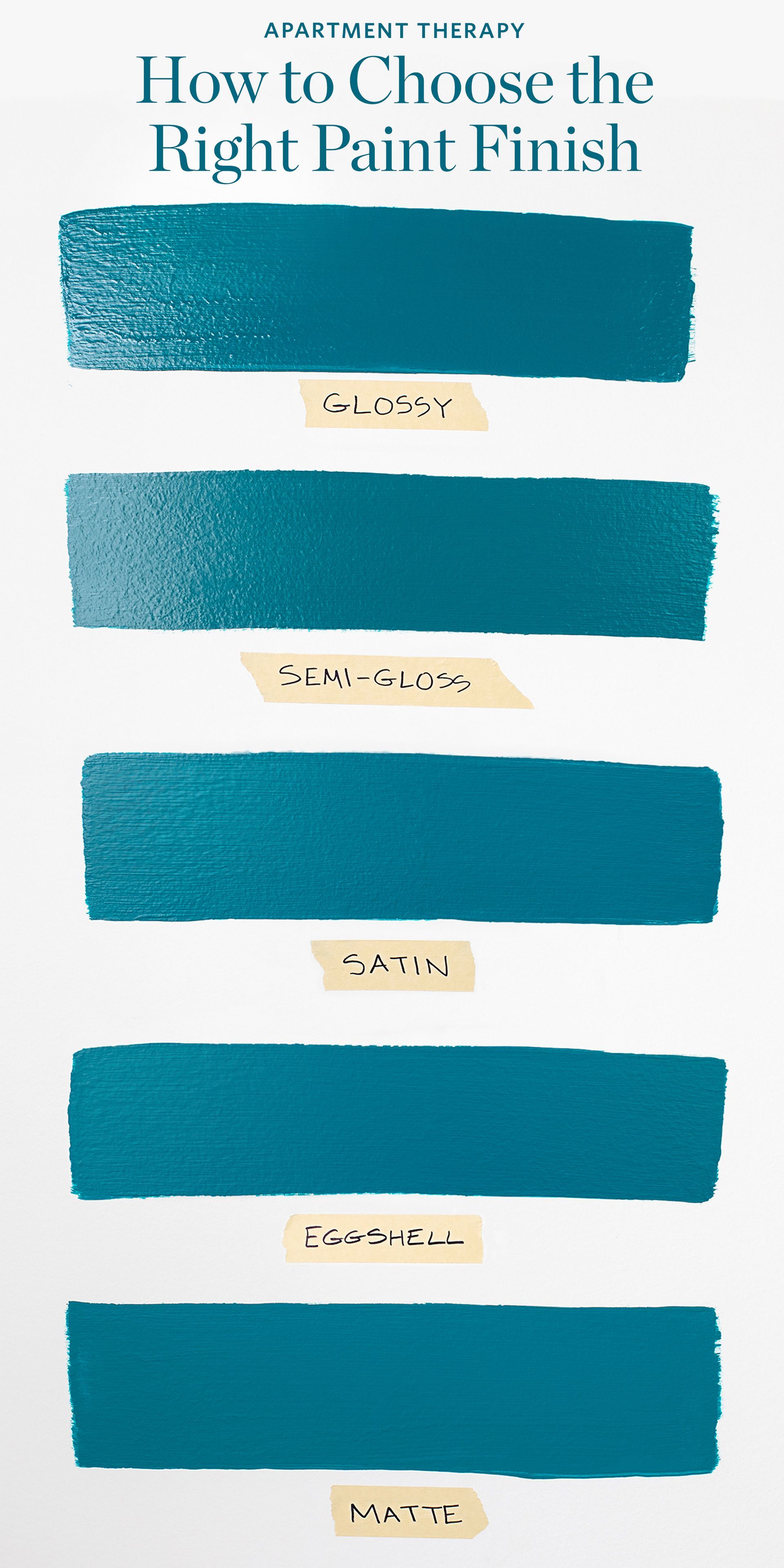
Most paint companies describe eggshell as having a sheen level of 10-25%, depending on the brand and formula. This means it is less reflective than satin or semi-gloss paints but a bit more than flat or matte paints. This sheen gives walls a soft glow and makes colors appear richer without highlighting every small mark or imperfection.
Eggshell paint is water-based (latex) or oil-based, but in modern homes, water-based eggshell is much more common. It dries quickly, has less odor, and is easy to clean up with soap and water. Oil-based eggshell is sometimes used in older buildings or for special projects, but it requires mineral spirits for clean-up and has a stronger smell.
Key Features Of Eggshell Paint
Eggshell paint is chosen for many reasons. Here are the most important features that make it popular:
- Subtle Sheen: It gives walls a gentle glow, not a mirror-like shine.
- Washability: Easier to clean than flat or matte paint, but not as resistant as satin or gloss.
- Hides Imperfections: The low sheen helps hide small dents, scratches, or uneven spots.
- Versatility: Works well on walls, ceilings, and sometimes even trim.
- Soft Finish: Colors appear more vibrant compared to flat paint, but without being too reflective.
These features make eggshell paint suitable for many rooms and surfaces.
Where To Use Eggshell Paint
Eggshell paint is a favorite for interior walls in many homes and buildings. Here are the best places to use it:
Living Rooms And Bedrooms
Eggshell paint is perfect for living rooms and bedrooms. These rooms do not usually get a lot of heavy wear, so eggshell’s balance between cleanability and elegance is ideal. The soft sheen adds warmth and depth to the walls, making spaces feel cozy and inviting.
8 Best Eggshell Paint for Bedroom – Soft Finish, Low Odor & Easy Maintenance
Hallways And Corridors
Hallways and corridors see more traffic and occasional bumps. Eggshell paint’s slight sheen makes it easier to wipe off fingerprints or marks than flat paint. At the same time, it doesn’t highlight every wall flaw, which is important in high-traffic areas.
Dining Rooms
In dining rooms, eggshell paint brings a touch of sophistication. The gentle shine works well under dining room lights, making the walls look soft and welcoming. It also handles the occasional food splatter better than flat finishes.
Ceilings (in Some Cases)
While most ceilings are painted flat white, eggshell can be used when you want a bit more light reflection. For example, in rooms with little natural light, an eggshell ceiling can help brighten the space.
Not Ideal For Kitchens And Bathrooms
Some people ask if eggshell paint is good for kitchens and bathrooms. While it can be used, satin or semi-gloss finishes are better for these areas because they resist moisture and are easier to clean. Eggshell can handle light cleaning but is not as durable against water and grease.
Eggshell Paint Vs. Other Paint Finishes
We tested the differences between paint finishes helps you pick the right one for each space. Here’s a detailed comparison:
| Finish Type | Sheen Level | Washability | Best For |
|---|---|---|---|
| Flat/Matte | 0-5% | Low | Bedrooms, ceilings |
| Eggshell | 10-25% | Medium | Living rooms, dining rooms, hallways |
| Satin | 25-35% | High | Kitchens, bathrooms, kids’ rooms |
| Semi-gloss | 35-70% | Very high | Trim, doors, cabinets |
| Gloss | 70%+ | Highest | Doors, furniture, accent walls |
Eggshell is a middle ground between flat and satin. It is less likely to show dirt than flat paint and easier to clean, but it is not as shiny or durable as satin or semi-gloss. For many homeowners, this makes eggshell the most attractive option for main living spaces.
Pros And Cons Of Eggshell Paint
Every paint finish has its strengths and weaknesses. Here’s a closer look at the pros and cons of eggshell paint:
Pros
- Attractive Appearance: The soft sheen looks high-end and suits many design styles.
- Hides Flaws: Minor wall imperfections are less visible.
- Easier to Clean than Flat: You can wipe off light marks or dust.
- Good Coverage: Usually covers well in one or two coats.
- Versatile Use: Suitable for many rooms and surfaces.
Cons
- Not as Durable as Higher Sheens: It can be damaged by heavy scrubbing.
- Not for Wet Areas: It doesn’t handle moisture as well as satin or gloss.
- Touch-ups Can Be Visible: It can sometimes show patchy touch-ups if not applied carefully.
- Limited Use Outdoors: Not typically recommended for exterior surfaces.
A non-obvious insight: Many beginners believe that eggshell paint can be scrubbed as easily as satin, but repeated hard cleaning can dull the finish or leave marks. For spaces where walls get dirty often, consider satin or semi-gloss instead.
How To Apply Eggshell Paint For Best Results
Getting a beautiful, smooth eggshell finish requires some care. Here are the steps and tips to achieve professional-looking results:
Preparation
- Clean the Surface: Dust, dirt, or grease can stop paint from sticking well.
- Repair Imperfections: Fill holes and sand rough spots. Even though eggshell hides flaws, large bumps or dents may still show.
- Prime if Needed: If painting over dark colors, stains, or bare drywall, use a primer.
- Tape Edges: Protect trim, ceilings, and outlets with painter’s tape.
Choosing The Right Tools
Use high-quality synthetic brushes for cutting in (painting edges and corners) and a medium-nap roller for walls. Cheap rollers can shed fuzz, leaving marks in the finish.
Painting Technique
- Stir the paint well before starting.
- Load the roller evenly, but don’t overload—too much paint causes drips.
- Apply paint in sections, working from top to bottom.
- Roll in a “W” or “M” pattern, then fill in the gaps to avoid streaks.
- Allow the first coat to dry fully (usually 2-4 hours) before adding a second coat if needed.
Avoiding Common Mistakes
- Don’t paint in very humid or cold conditions—this can affect drying and sheen.
- Avoid going back over areas that have started to dry, as this can create lap marks.
- If touching up, feather out the edges to blend with the rest of the wall.
A practical tip: For a uniform eggshell finish, keep a “wet edge”—always paint into a still-wet section, not a dry one. This reduces lines and creates a smoother look.
Eggshell Paint In Different Design Styles
Eggshell paint is popular because it fits so many interior design trends. Here are a few examples:
- Traditional Homes: The soft glow works well with classic colors and wood trim, giving a timeless look.
- Modern Spaces: Paired with bold colors, eggshell’s gentle sheen keeps walls looking fresh but not overpowering.
- Scandinavian Design: Light, neutral eggshell walls reflect natural light, making rooms feel bright and open.
- Farmhouse Style: Warm whites and pastels in eggshell finish create a cozy, inviting feeling.
This versatility is why designers and homeowners often recommend eggshell for large living areas.
Durability And Maintenance
Many people choose eggshell paint because it is easier to clean than flat paint. However, it’s important to know what to expect:
- Light Cleaning: Dust, fingerprints, and small marks can usually be wiped away with a damp cloth.
- Avoid Scrubbing: Strong scrubbing or using harsh cleaners can damage the finish.
- Touch-Ups: If you need to touch up a spot, use the same paint from the original can and apply carefully. Sometimes, new paint may look slightly different due to aging or sheen changes.
For homes with children or pets, eggshell is a smart choice for areas that need regular cleaning but do not get heavy wear and tear.
Cost Of Eggshell Paint
The price of eggshell paint depends on the brand, quality, and whether you choose water-based or oil-based. On average, a gallon of good-quality eggshell paint costs $25 to $50. This covers about 350-400 square feet per gallon, depending on surface texture and color.
Here’s a look at typical costs compared to other finishes:
| Finish | Average Price (per gallon) | Coverage (sq. ft.) |
|---|---|---|
| Flat/Matte | $20 – $40 | 350-400 |
| Eggshell | $25 – $50 | 350-400 |
| Satin | $30 – $55 | 300-350 |
| Semi-gloss | $35 – $60 | 250-350 |
Eggshell is usually slightly more expensive than flat paint but less than most satin or semi-gloss options. Remember, higher-quality paints may cost more but usually cover better and last longer.
How To Choose The Right Eggshell Paint
Not all eggshell paints are the same. Here’s what to look for when making your choice:
- Brand Reputation: Established brands like Sherwin-Williams, Benjamin Moore, and Behr often have more consistent quality.
- Washability: Some eggshell paints are specially made to be extra washable—check the label if you need this feature.
- Color Selection: Some brands offer more color choices or unique shades.
- VOC Levels: Choose low-VOC or zero-VOC paints for better indoor air quality, especially in bedrooms or homes with kids.
- Application: Some paints are easier to apply smoothly, especially if you are a beginner.
Non-obvious insight: Many people choose paint based only on color. However, reading online reviews or talking to professionals about how the paint actually performs can save you money and frustration in the long run.
8 Best Eggshell Paint for Living Room – Designer-Recommended Choices
Environmental And Health Considerations
Paints have changed a lot in recent years. Many older paints had high levels of volatile organic compounds (VOCs), which can cause health problems and bad smells. Today, many eggshell paints are available in low-VOC or zero-VOC formulas.
- Low-VOC paints have less odor and are safer for indoor use.
- Zero-VOC paints are best for bedrooms, children’s rooms, or anyone sensitive to chemicals.
When buying eggshell paint, check the label for VOC information. Ventilate the room well during and after painting, even with low-VOC products.
Eggshell Paint For Diy Projects
Eggshell paint is not just for walls. Many creative people use it for furniture, craft projects, or even small decorative items. It provides a smooth, soft finish without being too shiny.
A few ideas for using eggshell paint beyond walls:
- Painting old wooden chairs or tables for a fresh look.
- Giving cabinets a subtle update (although more durable finishes are better for kitchens).
- Painting picture frames or shelves to match your room.
For furniture or high-use items, consider adding a clear protective topcoat for extra durability.
:max_bytes(150000):strip_icc()/what-is-eggshell-paint-5113731-hero-8303b88981d340e782d3e95a8a6ba6d4.jpg)
Common Myths About Eggshell Paint
There are several myths about eggshell paint that can lead to confusion. Let’s clear up some of the most common:
- Myth: Eggshell is just for walls.
- While walls are the most common use, it can also be used on ceilings, furniture, and more.
- Myth: Eggshell paint can handle heavy scrubbing.
- It is more washable than flat, but not as tough as satin or gloss.
- Myth: All eggshell paints look the same.
- Different brands and formulas can vary in sheen, color, and durability.
- Myth: Touch-ups are always invisible.
- Sometimes, touched-up spots may look slightly different, especially if the wall has aged or gotten dirty.
Knowing these facts helps you set realistic expectations and choose the right paint for your needs.
Real-world Examples And Case Studies
Example 1: Family Living Room
A family with young children wanted a paint that looked elegant but could survive sticky fingers and the occasional crayon mark. They chose a high-quality eggshell paint for their living room. After one year, the walls still looked fresh, and most marks wiped off with a damp cloth.
However, a few areas needed touching up, and the color matched well because they kept leftover paint sealed.
Example 2: Rental Apartment Hallway
A landlord used eggshell paint in the hallways of a busy rental building. The soft sheen helped hide scuffs and dents from moving furniture. Tenants reported that walls were easy to keep clean, and the finish held up well for several years before needing repainting.
Example 3: Home Office
A remote worker painted their home office in a calming blue eggshell finish. The slight sheen made the room feel brighter without glare on computer screens. The paint helped cover old nail holes and uneven drywall, improving the overall look.
These examples show the flexibility and benefits of eggshell paint in different spaces.
Frequently Asked Questions
What Is The Main Difference Between Eggshell And Satin Paint?
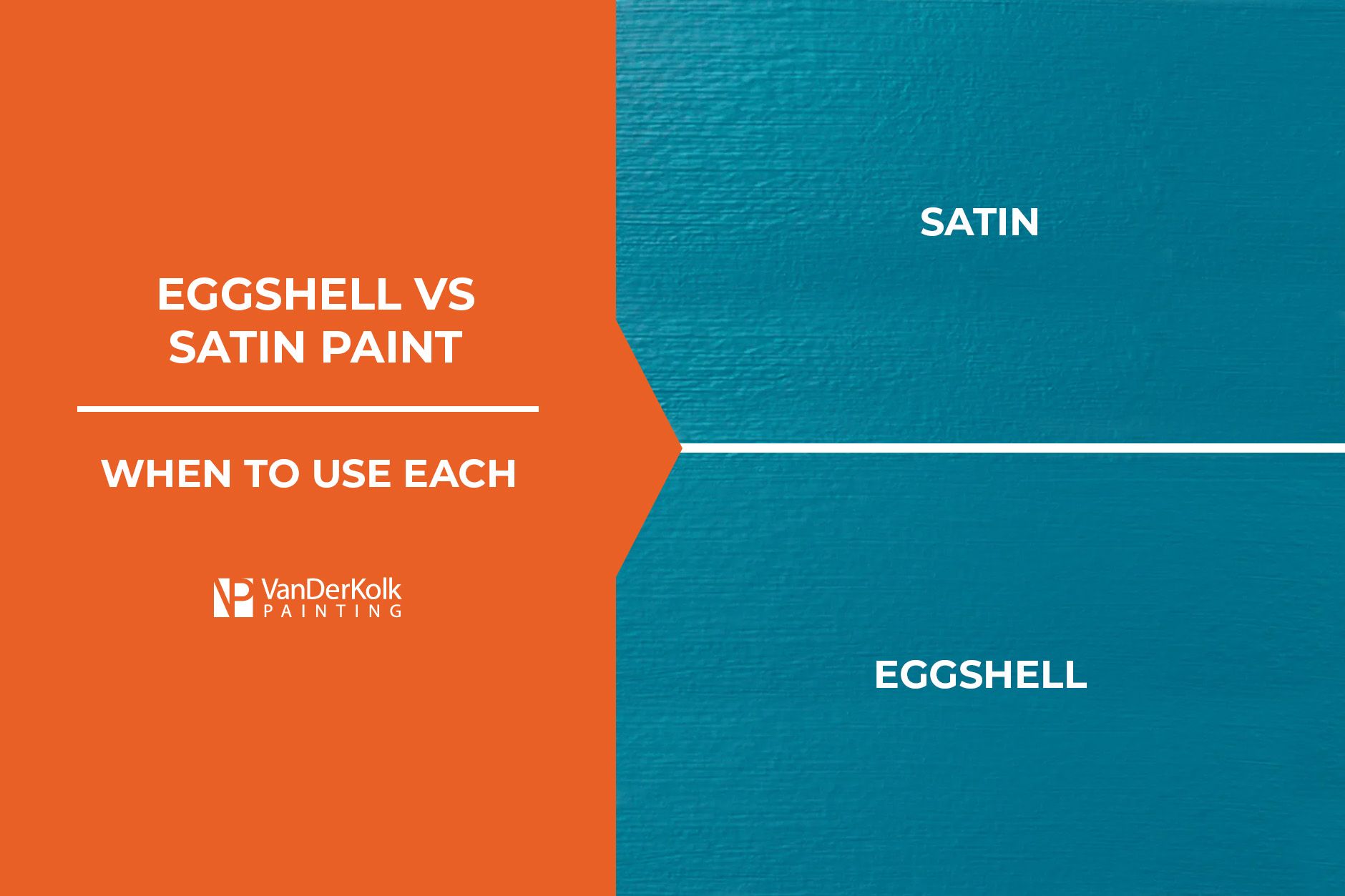
The main difference is the level of sheen. Eggshell has a soft, low sheen (10-25%), while satin is a bit shinier (25-35%). Satin is also more washable and durable, making it better for kitchens, bathrooms, or kids’ rooms. Eggshell is perfect for most living areas where you want a gentle glow.
Can You Use Eggshell Paint On Wood Trim Or Furniture?
Yes, you can use eggshell on wood trim or furniture, especially if you want a softer look. However, for areas that get a lot of touching or cleaning, satin or semi-gloss is a better choice because they resist wear better.
Is Eggshell Paint Suitable For Bathrooms And Kitchens?
Eggshell can be used in bathrooms and kitchens, but it is not the best choice. These rooms need a finish that handles moisture and cleaning—satin or semi-gloss works better here. If you do use eggshell, make sure your room has good ventilation and be gentle when cleaning.
How Long Does Eggshell Paint Take To Dry?
Most water-based eggshell paints dry to the touch in 1–2 hours and can be recoated after 2–4 hours. Oil-based eggshell takes longer—6–8 hours to dry, and 24 hours before recoating. Always follow the instructions on your paint can for best results.
How Do I Clean Walls Painted With Eggshell Paint?
For eggshell walls, use a soft sponge or cloth with mild soap and water. Gently wipe the area; avoid scrubbing hard. For tougher marks, try a magic eraser, but test a small spot first to make sure it doesn’t damage the finish.
Eggshell paint is a smart and stylish choice for many areas in your home. Its balance of beauty and practicality explains why it remains a top pick for homeowners and designers alike. For more in-depth technical information, you can visit the Wikipedia page on paint sheen. With the right preparation and a little know-how, eggshell paint can transform your space and keep it looking great for years.