Eggshell or satin for nursery paint? If you want a soft, low-shine look that is easy to clean, eggshell is a popular choice. However, if you prefer a bit more durability and a gentle sheen, satin finish is also excellent for nurseries. Both are safe for kids’ rooms if you choose low-VOC paint. The right pick depends on your style and cleaning needs.
Which Is Better: Eggshell Or Satin For Nursery Paint?
Eggshell is better if you want a calm, matte look with good cleanability. Satin is better if you need more durability and a slight shine. Both finishes are used in nurseries, but your choice depends on how much cleaning you expect and your style preference.
Eggshell has a soft, velvety finish. It hides wall imperfections and is less reflective, giving a cozy feel. Satin is slightly shinier, making colors a bit richer and rooms brighter. Satin is also easier to wipe down, so it’s good for high-traffic walls.
If your nursery will see a lot of fingerprints or crayon marks, satin makes cleaning easier. But some parents find the shine distracting, especially with colorful nursery lighting. Both finishes can be safe for babies if you use quality, low-VOC paint.
Best Eggshell Paints: Top Picks For Smooth, Durable Finish
What Is Eggshell Paint?
Eggshell paint has a low-sheen, soft finish that looks like the surface of an eggshell—neither flat nor glossy. It’s often used in living rooms, bedrooms, and nurseries for its gentle glow and ability to mask minor wall flaws.
The eggshell finish is subtle, making it a favorite for parents who want a calm, gentle look in the nursery. It doesn’t reflect much light, so it helps create a cozy atmosphere. Because of its low shine, eggshell paint can also hide small dents or uneven spots on the wall, which is useful in older homes.
While not as durable as satin, eggshell is easier to clean than flat paint—meaning you can wipe away most smudges or fingerprints with a damp cloth. For nurseries, this balance of beauty and practicality is often enough, especially if you prefer a classic, understated look.
What Is Satin Paint?
Satin paint has a soft sheen that sits between eggshell and semi-gloss. It’s more reflective than eggshell, giving the nursery a gentle glow and making wall colors appear a little brighter.
The satin finish is known for its durability. It stands up well to cleaning, so it’s a practical choice for spaces where kids play or touch the walls. You can easily wipe away stains, crayon marks, or spills without damaging the paint.
Satin also resists moisture better than eggshell, making it a good option if your nursery has higher humidity. However, satin’s slight shine can show wall imperfections more than eggshell. If your walls are smooth, satin can make the room feel more lively and fresh.
For busy families or nurseries where messes are likely, satin offers peace of mind with easier maintenance.
Eggshell Vs Satin: Key Differences
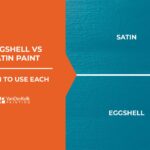
Eggshell and satin are both popular for nurseries, but they have clear differences in shine, durability, and appearance. Eggshell is less shiny and better at hiding wall flaws. Satin is shinier, more durable, and easier to clean.
To make it easy to compare, see the table below:
| Feature | Eggshell | Satin |
|---|---|---|
| Sheen | Low (soft glow) | Medium (gentle shine) |
| Durability | Good | Very Good |
| Cleanability | Wipes clean (most marks) | Wipes clean (easier, more marks) |
| Wall Imperfections | Hides small flaws | May highlight flaws |
| Best For | Calm, cozy nurseries | Active, high-traffic nurseries |
Eggshell is often chosen for its soft, classic look and ability to forgive wall imperfections. Satin wins when easy cleaning and a bit of shine are more important. The best choice depends on your lifestyle and what you want the nursery to feel like.
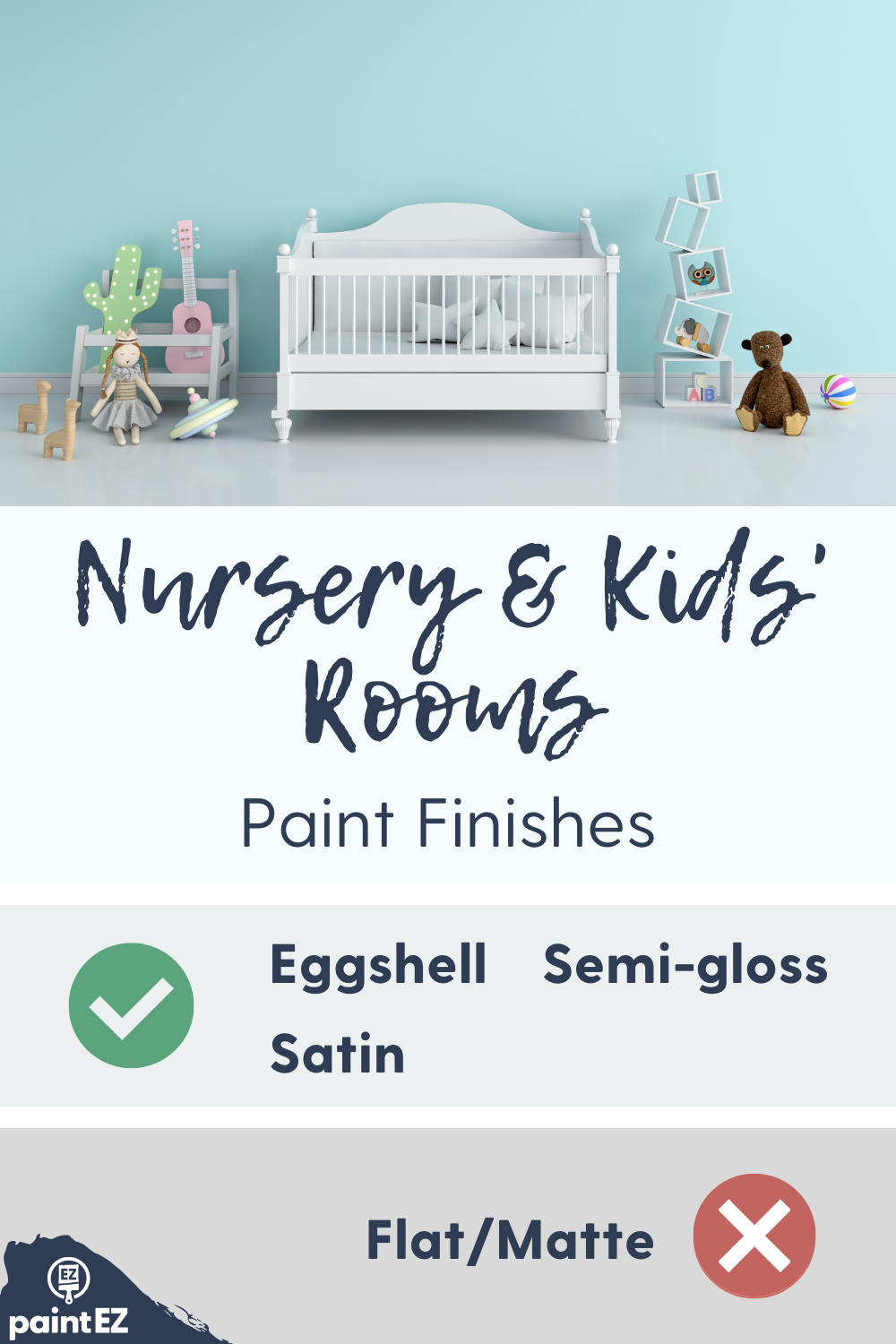
Safety And Health: Vocs In Nursery Paint
For nurseries, safety is as important as appearance. Choose low-VOC or zero-VOC paints in either eggshell or satin finish to protect your baby’s health. VOCs (volatile organic compounds) are chemicals that can make indoor air unhealthy.
Even more important than finish is the paint’s chemical content. High VOC paints can release fumes for months, which is not ideal for newborns or infants. Both eggshell and satin paints are available in low- or zero-VOC formulas from most major brands.
When painting a nursery, always check the label for VOC content. Allow plenty of ventilation during and after painting. If possible, finish painting several weeks before the baby arrives, so the room airs out fully. For extra safety, choose paints labeled as “certified asthma & allergy friendly” or those with Green Seal or GREENGUARD Gold certifications.
Cleaning And Maintenance In The Nursery
For nurseries, easy cleaning is essential. Satin paint is generally easier to clean than eggshell. Eggshell can be wiped clean, but repeated scrubbing may wear it down faster.
Nurseries can get messy—think milk splashes, diaper leaks, and colorful handprints. Satin’s harder finish resists these stains better and can handle more scrubbing. With eggshell, most everyday marks will come off with a damp sponge, but harsh cleaning or scrubbing can cause dull spots or remove paint over time.
For families with pets or multiple children, satin’s cleanability can be a big advantage. However, if you expect fewer messes or want a more muted look, eggshell can still work well.
Hiding Wall Flaws: Which Finish Wins?
Eggshell is better at hiding wall flaws. Its low sheen gently reflects light, making dents, patches, or uneven textures less obvious. Satin’s slight shine can make these flaws stand out more.
Many nurseries are in older rooms with walls that aren’t perfectly smooth. Eggshell’s soft finish helps create a consistent look, even if the surface isn’t perfect. Satin, while beautiful on smooth walls, will highlight bumps, cracks, or uneven patches because it reflects more light.
If you want a flawless look without repairing every small flaw, eggshell is usually the better choice. However, if your walls are new or freshly finished, satin’s lively glow can be a stunning effect.
Design And Style: Impact On Nursery Atmosphere
Eggshell and satin finishes change the look and feel of the nursery. Eggshell creates a calm, gentle atmosphere. Satin adds vibrancy and can make colors pop.
If you’re aiming for a soft, cozy nursery with pastel colors or traditional decor, eggshell is ideal. It reduces glare and gives a smooth, elegant feel. For modern nurseries, bright colors, or when you want wall art or murals to stand out, satin’s gentle sheen enhances color depth and makes the room feel more lively. Lighting also matters: satin’s shine will be more noticeable under direct lighting, while eggshell stays consistent in all light conditions. Think about your nursery’s overall style and how much energy you want the space to have.
8 Best Eggshell Paint for Living Room – Designer-Recommended Choices
Longevity And Wear: How Do They Age?
Satin paint is more durable over time than eggshell. It’s less likely to show wear, especially in high-traffic areas or places that need frequent cleaning.
Eggshell can last several years in a nursery with normal use, but heavy scrubbing or constant touching may cause it to fade or get shiny spots. Satin resists this better, keeping its appearance even after years of cleaning. If you plan for your nursery to become a toddler’s room later, satin will likely keep looking fresh longer.
However, if you expect to repaint as your child grows, eggshell can be a fine choice for its softer look.
Cost Differences: Eggshell Vs Satin
Eggshell and satin paints are similar in price, but satin is sometimes a bit more expensive. The difference is usually small—just a few dollars per gallon—but can add up for larger rooms.
Here’s a simple cost comparison for a standard nursery (about 350 square feet):
| Finish | Average Cost per Gallon | Coverage (sq ft/gallon) | Total Cost (2 gallons) |
|---|---|---|---|
| Eggshell | $30–$45 | 350–400 | $60–$90 |
| Satin | $32–$48 | 350–400 | $64–$96 |
The cost difference is small compared to the paint’s impact on your nursery’s look and function. Choose based on your real needs, not just price.
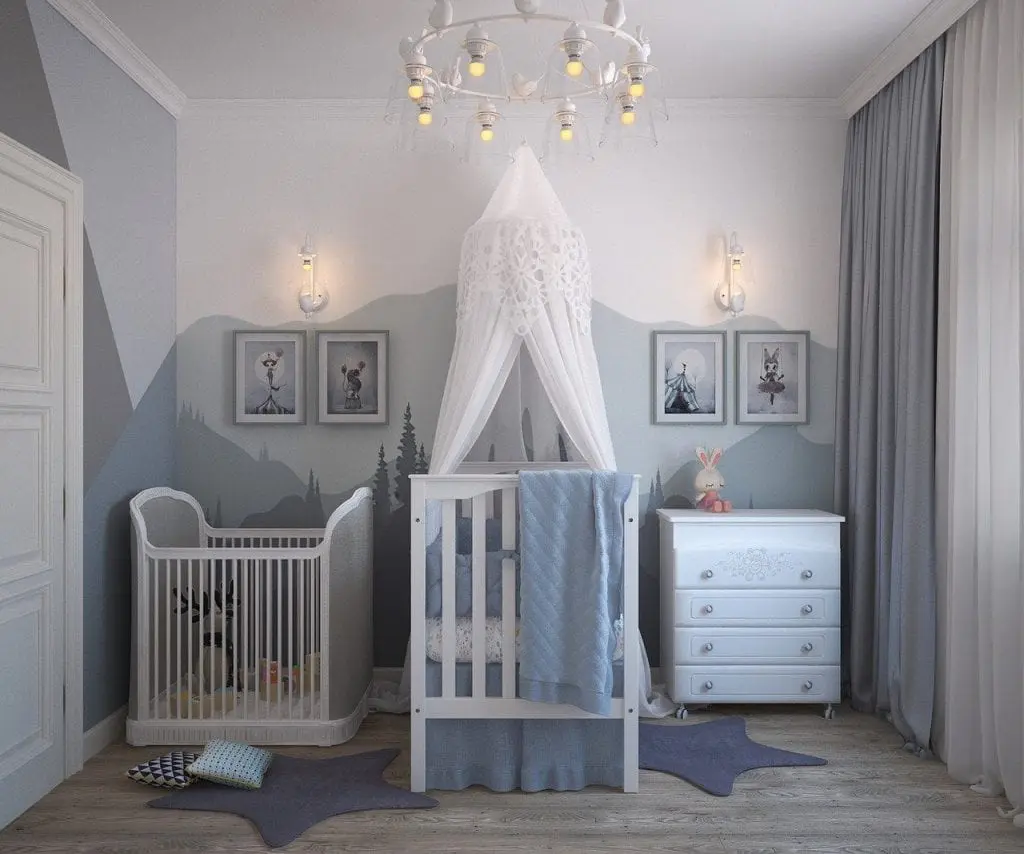
Common Mistakes When Choosing Nursery Paint Finish
Many parents make avoidable mistakes when picking a paint finish for the nursery. Here are the top things to watch out for:
- Choosing high-gloss paint – This shows every wall flaw and feels too harsh for a nursery.
- Ignoring VOC content – Always pick low- or zero-VOC paint for safety.
- Forgetting about cleaning – Nurseries get messy; pick a finish you can wipe clean.
- Not testing paint samples – Paint looks different on your walls than in the store.
- Overlooking lighting – Bright lighting makes satin shine more; eggshell stays consistent.
A little planning can save you from repainting or living with a finish you dislike.
Practical Tips For Painting A Nursery
To get the best result when painting a nursery, follow these tips:
- Always clean and prime the walls first for a smooth finish.
- Use painter’s tape to protect trim, ceilings, and windows.
- Paint in thin, even coats, letting each coat dry fully.
- Choose a reputable brand and read online reviews for real-life performance.
- Paint at least two weeks before the baby arrives to let fumes disappear.
- Test both eggshell and satin swatches on your wall. Check them in daylight and at night.
- Consider washable, scrubbable paint formulas for extra durability.
Small details make a big difference in both look and safety.
:max_bytes(150000):strip_icc()/SPR-eggshell-vs-satin-7481678-hero_83950-38be6d0de3bc4cfea4a30092676802df.jpg)
Real-world Examples And Data
Many parents choose eggshell for nurseries because it feels soft and timeless. According to a 2023 survey by a leading paint manufacturer, about 55% of parents picked eggshell for children’s rooms, while 40% chose satin. Only 5% went with higher-gloss options.
One family found that in their twins’ nursery, eggshell held up well for three years. They only saw wear after repeated cleaning around the crib. Another parent with a toddler and pets preferred satin—sticky handprints and crayon marks washed off easily, and the walls still looked new after frequent scrubbing.
The choice often depends on lifestyle and room use. If you expect high mess, satin’s durability pays off. If you want a calm, forgiving look and don’t mind gentle cleaning, eggshell is a smart pick.
Frequently Asked Questions
What Is The Safest Paint Finish For A Nursery?
The safest paint finish is one with low or zero VOCs. Both eggshell and satin are safe if you choose reputable, non-toxic brands and allow the room to air out before use. Look for paints with “Green Seal” or “GREENGUARD Gold” certification.
Is Eggshell Paint Washable Enough For A Nursery?
Yes, eggshell paint is washable for most nursery needs. You can clean up fingerprints and small stains with a damp cloth. For heavy stains or constant cleaning, satin may last longer.
Does Satin Paint Make Nursery Walls Look Shiny?
Satin paint has a gentle shine, but it’s not as glossy as semi-gloss or gloss paint. It adds a subtle glow that makes colors appear brighter, but in strong light, the shine can highlight wall flaws.
Can I Use Eggshell Paint In A Bathroom Nursery?
Eggshell is not ideal for humid rooms. If your nursery is in a bathroom or attached to one, satin is better because it resists moisture and mildew more effectively.
How Long Should I Wait After Painting Before Using The Nursery?
Wait at least two weeks after painting before moving your baby into the nursery. This allows paint fumes to dissipate, even with low-VOC formulas, making the air safer for your child.
Choosing between eggshell and satin for your nursery paint is a balance of style, safety, and practicality. By considering your family’s needs and testing both finishes, you can create a nursery that’s both beautiful and functional. For more on paint safety and certifications, visit the U.S. EPA’s guide on VOCs.s