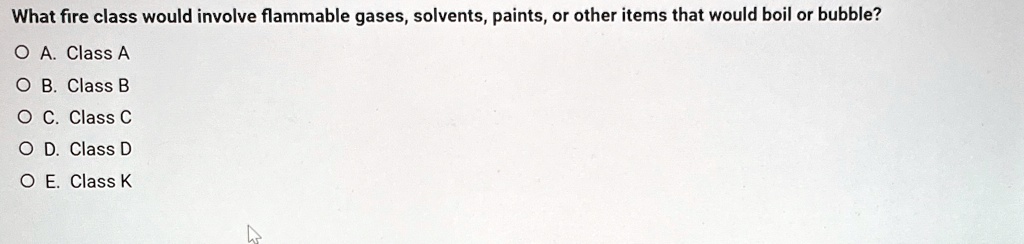
Class B fires cover flammable gases, solvents, and many oil-based paints and coatings.
If you have ever wondered what fire class would involve flammable gases solvents paints, you are in the right place. I have spent years training teams on hazard control and fire response, and I will break it down in clear, simple steps. You will learn how fire classes work, why these products fall under Class B, which extinguishers to use, and how to prevent costly mistakes at home and at work.
Fire Classes in Plain Language
Fire classes group fires by the fuel that burns. This system guides which extinguisher to use and how to fight the fire. It keeps people safe and reduces property loss.
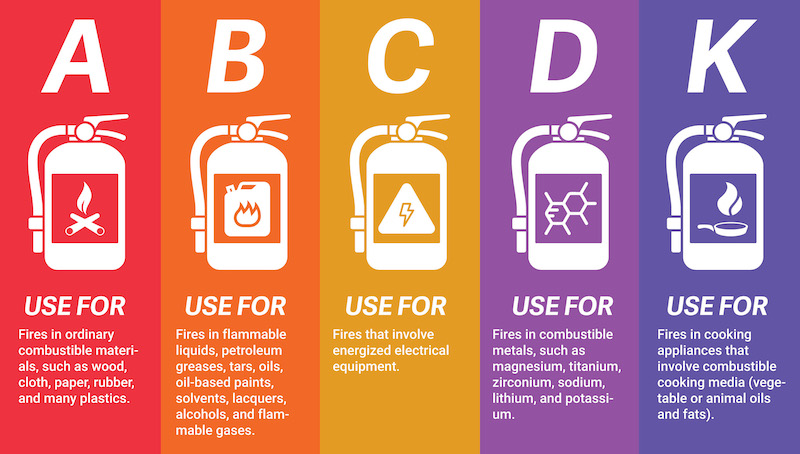
Here is the core system used in the United States:
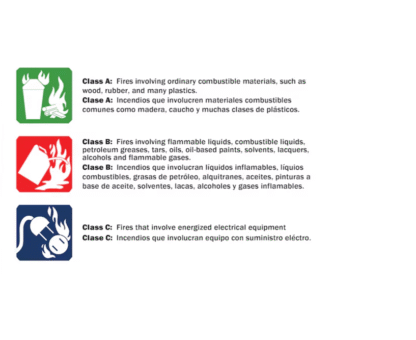
- Class A covers ordinary combustibles. Think wood, paper, cloth, and some plastics.
- Class B covers flammable liquids and gases. That includes most solvents, fuels, and many paints.
- Class C covers energized electrical equipment. De-energize it and it becomes A or B.
- Class D covers combustible metals. Examples include magnesium, sodium, and titanium.
- Class K covers cooking oils and fats. These are found in kitchens and food plants.
People often ask what fire class would involve flammable gases solvents paints. The answer is Class B, with a few edge cases that you should know. We will go through those next.
Why Class B Fits Flammable Gases, Solvents, and Paints
Class B fires involve flammable liquids and gases. These burn through vapors that mix with air. Once the vapor reaches a hot source, it can flash and spread fast.
Solvents like acetone, toluene, and mineral spirits have low flash points. They release vapors at room temp. That means a small spill can create a large vapor cloud that ignites at a distance.
Many paints also fit Class B. Oil-based paints, enamel coatings, and many thinners count as flammable liquids. Some water-based paints do not burn easily, but many still contain flammable solvents in the mix or during spray use. That is why spray finishing areas are treated as Class B hazards.
Flammable gases also fall under Class B. Propane, butane, hydrogen, and natural gas form flammable vapor-air mixes. A leak can ignite quickly and create jet flames or a flash fire.
If you search what fire class would involve flammable gases solvents paints, it is Class B in most real cases. When in doubt, read the Safety Data Sheet and check the flash point, flammable range, and GHS pictograms.
The Right Extinguishers and Tactics for Class B Fires
Not all extinguishers are equal. Class B needs agents that break the fire triangle and stop vapor.
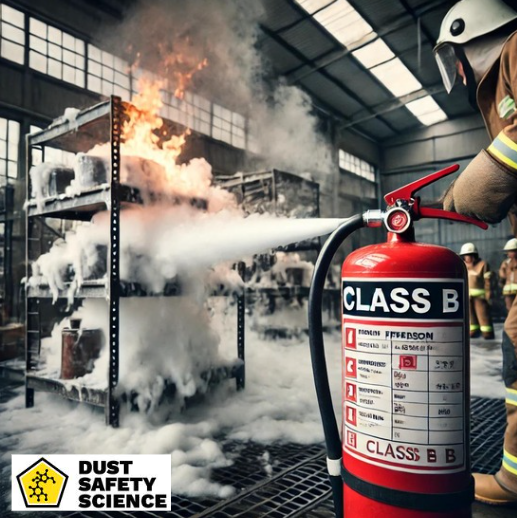
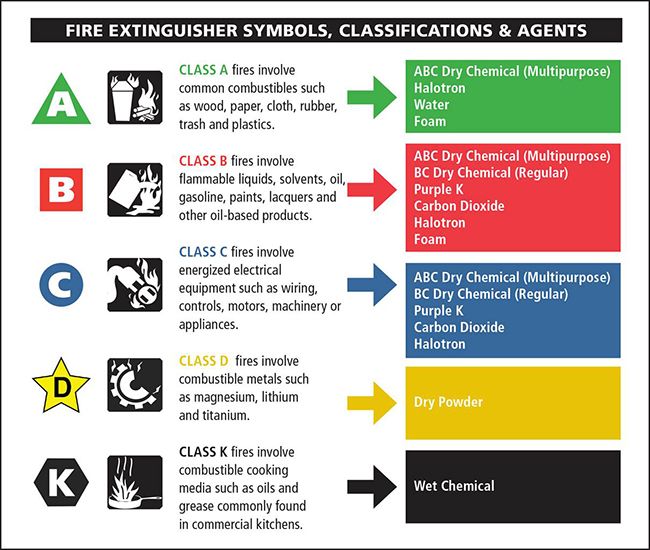
The best choices for Class B:
- Dry chemical (ABC or BC) stops the chemical chain reaction and forms a barrier.
- Carbon dioxide (CO2) displaces oxygen and cools some. It leaves no residue.
- Foam (AFFF/AR-AFFF) cools and forms a film that seals vapors on spills.
- Clean agents (FK-5-1-12, HFC-227ea) work well on small equipment fires.
Avoid water streams on liquid fuel fires. A hard stream can spread the fuel. Water mist has niche use, but it is not the first choice for spill fires.
Use the PASS steps:
- Pull the pin.
- Aim at the base of the fire.
- Squeeze the handle.
- Sweep side to side.
Keep the wind at your back. Stay low. Watch for reflash and seal the surface if using foam. If the fuel is a pressurized gas, do not chase the flame. Close the valve if safe. Cool nearby surfaces to prevent spread.
If you wonder what fire class would involve flammable gases solvents paints, remember this rule: think Class B, choose B-rated agents, and seal or starve the vapors.
Storage, Handling, and Prevention That Actually Works
Good prevention beats any fire fight. Control the fuel, air, and ignition sources.
Key steps I teach on every site:
- Store flammables in approved flammable storage cabinets. Keep containers tight and labeled.
- Ventilate well. Use local exhaust in spray areas to keep vapors below safe limits.
- Bond and ground containers when pouring or mixing. This stops static sparks.
- Control ignition sources. Use listed lighting and tools in spray booths and mix rooms.
- Keep only the daily amount in the work area. Stage larger volumes in a safe room.
- Use metal safety cans for solvents. Avoid open pans and rags soaked with thinner.
- Manage waste. Store oily rags in self-closing metal cans. Empty them often.
- Train people on SDS, flash points, and alarm response. Drill with the right extinguishers.
- Inspect hoses, valves, and regulators for leaks. Use gas detectors if needed.
- Follow standards for spray finishing and flammable liquids management.
These steps align with well-known safety standards used across industry. If your leaders ask what fire class would involve flammable gases solvents paints, use this section to set policy and plan storage.
Real-World Lessons From the Field
I once helped a small cabinet shop after a near miss. A worker cleaned a spray gun with lacquer thinner. He set the open cup by a space heater. Vapors drifted and flashed. A 10-B:C extinguisher stopped it fast, but it could have been worse. They added a flammable cabinet, grounded their cans, and moved heaters away from paint work. No incidents since.
On a job site, a propane hose cracked in the cold. A worker saw a blue jet by the torch head. He did not try to spray it with water. He closed the cylinder valve and let the line cool while a second worker stood by with a 40-B:C extinguisher. That is textbook Class B response.
These cases echo a point: if you know what fire class would involve flammable gases solvents paints, you act faster and choose the right tool.
Edge Cases, Related Hazards, and Common Myths
Some paints are water-based. Latex house paint has more water and less solvent. It may not support a Class B fire as a liquid in a can. But mist during spray can still ignite if mixed with solvent or near flammable cleaners. Treat spray areas with Class B controls and suppression.
Aerosol cans are tricky. The propellant is often propane or butane. That makes them a Class B hazard even if the product is not flammable. Hot work near aerosols can cause bursts and fire spread.
Electric gear adds a twist. A solvent fire on a live panel is Class C until you kill the power. De-energize it and it becomes Class B again.
Do not use multi-purpose ABC powder on delicate gear unless needed. It works well, but cleanup is hard. Clean agents or CO2 may be better for small enclosed equipment.
If someone asks what fire class would involve flammable gases solvents paints, also teach them about gases pooling near floors, the lower explosive limit, and ignition control. These details save lives.
Frequently Asked Questions of what fire class would involve flammable gases solvents paints
Are flammable gases and solvents Class B even if they are in small cans?
Yes. The size of the container does not change the fire class. Small volumes can still produce enough vapor to flash and spread.
Can I use water on a solvent spill fire?
No. A water stream can spread the burning liquid. Use dry chemical, foam, CO2, or a clean agent that is rated for Class B.
Are all paints Class B?
No. Many oil-based paints and thinners are Class B. Some water-based paints are not very flammable, but spray work and cleanup still create Class B risks.
What extinguisher rating should I choose for a shop with solvents?
Pick larger B ratings for spill fires, such as 40-B:C. Place them within short travel distances and train people on PASS.
How do I know if a product is a Class B hazard?
Read the Safety Data Sheet. Check the flash point, flammable range, and hazard pictograms. If you ever wonder what fire class would involve flammable gases solvents paints, look for low flash points and flammable warnings.
Is a gas jet flame safer to leave burning than to blow out?
Often yes. A controlled jet can be safer than an unlit leak that builds a vapor cloud. If safe, close the valve and cool nearby surfaces.
What should I do with solvent-soaked rags?
Put them in a listed, self-closing metal can. Empty the can often to a safe waste container.
Conclusion
Class B is the clear answer for fires that involve flammable gases, solvents, and many paints. Know the fuels, pick the right extinguishers, and stop vapors from finding a spark. Small steps like storage, bonding, and training go a long way.
Put this into action today. Check your cabinets. Add B-rated extinguishers. Run a short drill with your team. If this guide helped, share it, subscribe for more safety tips, or drop a question in the comments.