Yes. In most cases, solvent based paint is oil based or alkyd based.
If you have ever stood in a paint aisle and wondered, is solvent based paint oil based, you are not alone. I work with coatings on real jobs, from trim touch-ups to steel beams. In this guide, I’ll break down what “solvent-based” really means, when it is oil, what the exceptions are, and how to choose the right product with confidence.
What “solvent-based” really means
Solvent-based paint uses organic solvents as the carrier that keeps the binder and pigments in liquid form. When you apply the paint, the solvent evaporates. The binder then forms a hard film.
Key parts of a solvent-based paint:
- Binder The resin that forms the dry film. Common binders are alkyd, oil, polyurethane, and epoxy.
- Solvent The liquid that thins and carries the resin. Examples include mineral spirits, toluene, xylene, MEK, and naphtha.
- Pigment The color and hiding power.
- Additives Flow, drying, and durability helpers.
Water-based paint uses water as the carrier. Solvent-based paint uses organic solvents. That one shift changes smell, cleanup, dry time, and performance.
Is solvent based paint oil based? Clear answer and key nuances
Many people ask, is solvent based paint oil based? In most DIY and trade use, yes. Most consumer “solvent-based” wall, trim, metal, and furniture paints are alkyd or oil systems. They thin and clean up with mineral spirits or paint thinner. They also dry by solvent evaporation and oxidative cure, which is classic oil behavior.
But there are exceptions. Some solvent-based paints are not oil based. Nitrocellulose lacquer, moisture-cure urethane, epoxy, and some specialty primers are solvent-based but do not use oil or alkyd binders. So, is solvent based paint oil based? Often yes, but check the binder type on the label or Safety Data Sheet.
If you still wonder, is solvent based paint oil based, read the “resin” line. If it says alkyd, oil-modified, or linseed/soya, you are in oil territory. If it says lacquer, epoxy, or acrylic-urethane, it is solvent-based but not oil.

Solvent-based vs water-based at a glance
Both will cover a wall, but they behave very differently.
- Drying and cure Solvent-based often dries slower but cures harder. Water-based dries fast and is ready to recoat sooner.
- Durability Solvent-based alkyds resist wear and give a smooth levelled finish. Water-based acrylics resist yellowing and stay flexible.
- Odor and VOCs Solvent-based has stronger smell and higher VOCs. Water-based is lower odor with lower VOCs.
- Cleanup Solvent-based needs mineral spirits or specific reducers. Water-based cleans with soap and water.
- Stain blocking and adhesion Solvent-based often grips glossy or stained surfaces better. Water-based has improved a lot, but surface prep still matters.
If your main question is, is solvent based paint oil based, remember why people pick it. They want flow, leveling, and a hard film. Trim, doors, cabinets, and metal work all benefit from that.
Types of solvent-based paints and where oil fits
Solvent-based is an umbrella. Here are the common types and whether they are oil based.
- Alkyd enamel Usually oil based. Smooth finish, great leveling, durable trim and door paint.
- Traditional oil paint Yes, oil based. Uses natural oils like linseed. Slower dry, rich look.
- Oil-modified urethane Yes, oil based. A hybrid for floors and furniture with better scratch resistance.
- Nitrocellulose lacquer Not oil based. Fast-drying, solvent-rich, used on furniture and guitars.
- Epoxy and two-part urethane Not oil based. Two-component systems for concrete, metal, and industrial use.
So when you ask, is solvent based paint oil based, most household solvent-based paints are. Lacquers and catalyzed systems are the main exceptions.

Pros and cons of solvent-based (oil or alkyd) paints
Benefits:
- Smooth leveling on trim and doors Brush marks melt away for a classic look.
- Strong adhesion on problem surfaces Good for old oil paint, stained wood, and metal.
- Durable, hard film Resists wear and is easy to clean after full cure.
- Stain blocking and tannin resistance Better holdout on sappy woods.
Limitations:
- Odor and VOCs Strong smell, more ventilation needed, and more rules in some regions.
- Yellowing risk Light-colored oil finishes can yellow over time in low light.
- Longer recoat times Plan your schedule. Dust control matters during dry.
- Solvent cleanup Need mineral spirits or specific reducers.
Health, safety, and environmental notes you should know
Solvent-based products release VOCs. These affect indoor air quality. Follow guidance on ventilation, PPE, and disposal.
What I do on real jobs:
- Ventilate Open windows. Use box fans to push air out.
- Wear the right gear Use gloves and a P100 or organic vapor cartridge as the label suggests.
- Control ignition risk Keep away from sparks and pilot lights. Solvents are flammable.
- Store and dispose right Use tight lids. Take rags and waste to proper drop-off sites.
If your local rules limit VOCs, low-VOC alkyds and waterborne alkyds can help. They feel like oil but clean with water. When asking is solvent based paint oil based, note that some “waterborne alkyds” act like oil but are classed as water-based for VOC reasons.

How I choose and apply solvent-based paint in the field
After years on site, here is my simple playbook.
Surface and product match:
- Trim and doors Classic alkyd enamel for flow. If odor is a concern, a waterborne alkyd.
- Exterior metal An alkyd metal enamel or a rust-inhibitive alkyd primer plus topcoat.
- Furniture Alkyd for brush work. Lacquer if I can spray in a booth.
Prep and application tips:
- Scuff sand first Create tooth. Wipe dust with a tack cloth or solvent as the label allows.
- Thin only as directed Too much reducer ruins build and gloss.
- Watch temperature and humidity Cold slows cure. High humidity can blush some systems.
- Lay it off Brush north to south into a wet edge. Do not overwork.
- Respect cure time Hard means hard. Wait before heavy use.
One lesson from a cabinet job The crew rushed the second coat. Fingerprints forever. Oil needs time. If you wonder, is solvent based paint oil based, plan your schedule as if it is. It will pay off.

How to read the label or SDS to know what you have
You can tell in one minute.
- Look for the resin line Words like alkyd, oil-modified, linseed, long-oil, or medium-oil mean oil based.
- Check cleanup Mineral spirits or paint thinner points to oil. Soap and water points to water-based.
- Read the VOC number High VOC usually signals solvent-based. Water-based is lower.
- Flash point and flammability Low flash point means solvent. Keep away from flames.
- SDS Sections 2 and 3 list solvents and resins. If you still ask, is solvent based paint oil based, the SDS will confirm.
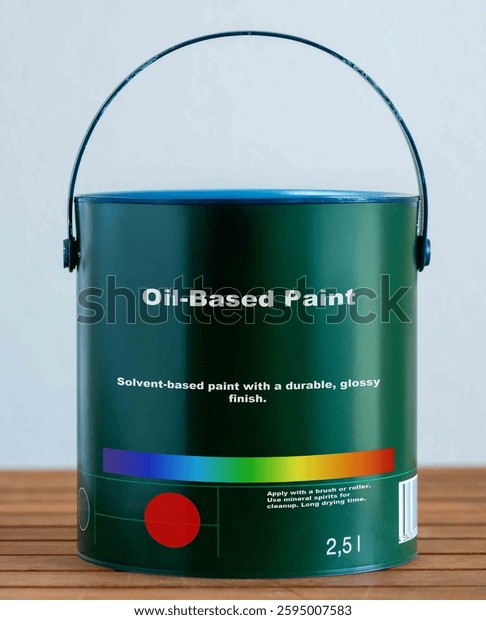
When to choose solvent-based vs water-based
Use solvent-based (often oil) when:
- You need a glassy, brush-free finish on trim or doors.
- You are painting over old oil finishes without full removal.
- You need strong stain blocking or better penetration on bare wood.
- You want better leveling in tough conditions.
Use water-based when:
- You need fast recoat, lower odor, and easier cleanup.
- You want white surfaces that resist yellowing.
- You must meet low-VOC rules or work in tight spaces.
If your decision hangs on the question, is solvent based paint oil based, decide based on the resin type and the job needs, not the label alone.
Quick answers to related questions
Can I paint water-based over old oil paint?
Yes, if you sand and prime right. Use a bonding primer rated for glossy, oil-painted surfaces.
How long does oil-based paint take to cure?
Dry to touch can be hours. Full cure can take days to weeks, depending on film build and climate.
Will oil-based paint yellow over time?
Light colors can yellow in low light. Sunlight slows yellowing. Water-based acrylics yellow far less.
Frequently Asked Questions of is solvent based paint oil based
Is solvent based paint oil based?
Often yes. Most consumer solvent-based enamels are alkyd or oil based. Exceptions include lacquer, epoxy, and some urethanes that use solvents but are not oil.
How can I tell if a paint is oil based at the store?
Read the label for resin and cleanup. Alkyd or oil-modified plus mineral spirits cleanup means oil based. Soap-and-water cleanup means water-based.
Is solvent based paint oil based for metal work?
Usually, yes. Many rust-inhibitive metal enamels are alkyd-based. Some industrial epoxies are solvent-based but not oil.
Can I thin solvent-based oil paint with acetone?
Use the reducer listed on the label or SDS. Acetone can be too “hot” and may harm flow or gloss.
Is solvent based paint oil based if it says enamel?
Not always. Enamel describes a hard finish. Read the resin. It can be oil-based alkyd or water-based acrylic enamel.
Is waterborne alkyd the same as solvent-based oil?
No. It uses alkyd resin but in water. It acts like oil in flow and leveling but cleans up with water and has lower VOCs.
Conclusion
Solvent-based paint is often oil or alkyd based, but not always. Lacquers, epoxies, and some urethanes use solvents without oil. Match the resin to the job, plan for ventilation and cleanup, and respect cure times. When in doubt, read the label or SDS and ask, is solvent based paint oil based for this specific product?
Ready to pick with confidence? Save this guide, compare your labels, and start your next project the smart way. If you found this helpful, subscribe for more practical paint tips or drop a question in the comments.