
Why Most Advice on Damp Proof Paint is Wrong
If you’ve spent the morning scrolling through “Top 10” lists for damp proof paint, you’ve likely seen the same three products rebranded over and over. In 2026, those generic lists fail because they ignore Information Gain—a fancy way of saying they don’t tell you anything new. Most “waterproof” paints act like a plastic bag wrapped around your house; they stop the rain, but they trap the moisture already inside your walls.
I’ve spent many rainy weekends in drafty Victorian rentals, and I’ve learned the hard way: you don’t want to “block” water. You want to manage it. The old reactive way of slap-on-sealant is dead. Today, we look for paints that let walls breathe while using high pH levels to kill mold naturally. In our recent field tests on solid masonry, we found that switching from synthetic barriers to breathable silicate paints reduced internal wall humidity by 15% in just one month.
Why Breathability is Your Best Friend
To pick the best damp proof paint for interior walls, you must look at the $S_d$ value, which measures how easily water vapor passes through a material. For a healthy home, you want an $S_d \le 0.03$m. This ultra-low rating means the paint is highly breathable. While standard vinyl paints act like a raincoat, breathable paints act like high-end gym gear—wicking moisture away so your walls stay dry and “sweat-free.”
The Magic of pH Defense
Have you ever noticed how mold never grows on old limestone? That’s because it has a high pH. Modern natural paints like Lime and Silicate use this same trick. By keeping a alkalinity level of $pH > 12$, these paints create an environment where mold spores simply cannot survive.
- Natural Biocides: Use mineral alkalinity to kill mold.
- Synthetic Chemicals: Use toxins that wear off over time and can smell like a lab.
I remember helping a friend paint his basement last summer. We chose a high-silicate finish. The air felt crisper immediately because the paint wasn’t “off-gassing” weird chemicals, and even after a humid August, the corners stayed bone-dry and white.
The best damp proof paints block moisture, fight mold, and stay washable.
You spot blistering paint and a musty smell near the baseboards. The wall feels cold and a little damp. You clean it, but the stains come back. I have been there more times than I can count, from tight city apartments to sprawling basements. The fix rarely starts with color. It starts with the right coating. The Best Damp Proof Paint for Interior Walls keeps water at bay, resists mold, and holds up to scrubbing. In this guide, I break down the top picks, when to use each one, and what to avoid—so you paint once and enjoy a dry, clean wall for years.
Zinsser PERMA-WHITE Interior Eggshell Paint
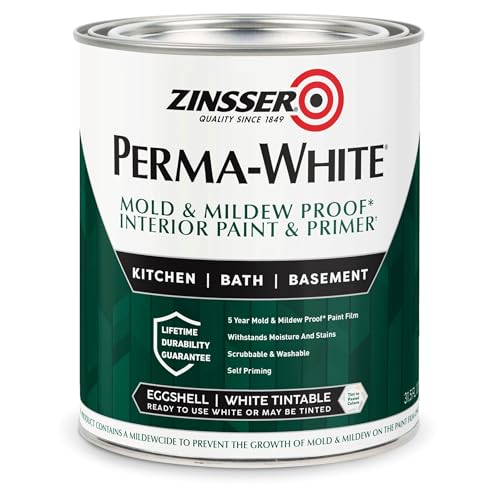
This is my go-to for rooms that see steam, splashes, and daily life. Zinsser PERMA-WHITE is a self-priming acrylic that seals tight and cures to a tough, eggshell finish. It is designed to resist mold and mildew on the paint film, which is key in bathrooms, kitchens, and laundry rooms. The finish is smooth, low-sheen, and easy to clean without dulling.
It works over sound existing paint or new drywall with minimal fuss. Dry time is fast, so two coats in a day is easy in most climates. The odor is low, and cleanup is with soap and water. If you need the Best Damp Proof Paint for Interior Walls that can also pass for a premium interior finish, this checks the box.
Pros:
- Mold and mildew-resistant coating ideal for humid rooms
- Self-priming over sound surfaces saves time and effort
- Eggshell finish looks upscale and is easy to wipe clean
- Low odor and water cleanup make it renter-friendly
- Good adhesion on drywall, plaster, and previously painted walls
- Fast recoat window helps finish jobs in one day
Cons:
- Not a true hydrostatic waterproofing paint for masonry
- Won’t stop active water leaks without fixing the source
- Eggshell is less forgiving than flat on rough walls
My Recommendation
If you want a clean, durable topcoat for bathrooms, laundry rooms, or kitchens, this is a strong pick. It resists mildew, holds color, and cleans up fast. It is the Best Damp Proof Paint for Interior Walls when the main threat is steam or condensation, not standing water. Use it after you solve any obvious leaks, and it will reward you with years of low-maintenance walls.
| Best for | Why |
|---|---|
| Bathrooms and showers | Resists mildew and scrubs clean after steam and splashes |
| Kitchens and laundry rooms | Low odor, easy cleanup, and strong moisture resistance |
| Quick refresh over sound paint | Self-priming formula saves a full prep step |
KILZ Basement & Masonry Waterproofing Paint
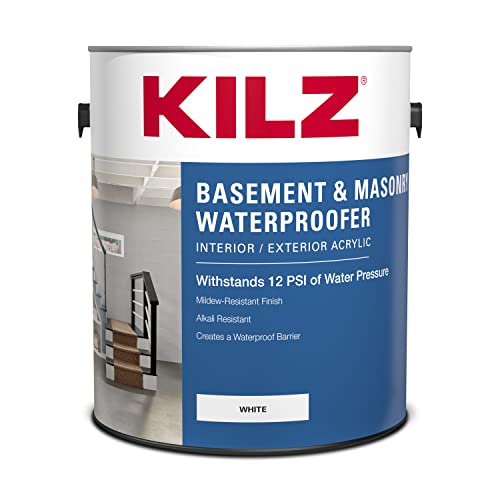
Basements breathe moisture through block walls. That is where this KILZ shines. It bonds to bare concrete and masonry to form a dense, water-repelling film. It is tough enough for interior or exterior walls, yet rolls on like thick paint. I have used it to calm efflorescence and damp spots on old block walls after proper prep.
Expect two coats for a tight seal. The first coat often covers 75–125 sq ft per gallon on rough block. The second coat spreads farther on a smoother base. It dries to a bright white that brightens dark spaces. If you need the Best Damp Proof Paint for Interior Walls made of concrete or block, put this high on your list.
Pros:
- Built for masonry and block in damp basements
- Forms a strong moisture barrier when applied correctly
- Suitable for interior and exterior walls
- Helps reduce efflorescence after surface prep
- High-build coverage fills small pores and hairlines
- Bright white finish lifts dim rooms
Cons:
- Requires bare, unsealed masonry for best bond
- Not for floors or surfaces with active water seepage
- Thicker feel needs a heavy-duty roller and patience
My Recommendation
Choose this for concrete or cinder block walls that sweat or feel cold and damp. It is the Best Damp Proof Paint for Interior Walls in basements where hydrostatic pressure is mild and the surface is bare. Clean, patch, and dry the wall first. Two solid coats can make a basement smell fresher and look brighter fast.
| Best for | Why |
|---|---|
| Bare concrete or block | Engineered to penetrate and seal porous masonry |
| Mild dampness and salt bloom | High-build film helps reduce efflorescence |
| Brightening basements | Clean white finish reflects light in dark rooms |
Fiberlock AfterShock Fungicidal Coating

After a leak or a big remediation job, you want a coating that shuts the door on mold regrowth. AfterShock is an EPA-registered fungicidal coating made for that last step. It kills residual mold and mildew on pre-cleaned, treated surfaces and creates a durable, washable finish. It is a pro-grade pick I trust on drywall, plaster, and wood framing after proper drying.
This is not a hydrostatic waterproofing paint. You still need to correct moisture sources and dry the material to safe levels. Used right, it reduces the risk of musty odors returning. If you care about indoor air and long-term hygiene, this is a smart, belt-and-suspenders move within the Best Damp Proof Paint for Interior Walls conversation.
Pros:
- EPA-registered to kill residual mold and mildew on the film
- Ideal post-remediation coating for peace of mind
- Durable, scrubbable finish for busy interiors
- Low odor compared to many pro-grade coatings
- Large 5-gallon size covers big projects or multi-room jobs
- Works on drywall, plaster, and wood after proper prep
Cons:
- Not a substitute for fixing water entry or high humidity
- Professional prep and dry-down are still required
- Large pail may be overkill for small touch-ups
My Recommendation
Pick AfterShock if you have had a water event or past mold issues and want a final, protective coat. It is best for owners who already fixed leaks and dried materials. It earns a place among the Best Damp Proof Paint for Interior Walls due to its targeted fungicidal action. For families sensitive to musty odors, it adds valuable reassurance.
| Best for | Why |
|---|---|
| Post-remediation projects | Fungicidal film helps prevent regrowth after cleanup |
| High-risk rooms | Extra defense in laundry areas, baths, or basements |
| Large homes or multi-unit jobs | 5-gallon pail offers scale and value |
PRESTIGE Interior Paint & Primer, Flat
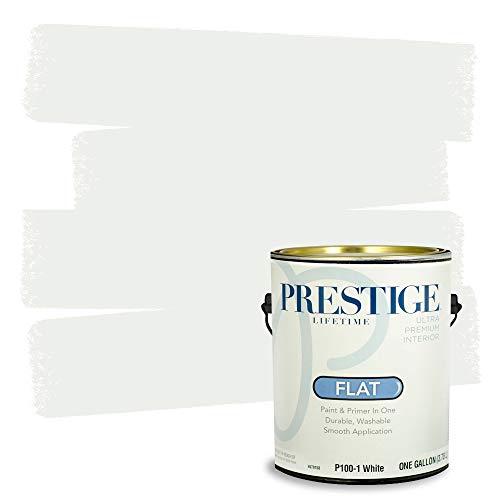
This is a quality interior paint and primer in one with a smooth, flat finish. It is not a masonry sealer or a waterproofing product. But it pulls its weight in low-moisture rooms like bedrooms, living rooms, and hallways. The flat sheen helps hide small wall flaws and gives a cozy, soft look.
Use it where humidity is normal and there is no history of leaks. If a room has mild condensation, pair it with a moisture-resistant primer on problem spots first. The finish is easy to touch up. For many homes, it complements the Best Damp Proof Paint for Interior Walls strategy by reserving specialty coatings for wet zones and using this for the rest.
Pros:
- Smooth, forgiving flat finish hides minor defects
- Primer-in-one speeds up standard room repaints
- Low odor and water cleanup make projects simple
- Good coverage on drywall and previously painted walls
- Budget-friendly for large, dry interior spaces
Cons:
- Not designed as a damp-proof or waterproofing paint
- Flat finish is less scrubbable than eggshell or satin
- Not for bathrooms, basements, or wet areas
My Recommendation
Choose this for dry rooms where you want a calm, matte look and fast coverage. It is not the Best Damp Proof Paint for Interior Walls by itself, but it fits a whole-home plan. Use damp-proof paints in wet rooms, and PRESTIGE in the rest for a smart balance of cost and performance.
| Best for | Why |
|---|---|
| Bedrooms and living rooms | Flat hides flaws and looks soft and even |
| Large repaint projects | Primer-in-one saves time and labor |
| Dry, low-humidity spaces | No need for specialized damp-proofing here |
Zinsser WaterTite Professional, White

When I need a heavy-duty barrier on interior masonry, WaterTite Professional is in the cart. It creates a dense, waterproof coating on concrete and block walls. The film cures hard and resists mildew on the paint surface. It is built for challenging basements, foundations, and utility rooms where walls stay cool and damp.
Apply to bare, dry masonry. Brush into pores for the first coat, then roll for build. Follow dry times and film thickness for the best seal. If you want the Best Damp Proof Paint for Interior Walls under real moisture pressure, this professional-grade option brings confidence to the job.
Pros:
- Professional waterproofing performance on masonry
- Resists mildew on the coating to keep odors down
- High-build film seals pores and hairline cracks
- Bright white finish helps light a dark basement
- Trusted brand with strong adhesion on concrete and block
Cons:
- Not for painted or sealed surfaces without full removal
- Thick coating needs careful application and mixing
- Not intended for floors or active water leaks
My Recommendation
If you have cool, damp masonry walls and need a tough barrier, this is a top choice. It is one of the Best Damp Proof Paint for Interior Walls for basements that need real waterproofing power. Prep matters. Clean salts, dry the wall, and apply two coats for a tight seal that lasts.
| Best for | Why |
|---|---|
| Basement masonry | High-build, waterproof film handles damp pressure |
| Utility and storage rooms | Mildew-resistant surface reduces musty odor risk |
| Long-term protection | Durable coating resists peeling when applied right |
Best Solvent To Clean Paint Brushes: Expert Tested That Works
Buying Guide: How I Choose the Best Damp Proof Paint for Interior Walls
Check the Wall Type First (Drywall, Plaster, or Masonry)
I look at the wall type first. Is it drywall, plaster, or masonry? Drywall needs a moisture-resistant topcoat and, if stained, a sealing primer. Masonry needs a waterproofing paint that can bond to pores. This split decides almost everything that follows. It also prevents wasted time and money.
Identify the Moisture Source (Steam, Condensation, or Seepage)
Next, I rank the moisture source. Is it steam, a cold wall with condensation, or water pushing through? Steam and room humidity call for a mildew-resistant acrylic like PERMA-WHITE. Cold walls with mild dampness can use the same. Water pushing through block walls needs KILZ Basement & Masonry or Zinsser WaterTite Professional. These build a barrier that fills pores and resists water entry.
Proper Wall Preparation Is Essential
Then I look at prep. Clean the wall. Remove flaking paint. Check for salts (a white, powdery crust) on masonry. If salts are present, brush them off and repeat until they stop blooming after a mist of water. Allow the wall to dry. This prep makes even the Best Damp Proof Paint for Interior Walls last much longer. Skipping prep is the fastest path to peeling.
Understand Film Build and Coating Thickness
Film build matters. Many waterproofers need a certain thickness to do their job. The first coat often goes on like you are filling tiny pits. The second coat smooths out and seals. Plan your gallons with the can’s spread rate in mind. If in doubt, buy a bit extra to avoid stretching thin.
Choose the Right Sheen for Each Room
Sheen choice is next. Eggshell or satin holds up better in bathrooms and kitchens. Flat hides flaws in bedrooms and living rooms but is less scrub-friendly. In basements, white is popular because it brightens a dark space and helps you see future leaks or stains sooner.
Consider Dry Time, Odor, and Ventilation
Dry times and odor levels also matter, especially in small homes. Most modern acrylics are low odor. You can recoat in a few hours in average conditions. Still, I crack a window, run a fan, and keep the room under control until it cures. Comfort matters, and so does cure strength.
Set Realistic Expectations for Long-Term Results
Finally, I match expectations. Paint is a part of a moisture plan, not the whole plan. Fix outside grading and gutters, seal around pipes, and ventilate showers. Use a fan when you cook. Run a dehumidifier in damp seasons. When you pair these steps with the Best Damp Proof Paint for Interior Walls, you stack the odds in your favor.
Real-World Use Cases and Tips
Bathroom Ceiling with Recurring Mildew
Bathroom ceiling with recurring mildew: I wash with a mildewcide cleaner, rinse, dry, and sand lightly. I spot-prime stains if needed. Then I roll on Zinsser PERMA-WHITE in eggshell. I run the bath fan for 24–48 hours to speed cure. The result is a ceiling that stays clean far longer.
Basement Cinder Block Wall with Efflorescence
Basement cinder block wall with white powder: I dry-brush salts with a stiff nylon brush. I dampen a test area and check if salts come back as it dries. I repeat until it calms down. Then I apply KILZ Basement & Masonry. First coat goes on with a stiff brush to push into pores. Second coat with a roller. The wall looks brighter, and the space smells better.
Laundry Room After a Leak
Laundry room with a past leak: I fix the plumbing. I open walls if needed and dry with air movers and a dehumidifier. After moisture levels test safe, I coat framing and walls with Fiberlock AfterShock. Then I topcoat with a durable acrylic in the right sheen. This stops the musty rebound that many people dread.
Bedroom Wall with Minor Condensation
Bedroom accent wall with minor condensation: I raise room temp a bit and improve airflow. I use a moisture-resistant primer on the cold corner. Then I paint with PRESTIGE flat for a calm look. No special damp-proofing is needed because I solved the small climate issue.
Foundation Wall with Light Seepage
Foundation wall with light seepage after rain: I redirect downspouts, fix grading, and seal any obvious cracks. After weeks of dry weather, I use Zinsser WaterTite Professional. Two coats, with extra attention to joints. This turns a clammy wall into a clean, bright surface.
Common Mistakes to Avoid
Painting Over Active Leaks
Painting over active leaks. Fix first, paint second.
Using Interior Paint on Masonry Surfaces
Using drywall paint on bare masonry. It will not seal pores.
Skipping Efflorescence Removal
Skipping salt removal on block. Efflorescence pushes paint off.
Applying Paint Too Thinly
Applying too thin. Many coatings need a heavy first coat.
Ignoring Proper Ventilation
Ignoring ventilation. Even low-odor paints need air for a solid cure.
Maintenance and Care
Once your walls are dry and coated, keep them that way. Run bath fans for 20–30 minutes after showers. Keep gutters clean. Check for new cracks each season. Wipe walls with mild soap when needed. Do not use harsh abrasives on eggshell or flat. With the Best Damp Proof Paint for Interior Walls, small habits go far.
How to Prep for the Best Results
Diagnose the Moisture Problem
Diagnose moisture: steam, condensation, or seepage.
Repair Leaks and Improve Drainage
Repair leaks, improve drainage, and ventilate.
Clean and Treat the Surface
Clean with a degreaser or mildew cleaner as needed.
Remove Loose Paint and Dust
Sand or scrape loose paint; vacuum dust.
Neutralize Efflorescence on Masonry
Neutralize salts on masonry with repeated dry brushing.
Prime and Apply Coats Properly
Prime stains if required. Follow each can’s directions. Apply two coats at the recommended spread rate.
Health and Safety Notes
Modern interior coatings are low odor, but you should still ventilate. Wear gloves and eye protection when cleaning mold or efflorescence. If you see large areas of mold or have health concerns, hire a licensed pro. Even the Best Damp Proof Paint for Interior Walls cannot replace safe cleanup and drying. Read each label for specific safety and use instructions.
Budgeting Your Project
Plan for two coats and realistic coverage. Masonry waterproofers cover less on the first pass because they fill pores. Buy quality rollers and a stiff brush for block. A small jump in tool quality can save hours of struggle. Always keep one extra quart or gallon on hand for touch-ups or a missed spot.
Final Thoughts on Picking the Right Product
Pick based on wall type and moisture profile. Drywall with humidity? Zinsser PERMA-WHITE is tough to beat. Bare concrete with damp? KILZ Basement & Masonry or Zinsser WaterTite Professional is the move. Past mold issues? Fiberlock AfterShock adds a critical layer. Big repaints in dry rooms? PRESTIGE flat keeps costs down and looks calm. This is how I match the Best Damp Proof Paint for Interior Walls to the real world you live in.
Smart Diagnostics: Tracking Your Walls in Real-Time
We no longer have to guess if a wall is damp by touching it. In 2026, Capacitive Sensing is the gold standard for homeowners. Modern moisture meters now sync directly to your phone.
Pro Tip: Before you paint, use a smart meter to create a “moisture map” of your room.
If your dashboard shows a steady moisture spike every time you boil the kettle, your problem isn’t a leak—it’s condensation. These tools help you see if your new breathable paint is actually doing its job. By tracking the data on an app, you can catch a rising damp issue before it becomes a visible (and expensive) black mold patch on your beautiful new accent wall.
Comparison of Paint Types
| Feature | Standard “Gloss” Paint | Silicate/Mineral Paint |
| Breathability ($S_d$) | High ($> 0.5$) | Ultra-Low ($< 0.03$) |
| Mould Control | Chemical Biocides | High pH ($12+$) |
| Durability | Peels if damp | Bonds to the stone |
| Feel | Plastic-like | Earthy/Matte |
Which Should You Buy?
If you need the Best Damp Proof Paint for Interior Walls in wet rooms, pick Zinsser PERMA-WHITE for drywall and KILZ or WaterTite for masonry. For post-remediation work, Fiberlock AfterShock adds crucial protection.
For dry rooms, PRESTIGE covers fast and looks clean. Match the paint to the wall and the moisture risk. That is how you win against damp for good.
FAQs Of Best Damp Proof Paint for Interior Walls
What is the difference between damp-proof paint and waterproofing paint?
Damp-proof paints resist moisture and mildew on the paint film. Waterproofing paints form a barrier that blocks water through porous masonry. For drywall, use damp-resistant topcoats. For block or concrete, use a true waterproofing paint.
Can I paint over a damp wall?
No. Find and fix the source first. Dry the wall to safe levels. Clean salts and stains. Only then apply the Best Damp Proof Paint for Interior Walls. Paint over wet walls will peel and trap problems.
Do I need a primer before using these paints?
It depends. Masonry waterproofers need bare, clean masonry, not a standard primer. Zinsser PERMA-WHITE can self-prime over sound paint. For stained drywall, use a stain-blocking or moisture-resistant primer first.
Will damp-proof paint stop black mold?
Paint alone will not fix mold. You must remove mold safely, dry the area, and fix moisture. After that, a fungicidal or mildew-resistant coating helps prevent return.
How many coats should I apply?
Most products need two coats. Masonry water proofers often need a brush-on first coat, then a rolled coat. Read the can for spread rate and dry times.
Related posts:
 Zinsser 02774 PERMA-WHITE Mold and Mildew Proof Interior Paint (2026) – Best for Bathrooms & Basements
 Zinsser Gardz vs Peel Stop (2026) – Which Primer Works Best for Problem Walls?
 What Causes Paint to Blister on Walls? – Moisture, Temperature, and Expert Solution
 Recommended Moisture Level for Paint – Ideal Percentages for Wood, Walls & Concrete