Yes. Paint thinner is a solvent that dissolves paint and coatings.
If you have ever asked yourself is paint thinner a solvent, you are in the right place. I work with coatings often, and I know where thinner shines and where it fails. In this guide, I break down what a solvent is, how paint thinner works, what to use it for, and how to handle it safely. You will get clear answers, tested tips, and no fluff.
Best Acrylic Paint Thinners For Airbrushing (Smoothest Results Ever!)
What does “solvent” mean?
A solvent is a liquid that dissolves another substance. In paint work, the solvent breaks down binders and resins so the mix can flow and level. It also helps with cleanup and removal.
People often ask is paint thinner a solvent because the terms get mixed up. Think of “solvent” as the broad family, and “paint thinner” as one member of that family. Many liquids fit the solvent label, but not every solvent works as paint thinner.
What is paint thinner?
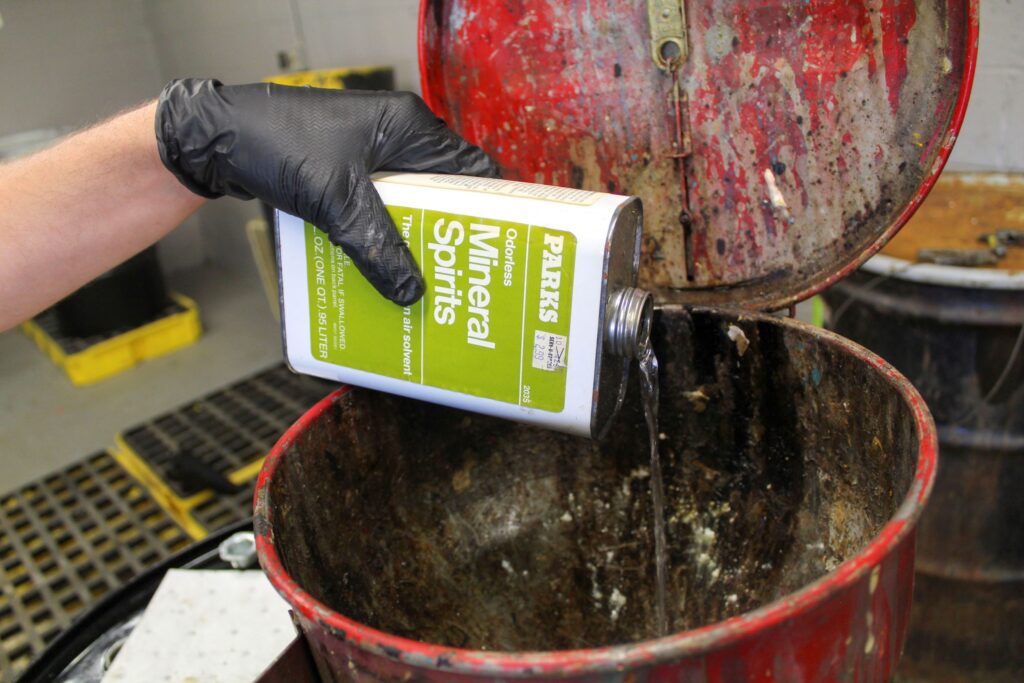
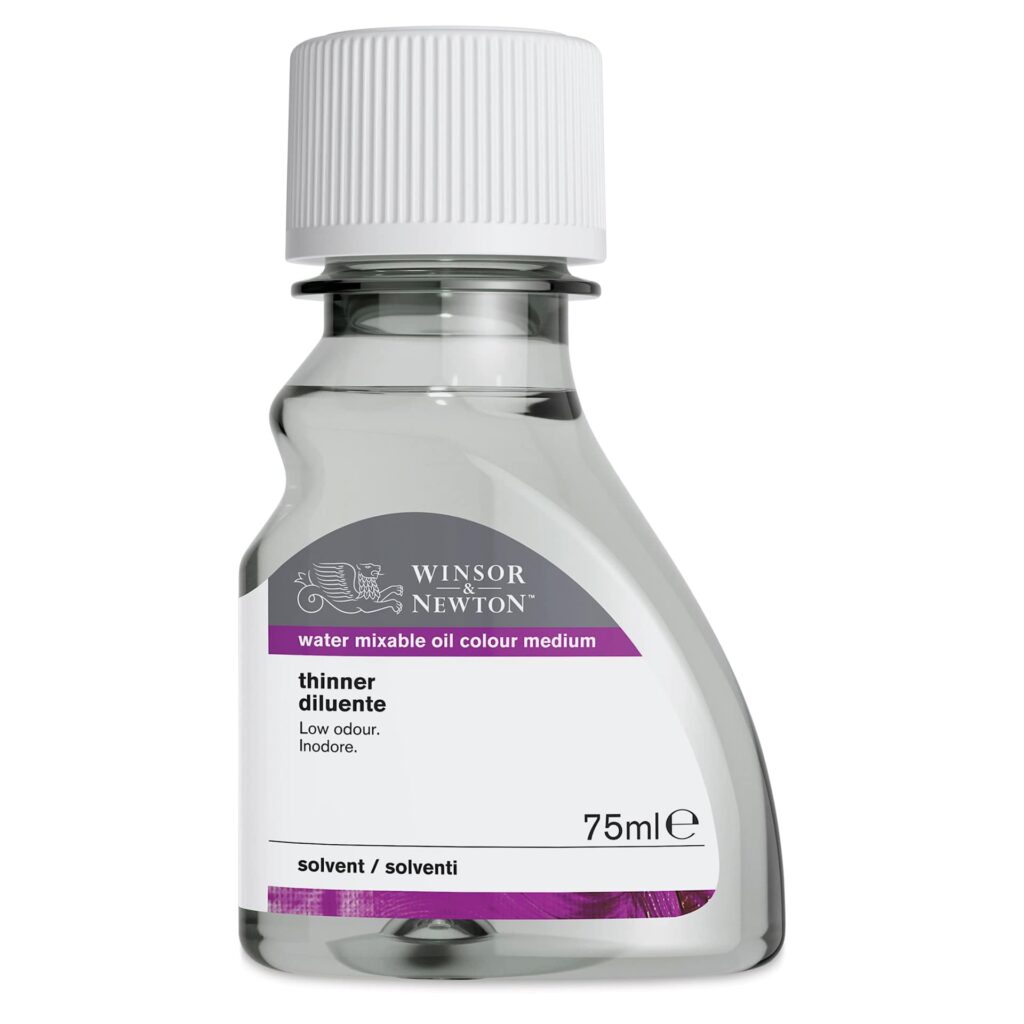
Paint thinner is a common solvent blend used to thin oil‑based paint and clean tools. In many shops, the phrase means mineral spirits. But stores sell many “thinners,” each made for a task.
You will find these types on labels:
- Mineral spirits for oil‑based paints and alkyd varnish
- Turpentine for traditional artists’ oils and wood finishes
- Naphtha for faster flash and quick cleanup
- Lacquer thinner for nitrocellulose and lacquer finishes
- Acetone or MEK for very fast, strong action
- Denatured alcohol for shellac and some dyes
- Water as the solvent for latex and most acrylic paints
When someone asks is paint thinner a solvent, the short answer is yes. But the best choice depends on the coating you have in front of you.
How paint thinner works on paint
Solvents soften and dissolve the binder in paint. That lowers viscosity so the paint flows and lays flat. The solvent then flashes off as the film cures.
With oil‑based paints, mineral spirits or turpentine works well. With water‑based paints, water or a water‑borne cleaner is best. So, if you wonder is paint thinner a solvent for latex paint, the fit is poor. Water is the right solvent for that job.
5 Best Damp Proof Paint for Interior Walls (Stop Moisture Fast!)
Benefits, limits, and when to skip thinner
Paint thinner has clear upsides. It thins oil paint for brushing and spraying. It cleans rollers, brushes, and overspray. It can lift fresh drips before they harden.
There are limits too. Many thinners will not touch cured coatings. Some can haze plastics or dull finishes. Strong blends can raise wood grain or pull stain. If you keep asking is paint thinner a solvent for every mess, pause and match the solvent to the surface first.
Safety, health, and environmental facts you should know
Many thinners are flammable and release VOCs. Fumes can irritate eyes, skin, and lungs. High levels can affect the nervous system. OSHA treats most thinners as flammable liquids, and NIOSH urges strong ventilation and proper PPE.
Use gloves that resist solvents. Nitrile is a common pick. Wear splash goggles and work in moving air. Keep away from sparks and flames. The EPA treats most solvent waste as hazardous under RCRA. That means no sinks, no storm drains, and no backyard dumping. A fair question is is paint thinner a solvent you can handle indoors. Yes, but only with care, fresh air, and smart storage.
:max_bytes(150000):strip_icc()/SPR-difference-between-lacquer-thinner-and-paint-thinner-5195075-HERO-8f0eb1d34a694a0a953f5346a133ddaf.jpg)
Choosing the right solvent and safer alternatives
Match the solvent to the binder. That one step saves time and tools. Read the paint label and the Safety Data Sheet. If in doubt, make a small test on a hidden spot.
Good picks by task:
- Oil‑based paint thinning: mineral spirits
- Fresh lacquer cleanup: lacquer thinner
- Shellac work and dye cleanup: denatured alcohol
- Adhesive residue on metal: acetone, test first
- Water‑based paint splatter: water, then soapy water
- Safer degrease on finished wood: citrus or soy‑based remover, test first
If you are still unsure and ask is paint thinner a solvent that can do it all, the answer is no. Use purpose‑made solvents or mild cleaners when you can.
Real‑world tips from the shop
From my own projects, three habits keep me out of trouble. First, I start with the mildest solvent that might work. Water, then soap, then mineral spirits, and so on. Second, I use two‑jar cleaning. One jar for the first dirty rinse. One fresh jar for a final, clean rinse. Third, I plan for flash time. I let solvent flash off before the next coat to avoid fisheyes.
Twice I learned the hard way. I once used lacquer thinner on a plastic lens and it fogged at once. Now I test on tape stuck to the back edge. I also once asked myself is paint thinner a solvent that can thin polyurethane faster. The answer was yes, but I over‑thinned and lost build. Less is more.
Storage and disposal done right
Store thinner in the original can with a tight lid. Keep it in a cool, dry spot, away from heat. A metal cabinet rated for flammables is ideal. Keep rags in a self‑closing, metal rag can to avoid fires.
Let sludge settle in your used thinner. Pour off the clear top into a clean jar and reuse it. Take the sludge and empty cans to a local hazardous waste drop‑off. Never pour it into a sink or on the ground. If you think is paint thinner a solvent that can go in the trash, check local rules first. Many places ban it.
Frequently Asked Questions of is paint thinner a solvent
Is paint thinner a solvent or a cleaner?
It is both. It is a solvent by definition, and you can use it as a cleaner for fresh oil‑based paint and tools.
Is paint thinner a solvent for latex paint?
No. Water is the solvent for most latex and acrylic paints. Use water and mild soap for cleanup.
Is paint thinner a solvent the same as mineral spirits?
Mineral spirits is a common type of paint thinner. Many people use the terms as if they are the same, but not all thinners are mineral spirits.
Is paint thinner a solvent that will remove dried paint?
It can soften some fresh or semi‑cured oil‑based paint. Once fully cured, removal needs a stronger stripper or sanding.
Is paint thinner a solvent safe on car paint?
Usually no. It can dull or damage clear coat. Use auto‑safe tar or adhesive removers and test a small area first.
Can I mix different paint thinners?
Avoid mixing blends unless the label says it is safe. Mixed solvents can react, raise hazards, or ruin finishes.
Is paint thinner a solvent that evaporates fast?
Most do evaporate, but speed varies. Acetone flashes very fast, while mineral spirits is slower.
Conclusion
Paint thinner is a solvent, but it is not a one‑size‑fits‑all fix. Match the solvent to the paint, test first, and work with care. Use good airflow, gloves, and safe storage to protect your space and your health.
Put this guide to work on your next project. Read the label, check the SDS, and ask yourself, is paint thinner a solvent for this task or is there a better match? If you found this helpful, subscribe for more practical paint tips or drop a question in the comments.