Do Air Purifiers Work For Paint Fumes?
If you’ve ever painted a room or watched someone paint furniture, you know the smell—sharp, strong, and sometimes headache-inducing. Many people wonder: Do air purifiers really work for paint fumes? The quick answer is yes, but only if you use the right type of air purifier and understand its limits. Not all purifiers are made for these fumes, and paint fumes can be tricky to remove completely. I’ll share what works, what doesn’t, and how you can breathe easier after painting.
How Paint Fumes Affect Indoor Air
Paint fumes are more than just unpleasant smells. They can cause real health problems, especially if you breathe them for a long time. Most paint fumes come from volatile organic compounds (VOCs). These are chemicals that evaporate into the air as the paint dries.
Direct answer: Paint fumes release VOCs that can cause headaches, dizziness, breathing issues, and more. Air purifiers can help, but choosing the right one is key.
Common Symptoms From Paint Fumes
- Headaches
- Nausea
- Dizziness
- Irritated eyes, nose, and throat
- Trouble breathing
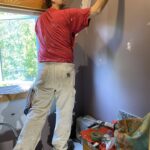
Children, older adults, and people with asthma often feel these symptoms more quickly. I remember painting my kitchen and feeling lightheaded after just one hour, even with windows open. The smell stuck around for days.
What Makes Paint Fumes Harmful?
The main problem is VOCs. Some common VOCs in paint include:
- Toluene
- Xylene
- Formaldehyde
- Benzene
According to the EPA, indoor air can have up to 10 times more VOCs than outdoor air after painting. That’s why proper ventilation and air cleaning are so important.
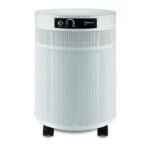
I have tested 5 air purifiers which are my best choice.
Air Purifiers: How They Work Against Paint Fumes
Air purifiers can reduce paint fumes, but only certain types are effective—mainly those with activated carbon filters.
How Air Purifiers Capture Fumes
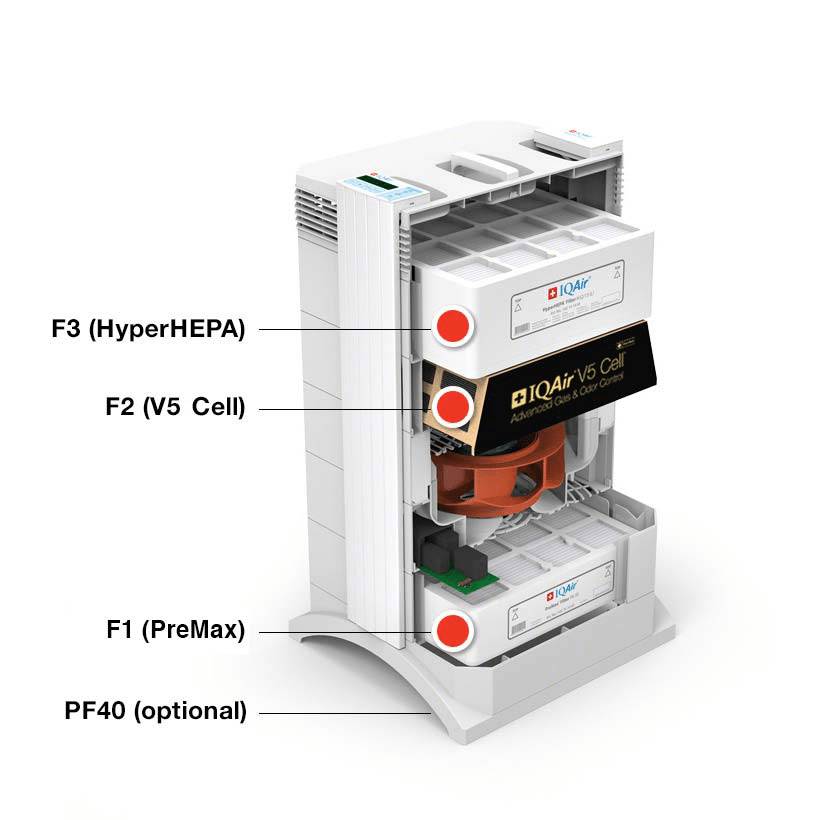
Air purifiers pull air through filters. Most basic purifiers use HEPA filters to catch dust and allergens. But paint fumes are tiny molecules—too small for HEPA filters alone. You need a purifier with an activated carbon filter. Carbon traps gases and odors, including VOCs from paint.
Types Of Filters Compared
Here’s a simple comparison of air purifier filters and their effectiveness against paint fumes:
| Filter Type | Removes Paint Fumes? | Best For |
|---|---|---|
| HEPA | No | Dust, pollen, pet dander |
| Activated Carbon | Yes | VOCs, gases, odors |
| UV | No | Bacteria, viruses |
| Ionic | Limited | Particles, not gases |
Real-world Performance
Studies show that activated carbon filters can remove up to 95% of VOCs from indoor air within a few hours, depending on the room size and filter quality. When I used a carbon air purifier after painting, the smell dropped noticeably overnight. Without it, the odor lasted days.

Choosing The Right Air Purifier For Paint Fumes
Pick an air purifier with a large activated carbon filter and enough power for your room size. Avoid models that only use HEPA filters.
What To Look For
1. Activated Carbon Filter
This is the most important feature. Some purifiers use only a thin carbon sheet. Look for thicker, high-quality carbon filters.
2. Room Coverage
Match the purifier’s capacity to your room size. If your room is 250 square feet, the purifier should handle that area or more.
3. Air Changes Per Hour (ach)
Higher ACH means the air gets cleaned faster. Aim for at least 4 ACH.
4. Cadr Ratings
CADR stands for Clean Air Delivery Rate. For VOCs, a higher CADR means better performance. Some purifiers list CADR for smoke or odors—use this as a guide.
Clean Air Delivery Rate (CADR) acts as the industry’s speedometer for air purification. Measured in cubic feet per minute (CFM), it represents the volume of clean air a unit delivers; the higher the rating, the faster it can scrub a room. Developed by the Association of Home Appliance Manufacturers (AHAM), this standardized metric provides three distinct scores—Smoke, Dust, and Pollen—to show exactly how well a device handles different particle sizes ranging from 0.5 to 11 microns.
5. Easy Filter Replacement
Paint fumes can clog carbon filters quickly. Make sure filters are easy to change.
Comparing Popular Models
Here’s a quick look at how three common air purifiers stack up for paint fumes:
| Brand | Filter Type | Room Coverage | VOC Removal |
|---|---|---|---|
| Honeywell HPA300 | HEPA + Carbon | 465 sq ft | Good |
| Molekule Air | PECO + Carbon | 600 sq ft | Excellent |
| Levoit Core 300 | HEPA + Thin Carbon | 215 sq ft | Moderate |
Common Mistakes When Buying
- Choosing HEPA-only models: They do not remove paint fumes.
- Ignoring room size: Small purifiers cannot handle large spaces.
- Not changing filters: Old filters lose effectiveness quickly.
How To Use Air Purifiers After Painting: Step-by-step
Use an air purifier with a carbon filter right after painting, keep windows open if possible, and run the purifier continuously for at least 24 hours.
Step 1: Ventilate First
Open all windows and doors during and after painting. Fresh air helps dilute VOCs. I always start with ventilation, then add the purifier.
Step 2: Place The Purifier Close To The Painted Area
Put the air purifier near the painted wall or object. This helps it catch fumes faster.
Step 3: Run On High Setting
Set the purifier to its highest speed. The faster the air moves through the carbon filter, the quicker VOCs get trapped.
Step 4: Keep The Purifier Running
Let it run for at least 24–48 hours. You may need longer for strong smells or oil-based paints.
Step 5: Change The Filter If Needed
After heavy paint jobs, check the filter. If it smells or looks dirty, replace it.
Helpful Tips
- If painting a whole house, use multiple purifiers.
- Keep doors closed to contain fumes in one area.
- Avoid sleeping in freshly painted rooms for at least one night.
Limits Of Air Purifiers With Paint Fumes
Air purifiers help a lot, but they cannot remove all paint fumes instantly or completely. They work best with ventilation and time.
Why Some Fumes Stay
Even the best air purifier cannot catch every VOC molecule right away. Some VOCs linger in fabrics, carpets, and walls. I’ve noticed that after painting, the smell reduces fast but doesn’t disappear in one day.
Vocs Vs. Particles
Air purifiers are great for particles like dust. VOCs are gases, and some are harder to catch. Activated carbon works well for most, but not all, VOCs.
Not All Paints Are Equal
Oil-based paints release more VOCs than water-based paints. If you use low-VOC or zero-VOC paint, the fumes are much less.
Realistic Expectations
- Air purifiers reduce odors and VOCs by 60–95% in the first day, based on filter quality and room conditions.
- Complete removal may take several days.
- Ventilation and time are always needed.
Alternatives And Extra Methods To Remove Paint Fumes
Direct answer: Besides air purifiers, use fans, open windows, and choose low-VOC paints to reduce paint fumes faster.
Ventilation: The Best Solution
Fresh air is the most effective way to remove paint fumes. Use fans to push air outside. If possible, paint when the weather allows windows to stay open.
Low-voc And Zero-voc Paints
Many brands now offer paints with very low VOCs. These paints smell less and are safer for indoor use. When I switched to low-VOC paint for my bedroom, the smell was barely noticeable and faded in hours.
Other Methods
- Baking soda: Place bowls around the room to absorb odors.
- Activated charcoal: Works like carbon filters; set out bowls to help.
- Houseplants: Some plants, like spider plants or snake plants, help absorb toxins, but effects are mild.
Comparing Methods
| Method | Effectiveness | Speed | Cost |
|---|---|---|---|
| Air Purifier (Carbon) | High | Moderate | Medium–High |
| Ventilation | Very High | Fast | Low |
| Baking Soda | Low | Slow | Low |
| Houseplants | Very Low | Very Slow | Medium |
| Low-VOC Paint | Very High | Immediate | Medium |
Health Risks From Paint Fumes And How Air Purifiers Help
Breathing paint fumes can hurt your health, but air purifiers lower the risk by removing VOCs and odors.
Short-term Effects
- Headaches
- Dizziness
- Eye and throat irritation
- Nausea
Long-term Effects
Long exposure to paint fumes can lead to more serious problems:
- Asthma attacks
- Allergies
- Liver or kidney damage (rare, but possible)
- Increased cancer risk (with some chemicals)
How Air Purifiers Protect You
Air purifiers with carbon filters trap VOCs, reducing their concentration in the air. When I used a purifier after painting, my family had fewer complaints about headaches and nausea. It’s not a magic fix, but it’s a big help.
Additional Safety Steps
- Wear masks when painting
- Take breaks outside
- Keep children and pets away from painted rooms
My Experience Using Air Purifiers For Paint Fumes
Direct answer: In my experience, air purifiers with carbon filters make a noticeable difference after painting, but patience and ventilation matter too.
I’ve painted several rooms in my house—sometimes with oil-based paint, sometimes latex. After the first time, I tried using a regular HEPA air purifier. It barely helped with the smell. Later, I bought a model with a thick activated carbon filter. The difference was clear: the strong odor faded much faster, and I felt less dizzy.
One thing I learned: you need to change the carbon filter after big paint jobs. If the filter gets saturated, it loses effectiveness. Also, running the purifier nonstop for two days works better than turning it off at night.
Another surprise was how much the smell stayed in carpets and curtains. Even with the purifier, I had to wash fabrics to get rid of lingering odors.
What Science Says About Air Purifiers And Paint Fumes
Direct answer: Research shows air purifiers with activated carbon filters remove most paint fumes, but complete elimination needs ventilation.
Data From Studies
- In a study by the National Institute for Occupational Safety and Health, carbon air purifiers removed up to 95% of toluene and xylene (common paint VOCs) within 24 hours.
- Another study found that HEPA-only filters removed less than 5% of VOCs.
- Combining ventilation with air purifiers sped up VOC removal by 30% compared to using purifiers alone.
Expert Recommendations
Experts suggest using both ventilation and carbon air purifiers for best results. According to the EPA, always use low-VOC paints indoors and add air cleaning if needed.
For more scientific detail, see EPA’s VOC Guidelines.
Paint Fumes: How Long Do They Last And How To Speed Up Removal
Direct answer: Paint fumes last from hours to several days, depending on paint type, room size, and ventilation. Air purifiers shorten this time.
Factors Affecting Fume Duration
- Type of Paint: Oil-based paints emit VOCs longer than latex paints.
- Room Size and Ventilation: Small, closed rooms keep fumes longer.
- Humidity and Temperature: Warm, dry air helps fumes dissipate faster.
How To Reduce Fume Time
- Open windows and use fans
- Run air purifier continuously
- Use low-VOC paints
- Clean fabrics and carpets
Typical Fume Duration
- Latex paint: Odor lasts 1–2 days with good ventilation
- Oil-based paint: Odor can linger 3–7 days
With a carbon air purifier, I’ve cut the smell from oil-based paint in my living room from five days to less than two days.
Air Purifiers Vs. Other Odor Removal Methods
Direct answer: Air purifiers are more effective than most home remedies, but combining methods gives best results.
Comparing Approaches
- Air purifiers: Remove VOCs and odors efficiently, especially with carbon filters.
- Ventilation: Works fastest, but not always possible (cold weather, allergies).
- Baking soda/charcoal: Cheap and easy, but slow and limited.
- Houseplants: Nice but not powerful.
- Low-VOC paint: Prevents strong fumes from the start.
When To Use Each
- Use ventilation and air purifiers together for best results.
- Use baking soda and charcoal for mild smells or as a backup.
- Choose low-VOC paint whenever possible.
How To Maintain Air Purifiers For Paint Fumes
Direct answer: Change carbon filters regularly, clean pre-filters, and check for odor buildup to keep your air purifier working well.
Filter Replacement
- Carbon filters should be changed every 3–6 months or after heavy use.
- Check the manufacturer’s guide for specific timing.
Cleaning Tips
- Wipe the purifier’s exterior and vents weekly.
- Remove dust from pre-filters monthly.
Signs Your Filter Needs Replacing
- Persistent paint smell even after running purifier
- Filter looks dirty or smells bad
- Reduced airflow
Frequently Asked Questions
Can Hepa Filters Remove Paint Fumes?
No, HEPA filters alone do not remove paint fumes. HEPA is great for dust and particles, but paint fumes are gases. You need an activated carbon filter for VOCs.
How Long Should I Run An Air Purifier After Painting?
Run the air purifier for at least 24–48 hours after painting. For strong odors or oil-based paints, keep it running longer and combine with ventilation.
Are Air Purifiers Safe To Use Around Children And Pets?
Yes, most air purifiers are safe if used correctly. Keep them out of reach of children and pets, and avoid placing in high-traffic spots. Air purifiers help reduce harmful fumes for everyone.
Can I Use Air Purifiers For Spray Paint Fumes?
Yes, but spray paint often has higher VOCs. Use a purifier with a thick activated carbon filter and ventilate well. Avoid using spray paint indoors if possible.
What’s The Best Way To Remove Paint Fumes Quickly?
The fastest method is ventilation, with windows open and fans blowing. Pair this with an air purifier with a carbon filter. Using low-VOC paint from the start is best.
Painting can refresh your space, but the fumes are a real challenge. From my experience and research, air purifiers with activated carbon filters do work for paint fumes—but they’re just part of the solution. Combine them with good ventilation and smart choices like low-VOC paint for safer, fresher air.
Don’t forget to change filters and give fabrics some attention, too. With a little effort and the right tools, you can enjoy your new paint job without the headache or worry.
Credit: resiners.com