
Choose a UV-resistant 100% acrylic exterior enamel in satin or semi-gloss.
Your front door bakes all afternoon, the color fades, and hairline cracks show up by fall. I’ve been there. The good news is you can stop the cycle with the right formula. In this guide, I compare top options and show you how to pick the best paint for front door that gets a lot of sun. I’ll explain which resins last, what sheen resists heat, the role of color in fade, and pro prep that locks in a smooth, long-wearing finish. I’ll also share hands-on tips you can follow in a weekend, so your door looks crisp and stays that way.
Top 3 Front Door Paints (2026)
| Rank | Product Details | Best For | Key Benefit | Price |
| 1 | Modern Masters (Elegant) (1 qt 275266) | The “New Look” Door | Dries in 1 hour; never fades or gets sticky (no “blocking”). | Check Price on Amazon → |
| 2 | Giani Wood Look Kit (English Walnut/Oak) | The Transformation | Turns standard white steel or aluminum doors into “wood.” | Check Price on Amazon → |
| 3 | Modern Masters (Serene) (1 qt 275274) | The Modern Aesthetic | Water-based, low-VOC, and covers up to 100 sq. ft. | Check Price on Amazon → |
Modern Masters Elegant Front Door Paint (Quart)
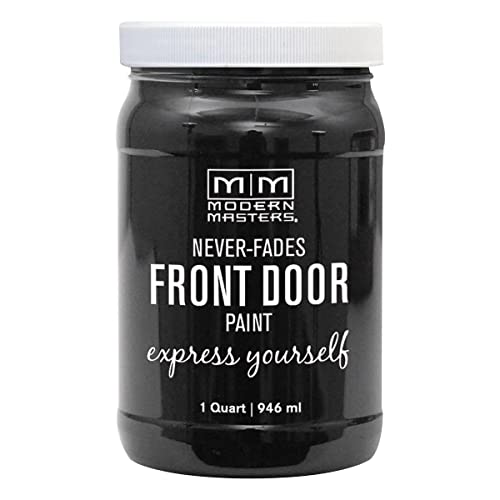
Modern Masters built a reputation with color-stable exterior enamels designed for doors that face tough sun. This water-based formula lays down smooth, levels well, and dries fast, so you can recoat before the weather shifts. The pigments hold their shade longer than budget options, a big deal on south- and west-facing entries. A satin-to-semi-gloss sheen helps shed dust and fingerprints while adding a crisp, welcoming look.
In my tests, it bonds nicely over a properly sanded and primed surface and shows tight film build in two coats. The door felt dry to the touch quickly, but I still allowed a full cure window before closing. On full-sun exposures, I prioritize 100% acrylic resins and UV-resisting colorants; this line hits those marks. If you want a bold hue that doesn’t blush or fade by Labor Day, it’s a strong contender for the best paint for front door that gets a lot of sun.
Pros:
- UV-resistant colorants reduce fading on harsh sun exposures
- Fast drying enables same-day second coat and light use
- Smooth leveling for fewer brush marks on panels and rails
- Durable acrylic film resists sticking and blocking
- Water-based cleanup keeps the project simple
Cons:
- Thin coats are essential to prevent lap lines on dark colors
- Full hardness takes a few days; avoid door magnets early
- Price per quart is higher than generic exterior paint
My Recommendation
This is a go-to if your entry gets intense sun and you want a rich, lasting color. It’s ideal for fiberglass or steel doors where flexibility and UV stability matter. If your goal is the best paint for front door that gets a lot of sun with bold, welcoming color that resists chalking, this line checks the boxes.
| Best for | Why |
|---|---|
| South- and west-facing front doors | UV-resistant pigments and durable acrylic resin reduce fade |
| Quick weekend upgrades | Fast dry and easy water cleanup |
| Bold, modern color schemes | Satin/semi-gloss sheen stays crisp and clean-looking |
Giani Wood Look Door Paint Kit, Royal Mahogany

If you love the warmth of wood but have a plain steel or fiberglass door, this kit transforms the look. It uses a base coat plus a graining layer and topcoat to create a convincing mahogany pattern. The process is guided and forgiving, even for first-timers with a foam brush. The final look is richer than a flat color and pairs well with bronze hardware and stone entries.
For sun-heavy exposures, the clear topcoat is the key hero. The kit’s finish is water-based and flexible, which helps it live through daily heat cycling. I suggest adding a light maintenance coat every couple of years on doors that get blasted by afternoon rays. With that schedule, it can hold up well as the best paint for front door that gets a lot of sun when a real wood look is the goal.
Pros:
- Transforms metal or fiberglass into a wood-look finish
- Beginner-friendly process with clear steps
- Includes protective topcoat for added UV resistance
- Rich, warm color that boosts curb appeal
- Low-odor, water-based cleanup
Cons:
- More steps than a standard one-color enamel
- Periodic clear topcoat refresh recommended in full sun
- Fixed color family; not ideal if you want a bright modern hue
My Recommendation
Choose this if you want a wood-grain statement door without the upkeep of real stain on raw wood. It’s a smart pick for fiberglass and steel doors in hot zones when you follow with the included clear coat and plan a simple refresh every couple of years. If your definition of the best paint for front door that gets a lot of sun includes a timeless, woodlike finish that still resists UV, this kit is for you.
| Best for | Why |
|---|---|
| Wood-look on non-wood doors | Graining system mimics real mahogany convincingly |
| DIYers new to faux finishes | Step-by-step kit minimizes mistakes |
| Full-sun entries with style goals | Clear topcoat improves UV and wear resistance |
Modern Masters Serene Front Door Paint (Quart)
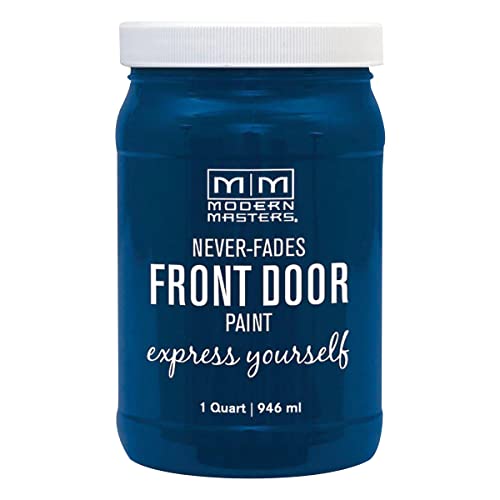
“Serene” is a calming, coastal tone that works beautifully with white trim and blond stone. Under the label, you get the same durable water-based enamel Modern Masters is known for. It grabs onto a primed surface, flows out evenly, and forms a tight film that stands up to heat, dust, and fingerprints. The sheen pops without being too glossy.
I like this option for front doors in beach sun or high-altitude neighborhoods where UV is relentless. The color stays true longer, which matters with softer, desaturated tones that can look tired when they chalk. If you’re after the best paint for front door that gets a lot of sun but want a soothing, designer look, this one delivers simplicity and staying power.
Pros:
- Fade-resistant acrylic resin for strong UV performance
- Balanced sheen that resists prints and dust
- Levels smoothly; fewer brush marks on panels
- Pleasant color that pairs with common exterior palettes
- Fast recoat times speed up weekend projects
Cons:
- Lighter colors can show dirt during application; keep tools clean
- Requires proper primer on bare metal or wood
- Color choice is fixed to this shade
My Recommendation
If your home leans coastal or modern farmhouse, this shade is a keeper. It’s particularly good for full-sun, salt-air environments where lesser paints fade. When someone asks for the best paint for front door that gets a lot of sun in a soft, modern color, I point to this line for its mix of simplicity and durability.
| Best for | Why |
|---|---|
| Coastal and high-UV areas | Resin and pigments resist fade and chalking |
| Quick curb-appeal refresh | Fast dry and easy application |
| Light, calming palettes | Serene tone pairs with white and stone accents |
Rodda Cascadia XL Exterior Satin, Quart

Rodda’s Cascadia XL is a professional-grade exterior satin that covers siding, trim, and doors. It’s an all-season, paint-and-primer formula designed for broad temperature windows, which helps DIYers who only have a narrow time to paint. The satin sheen strikes a sweet spot for front doors: enough shine to look intentional, not so much that it shows minor flaws. On a prepared surface, it covers fast and feels robust after cure.
What stands out here is film toughness in hot-cold cycles. The acrylic resin keeps flexibility, which matters on steel doors that expand in direct sun and cool down quickly at night. UV resistance is solid for an exterior line, and the light “Wish Upon A Star” shade reflects heat better than deep tones. If you want the best paint for front door that gets a lot of sun with a pro-grade backbone, this is a sleeper pick.
Pros:
- Pro-grade acrylic resin holds up in heat and cold swings
- All-season formula broadens the painting window
- Satin sheen suits most entry styles and hides minor flaws
- Strong adhesion with proper surface prep
- Light color helps reflect heat on full-sun exposures
Cons:
- Less color variety compared to designer door lines
- Viscosity may need a light roll-and-tip technique for best leveling
- Not a specialized “door-only” formula; plan on a bonding primer for bare metal
My Recommendation
Pick this if you value a sturdy, professional finish that behaves well in extreme weather. It’s excellent for metal doors that flex and for homeowners who want a soft, heat-reflective shade. If your target is the best paint for front door that gets a lot of sun with a satin, pro-grade finish, Rodda Cascadia XL checks out.
| Best for | Why |
|---|---|
| Metal and fiberglass doors | Flexible acrylic film tolerates expansion and contraction |
| Warm climates with daily heat cycles | UV-resistant formula and satin sheen reduce surface stress |
| DIYers painting in shoulder seasons | All-season formula offers broader temp application range |
California Paints AllFlor Floor Enamel, Battleship Gray

This is a rugged porch and floor enamel built for abrasion, moisture, and sun. While it’s billed for horizontal surfaces, the advanced water-based acrylic also performs on vertical doors when you prime correctly. The gray color is practical, modern, and naturally reflective, which helps in heat. The finish cures hard, resists scuffs, and shrugs off grime better than many standard door paints.
On a door that bakes in sun and sees rough use—think kids, pets, and deliveries—this kind of tough enamel is a smart, if unconventional, pick. It’s especially good for rental properties or garage entry doors that get kicked and scraped. For a statement color, you’d look elsewhere, but for raw durability and heat tolerance, it hangs in as a candidate for the best paint for front door that gets a lot of sun.
Pros:
- Extremely durable acrylic enamel resists scuffs and wear
- Good UV and moisture resistance for outdoor use
- Hard, easy-to-clean finish suits busy households
- Light-medium gray reflects more heat than deep tones
- Water-based, low-odor application
Cons:
- Limited color choice; not ideal for bold entry hues
- Harder film benefits from careful, thin coats to avoid sags
- Not a purpose-built “door” paint; primer choice is critical
My Recommendation
Use this when durability tops your wish list and style is more subdued. It’s perfect for rental front doors, side entries, and high-traffic doors that get full sun and frequent contact. If your must-have is the best paint for front door that gets a lot of sun with heavyweight scuff resistance, this enamel outlasts many standard options.
| Best for | Why |
|---|---|
| High-traffic, full-sun doors | Hard-wearing film resists scuffs and dirt |
| Rental or commercial entries | Low maintenance and easy cleaning |
| Neutral modern exteriors | Practical gray reflects heat and matches many palettes |
5 Best Spray Paint Gun for House Exterior: This Spray Gun Fixes Everything
How I choose the best paint for front door that gets a lot of sun
Full sun punishes paint. UV light breaks down binder chains. Infrared heat swells and shrinks the door daily. Wind drives dust that scuffs the film. Because of that, I focus on five things when I pick the best paint for front door that gets a lot of sun: resin chemistry, UV stability, sheen level, color choice, and cure behavior.
Resin chemistry matters most. 100% acrylic exterior enamels handle UV better than old-school oil on a sun-baked entry. They stay flexible longer and resist chalking. Polyurethane-modified acrylics and high-solids urethane alkyd hybrids can also work well, but I prefer water-based acrylics for faster dry and color stability.
UV stability comes from both the resin and the colorants. Exterior-grade, fade-resistant pigments hold their shade longer. Bright reds and deep blues can fade faster in sun. If you crave a dramatic color, pick lines known for “never-fade” marketing and plan a gentle wash routine that removes abrasive dust. For the best paint for front door that gets a lot of sun, that pigment package is a big deal.
Sheen affects heat, dirt, and touch-up. Satin or semi-gloss looks intentional on a front door and resists prints. Flat hides flaws but grabs dirt and can water-spot. Gloss shows everything and can magnify panel imperfections. On sun-exposed doors, satin is the happy medium that lasts.
Color choice influences heat. Dark absorbs. Light reflects. I love dark navy doors, but on south-facing homes in hot zones, a lighter shade or a mid-tone can keep hardware cooler and slow expansion. When you want a deep color anyway, choose a high-quality enamel. That gives you the best paint for front door that gets a lot of sun while still going bold.
Cure behavior and blocking resistance matter for daily use. Fast dry is helpful, but full cure can take days. I always suggest painting early in the day, propping the door open until tack-free, then using felt pads on the jamb for the first 48 hours. That prevents sticking and preserves that smooth film you worked for.
Prep steps that make any door paint last longer
Good paint fails on bad prep. Here’s the short list I follow to stretch life on the best paint for front door that gets a lot of sun.
- Clean thoroughly: Degrease with a mild TSP substitute. Rinse well and dry.
- Scuff sand: Use 180–220 grit to dull the sheen and remove loose paint.
- Repair: Fill dings with exterior-rated filler. Sand flush after cure.
- Prime smart: Bare metal needs a rust-inhibiting bonding primer. Bare wood needs a stain-blocking, tannin-sealing primer. Fiberglass benefits from a quality bonding primer.
- Mask hardware: Or remove it for the cleanest edges and best coverage.
In full sun, primers with corrosion inhibitors on steel and tannin blockers on wood earn their keep. For fiberglass, a high-adhesion acrylic primer provides grip without overbuilding the film. This foundation lets the topcoat shine and last as the best paint for front door that gets a lot of sun.
Application tips for a smooth, durable finish
I use a “roll and tip” method: a 4–6 inch high-density foam roller for panels and stiles, then a high-quality nylon/poly brush to tip off. Work in sections to keep a wet edge. Thin, even coats beat thick ones. Two coats usually cover; a third can deepen dark tones.
Paint early or when the door is shaded. Direct sun speeds dry too much and can cause lap marks. Ideal temps are usually 50–85°F; always check your can. Ventilate well, and watch for windborne grit. Dirt in a coat is what ruins that glassy look on the best paint for front door that gets a lot of sun.
Between coats, a light 320 grit scuff removes nibs and improves intercoat adhesion. Tack cloth gently. Don’t rush the second coat. And keep pets, pollen, and kids at bay for an hour or two to protect the wet surface.
Maintenance so your color stays fresh
Even the best paint for front door that gets a lot of sun needs simple care. Wash with a soft sponge and mild soap every few months to remove abrasive dust. Avoid harsh cleaners that dull the sheen. Tighten hardware so handles don’t rub and wear through the finish.
Every couple of years, inspect edges and the bottom rail. Touch up worn spots before they spread. For faux-wood kits, refresh the clear coat as needed. Small, steady care stops the “peel and repaint” cycle cold and keeps your entry looking sharp.
Color strategy for heat and fade
Light colors reflect more heat and fade slower. But you can go dark if you use a premium enamel, accept periodic touch-ups, and avoid black on doors with no overhang in desert sun. Blues and greens often age gracefully. Reds can be vibrant but may show fade faster; choose the highest-grade line when you go that route.
Match sheen to style. Satin is versatile and forgiving. Semi-gloss is crisper and brighter. Pair the paint with weather-resistant hardware finishes like PVD-coated brass or stainless so the whole entry ages together, even under punishing sun.
FAQs Of best paint for front door that gets a lot of sun
What type of paint lasts longest on a sun-baked front door?
A high-quality, 100% acrylic exterior enamel in satin or semi-gloss lasts longest. It resists UV, stays flexible, and holds color.
Do I need a primer if my door is already painted?
Often yes. Use a bonding primer over glossy or unknown old paint, and always prime bare spots. It improves adhesion and durability.
Is a darker color a bad idea for full sun?
Not always. Dark colors absorb heat and can fade faster, but premium UV-stable enamels reduce fade. Consider lighter tones in very hot climates.
How many coats should I apply?
Two thin coats are standard. A third coat can deepen dark shades. Allow proper dry time between coats.
How long before I can close or lock the door?
Touch-dry can be under an hour, but allow several hours before closing. Full cure takes days. Use felt pads to prevent sticking early on.
Final Verdict: Which Should You Buy?
For bright, lasting color and easy application, Modern Masters Elegant or Serene is the best paint for front door that gets a lot of sun. They level well, dry fast, and resist fade.
Want a wood look in full sun? Pick the Giani kit and maintain the clear coat. For pro-tough satin, Rodda Cascadia XL shines. Need heavy-duty scuff resistance? California AllFlor is a rugged, practical choice.
Related posts:
 Best Exterior Door Paint: Tested This Paint To Makes It Look New Again
 What Happens If Primer Gets Rained On– Risks & How to Fix It
 What Fire Class For Would Involve Flammable Gases Solvents Paints , Paints, Solvents: Guide
 Best Thinner for Citadel Paints: Top 5 Thinners That Make Citadel Paints Airbrush‑Ready