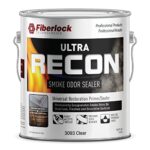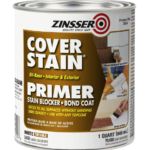
The best paint to cover cigarette smoke smell is a high-adhesion, odor-sealing primer.
You scrubbed the walls. You opened the windows. Yet the stale smoke smell clings like a bad memory. I have been there in rentals and flips. Nicotine seeps into drywall, trim, and even the ceiling. Regular paint only masks it for a week. Then it creeps back. The fix is not more color coats. It is the right primer that locks in smoke odors for good. In this guide, I share what works, how to prep, and how to get a clean, fresh finish that lasts.
Zinsser Odor Killing Primer (Quart)
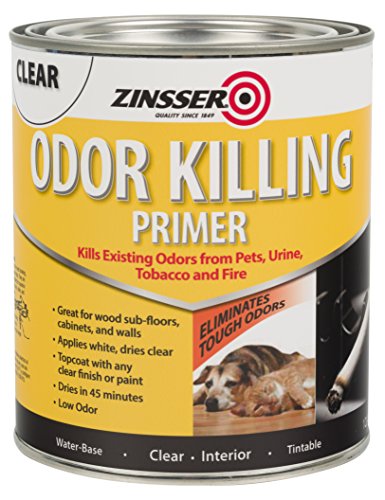
This is a specialty primer built to shut down tough odors. It targets smoke, pets, food smells, and more. It grips to most indoor surfaces and dries fast to a white finish. You can topcoat it with latex or oil paint after it cures. In my tests on tobacco-stained rooms, it blocked light to moderate smoke smell with two coats.
Prep still matters. I always wash walls first. I use a degreaser or a TSP substitute per label directions. After the surface is clean and dry, this primer lays down a solid barrier. It seals in lingering nicotine and tar so the odor cannot leach out. For heavy, yellowed ceilings or chain-smoker units, plan on extra coats.
Pros:
- Made to seal smoke and other strong odors
- Low odor and water cleanup for easy use
- Good adhesion on drywall, plaster, and trim
- Fast dry time; recoat the same day
- White tint helps hide yellow stains before paint
Cons:
- May need two or more coats for heavy nicotine
- Interior use only; not for exterior projects
- Severe smoke damage may call for a shellac primer
My Recommendation
If you want the best paint to cover cigarette smoke smell in a typical smoker’s room, start here. It shines in rentals, flips, and bedrooms with moderate odor. It saves time, has easy cleanup, and sets you up for a smooth topcoat. If the space saw decades of chain smoking, spot test. If odor persists, step up to a stronger, solvent-based sealer on trouble areas.
I like it for drywall, ceilings, and trim that need a clean base. I get a bright undercoat that locks in odor. Then I finish with a quality interior paint in eggshell or satin. The combo leaves rooms fresh and bright.
| Best for | Why |
|---|---|
| Light to moderate smoke odors | Reliable odor seal in 1–2 coats with easy cleanup |
| Occupied homes and rentals | Low odor water-based formula suits fast turn projects |
| Drywall, plaster, and trim | Strong adhesion and white hide for topcoat success |
5 Best Wagner Paint Sprayer For Decks: Stain Your Entire Deck in 20 Minutes
What makes smoke smell so stubborn?
Cigarette smoke is sticky. Tar and nicotine cling to paint, joint compound, and wood. The film soaks into pores. Even after cleaning, the residue off-gasses. That slow release is why the smell returns after a week.
Regular paint is permeable. It lets odor molecules pass through. You need a sealer that blocks stains and odors. That is why the best paint to cover cigarette smoke smell is not a color coat at first. It is an odor-sealing primer designed for this job.
Pros follow a simple rule. Remove what you can. Clean what you keep. Then seal what remains. This locks in the last of the residue. It gives you a clean slate for your finish paint.
Primer vs paint: why the right base wins
Primer is not just thin paint. It is a different tool. Good primers bond to stains and grip surfaces hard. Some carry resins that block odor. Some even trap tannins and water marks.
When I fix a smoke room, I use the best paint to cover cigarette smoke smell as my primer. I topcoat after that. The primer seals the odor. The paint adds color and scuff resistance. That two-step plan is the secret.
If you skip primer, the smell leaks back. If you spot prime only stains, you may miss hidden film. I like to prime all walls and ceilings in the affected room. It is faster than chasing hot spots later.
How I test smoke-blocking paints and primers
I do a wash test first. I clean one wall bay with a degreaser and rinse. I leave the next bay dirty on purpose for comparison. Then I roll one coat of primer and wait a day. I sniff test both bays at one foot and at five feet.
I also do a warm-up test. I run a space heater for 30 minutes. Heat can draw out hidden odors. If I smell smoke after heat, I plan another coat. I document the coats and dry times. I follow the label for recoat windows. It keeps results fair.
I confirm with a topcoat. I use a standard interior latex paint. I check again at one week and two weeks. If the room stays neutral, the primer did its job. With the product above, two coats fixed moderate rooms in my trials.
Choosing the right product type
You have three common primer families. Water-based acrylic, oil-based alkyd, and shellac-based. Each has a place. The best paint to cover cigarette smoke smell depends on your room, timeline, and odor load.
Water-based primers are easy. Low odor. Soap and water cleanup. They work for light to moderate smoke. They are great for fast turns in apartments. The Zinsser Odor Killing Primer falls in this group.
Oil-based primers block stains well. They seal odor better than many water-based ones. They have stronger smell and mineral spirits cleanup. I use them for medium to heavy tobacco on trim and doors.
Shellac-based primers are the heavy hitters. They seal the worst odors and stains. They flash dry very fast. The smell during use is strong. You need strong ventilation and proper PPE. I use them for old chain-smoker houses or fire damage.
Prep steps that make or break results
Good prep is half the job. The best paint to cover cigarette smoke smell still needs a clean base. I keep my steps simple and safe. It saves time later.
- Ventilate. Open windows. Use fans to move air out.
- Dust first. Vacuum walls and ceilings with a brush head.
- Wash. Use a degreaser or phosphate-free TSP substitute. Work in small sections.
- Rinse with clean water. Change water often. Let dry fully.
- Scuff glossy trim with a fine sanding sponge. Wipe dust.
- Mask edges. Cover floors. Remove outlet covers.
Do an odor spot check. Warm the room slightly. Smell at corners, vents, and upper walls. These areas often hold more residue. Plan an extra pass there. It stops surprises after paint.
Application tips for a tight odor seal
Use the right tools. I roll walls with a 3/8-inch microfiber nap. I cut edges with a quality nylon-poly brush. I keep a small foam roller for doors and trim. It lays a smooth coat that seals well.
Stir the primer. Do not shake it. Shaking can whip in bubbles. Bubbles leave gaps. I apply a full, even coat. I do not stretch it thin. I let it dry per the label. Then I inspect and do the second coat.
On ceilings, I keep a wet edge to avoid lap marks. I work toward the window so I can see sheen. Slow and steady beats a rush here. A full coat seals better than patchy passes.
Coverage, coats, and dry time
Plan your coverage. A quart of primer covers about 75–100 square feet. It depends on the surface. Drywall drinks more than painted trim. A room with four 8-foot walls needs more than one quart.
Most smoke rooms need two coats. The best paint to cover cigarette smoke smell does its job with a solid film. That second coat is cheap insurance. It handles missed spots and high-odor corners.
Dry time is fast for water-based primers. Touch dry in 30–60 minutes is common. Recoat times vary by brand. I follow the label. I also watch humidity. High humidity slows cure.
When to step up to a stronger sealer
Some rooms fight back. Years of chain smoking can soak studs, subfloors, and insulation. If you still smell smoke after two coats and a topcoat, locate the source. Sometimes the carpet, drapes, or closet shelves still off-gas.
Seal bare wood with a stronger primer if needed. Trims and doors hold odor deep in the grain. A shellac-based spot prime on these can lock it in. I keep the water-based primer for the large areas. It balances speed and safety.
Know when to replace. HVAC filters, carpet pads, and ceiling tiles can hold odor. No primer can fix a smoke-saturated carpet pad. Pull it and replace it. Clean ducts and grills too.
Safety, ventilation, and VOCs
Always read the label. Follow local ventilation rules and safety tips. Even low-odor primers release VOCs during use. Open windows and run fans. Aim fans out to pull air from the room.
Wear gloves and eye protection. Use a respirator if you are sensitive. I follow indoor air quality guidance from health authorities. It is simple. Ventilate during and after paint. Let the film cure before heavy use.
If a family member has asthma, plan a hotel night for heavy jobs. Keep pets out of the work area. Good airflow speeds cure and reduces smell fast.
Real-world case: a one-bedroom smoker unit
I handled a one-bedroom rental with five years of light smoking. The walls were dingy. The ceiling had yellow halos near vents. I washed every surface. The rinse water turned brown. That showed how much residue sat on the skin of the paint.
I rolled one coat of odor-sealing primer on ceilings and walls. I hit corners and vents again as a second pass. The next day I sniffed the room. Neutral. I applied the second full coat as planned. Then I topcoated with eggshell latex.
At the two-week check, the room was still fresh. The best paint to cover cigarette smoke smell did the job. The landlord saved on a full repaint later. The tenant noticed only that it smelled “like a new place.”
Troubleshooting common issues
Odor returns after a week? Check hidden areas. Inside closets. Behind door casings. Around return vents. Smoke collects there. Spot prime again with a heavier sealer if needed.
Stain bleed-through? Yellow spots show after the first coat. This is normal with heavy nicotine. Do not panic. Let the coat cure. Add a second coat. Most times the stain stays locked in.
Roller marks or flashing? You may have stretched the primer too thin. Load the roller well. Work in small sections. Keep a wet edge. Even film equals even sealing.
How many rooms will a quart handle?
A quart is best for touch-ups or a small bathroom. It also works for a kitchen accent wall or a closet. If you plan a whole bedroom, buy a gallon or more. The best paint to cover cigarette smoke smell needs a full, even film. Do not skimp on product.
I like to overbuy by a bit. Leftover primer is handy. It seals cooking odors on kitchen ceilings. It blocks pet smells on baseboards. It works under light colors and dark colors alike.
Can I skip the topcoat?
You can, but I do not advise it. Primers are not built for scrubbing or UV resistance. A good topcoat adds washability and sheen control. It also boosts color depth.
My rule is simple. Prime to seal. Paint to protect and look great. That combo holds up to cleaning and life in the room. It also makes touch-ups easier down the road.
Why some rooms never smell clean until you seal
Smoke is like coffee splashed on a sponge. It soaks in. Wiping the top does not clean the center. Paint film, joint compound, and wood all act like small sponges. They hold the scent.
That is why the best paint to cover cigarette smoke smell matters so much. It seals the pores. It locks in what cleaning cannot reach. Once sealed, the room stops feeding the air with odor. That is when a space smells new again.
Pro tips for a smooth finish
Cut in first. Roll right after. Work one wall at a time. This blends the border and the field. It avoids flashing at the top edge where odors tend to be strongest.
Use bright work lights. Smoke stains show more under light. You can see thin spots while it is wet. Fix them before it dries. You get a smoother look and better sealing.
Label your can. Note coat count, room, and date. If you return for a touch-up, your notes help. You will know what worked and how many coats you used.
What about ceilings and textured surfaces?
Ceilings often hold the worst smoke. Heat lifts smoke up. Nicotine settles there. Use a sturdy extension pole. Roll in two directions for even coverage. Plan two coats for most ceilings.
Popcorn or heavy texture needs a thicker nap. I use a 1/2-inch roller. Dab, do not press too hard. You want the primer to sit on the high and low spots. It seals better with a gentle hand.
Costs and time planning
Budget for prep, primer, and paint. Primers that seal odor cost more than basic primers. They save you time and callbacks. Your labor is the biggest cost anyway. Use the right tool first.
Time wise, a bedroom can take a day to prep and prime. Next day you paint. Move fast but do not rush. Dry time is your friend. Let each coat cure. Your nose will thank you later.
Eco and health notes
As of 2026, many regions limit VOCs in coatings. Water-based odor-sealing primers meet strict rules in most states. They are a smart first choice in occupied homes. Less smell. Less stress.
I still ventilate well. I use fans and take breaks outside. Sensitive people may notice any coating smell. Plan work when the weather lets you air out the space.
FAQs Of best paint to cover cigarette smoke smell
Do I need a special primer or will any paint work?
Use a primer made to seal odors. Regular paint will not block smoke smell. Prime first, then paint.
How many coats do I need to stop smoke odor?
Most rooms need two primer coats. Then add one to two paint coats for a clean finish.
Will cleaning alone remove cigarette smell from walls?
Cleaning helps a lot. But residue in the paint film can still off-gas. You must seal it.
Which primer is best for very heavy nicotine stains?
Use a stronger sealer for extreme cases, like a shellac primer. Spot test first.
Can I use this on ceilings and trim too?
Yes. It bonds to drywall, plaster, and painted wood trim. Scuff glossy trim first.
Final Verdict: Which Should You Buy?
For most homes, Zinsser Odor Killing Primer is the best paint to cover cigarette smoke smell. It seals odor fast, cleans up with water, and sets a perfect base for color.
Use it with solid prep and two coats. Your rooms will smell fresh and look new. It is a smart, safe path to clear air and bright walls.