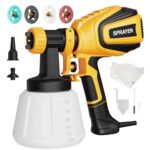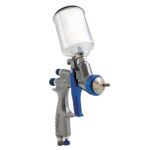
An HVLP sprayer is a low-pressure paint gun that delivers smooth, efficient finishes.
If you’ve wondered what is hvlp sprayer and why pros swear by it, you’re in the right place. I’ve used these systems across cabinets, doors, trim, and even cars. In this guide, I’ll break down how they work, where they shine, and how to get pro results at home. Stick around to learn what is hvlp sprayer technology, see real tips from the field, and avoid the costly mistakes I already made.
What Is an HVLP Sprayer?
HVLP stands for High Volume, Low Pressure. In plain words, it uses a lot of air at low pressure to turn paint into a soft, controlled mist. That mist lands on the surface with less bounce-back. When people ask what is hvlp sprayer, I say it is the paint gun you pick when you want a fine finish and less waste.
The key is control. HVLP guns push air at a low PSI but high CFM. The paint flow is steady and easy to tune. This makes it ideal for detail work and smooth coats.
How an HVLP Sprayer Works
Air moves through the gun and wraps around a needle and nozzle. As you pull the trigger, paint meets that soft air at the cap and atomizes. The low pressure keeps the spray pattern tight and gentle.
Most setups run 8–20 PSI at the cap with high airflow. In short, high volume air and low pressure give a clean, efficient mist. When folks search what is hvlp sprayer, they often want to know why the finish looks so smooth. This airflow profile is why.
HVLP vs Conventional and LVLP
Conventional guns use high pressure. They spray fast, but with more overspray. LVLP (low volume, low pressure) runs on less air. LVLP can be great for small compressors, but it can struggle with thicker coatings.
With HVLP you get:
- Better transfer efficiency with less waste
- More control on edges and corners
- A smoother finish on trim and cabinets
If you ask what is hvlp sprayer best at, the answer is fine, even coats with fewer clouds in the air.
Key Components and Setup
An HVLP system can be turbine-powered or compressor-powered.
- Turbine HVLP. A dedicated turbine supplies warm, high-volume air to the gun. It is simple to set up and very portable.
- Compressor HVLP. A standard air compressor feeds the gun. You need enough CFM and a regulator to dial in pressure.
Main parts of the gun:
- Air cap. Shapes the fan pattern.
- Needle and nozzle. Control flow and atomization.
- Cup. Holds paint. Gravity feed cups sit on top and are easy to clean. Siphon cups hang below and hold more.
People ask what is hvlp sprayer gear I use. For home and furniture jobs, I often use a gravity feed gun with a 1.3–1.4 mm tip.
When to Use an HVLP Sprayer
Pick an HVLP sprayer when detail, control, and a clean finish matter. It shines in:
- Cabinets, doors, and trim
- Furniture and built-ins
- Automotive panels and touch-ups
- Small fences and outdoor furniture
– Craft and DIY projects
If you are still asking what is hvlp sprayer good for, think of any job where brush marks are not welcome and you want thin, even coats.
Pros, Cons, and Limitations
Pros:
- Smooth finishes on wood and metal
- Less overspray and better transfer
- Fine control of fan, fluid, and air
- Great for indoors with care and masks
Cons:
- Slower than big airless rigs
- Needs thinning for some paints
- Can struggle with very thick coatings
Limits:
- Not ideal for heavy exterior walls
- Demands good prep and clean strainers
- Needs a clean area to avoid dust
Many who search what is hvlp sprayer want to know if it fits every job. It does not. Use it where finish is the top goal.
Choosing the Right HVLP Sprayer
Match the tool to your tasks.
- Power source. Turbine for simple setup. Compressor for more control if you have enough CFM.
- Air needs. A compressor HVLP gun may need 7–13 CFM at 30–50 PSI at the inlet. Check the spec sheet.
- Needle and nozzle sizes.
- 1.2–1.4 mm for clear coats and thin enamels
- 1.5–1.8 mm for latex, primers, and thicker paints (thinned)
- Cup style. Gravity feed for small, frequent refills and easy cleanup. Siphon for larger jobs.
- Adjustments. Look for fluid, fan, and air controls you can reach fast.
- Filters and strainers. Always strain paint. It stops clogs and spits.
When clients ask what is hvlp sprayer setup I suggest for cabinets, I say a gravity gun with a 1.3–1.4 mm tip and a strong compressor or a 3–5 stage turbine.
Step-by-Step: Getting a Smooth Finish
Prep
- Sand to at least 180–220 grit on wood.
- Clean with a tack cloth. Dust ruins good work.
- Mask off edges and cover floors.
Thin and strain
- Check the product sheet for thinning. Many water-based paints need 5–15% water.
- Mix well and strain with a fine cone filter.
Dial in the gun
- Start with low fluid flow.
- Set fan pattern wide for panels, narrow for edges.
- Adjust air until the mist looks soft and even.
Spray technique
- Keep 6–8 inches from the surface.
- Move at a steady pace. Start moving before you pull the trigger. Release after the pass.
- Overlap each pass by 50%.
- Lay thin coats. Let them flash and dry per the label.
Between coats
- Lightly scuff with a fine pad if needed.
- Wipe dust. Add the next coat.
People search what is hvlp sprayer to fix brush marks. This method makes that smooth, glass-like look.
Graco-Sharpe 288879 HVLP FX3000 Paint Spray Gun: Smooth Paint, Easy Finish
Maintenance, Cleanup, and Safety
Good cleanup saves money and time.
- Empty the cup. Return extra paint to the can through a strainer.
- Run the right cleaner. Water for water-based. Mineral spirits for oil-based. Then rinse.
- Disassemble the needle, nozzle, and air cap. Use a soft brush. Do not poke holes in the air cap.
- Lubricate moving parts lightly.
Safety basics
- Wear a proper respirator. Dust masks are not enough.
- Use gloves and eye protection.
- Ventilate the area. Use filters and limit sparks with solvent fumes.
If you asked what is hvlp sprayer care routine, this is it: clean right away and store it dry.
Common Mistakes and How I Learned to Fix Them
Orange peel
- Cause. Too thick paint, low air, or gun too far.
- Fix. Thin a little more. Add a bit of air. Move closer.
Runs and sags
- Cause. Too much fluid or slow passes.
- Fix. Back off the fluid knob. Speed up. Lay thinner coats.
Dry spray
- Cause. Too much distance or too much air.
- Fix. Move closer. Reduce air until the fan looks wet and even.
Spitting
- Cause. Clogged filter or dirty nozzle.
- Fix. Strain paint. Clean the gun tip and air cap.
When friends ask what is hvlp sprayer best practice, I say this: thin smart, strain always, and test on scrap first.
Frequently Asked Questions of what is hvlp sprayer
What does HVLP stand for?
HVLP means High Volume, Low Pressure. It describes how the gun uses lots of air at a gentle pressure to atomize paint.
Can an HVLP sprayer handle latex paint?
Yes, but you often need to thin latex and use a larger tip. A 1.5–1.8 mm nozzle is a common range for thinned latex.
Is a turbine or compressor better for beginners?
A turbine system is simple and portable, so it is great for beginners. A compressor gun gives more tuning but needs enough CFM and a good regulator.
How far should I hold an HVLP gun from the surface?
Stay about 6–8 inches away. Keep the gun square to the surface and move at a steady speed.
What tip size should I use for clear coats?
A 1.2–1.4 mm tip works well for most clear coats and thin enamels. Always check your product’s tech sheet.
Do I need a respirator if I spray water-based paint?
Yes. Fine paint mist can still harm your lungs. Use a proper respirator and good ventilation.
Why am I getting orange peel with HVLP?
The paint may be too thick, the air too low, or your distance too far. Thin within label limits and adjust air and distance.
Conclusion
You came here asking what is hvlp sprayer and how to use it. Now you know it is the go-to tool for smooth finishes, tight control, and less waste. Choose the right gun, match your tip to the paint, thin with care, and always strain.
Test on scrap, tune your fan and flow, and build thin coats. With a little practice, your cabinets, doors, and furniture can look like a pro job. Ready to upgrade your finish? Try a small project this week, note your settings, and share your results. Subscribe for more how-tos, or drop a question in the comments and I’ll help you dial it in.