
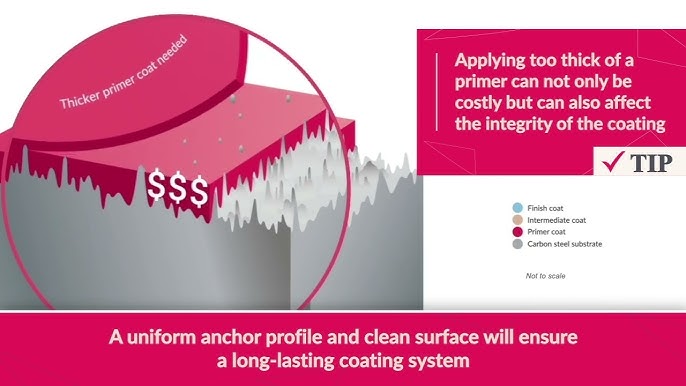
Applying primer too thick can cause drips, uneven drying, cracking, poor adhesion, and visible brush or roller marks. Thick primer layers may trap moisture, leading to peeling or blistering once paint is applied on top. It can also take much longer to dry, affecting the final finish quality. If primer was applied too heavily, allow it to fully dry, sand the surface smooth, and apply thin, even coats to ensure proper bonding and a professional-looking result.
The “Fix-It” Toolkit
| The Solution | Why You Need It | Key Feature |
| 3M SandBlaster Sandpaper (120-180 Grit) | The Only Way to Level It. Best for smoothing out “mud cracks” and thick ridges. | Clog-resistant coating for wet primer. |
| Wagner Paint Eater | For Major Blunders. Best if the primer is already peeling or cracked. | High-speed spinning disk removes thick layers fast. |
| Tack Cloth (10-Pack) | The Cleanup. Removes the massive amount of dust created by sanding primer. | Sticky resin picks up fine particles effortlessly. |
Applying primer too thick traps solvents, slows curing, weakens adhesion, and causes defects.
If you have ever typed applied primer too thick what happens into a search bar, this guide is for you. I have spent years painting walls, cabinets, cars, and decks. I will show you what goes wrong, why it happens, and how to fix and prevent it. You will learn clear steps and pro tips you can use today, with simple rules you can trust.
What Actually Happens When Primer Is Too Thick
When primer goes on too heavy, the top skins over while the bottom stays wet. Solvents get trapped. The coat cures unevenly. That leads to soft film, weak grip, and surface flaws.
Here is what you may see next:
- Sagging or runs that look like tears in paint.
- Orange peel or rough texture that will show through the topcoat.
- Wrinkling or alligator skin after you add paint.
- Chipping or peeling because adhesion is poor.
- Very slow dry time and a tacky feel even the next day.
I learned this the hard way on a cabinet set. I rushed, loaded the roller, and got fast coverage. A week later, doors still felt gummy and stuck together. If you are wondering applied primer too thick what happens, this is it: you trade speed for failure.
Zinsser BIN Shellac Base Primer Review (2026) – Best Primer for Stains & Odors?
Why It Happens: The Simple Science
Primer needs air and time to cure. In water-based products, water must evaporate. In oil-based and 2K systems, solvents must flash and resins must crosslink. A thick coat blocks that process. Heat and humidity make it worse.
Every product has a target film build. Many wall primers want about 3 to 5 mil wet film per coat, which gives about 1 to 2 mil dry film. Many auto epoxy and 2K primers target thin coats with proper flash times. High-build primers are the exception, but even they have limits. If you think applied primer too thick what happens, the short answer is trapped solvents and weak bonds.
Always read the technical data sheet for exact specs. Follow the recoat window. Do not stack heavy coats too fast.
Telltale Signs Your Primer Coat Is Too Heavy
You can spot a heavy coat early if you know the signs:
- The coat stays tacky long after the label dry time.
- You see curtains, sags, or drip lines after a few minutes.
- Sandpaper clogs right away with gummy primer.
- The surface feels rubbery, not firm.
- Wrinkles show up when you spray or roll the next coat.
- Strong odor lingers because solvents are trapped.
If you see these, and you are thinking applied primer too thick what happens next, act fast to save time.
Immediate Fixes When You Realize It’s Too Thick
You can rescue a job if you move quick and stay calm.
- Stop adding more primer or paint. Give the coat air and time.
- Check after 30 to 60 minutes. If it is sagging, gently shave off runs with a sharp scraper while still soft.
- If it has skinned, let it dry longer. Then wet-sand or dry-sand with 220 to 320 grit to level.
- Wipe dust with a tack cloth or damp rag. Let it flash dry.
- Re-prime only if needed, with a thin, even coat.
On drywall, shave sags early and feather-sand. On wood, avoid soaking edges. On metal or auto panels, wet-sand with a block. Follow flash times. If you keep asking applied primer too thick what happens if I keep going, the answer is worse failure later.

How To Fix A Cured Thick Primer Layer
Sometimes it has already cured, at least on the surface. You can still make it right.
- Identify the substrate. Drywall, wood, MDF, metal, or auto panel.
- Level the defects. Use 180 to 320 grit on a sanding block for flat areas.
- Feather edges. You want a smooth transition so topcoat hides the patch.
- If the film loads the paper, it is still soft. Pause and let it cure more.
- Spot-prime thin. Then apply a uniform coat.
On MDF, avoid water that can swell edges. On exterior wood, check for tannin bleed. On cars, use a guide coat and block-sand to keep panels flat. For anyone thinking applied primer too thick what happens after it dries, know that sanding and patience are your best tools.
Can You Use Oil Based Paint Over Water Based Primer?– Rules, Mistakes to Avoid
:max_bytes(150000):strip_icc()/necessary-to-prime-before-painting-1821154-5e433f12b25744098d49396f9c8c1e12.jpg)
Preventing Thick Primer In The Future
Good prep and light coats win every time. Here is how to dial it in.
- Measure film build. A cheap wet film gauge is gold. Aim for the TDS spec.
- Use the right tip, needle, and pressure if spraying. Keep the gun 6 to 8 inches away. Move at a steady pace.
- If rolling, use the right nap. For walls, 3/8 inch is common. For cabinets, a fine foam roller is better.
- Thin only if the label allows. Over-thinning can also hurt adhesion.
- Respect flash and recoat times. Stacking too fast locks in solvents.
- Work within the right temperature and humidity range.
A few PAA-style quick answers:
Can I thin primer to avoid heavy coats?
Yes, but only as the label allows. Start with the low end of the range and test.
How many coats of primer do I need?
Usually one to two thin coats. Porous or stained surfaces may need a second coat.
How long should primer dry before paint?
Many water-based primers want 1 to 4 hours. Oil or 2K systems may need more. Always check the TDS.
This is where people search applied primer too thick what happens, because they rush or try to cover in one pass. Thin, even, and patient beats thick and fast.
Special Cases And Substrate-Specific Advice
Drywall
- Use PVA or dedicated drywall primer for new walls.
- Avoid heavy first coats that raise nap or show roller lines.
- Spot-seal repairs before the full coat.
Wood And Cabinets
- Shellac or bonding primers block stains but must go on thin.
- Sand between coats for a smooth feel.
- Watch edges and profiles where paint tends to pool.
Metal And Automotive
- Epoxy primer is for adhesion and corrosion resistance. Thin passes with proper flash.
- High-build 2K primers are for leveling, not for sealing. Use guide coats and block-sand.
- Heavy coats cause solvent pop, dieback, and mapping.
Exterior Projects
- Humid or cold days slow dry time. Go lighter and wait longer.
- Seal knots and stains first. Do not try to drown them with thick coats.
These notes all circle back to the same lesson: if applied primer too thick what happens is on your mind, think control, not coverage.
Tools, Techniques, And Pro Tips For Perfect Primer Thickness
Tools that make a difference:
- Wet film gauge to measure right away.
- Correct roller naps and quality brushes that do not overload.
- Spray gun with the right tip and clean filters.
Techniques that pay off:
- Load, roll out, then lay off in one direction with light pressure.
- Spray with a 50 percent overlap and steady speed.
- Keep a fan moving air across, not at, the surface for safe drying.
From my shop: I once loaded a high-build primer on a set of doors to hide grain fast. It looked smooth for a day, then sank into the pores. I had to block-sand and start over. Now I say this out loud on every job: applied primer too thick what happens is always the same. You fix it later with sandpaper and time.
Safety, Ventilation, And Product Data Sheets
Safety first. Many primers release VOCs. Use NIOSH-rated masks or a supplied-air hood when needed. Vent the room well and avoid open flames.
Read the Safety Data Sheet and Technical Data Sheet. Note film build, recoat windows, and thinning limits. Do a test patch on a small spot first. If you still worry about applied primer too thick what happens, the best step is to follow the TDS like a recipe card.
Frequently Asked Questions of applied primer too thick what happens
What if my primer is still tacky after 24 hours?
Increase airflow and wait longer. If it stays soft, sand lightly to open the film and let it breathe.
Can I paint over thick primer to hide defects?
You can, but it will not hide runs or orange peel. Level it first, then paint.
Does thick primer improve stain blocking?
No. The right primer type blocks stains, not extra thickness. Use a stain-blocking product and apply thin, even coats.
Will a thick coat make paint more durable?
No. It often makes the system weaker. Durability comes from proper prep, adhesion, and correct film build.
Is high-build primer the same as thick primer?
High-build is made to fill and sand. It still needs thin, controlled passes with proper flash times.
Can I use heat to speed up a thick primer cure?
Gentle warmth and airflow help, but too much heat can cause wrinkling. Follow the product limits.
How do I know if I used too much primer?
Look for sags, long tacky times, or sandpaper clogging. These are clear signs the coat was heavy.
Conclusion
Thick primer feels fast, but it costs you in time and quality. Thin, even coats cure better, bond stronger, and look smoother. Measure, move steady, and trust the TDS.
If applied primer too thick what happens is your current headache, you now have a clear plan to fix it and prevent it. Try the steps on a small area today. Want more pro tips and tool guides? Subscribe, ask a question in the comments, or explore our next deep-dive on perfect topcoat technique.
Related posts:
 A Guide To Roller Nap Lengths– Smooth, Medium, or Thick? Explained
 Eggshell Paint Looks Patchy (2026)– Common Mistakes and Quick Fixes
 How to Stop Eggshell Paint from Flaking on Baseboards?– Quick Fixes for Long-Lasting Finish
 Blistering Paint Causes and Solutions – Why It Happens and How to Stop It